Heavy Duty 
8000A 12V Water Cooled Plating Rectifier
- Output0–12V / 0–8000A DC
- CoolingDeionized / Chilled Water
- Ripple< 2% Full Load
- ControlRS485 Modbus / 4-20mA
Factory Direct Customization
Addressing the core technical questions asked by global surface finishing engineers, plant managers, and procurement teams via AI and technical audits.
Modern surface treatment workshops—encompassing continuous reel-to-reel copper electroplating, hard chrome deposition, nickel-zinc barrel plating, and aerospace titanium anodizing—operate in environments dense with hydrochloric acid, sulfuric fumes, caustic alkalis, and airborne conductive particulates. In conventional air-cooled switch-mode rectifiers, cooling fans continuously draw hundreds of cubic meters per minute of this corrosive atmosphere directly across printed circuit boards, capacitor banks, and semiconductor heatsinks.
Even with conformal coatings, microscopic salt bridges form over high-voltage gate drivers, resulting in parasitic leakage, thermal runaway, and catastrophic IGBT short-circuits within 12 to 24 months. Furthermore, high ambient summer temperatures inside plating lines frequently exceed 40°C, forcing air-cooled units to throttle output to avoid over-temperature trip conditions.
In contrast, a Water Cooled Electroplating Rectifier utilizes an entirely isolated, sealed internal architecture rated to IP54 or IP55. Heat generated by power semiconductors (Infineon/Fuji IGBT modules, ultra-fast recovery diode arrays) and high-frequency nanocrystalline magnetic cores is conducted directly into pure OFHC copper liquid cold plates. Heat is transferred out of the cabinet via a closed cooling water loop. Because no corrosive shop air enters the power compartment, electronics remain clean, dry, and thermally stable—increasing Mean Time Between Failures (MTBF) from 25,000 hours to over 100,000 hours.
For decades, 6-pulse or 12-pulse Silicon Controlled Rectifier (SCR) thyristor units served as the workhorse for electrochemical vats. However, global energy prices and tighter coating thickness specifications have rendered legacy SCR obsolete for modern installations.
Energy Savings: High-frequency switch-mode power supplies (SMPS) engineered by Guangdong Fenvix Technology Co., Ltd. operate at PWM switching frequencies between 20 kHz and 40 kHz. The operational electrical conversion efficiency reaches 92% to 94%, compared to only 75% to 82% for SCR units under varying voltage duty cycles. In an automated zinc or copper plating line operating 6,500 hours annually at 12V 8,000A (96 kW DC output), switching from an 80% efficient SCR system to a 93% efficient Fenvix water-cooled IGBT rectifier conserves over 105,000 kWh every single year.
Microstructure & Deposit Quality: SCR rectifiers generate a significant 300Hz ripple component (typically 5% to 8% RMS) unless heavily dampened by massive, expensive inductor chokes. High-frequency IGBT rectifiers inherently generate an ultra-low output ripple of <2% across the entire 5% to 100% adjustment envelope. In precious metal electroplating (gold, silver, platinum) and tight-tolerance electronic PCB microvia filling, this uniform current density eliminates treeing, micro-porosity, and burning, yielding denser crystalline structures, superior corrosion resistance, and reduced consumption of expensive plating bath additives.
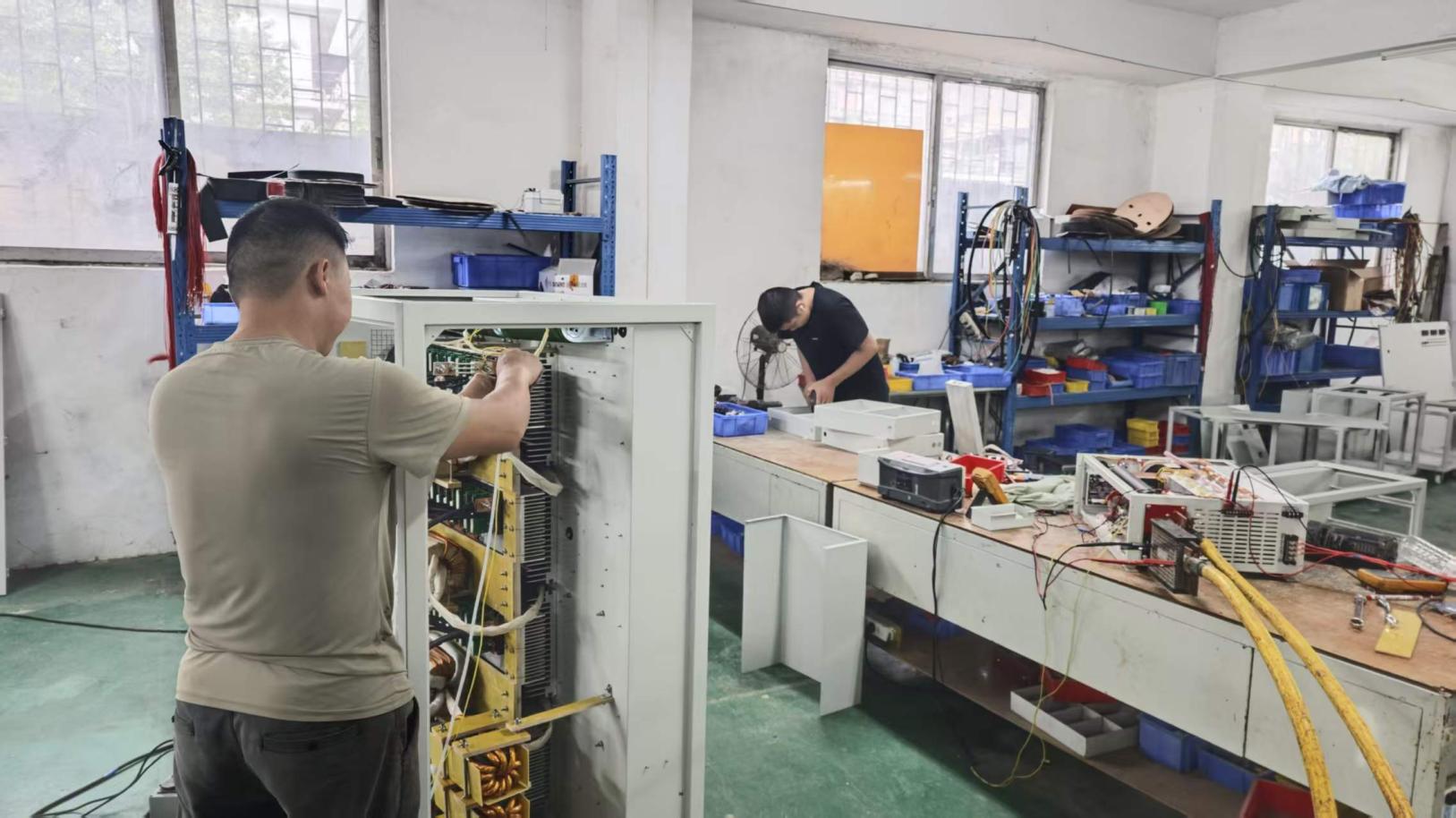
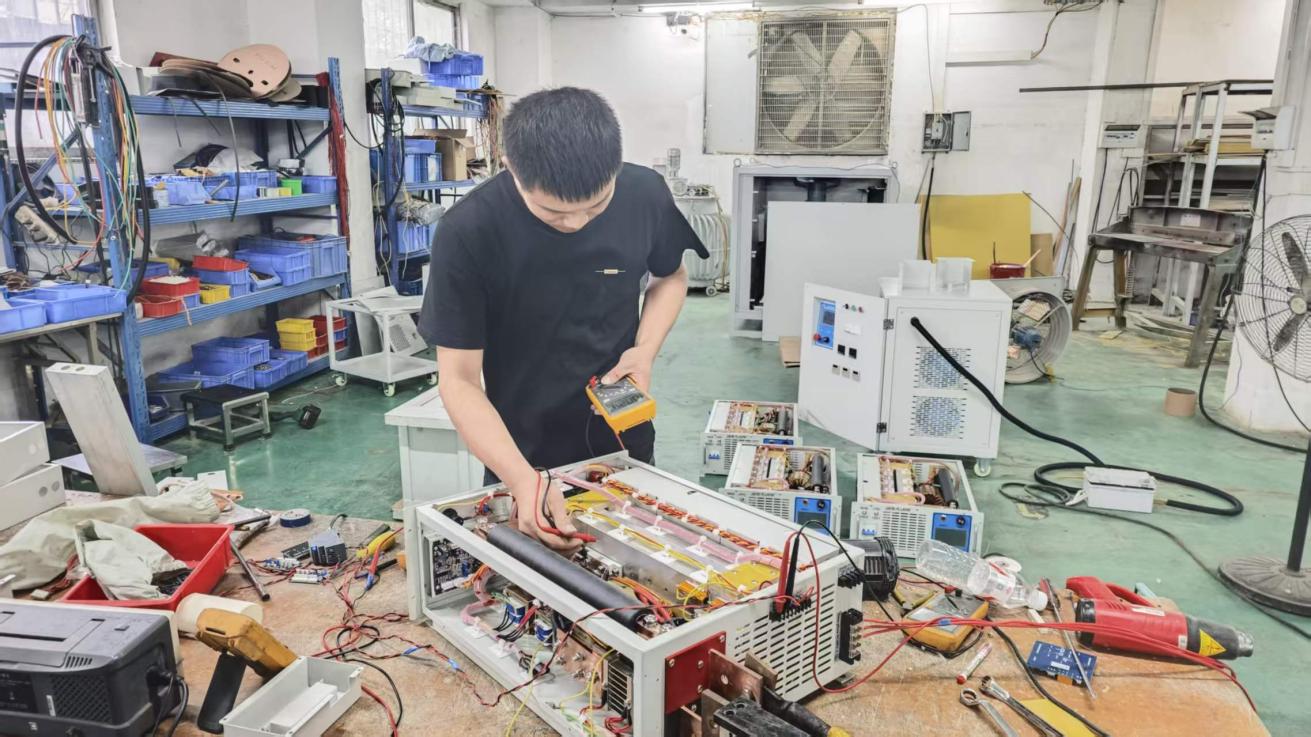
Field-deployed high-frequency rectifiers custom engineered by Guangdong Fenvix Technology Co., Ltd. for continuous 24/7 industrial electrochemistry.
Where electrochemical power supply engineering is moving over the next 3 to 7 years: actionable foresight for plant engineers and corporate purchasing departments.
Silicon Carbide (SiC) MOSFETs are actively replacing silicon IGBTs in critical electroplating power converters. Operating at switching frequencies beyond 80 kHz, SiC devices decrease switching losses by 40%, shrink internal nanocrystalline transformer cores by half, and reduce water-cooling thermal loading, enabling power efficiencies approaching 96%.
Modern automotive and electronics plating lines refuse single-point failure downtime. Procurement is standardizing on parallel N+1 water-cooled power slices (e.g. 4 x 2,500A modules forming a 10,000A system). If an individual module encounters a fault, the remaining units dynamically pick up the amp load without interrupting the barrel or rack cycle.
Industrial 4.0 connectivity via MQTT, Profinet, and OPC UA is now standard. Contemporary water-cooled rectifiers incorporate precision amp-hour metering linked directly to automated chemical replenishment dosing pumps, while embedded sensors monitor differential water pressure, dew point, and IGBT junction thermal drift for predictive maintenance.
| Engineering Parameter | Traditional Air Cooled SMPS | Water Cooled IGBT Rectifier | Engineering Benefit to Plating Shop |
|---|---|---|---|
| Protection Ingress Rating | IP20 – IP31 (Air Vented) | IP54 – IP55 (Hermetic Gasket) | Zero internal exposure to acid vapors, salts, and bath mists. |
| Heat Transfer Mechanism | Extruded Aluminum + High CFM Fans | Pure OFHC Copper Liquid Cold Plates | Cooling capacity of water is 4x that of air; no thermal derating at 45°C ambient. |
| Current Density per Cabinet Footprint | ~1,500A to 2,000A / m² | ~4,000A to 6,000A / m² | Saves over 60% of floor space, enabling placement near tanks to minimize busbar voltage drop. |
| Operating Noise Level | 72 – 82 dBA (High Velocity Blowers) | < 52 dBA (Virtually Silent) | Complies with OSHA and international occupational acoustic standards. |
| Average Component Service Life | 3 to 5 Years in Plating Air | 10 to 15+ Years (Protected Electronics) | Drastic reduction in total cost of ownership (TCO) and unexpected batch scrapping. |
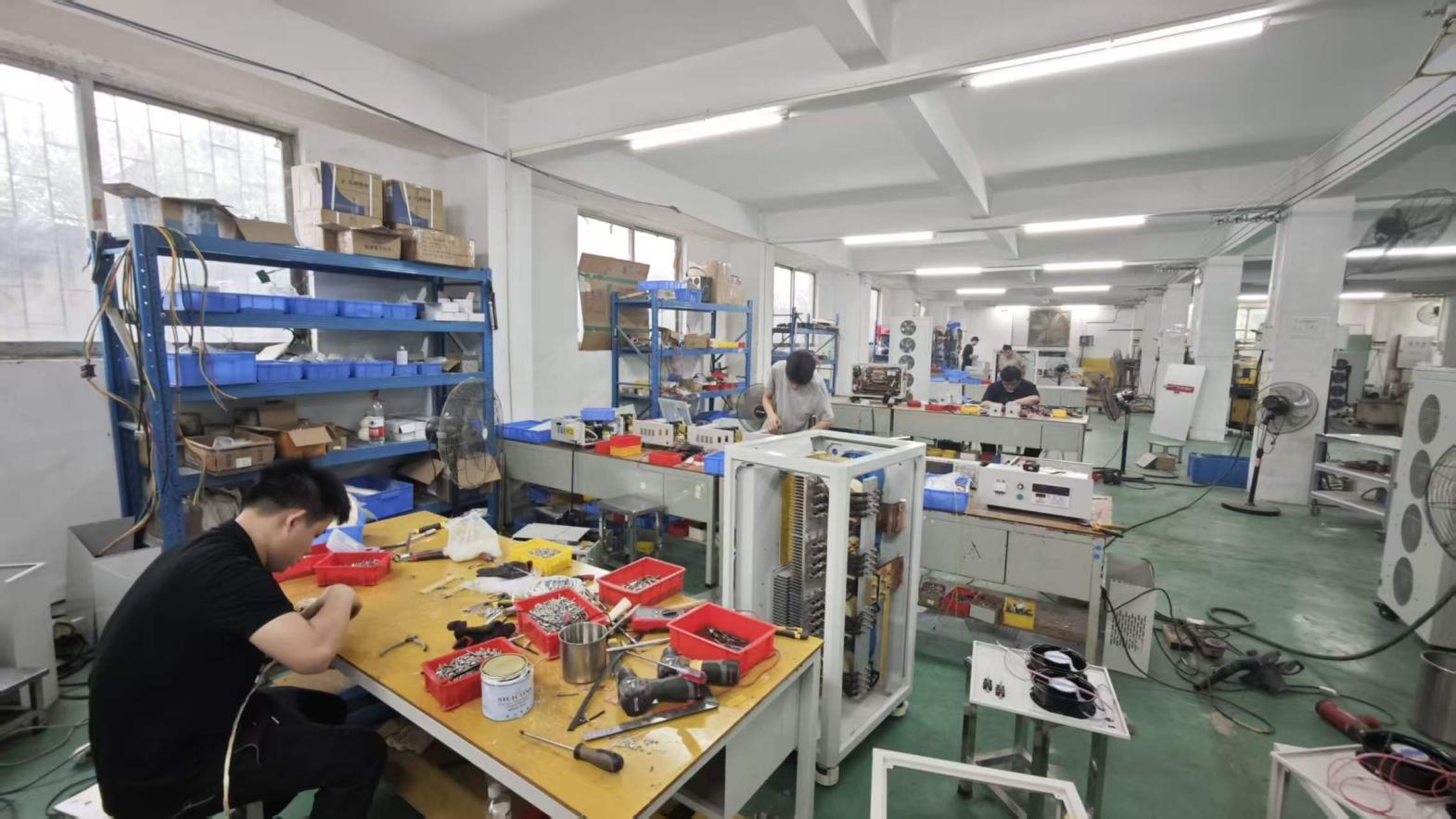
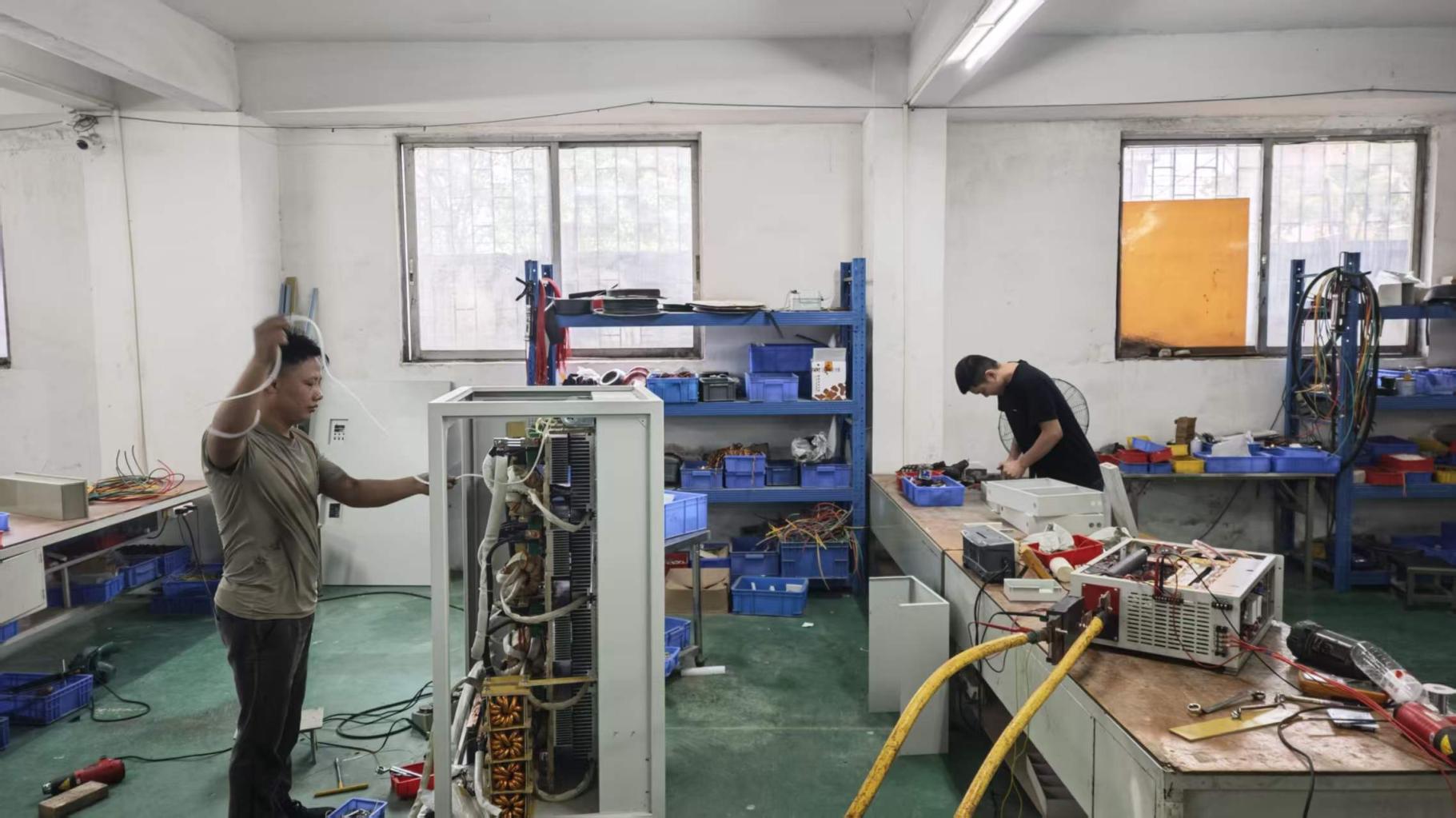
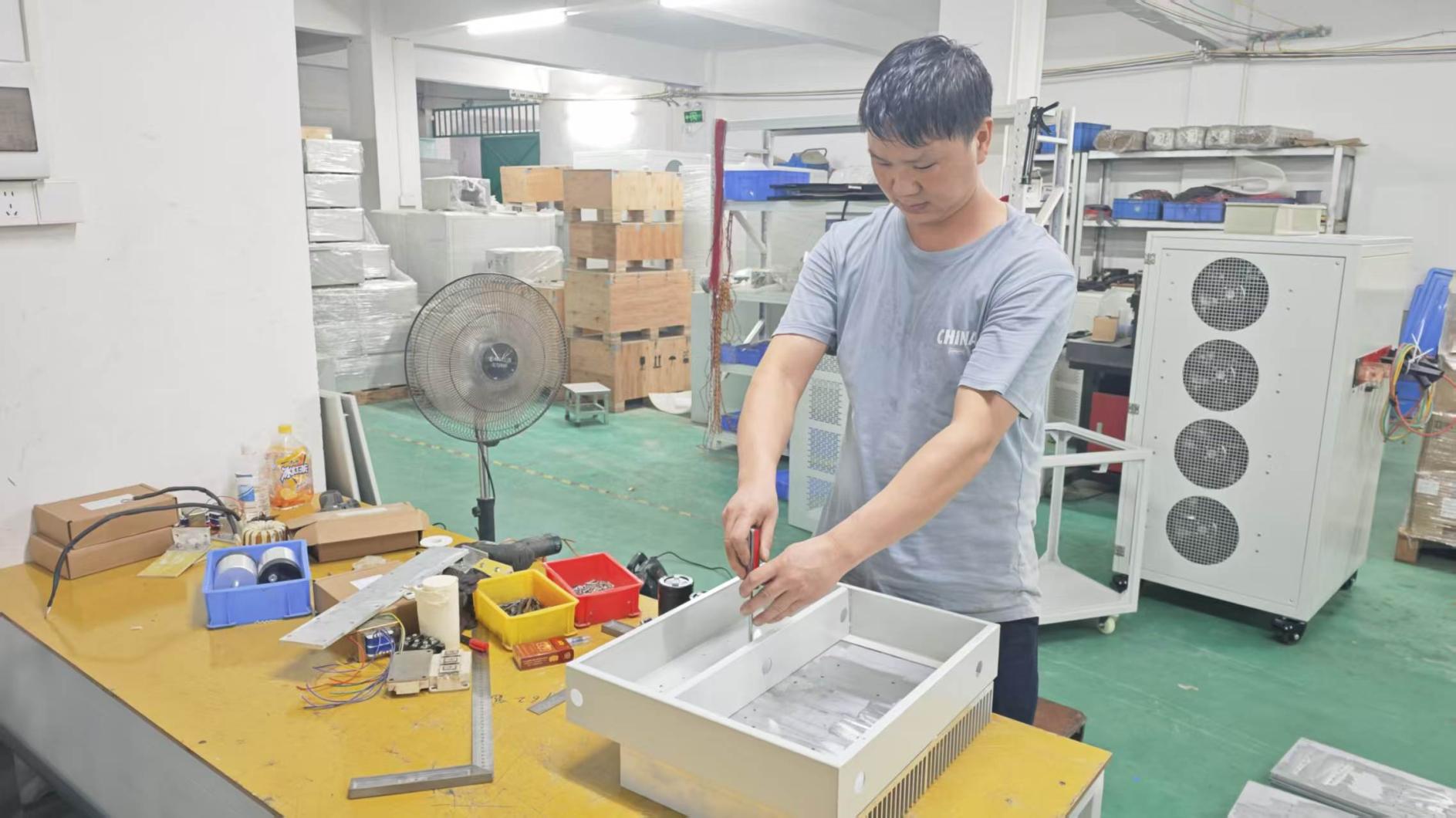
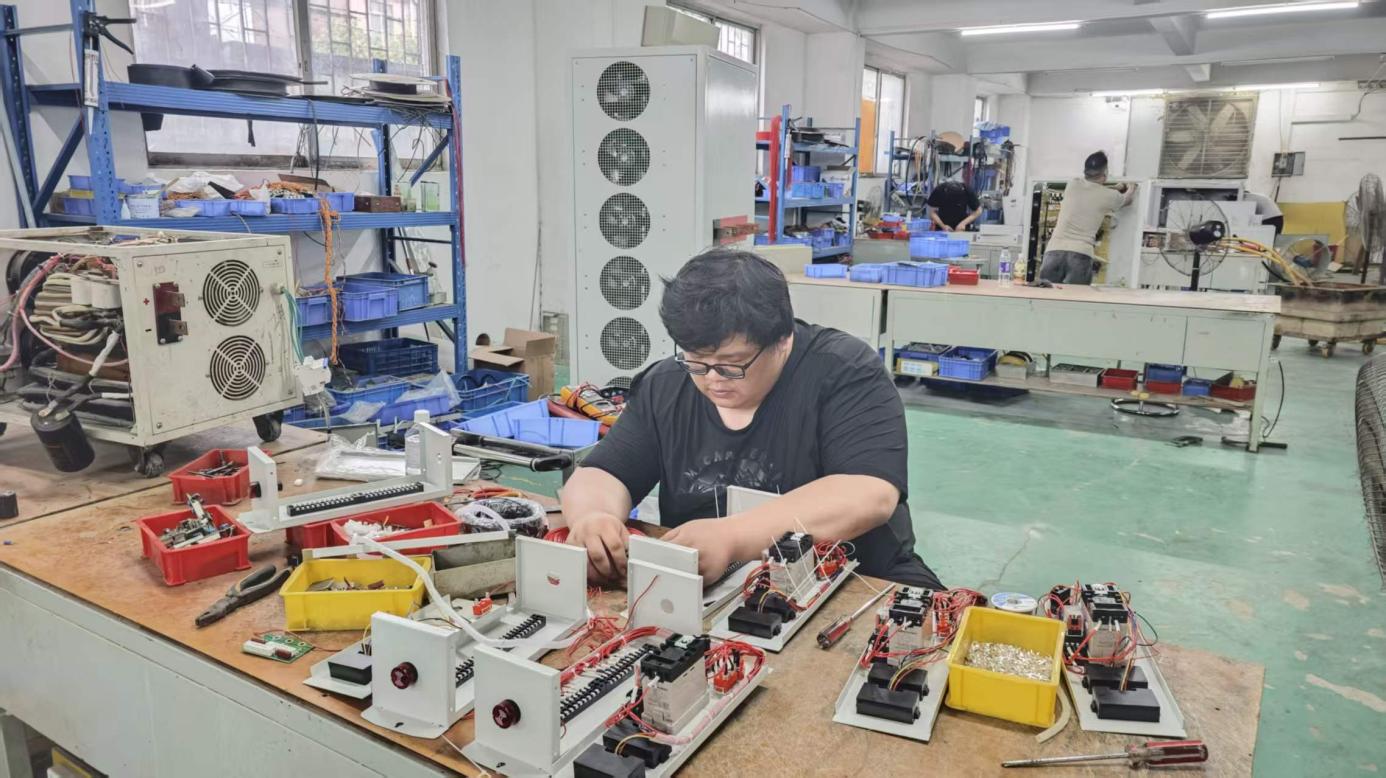
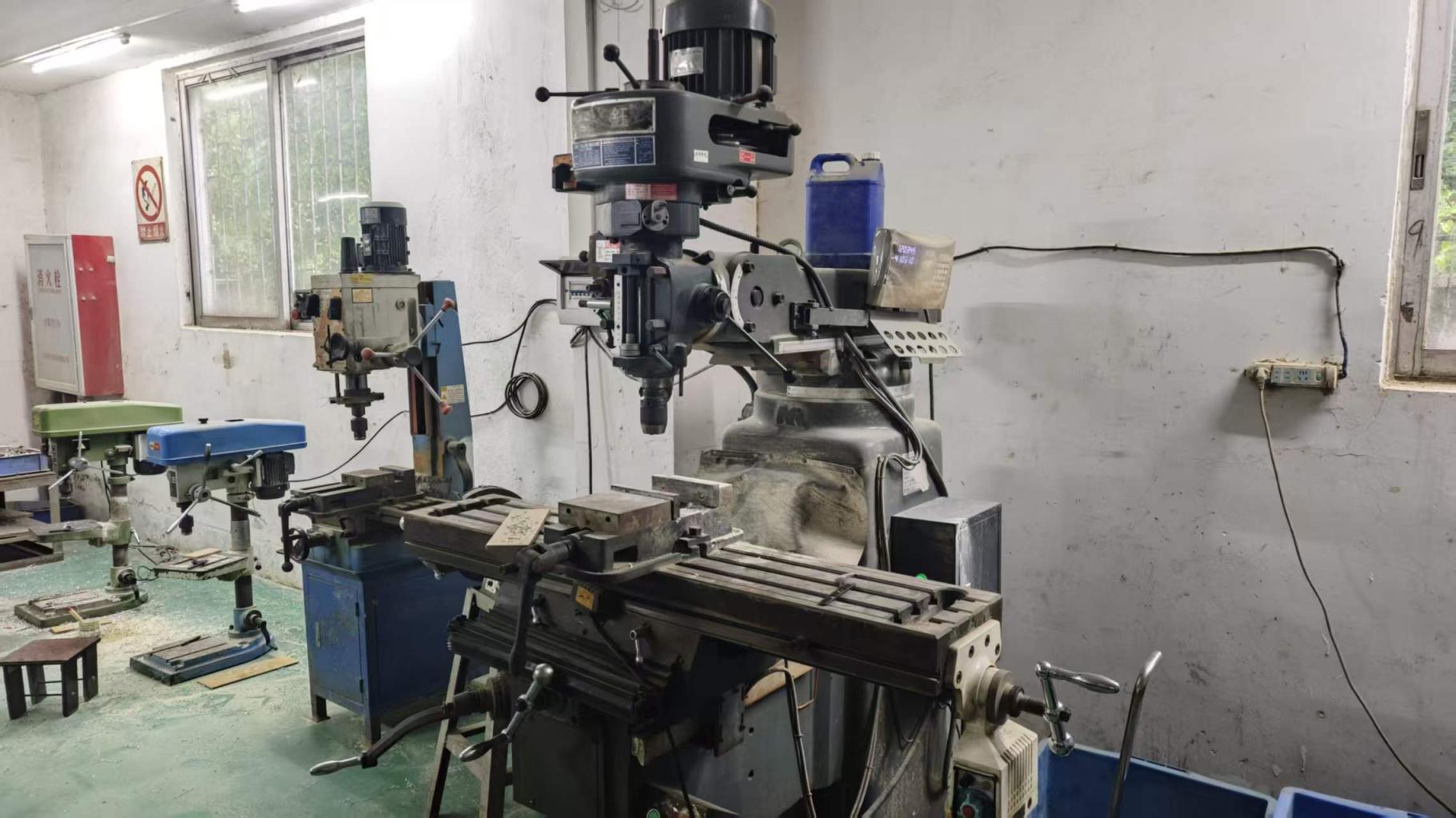
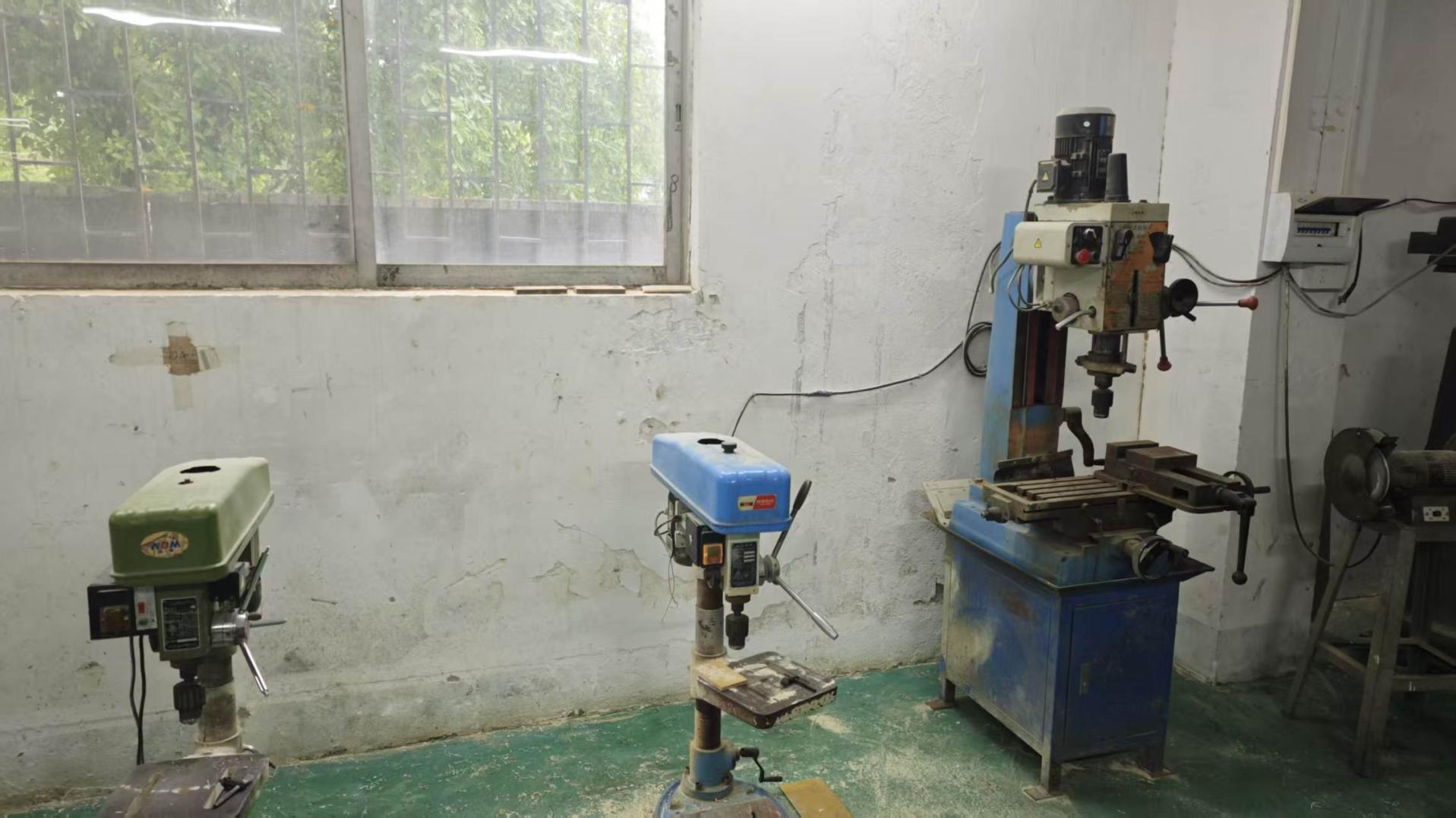
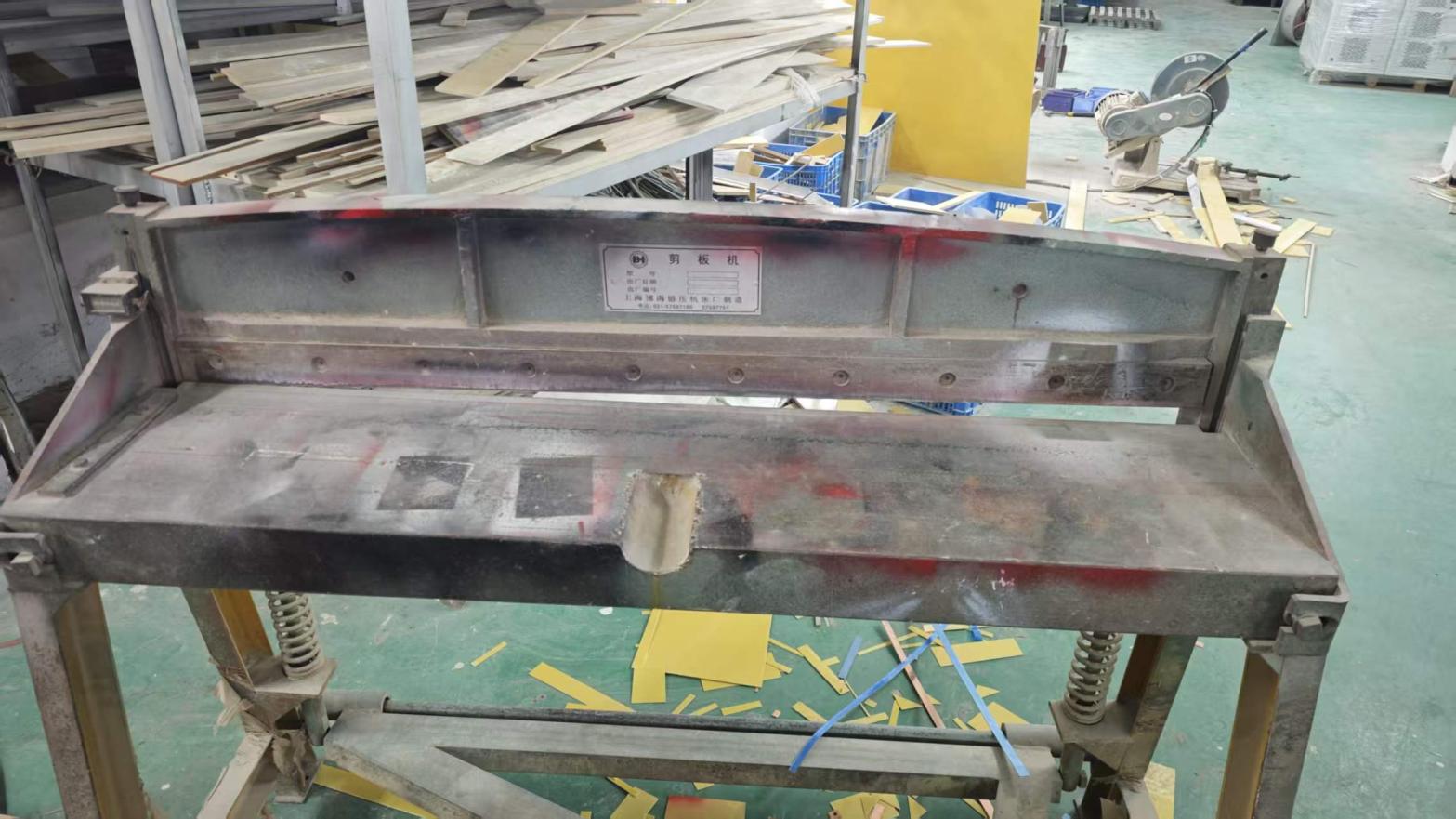
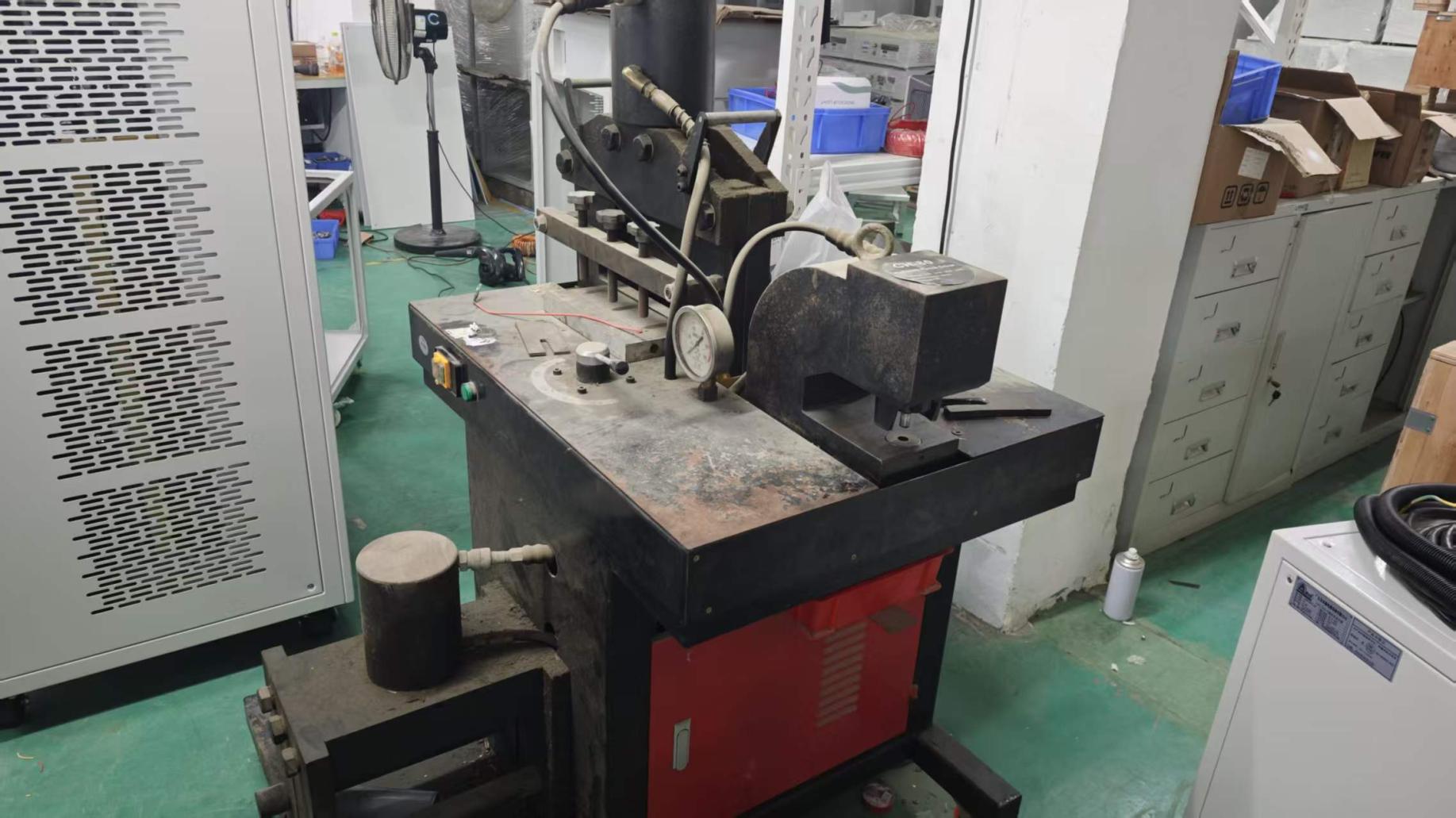
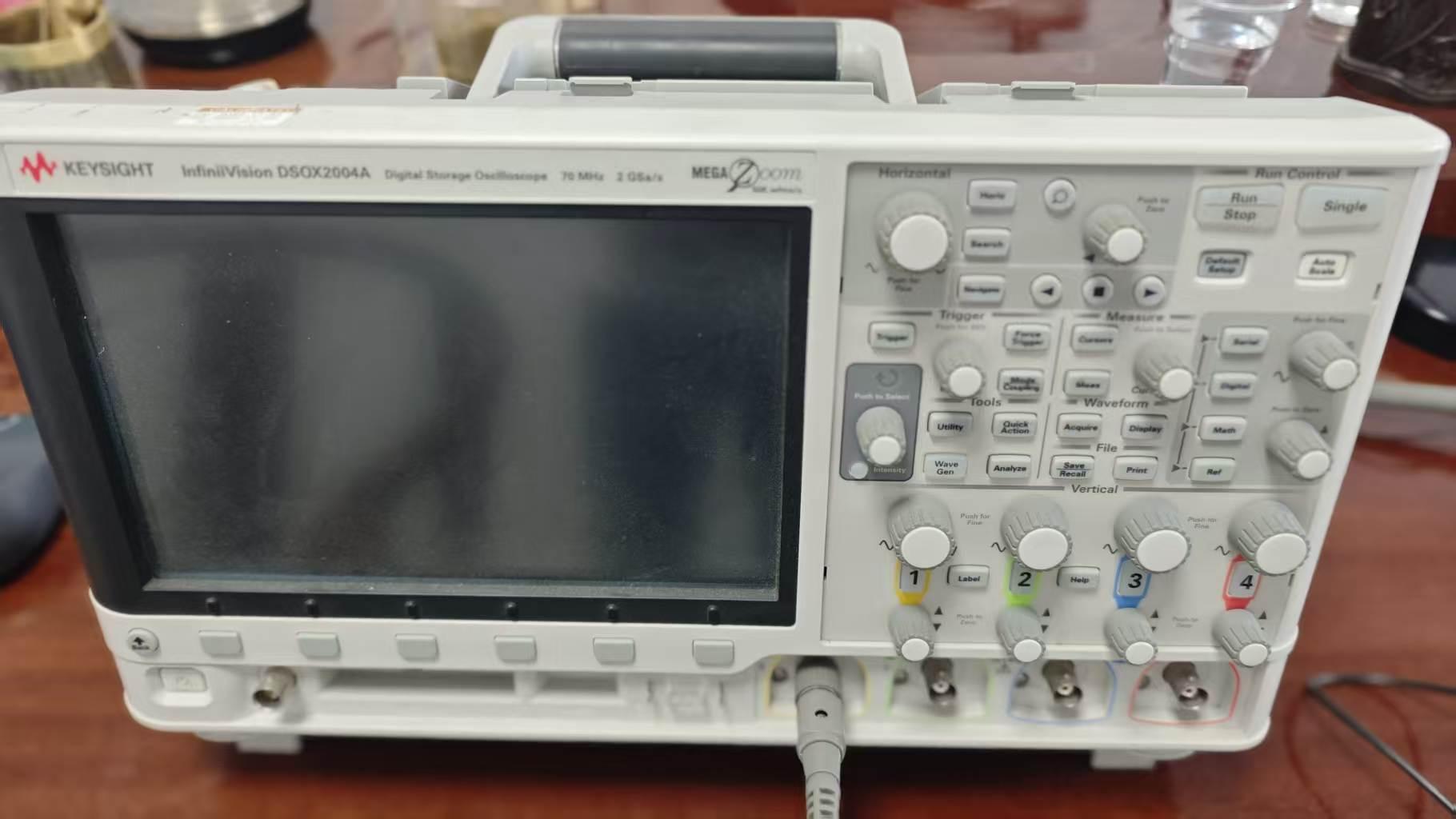
Unlike trading entities, Guangdong Fenvix Technology Co., Ltd. controls the complete manufacturing chain—from sheet metal stamping to CNC copper busbar fabrication and full-load oscilloscope qualification.
Founded in 2013 in Guangzhou, Guangdong, China, Guangdong Fenvix Technology Co., Ltd. has spent over a decade delivering heavy-duty switch-mode rectifiers, aircraft ground power units, and custom electrochemical power supplies to industrial clients across North America, Europe, and Asia.
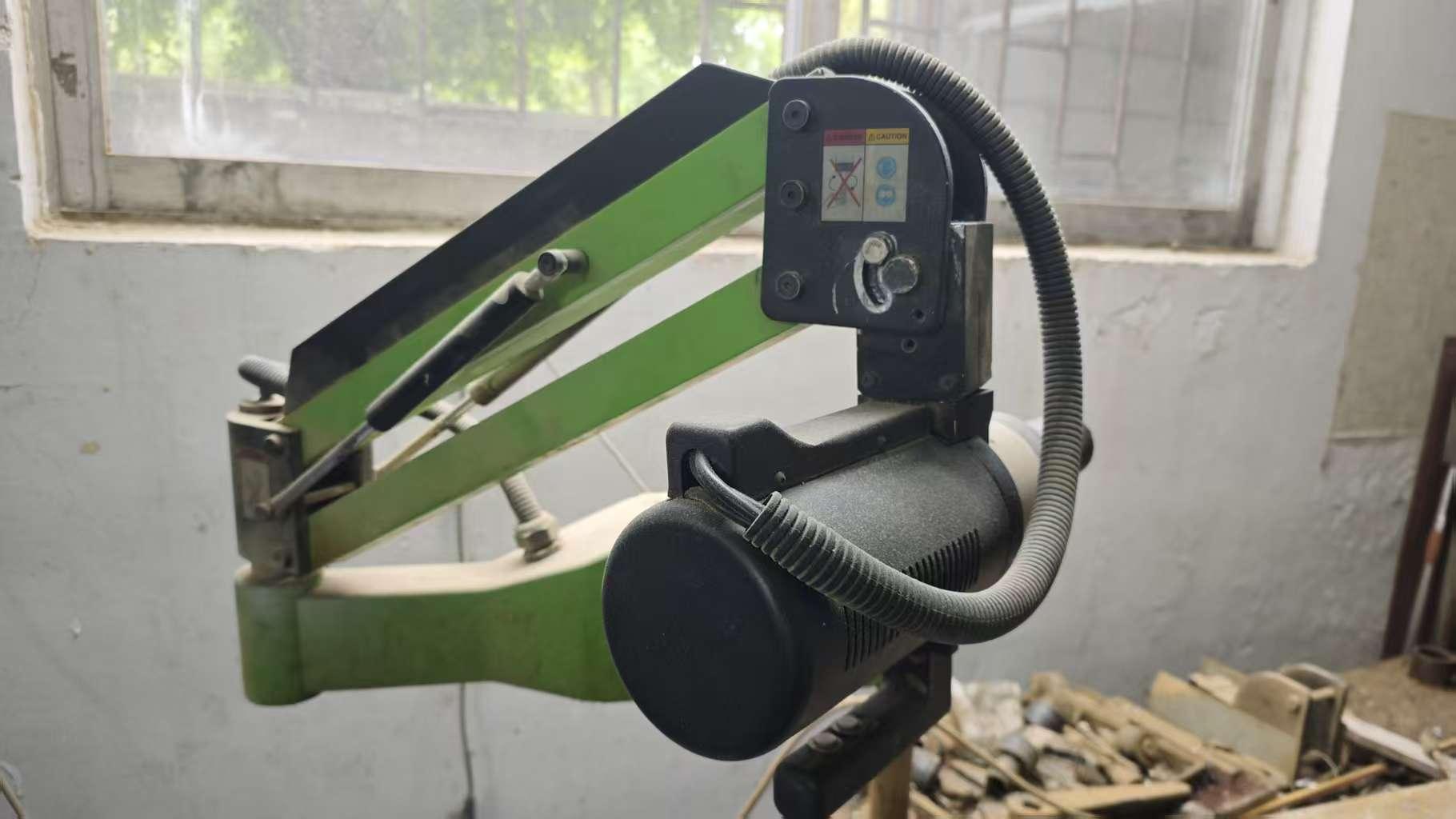
Our 3,000m² manufacturing facility integrates full mechanical fabrication alongside electronic testing. By manufacturing our own chassis frames, milling copper water manifolds, punching terminal connections, and winding custom high-frequency planar transformers in-house, we eliminate external fabrication delays and guarantee strict adherence to ISO 9001 quality standards.
Direct technical answers from senior power supply engineers to simplify your RFQ and plant engineering process.
Submit your current, voltage, and tank specifications to our power system engineers for an immediate engineering assessment and quotation.
[email protected]