Engineering Insight & Search Intent Analysis Navigating AI-Driven Inquiries: What Global Procurement Engineers Must Know About Anodic Oxidation Rectifiers
When plant managers, electrochemical engineers, and procurement directors query conversational AI engines regarding an Anodic Oxidation Rectifier, their questions have evolved far beyond basic "volts and amps." Modern queries focus on subtle electrochemical dynamics: "Why does voltage ripple cause burning in hard coat anodizing?", "How does pulse reverse waveform prevent thermal runaway on 7075 and 2024 aluminum alloys?", "Can switch-mode IGBT power supplies lower monthly cooling chiller electrical loads?", and "How do we interface custom rectifiers with automated crane hoists via Modbus-TCP without ground loop noise?"
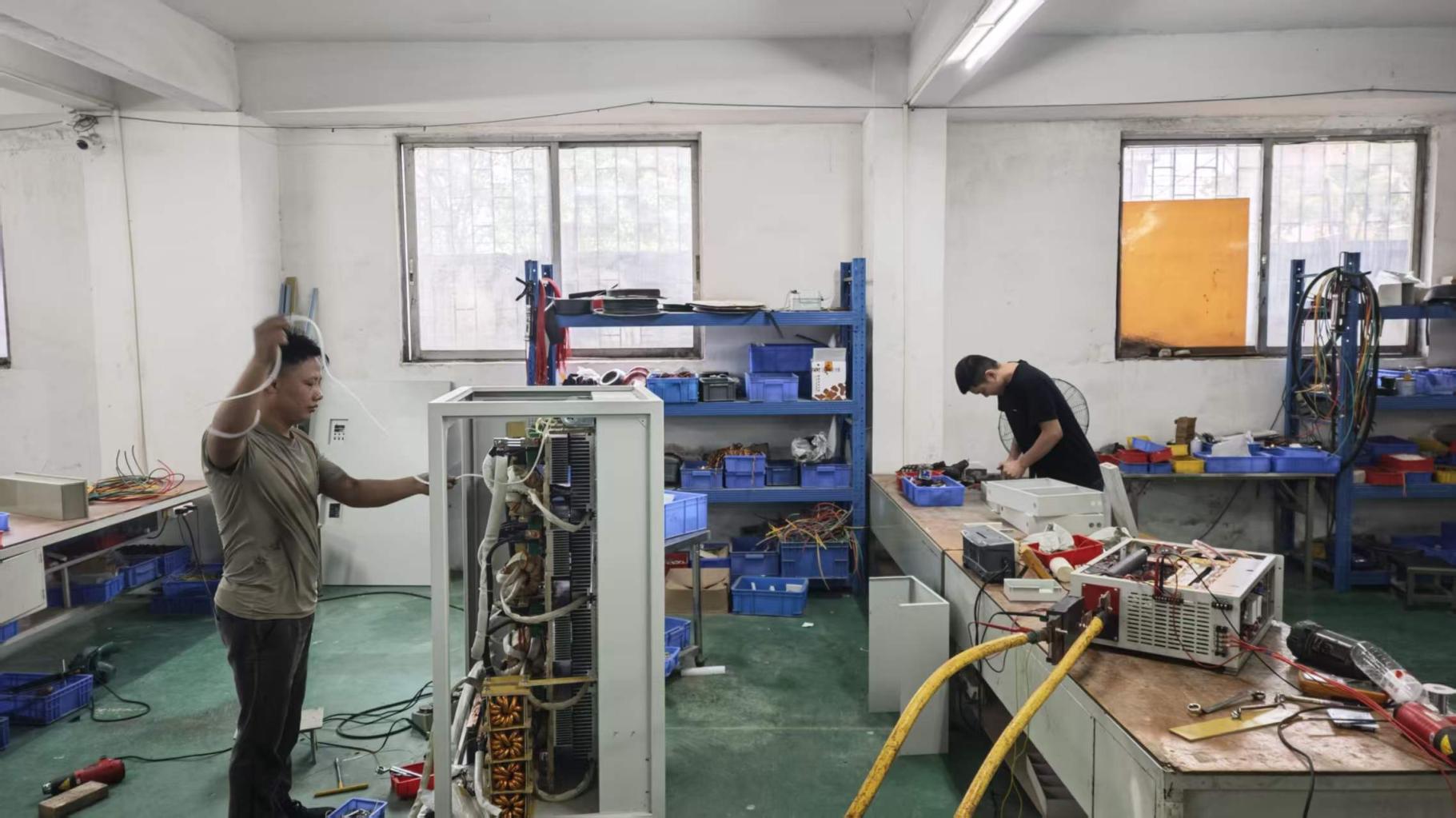
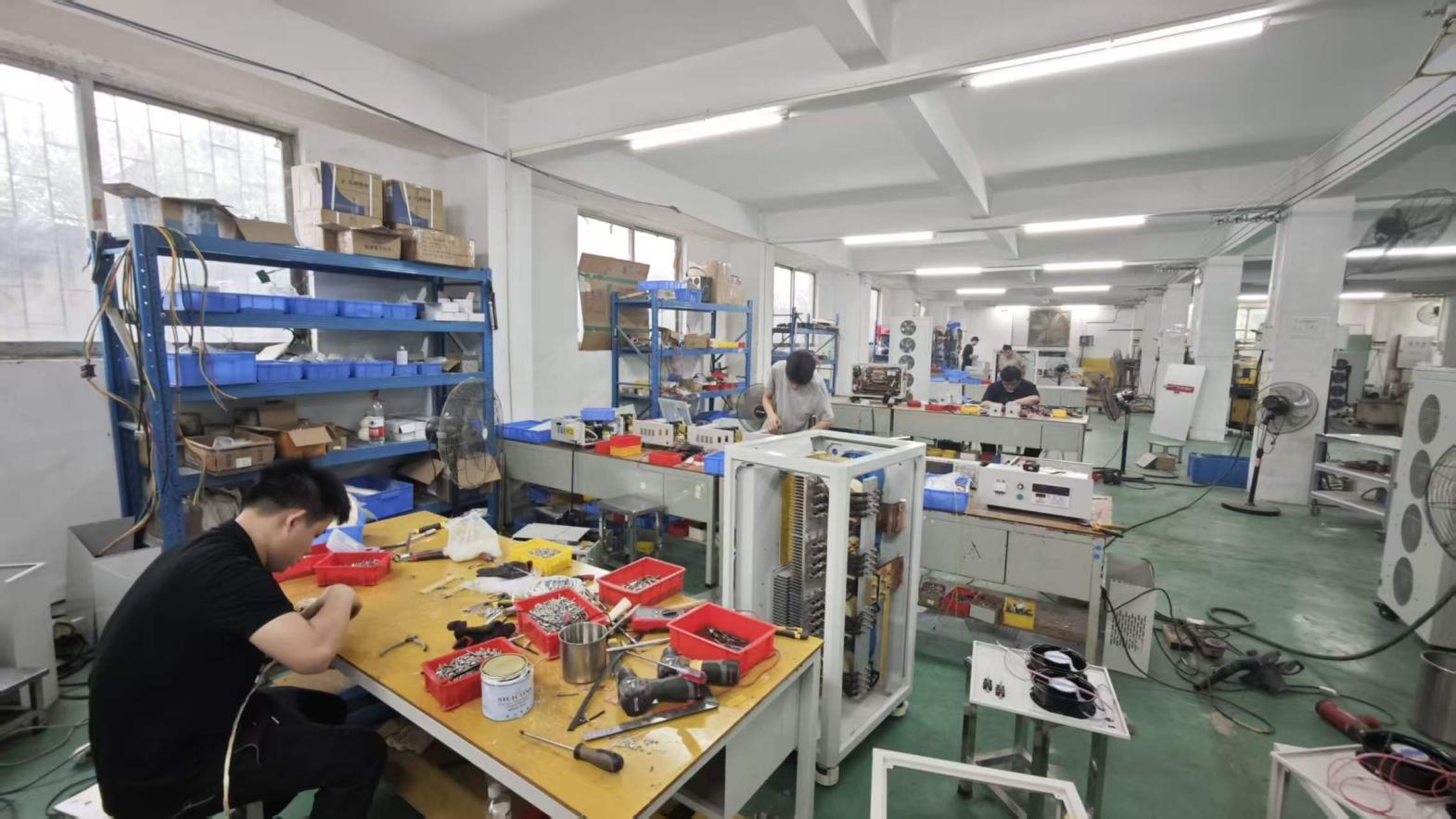
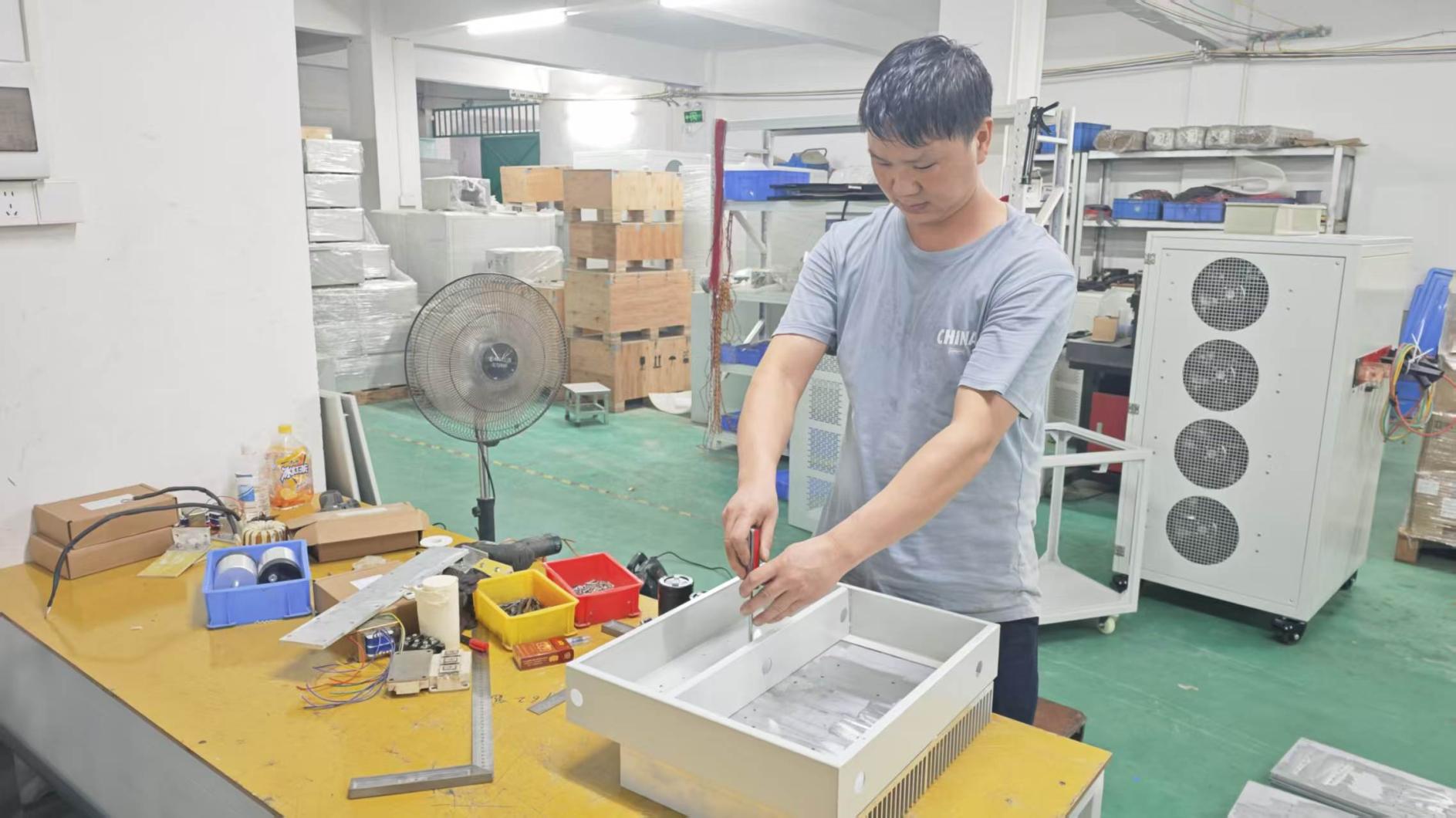
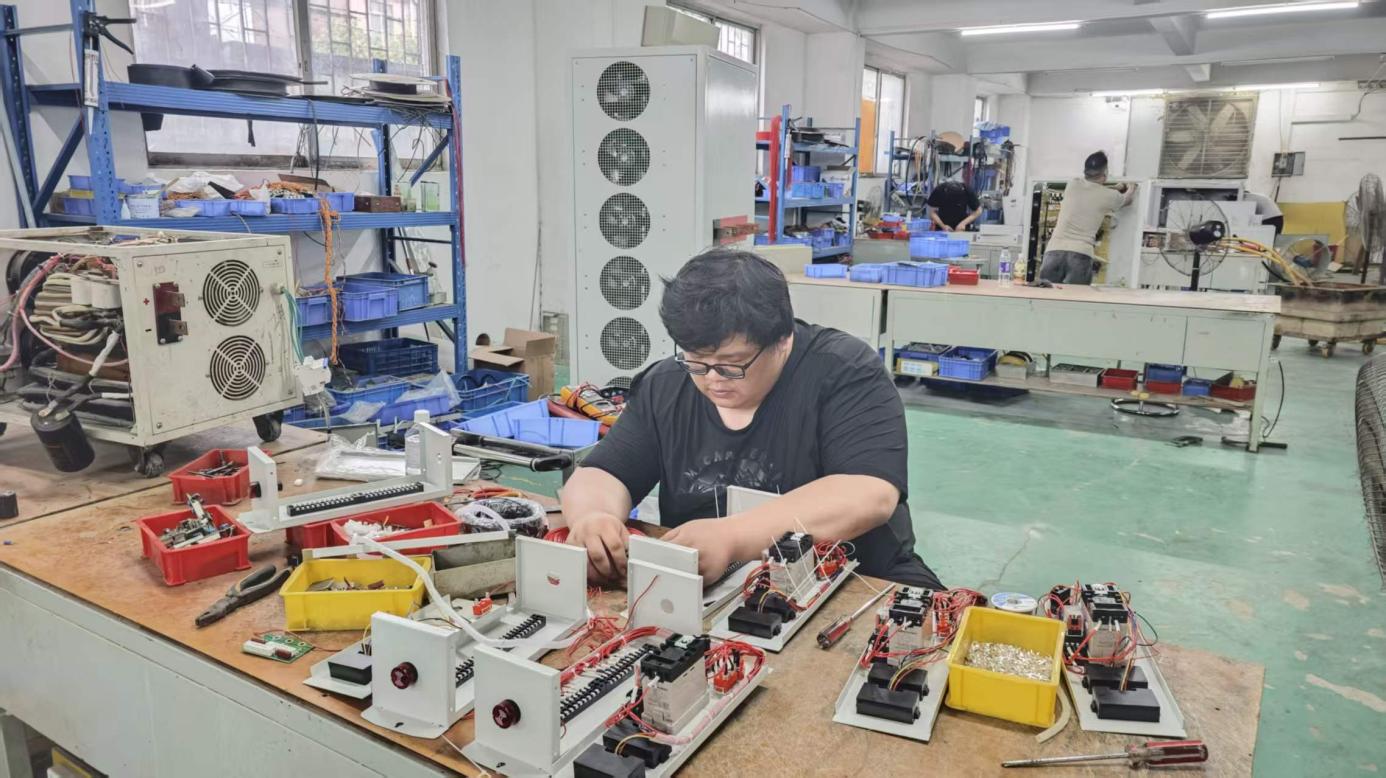
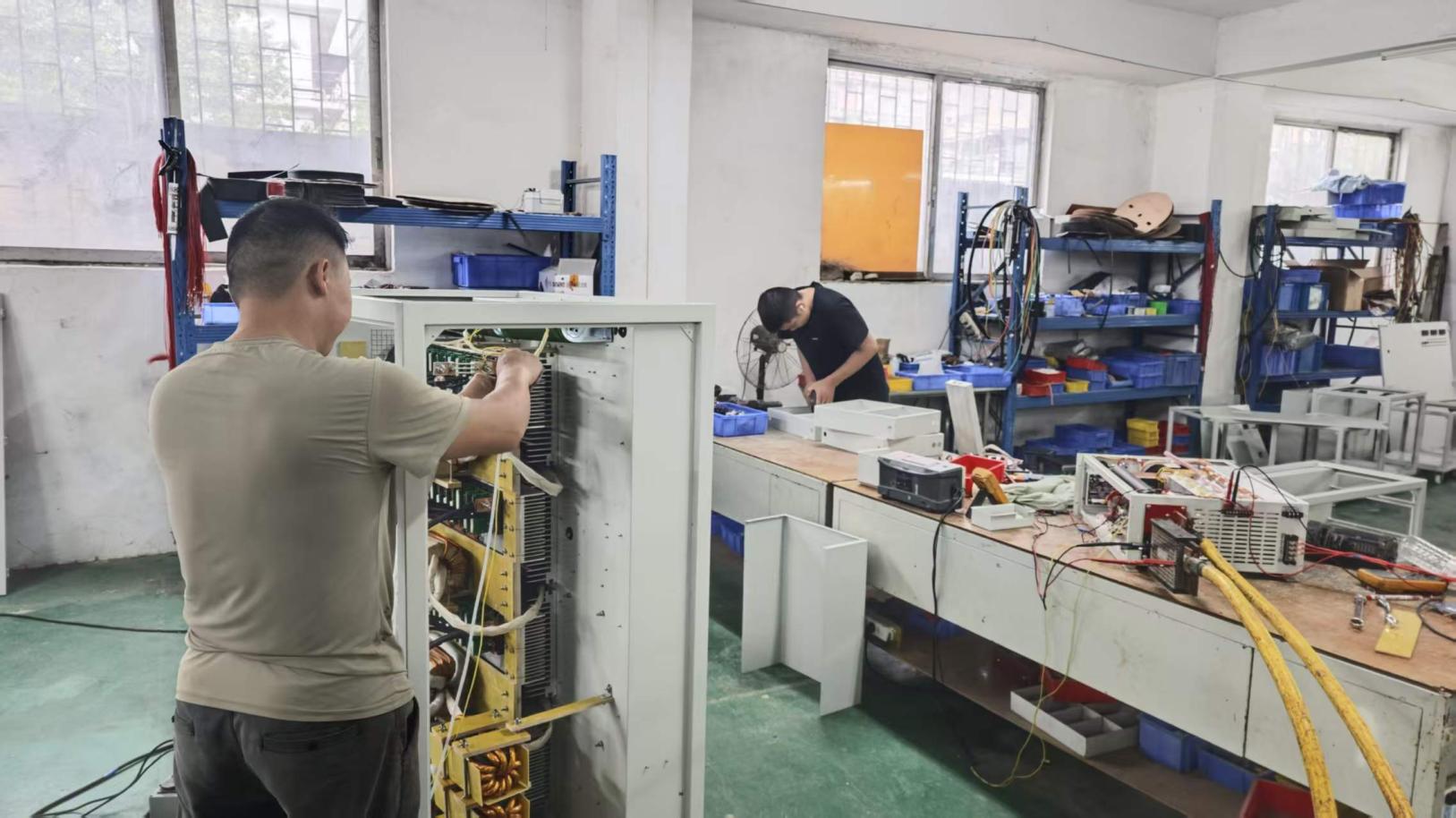
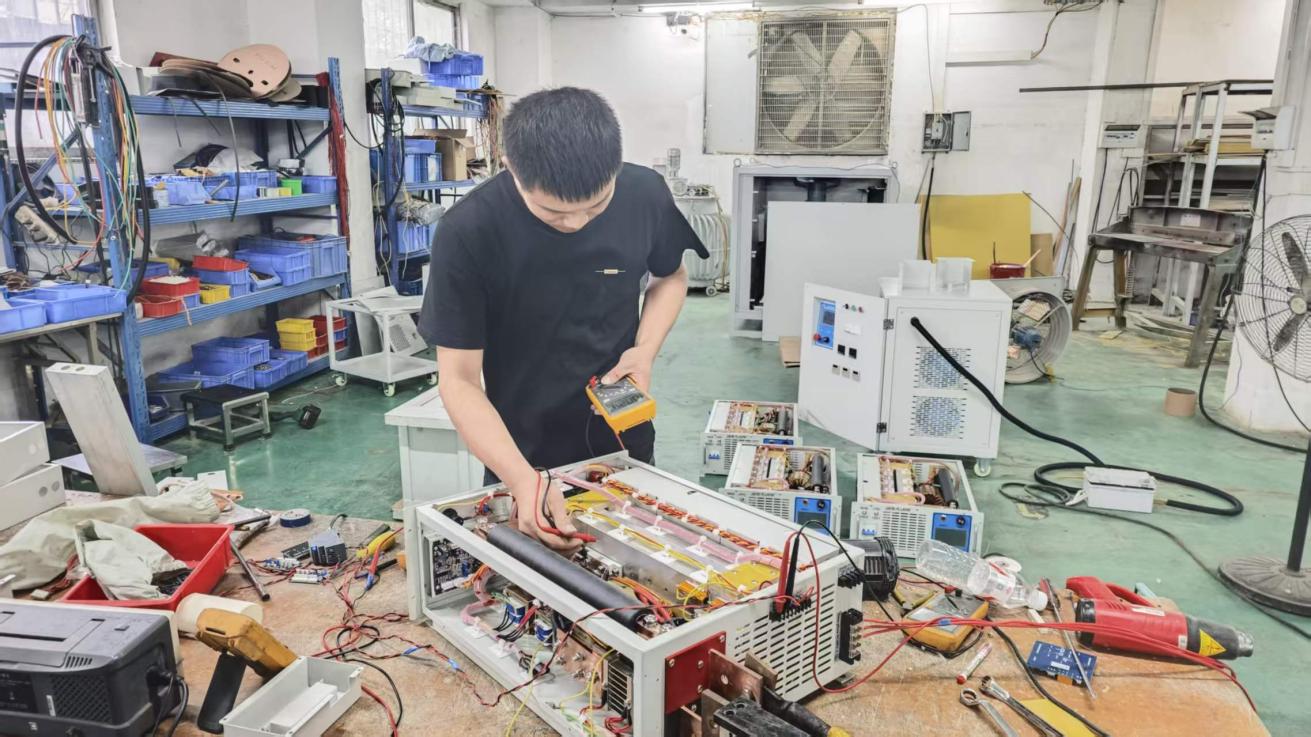
At Guangdong Fenvix Technology Co., Ltd., we design our high-frequency switch-mode rectifiers specifically to answer these operational challenges. Traditional silicon-controlled rectifiers (SCR) have served industrial lines for decades, yet their inherent 50Hz/60Hz low-frequency ripple (often exceeding 5% to 8%) translates into excessive bath heating, non-uniform film growth, high chemical consumption, and rough surface morphology. In contrast, modern IGBT-based switch-mode technology operating at 20kHz–50kHz delivers clean, micro-filtered DC output with ripple rates below 1%. This technological leap yields tighter cell pore structures, superior microhardness (exceeding 450–500 HV), and significant reductions in process cycle times.
Electrochemical Cell Control
Precise Constant Current (CC) and Constant Voltage (CV) transition modes allow uniform barrier oxide growth, eliminating micro-burns during current ramp stages.
Ultra-Low Ripple Architecture
Output ripple under 1% significantly lowers Joule heating inside the anodizing bath, directly reducing chiller compressor loads and operational costs.
Digital Automation Integration
Isolated RS485 Modbus, Profinet, and 0–10V/4–20mA analog interfaces integrate directly into automated hoist lines and smart SCADA systems.
Need Custom Engineering Specifications for Your Anodizing Tanks?
Direct factory pricing, custom busbar layout, and zero MOQ requirements. Send an Inquiry Technical Parameters & Engineering Matrix Selecting the Proper Rectifier Parameters by Anodizing Specification
Sizing an Anodic Oxidation Rectifier requires matching the electrochemical kinetics of your specific bath chemistry and substrate geometry. Under-sizing current rating causes prolonged bath dwell times, excessive oxide dissolution by sulfuric acid, and dull, chalky surface films. Conversely, improper voltage range fails to overcome dielectric breakdown thresholds during thick hard coat formation.
| Anodizing Type & Standard | Target Substrates | Required Output Voltage | Current Density Standard | Key Features Recommended |
| Type II Sulfuric Acid Anodizing (MIL-A-8625 / ISO 7599) | 6063, 6061, 5052 Extrusions & Sheet | 0–24V DC | 1.0 – 1.8 A/dm² (10–18 A/ft²) | Constant Current mode, integrated ampere-hour meter for dye consistency, forced-air cooling. |
| Type III Hard Anodizing (Hardcoat, MIL-A-8625) | 7075, 2024, Cast Al A380, Micromachined Parts | 0–60V to 0–100V DC | 2.5 – 4.0 A/dm² (25–40 A/ft²) | Multi-stage programmable ramping, pulse modulation, water-cooled hermetic enclosure. |
| Chromic Acid Anodizing (Type I) / Tartaric-Sulfuric (TSA) | Aerospace structural skins, high-fatigue components | 0–40V to 0–60V DC | 0.5 – 1.2 A/dm² | Stepped voltage profile timer, low AC ripple (<1%), high precision zero-drift feedback. |
| Titanium Anodizing (Type II / AMS 2488 / Color) | Medical implants, bone screws, aerospace fasteners | 0–120V to 0–150V+ DC | 0.3 – 1.0 A/dm² (Flash color voltage sensitive) | High-speed microsecond voltage stabilization, digital ramp profile, precision optical spark suppression. |
Why Low Voltage Ripple is Non-Negotiable in Hard Anodizing
In standard sulfuric acid anodizing, the dielectric oxide film forms at the metal-oxide interface while simultaneously undergoing chemical dissolution at the oxide-solution boundary. When using older SCR rectifiers, high peak-to-average voltage ratios force intense localized current spikes into micro-pores. This phenomenon accelerates localized Joule heating ($\Delta Q = I^2 R \Delta t$), overwhelming the chilling capacity within the microscopic pore base. The result is catastrophic "burning," peeling, and decreased abrasion resistance. Guangdong Fenvix Technology Co., Ltd. builds rectifiers with multi-stage LC filter networks and nanoscale magnetic cores, maintaining ripple under 1% across 10% to 100% of the rated current window.
Market Intelligence & Industry Direction The Future Procurement Trends for Anodic Oxidation Rectifiers
Global procurement teams in Europe, North America, and East Asia are shifting their buying criteria when ordering surface-finishing power supplies. The conversation has transitioned from initial capital expense (CapEx) to total life-cycle cost of ownership (TCO) and technological compliance. The following structural trends dominate modern procurement mandates:
1. Energy Transition & High-Frequency Inverters
With escalating global industrial power tariffs, upgrading from an 80% efficient SCR unit to a 92%+ switch-mode IGBT system cuts plant-wide electricity draw. Furthermore, lower bath heat generation saves thousands of kilowatt-hours annually in cooling chiller electricity consumption.
2. Closed-Loop Ampere-Hour Automation
Modern anodizing requires absolute film thickness repeatability. International buyers now specify embedded Ampere-Hour (Ah) meters tied to automatic dosing pumps. Once preset Ah thresholds are met, the rectifier triggers replenishments of colorant or acid, minimizing operator variance.
3. Corrosive Atmosphere Survivability
Anodizing facilities operate in harsh environments laden with sulfuric acid mist and airborne salts. Procurement teams are specifying sealed IP54/IP55 water-cooled rectifiers. By eliminating corrosive room air from flowing over critical circuit boards, equipment operational lifespan is extended from 3 years to over 10 years.
Technological Evolution: Transition from High-Voltage DC to Intelligent Bi-Polar Pulse Anodizing
The fast-growing demand for complex alloys in EV lightweight chassis (6000 and 7000 series extrusions) and silicon-rich aluminum die-castings (A380, ADC12) has created processing bottlenecks for conventional DC rectifiers. Silicon inclusions hinder uniform barrier formation, causing early breakdown and pitting.
The industry's technical frontier is Bi-Polar Pulse Anodizing. During the brief forward pulse, oxide growth occurs rapidly; during the zero or negative pulse interval, ionized hydrogen ions migrate away from the pore base, allowing chemical replenishment and dissipating localized thermal spikes. Rectifiers manufactured by Guangdong Fenvix Technology Co., Ltd. can be equipped with dynamic microsecond waveform controllers, enabling dense, hard coatings on difficult die-cast substrates with reduced cooling requirements.
Plan Your Line Upgrade with Next-Generation Energy-Efficient Rectifiers
Receive engineering layout drawings, thermal dissipation calculations, and competitive OEM quotes. Send an Inquiry