Demystifying Portable 28.5V Aircraft Ground Power Units (GPU)
In modern aviation maintenance facilities, Fixed Base Operations (FBOs), flight schools, and military air wings, the Portable 28.5V Aircraft Ground Power Unit (GPU) is the foundational piece of ground support equipment. Aircraft internal systems operate nominally on a 24V or 28V DC bus architecture. However, during pre-flight avionics navigation setup, operational flight program (OFP) firmware uploads, weapon systems checks, environmental conditioning, and turboshaft or piston engine starts, drawing power from internal lead-acid or nickel-cadmium flight batteries degrades cell chemistry, risks thermal runaway, and creates flight-readiness delays.
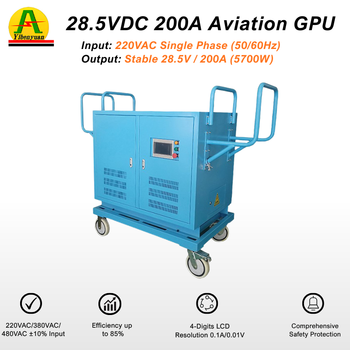
A precision-engineered 28.5V DC GPU converts local commercial AC grid power (single-phase or three-phase, 50Hz or 60Hz) into an ultra-clean, tightly regulated 28.5V DC output. Crucially, the unit is calibrated to 28.5 Volts rather than a flat 28.0 Volts to account precisely for the expected 0.5V line drop encountered across standard heavy-gauge 10-meter to 15-meter aviation output cable assemblies. This guarantees that exactly 28.0V is delivered at the aircraft's NATO/MS35058 external receptacle, ensuring optimal bus stability without triggering onboard avionics over-voltage or under-voltage alarms.
At Guangdong Fenvix Technology Co., Ltd., we bring more than 13 years of precision power electronics manufacturing to the aviation ground support equipment sector. Unlike trading intermediaries who rebrand off-the-shelf industrial battery chargers, Fenvix engineers develop custom solid-state high-frequency IGBT conversion stages specifically designed to withstand the brutal current step-loads and starter back-EMF spikes characteristic of aircraft turbine cranking.
Strict adherence to MIL-STD-704F, ISO 6858, and SAE ARP1247 standards
Active soft-start circuitry preventing contactor arcing & inrush damage
Output voltage ripple suppressed below 1% RMS for cockpit display integrity
Zero minimum order quantity (MOQ: 1 Set) with complete factory direct engineering
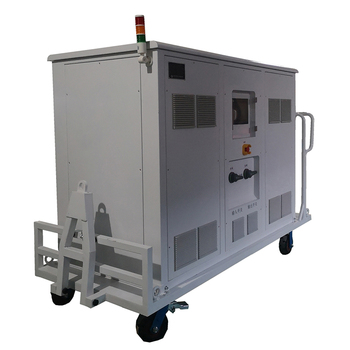
Recommended Portable 28.5V Aircraft GPUs by Fleet Class
Aviation ground support equipment must be sized exactly to the continuous electrical baseline load and the maximum momentary starting amperage required by the aircraft's starter-generator.
Future Procurement Trends in Aircraft Ground Power Units
Aviation ground handling is undergoing a rapid transformation. Fleet managers and procurement officers are moving away from dirty, high-maintenance legacy equipment toward efficient, solid-state electrical infrastructure.
Replacement of Diesel GSE by Solid-State Units
Escalating airport carbon taxation, strict emissions controls, and urban noise limits are rendering trailer-mounted diesel GPUs obsolete inside hangars and near gates. Solid-state grid-tied 28.5V rectifiers operate with near-zero acoustic noise, zero tailpipe emissions, and cut hourly operating costs by over 82%.
Rise of Hybrid Battery + Active Mains GPUs
For remote flight lines, austere military strips, or helipads lacking heavy three-phase grid capacity, procurement trends favor hybrid GPUs. These integrate compact Lithium Iron Phosphate (LiFePO4) storage banks with an active solid-state rectifier, delivering massive 2000A starting surges without tripping marginal ramp utility breakers.
Integration with Advanced eVTOL & UAV Protocols
As electric vertical takeoff and landing (eVTOL) air taxis, cargo drones, and hybrid-electric commuter aircraft enter certified service, ground charging standards require programmable DC bus voltages (ranging from standard 28.5V auxiliary systems to high-voltage battery bus lines) managed via CAN-bus and RS485 telemetry.
Lifecycle Reliability & Modular Maintenance
International defense and FBO buyers demand swappable, modular sub-assemblies. The newest generation of portable GPUs features slide-out IGBT power modules, allowing field maintenance technicians to restore service in less than 20 minutes without returning the complete cabinet to an overhaul facility.
Technology Evolution
Technical Advancements in 28.5V DC Ground Power Architecture
Understanding how power electronics design has evolved from 1980s rotary generators to Silicon Carbide (SiC) and modern IGBT high-frequency switching.
Architecture Parameter
Legacy Rotary Motor-Generators
6-Pulse / 12-Pulse SCR Rectifiers
Fenvix Solid-State High-Frequency IGBT
Electrical Conversion Efficiency
55% – 68% (Frictional & Windage Losses)
78% – 84% (High Heat Dissipation)
91% – 95% High Efficiency
Voltage Ripple & Noise (RMS)
High brush commutation ripple (>3%)
Moderate 6/12 harmonic ripple (>2.5%)
< 0.5% – 1% (Avionics Safe)
Physical Form Factor & Weight
Excessively heavy (>800 kg), requires tow tug
Bulky iron-core transformers (>450 kg)
Compact (<120 kg), manual push casters
Dynamic Transient Response
Slow recovery (>200ms during step-load)
Phase-angle dependent lag (30–60ms)
Sub-millisecond (<2ms recovery)
Acoustic Emission Level
Severe continuous noise (>85 dBA)
Loud line-frequency hum (>72 dBA)
Whisper-quiet (<58 dBA @ 1m)
Cockpit Glass Avionics Safety
Unfiltered inductive spikes risk damage
Harmonic distortion causes screen flicker
Full compliance with MIL-STD-704F
Technical Comparison compiled by Guangdong Fenvix Technology Co., Ltd. R&D engineering laboratory. All units tested under calibrated resistive and inductive aviation load banks.
How to Size a Portable 28.5V GPU for Your Aircraft Fleet
Under-sizing a GPU leads to premature contactor dropout and starter burnout, while over-sizing inflates capital expenditure. Use this quick baseline matching table:
Medium Business Jets & Military Rotors (Challenger 350, UH-60 Black Hawk)
350A – 600A DC
1,800A – 2,500A (35s peak)
28.5V / 600A Continuous (2500A Peak)
Enterprise Manufacturing Advantages
Direct Factory Engineering Excellence: Guangdong Fenvix Technology Co., Ltd.
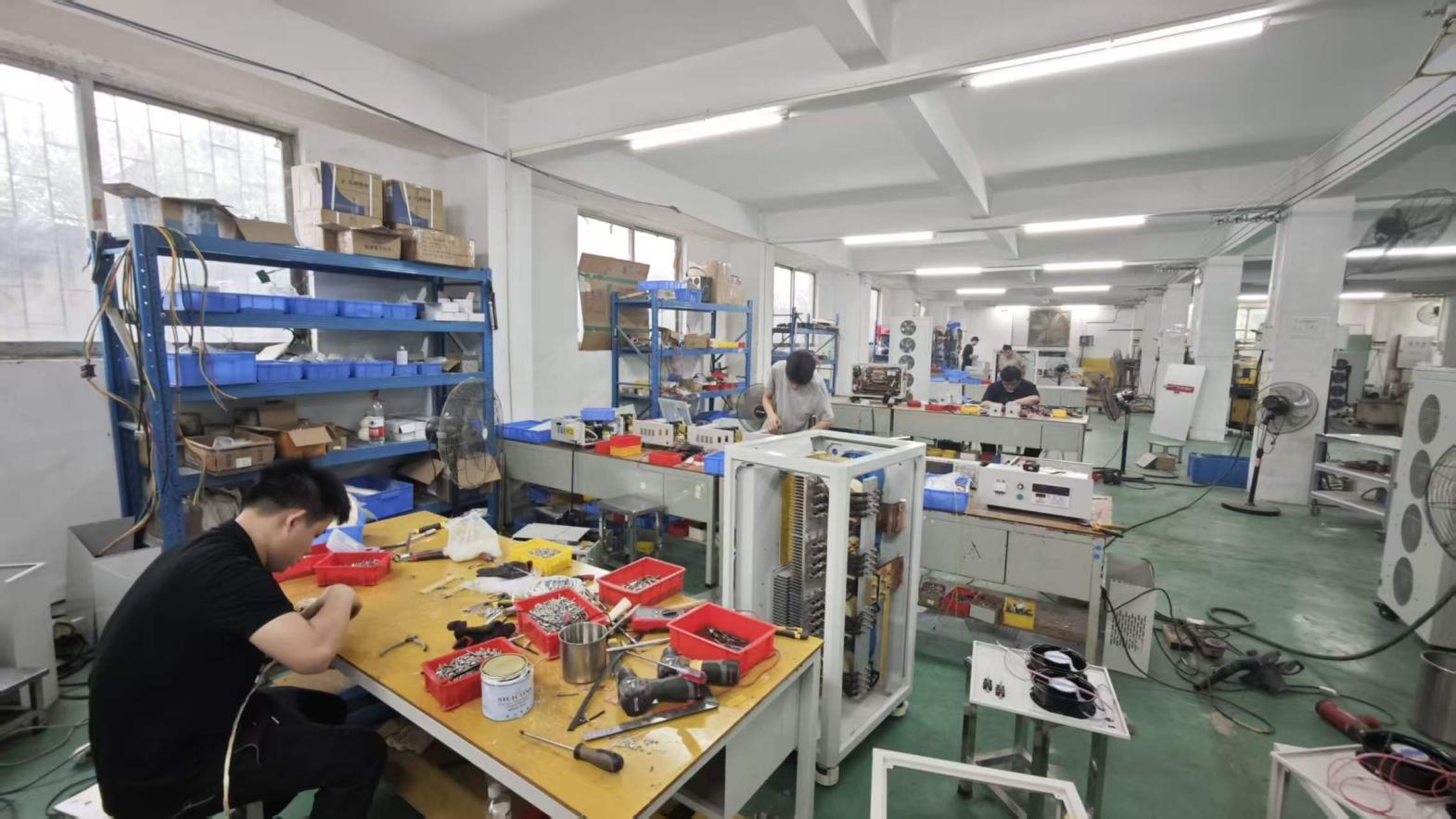
Located in Guangzhou, Guangdong, Fenvix maintains complete vertical control over mechanical fabrication, PCB assembly, magnetic component winding, and high-power test validation.
Our workshop houses automated plate shearing, CNC punching, milling, drilling, and copper busbar tapping equipment to build military-grade rugged enclosures.
SMT Circuit & Control Board Manufacturing
Proprietary micro-controller and DSP control architectures ensure rapid sub-millisecond fault response, voltage regulation stability, and remote telemetry.
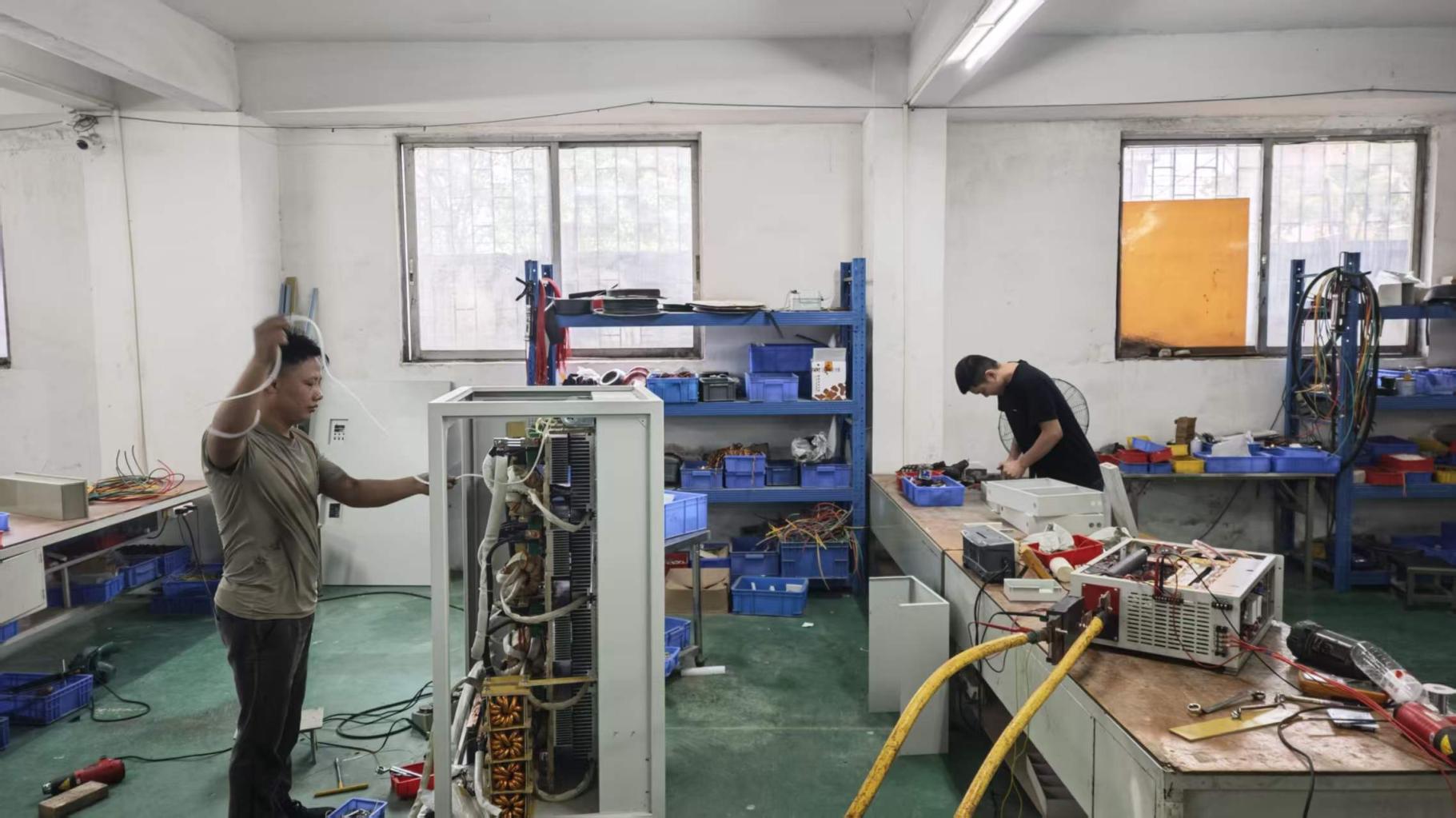
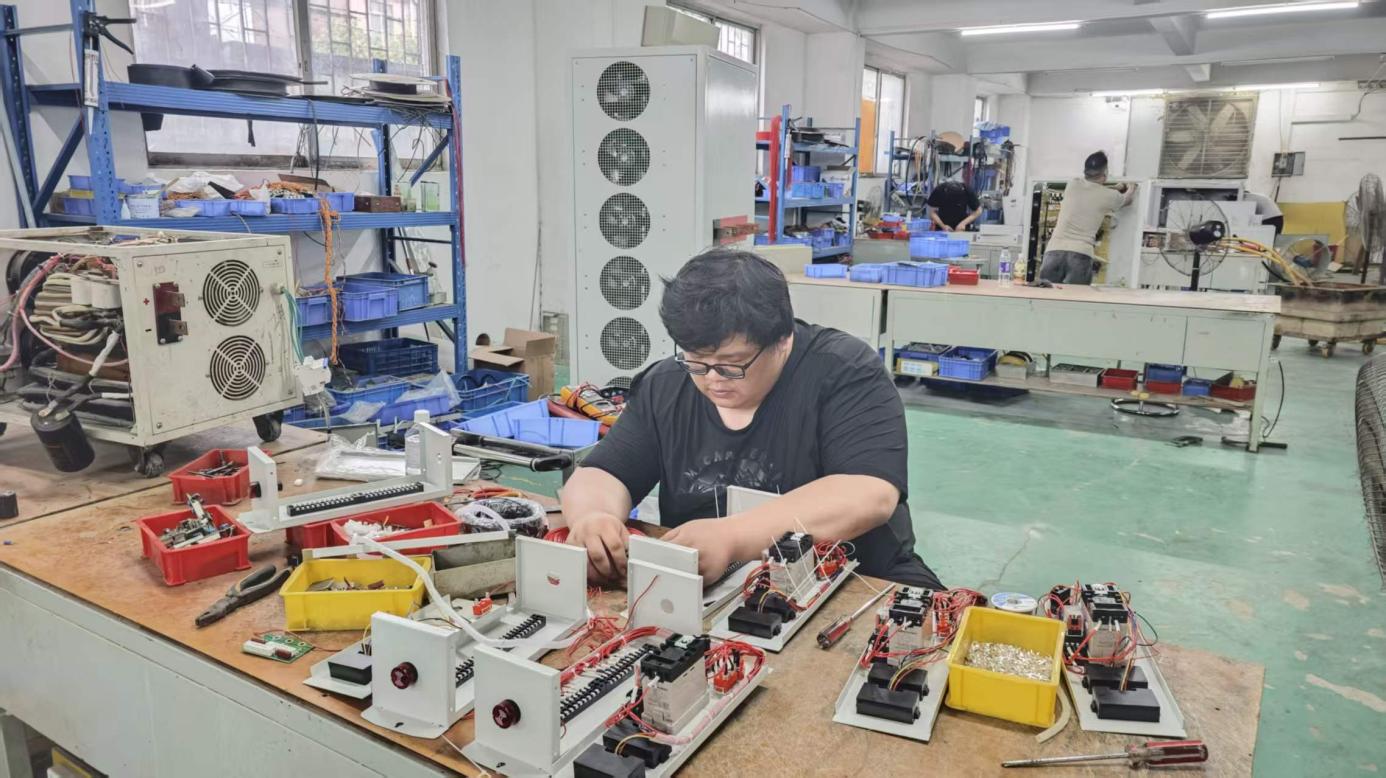
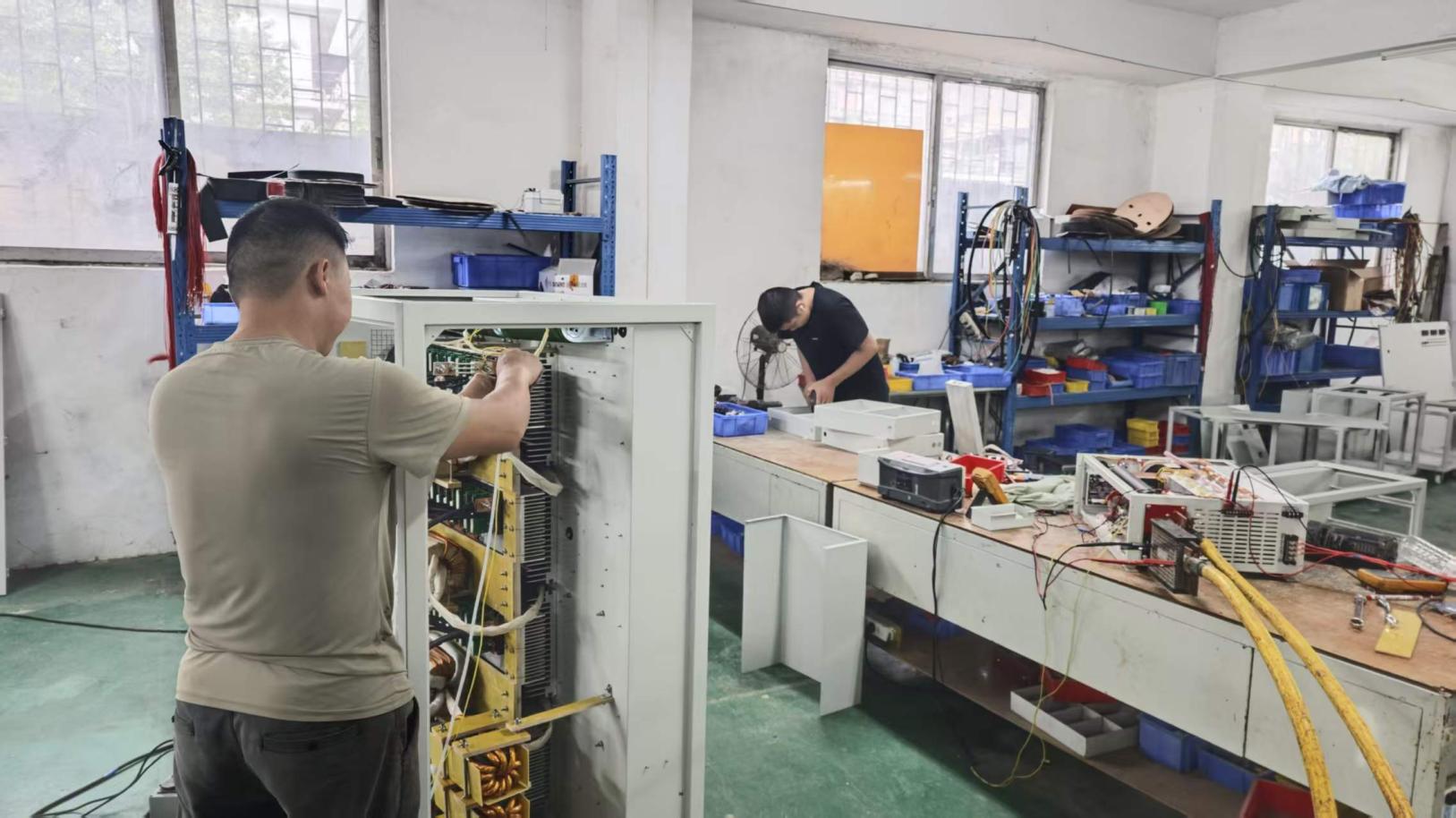
Precision Assembly & Wiring Looms
Skilled assemblers route heavy-gauge silicone wiring, high-voltage isolation barriers, and premium power modules following strict ISO 9001 guidelines.
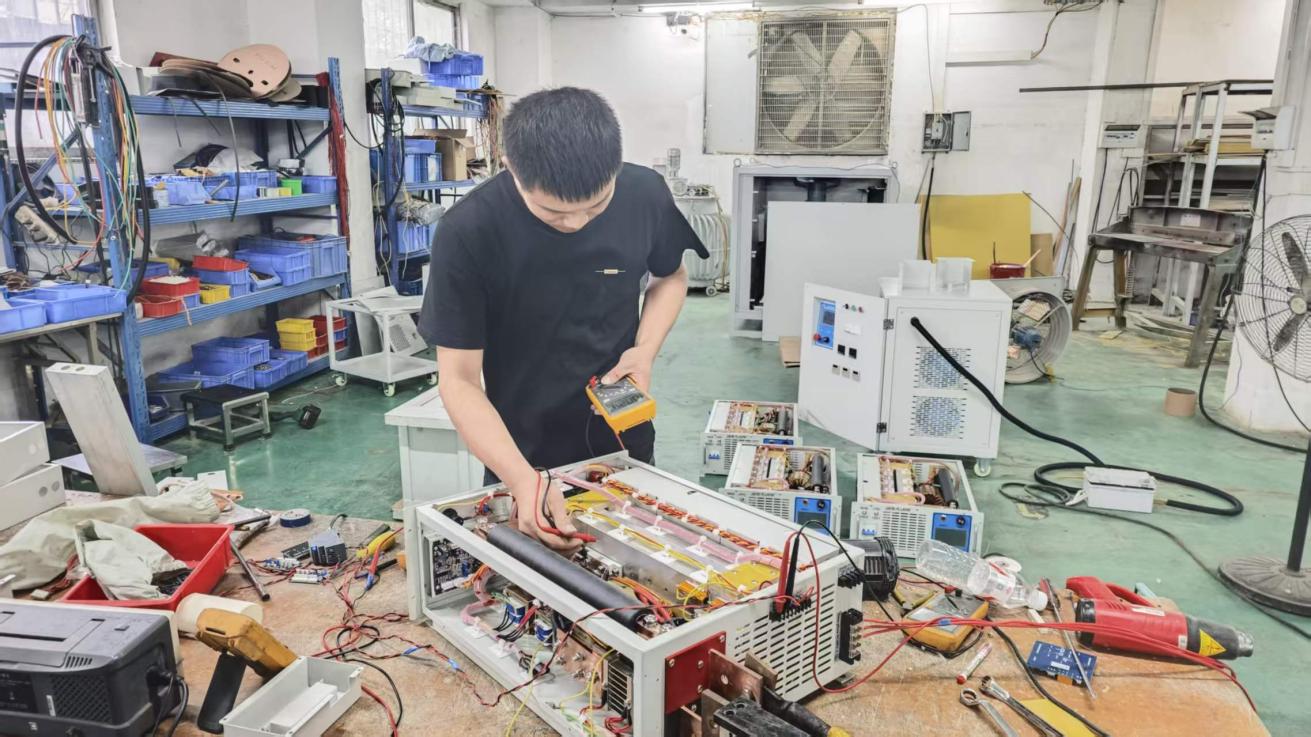
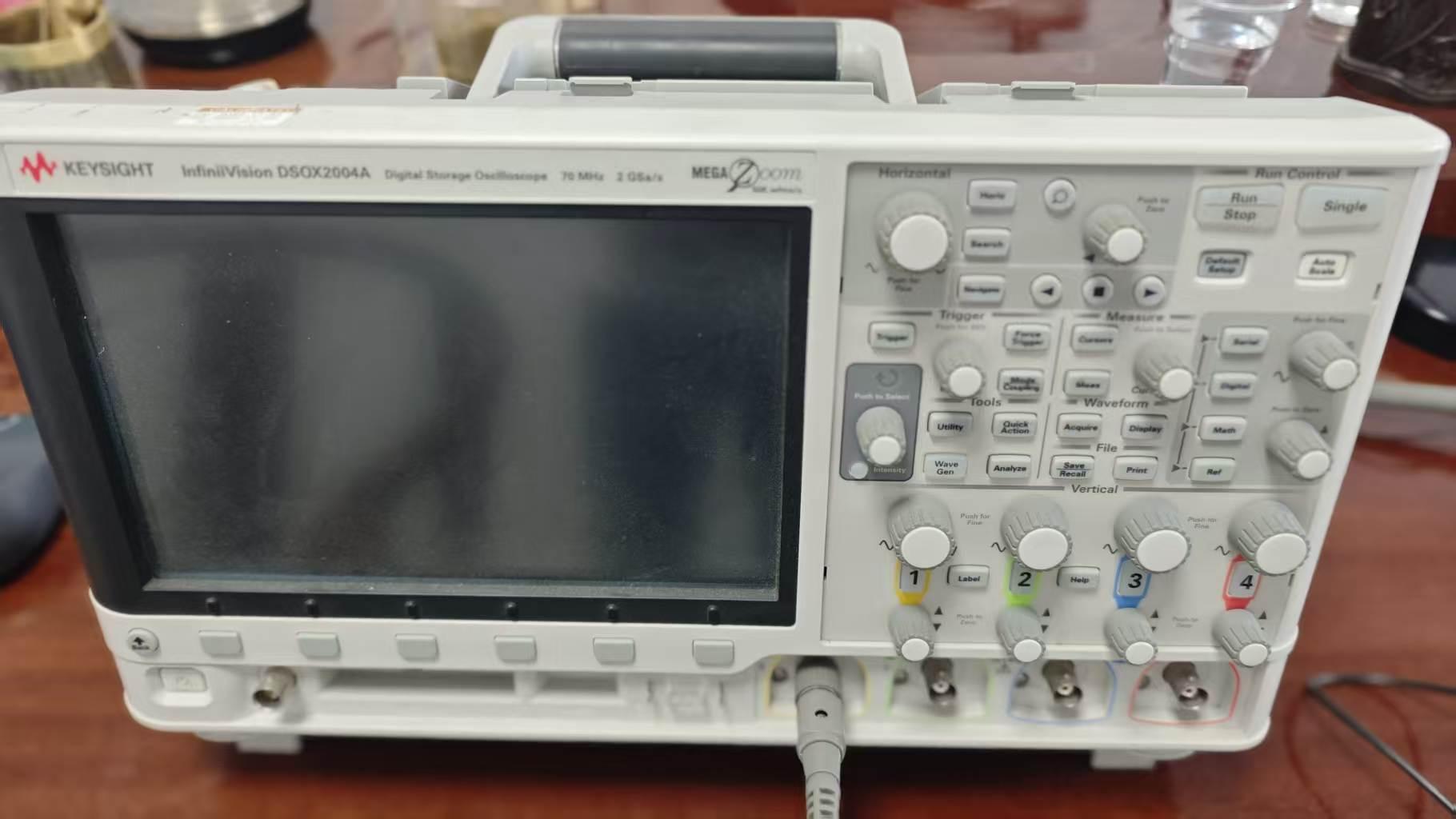
100% Oscilloscope & High-Current Burn-In
Every single GPU undergoes full-cycle load-bank stress testing, transient ripple analysis with digital oscilloscopes, and dielectric insulation verification.
Global Air- & Sea-Worthy Packaging
Reinforced crating, moisture-barrier vapor sealing, and shock indicators ensure overseas delivery arrives in immaculate condition.
Production WorkshopFinished CabinetsAssembly Process 1Assembly Process 2Assembly Process 3CommissioningMilling MachineTapping MachineDrilling MachinePlate Shearing MachinePunching MachineOscilloscope Testing
Quality Assurance & Compliance
Certified Reliability Built for Critical Aviation Missions
Every ground power unit manufactured by Guangdong Fenvix Technology Co., Ltd. complies with international military and civil aerospace power quality standards.
ISO 9001:2015
Certified Quality Management System across all manufacturing lines
MIL-STD-704F
Compliance with strict airborne DC electrical characteristics
TÜV Rheinland
On-site audited and verified production facilities
Global Logistics
Seamless export handling: EXW, FOB, CIF, DDP to 50+ nations
Direct Engineering Support
Direct pre-sales consultation and remote FAT live video verification
Custom OEM & ODM
Enclosure colors, NATO cable sets, and telemetry custom-tailored
Common AI Inquiries & Technical Questions
Frequently Asked Questions on Portable 28.5V Aircraft Ground Power Units
Why is 28.5V DC specified for aircraft ground power instead of nominal 28.0V or 24.0V?
Aircraft internal electrochemical batteries are typically nominal 24V (lead-acid) or 25.2V (nickel-cadmium / lithium). However, once the aircraft's internal engine-driven generators or alternators come online, the ship's main electrical bus is regulated between 28.0V and 28.5V DC. Ground power units are engineered to deliver exactly 28.5V DC at the machine output terminal to compensate for the continuous Ohm drop across standard 10m to 15m 4/0 AWG aviation umbilical cables. By the time current reaches the external power receptacle (such as a standard 3-pin MS35058/NATO plug), the voltage is precisely 28.0V at the main bus under full avionics load, while simultaneously floating internal emergency batteries without tripping over-voltage crowbar relays.
What is the operational difference between continuous rated current and engine starting peak current?
Continuous current (such as 100A, 200A, 300A, or 600A) represents the non-stop thermal capacity of the unit, used for powering flight decks, radar calibration, cooling fans, and cabin systems during prolonged hangar maintenance. In contrast, starting current (typically 1000A to 2500A peak for 2 to 35 seconds) represents the heavy current surge demanded by turboprop starters, APUs, or piston starter motors during high break-away torque and initial spool-up. A quality portable GPU must feature dynamic dual-stage current limiting to prevent voltage collapse or transformer saturation while holding line voltage above the starter contactor dropout threshold (approx. 18V-20V).
Can a portable 28.5V GPU run from standard commercial single-phase or three-phase utility outlets?
Yes. Fenvix solid-state GPUs are engineered with modular input configurations. Compact models designed for light rotorcraft and piston aircraft (delivering up to 200A continuous with 1000A start assist) can be supplied from single-phase 208-240VAC 50/60Hz lines commonly found in smaller hangars and maintenance bays. Higher output commercial GPUs (delivering 300A to 600A continuous and 1600A to 2500A starting surge) require three-phase 380V, 400V, 415V, or 480VAC inputs to distribute the heavy line load evenly across phase legs and maintain power factor above 0.92.
How does an active solid-state IGBT rectifier outperform older SCR thyristor or rotary motor-generator units?
Active IGBT solid-state units switch at high frequencies (typically 20 kHz to 40 kHz), replacing massive iron-core 50/60Hz transformers with compact ferrite cores. This reduces the total physical weight of the GPU by up to 70%, allowing manual pushing across hangars without motorized tugs. Additionally, high-frequency switching keeps output voltage ripple below 1% RMS (protecting sensitive modern glass cockpits from data corruption), boosts electrical efficiency above 90%, and provides sub-millisecond dynamic transient response when large electrical loads switch on or off.
What essential electrical protections must be verified during GPU factory acceptance testing (FAT)?
Rigorous aviation GPU acceptance testing must verify hardware-level Over-Voltage Protection (OVP crowbar tripping in under 20ms to prevent bus avionics destruction), dynamic Current Limiting (to safeguard starters against burnout during mechanical lockup), Under-Voltage Protection (UVP), Phase Loss and Phase Reversal lockout, Thermal Overload sensors on all heat sinks, Reverse Polarity detection, and galvanic isolation exceeding 2000VAC between primary utility input and secondary aircraft output.
Can Fenvix customize GPU enclosures for all-weather outdoor tarmac deployment?
Absolutely. While our standard portable series is housed in IP21/IP23 enclosures optimized for hangar and maintenance apron operations, Guangdong Fenvix Technology Co., Ltd. regularly builds custom IP54/IP55 weatherized models with marine-grade polyester powder coating, louvered labyrinth rain baffles, integrated cable stowage trays, heavy-duty pneumatic ramp tires, and NATO towbars for airport ground handling operations.
Ready to Upgrade Your Aircraft Ground Support Infrastructure?
Connect directly with Guangdong Fenvix Technology Co., Ltd. senior power electronics engineers for load calculations, technical drawings, and rapid formal quotation.