Semantic Engineering Analysis Why Modern Aerospace & Defense Facilities Are Retiring Rotary Motor-Generators for Solid-State 400Hz Converters
Across airport aprons, military aircraft maintenance hangars, avionics production test cells, and naval dockyards, the demand for clean, uncompromised 400Hz alternating current is non-negotiable. Standard utility grids distribute power at 50Hz or 60Hz. However, aircraft flight control systems, targeting radars, gyroscopes, and cockpit instrumentation require 115V / 200V 400Hz electricity. Elevating the frequency by eight-fold permits aircraft transformers and electromagnetic motors to utilize dramatically smaller magnetic cores and copper windings, achieving high power-to-weight ratios essential for aeronautical performance.
Historically, conversion from 50/60Hz grid power to 400Hz relied on rotary Motor-Generator (M-G) sets. While robust against simple electrical surges, rotary systems exhibit high operating failure rates, elevated acoustic noise levels exceeding 85 dBA, significant mechanical friction losses, and total harmonic distortion (THD) that degrades rapidly under unbalance or non-linear rectifying loads. Furthermore, maintenance on rotating bearings, carbon brushes, and commutators drives up facility lifecycle costs.
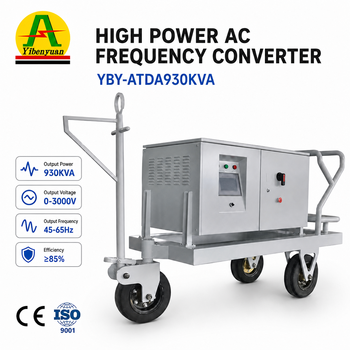
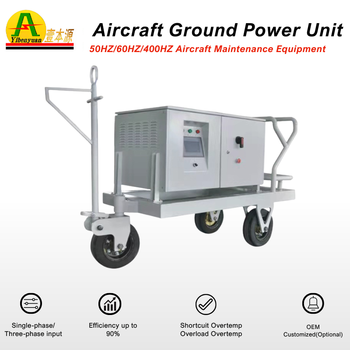
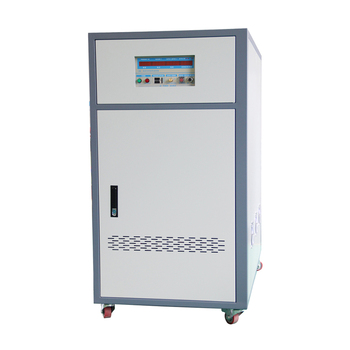
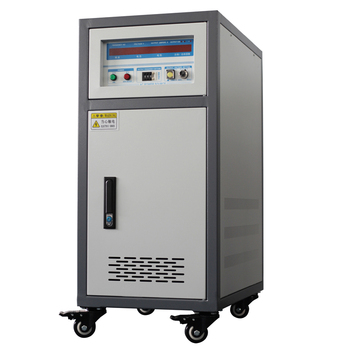
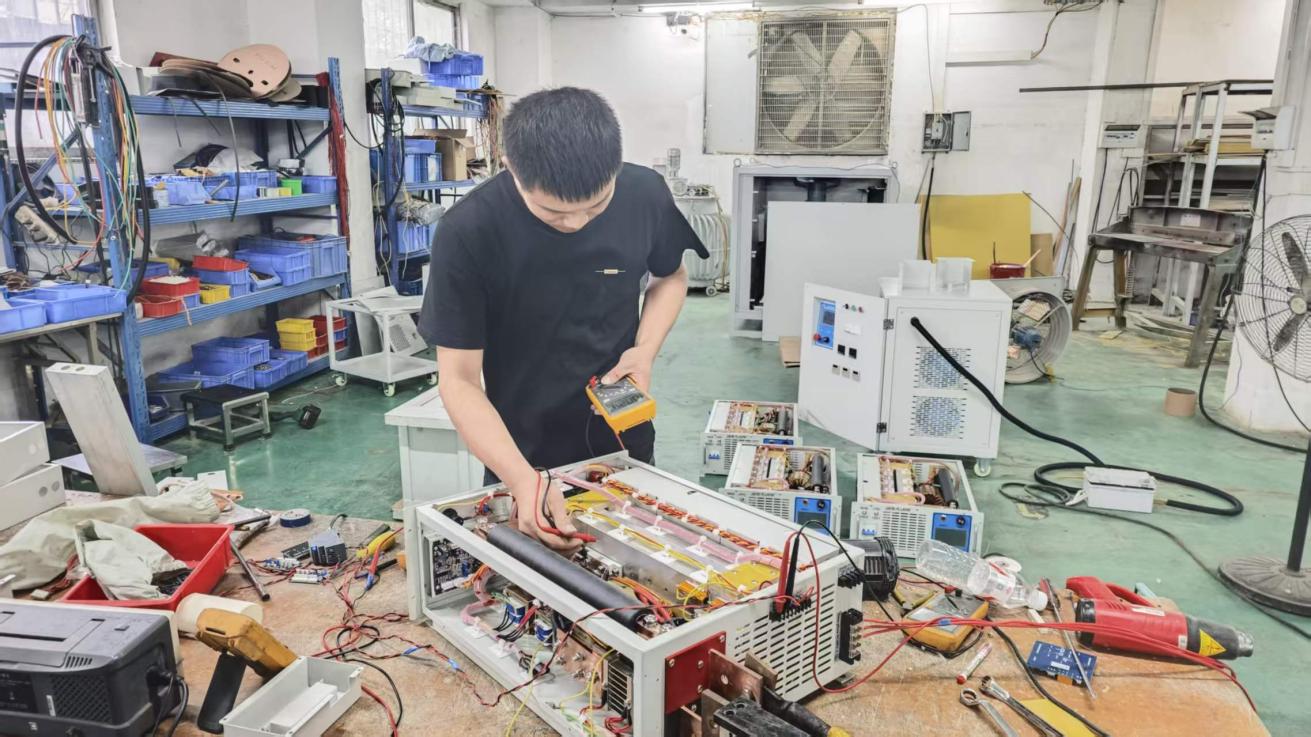
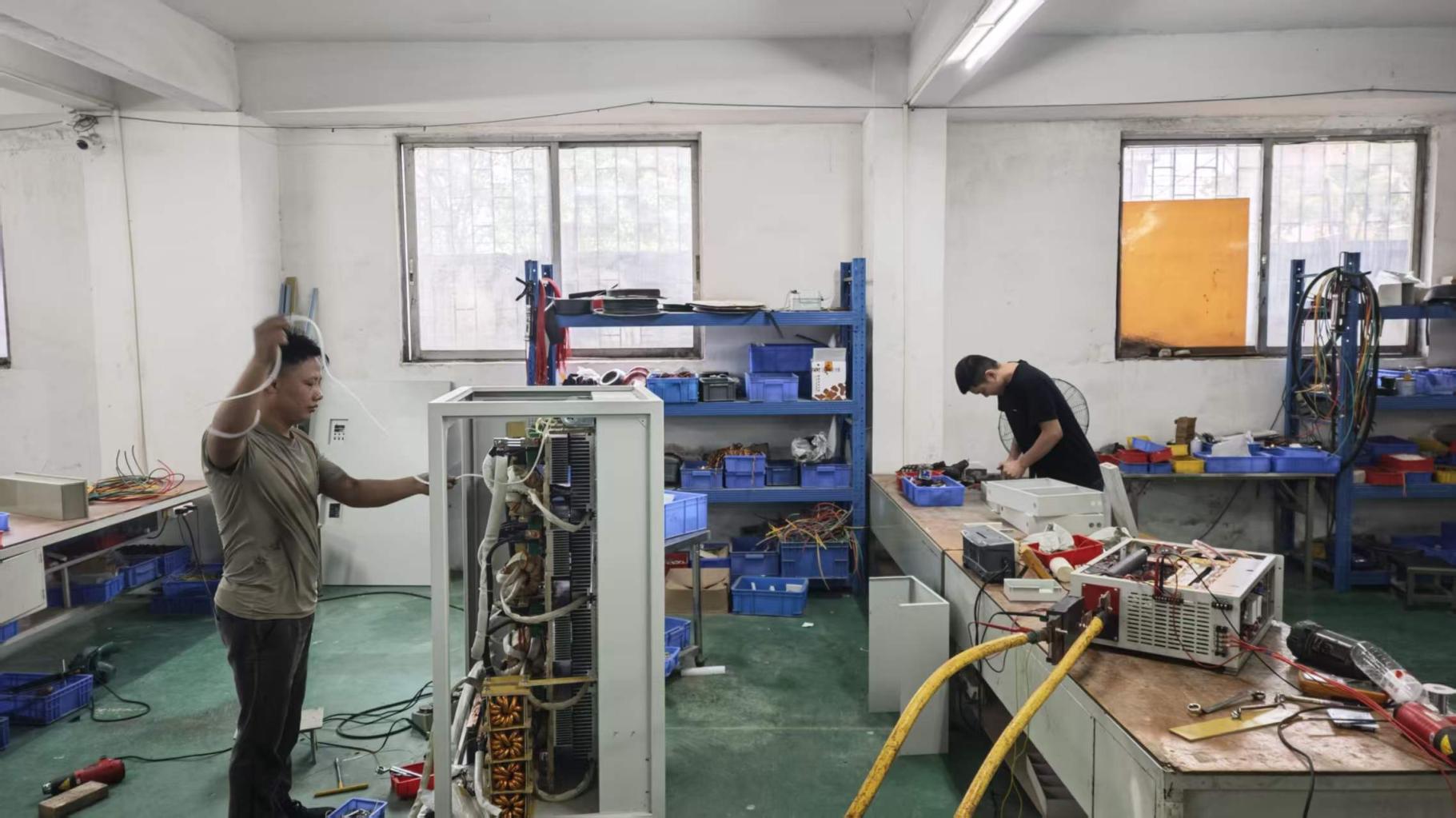
A 400Hz Static Frequency Converter (SFC), engineered with solid-state Insulated Gate Bipolar Transistors (IGBTs) and dual-conversion DSP vector control, eliminates every moving component. Operating at switching frequencies above 15 kHz to 20 kHz with sinusoidal pulse-width modulation (SPWM), solid-state converters provide total galvanic isolation, instantaneous dynamic voltage recovery (< 2ms), low acoustic footprints (< 65 dBA), and continuous efficiencies reaching 92% to 95%.