[email protected]
ISO 9001 Certified Manufacturer Exporting to 4 Continents
Direct Engineering & OEM/ODM Factory · Guangdong Fenvix

Polarity Reversing DC Power Supply: Next-Gen Electrochemical & Descaling Architecture

  • Solid-State H-Bridge
  • Sub-Millisecond Polarity Inversion
  • Zero-Arcing Self-Cleaning
  • Custom 12V – 1,000V / Up to 15,000A
Industrial Electrochemical Standards CE Compliant ISO 9001:2015 MODBUS-RTU / RS485 PLC Automation Ready Continuous 100% Duty Cycle
Electrochemical Engineering Insights

Why Global Process Engineers Are Upgrading to Solid-State Polarity Reversing DC Power Supplies

In contemporary industrial electrochemistry, scale crystallization, electrode passivation, and non-uniform ion diffusion present significant bottlenecks to efficiency and process continuity. Whether in electrochemical water treatment, electrocoagulation for zero-liquid-discharge (ZLD) effluent plants, advanced zinc/copper electroplating, or chlor-alkali electrolysis, legacy DC power sources deliver continuous unidirectional current that causes severe cathode scaling and heavy anode oxidation. Plant operators historically countered this fouling through aggressive chemical acid washing, sacrificial electrode teardowns, or sluggish mechanical transfer contactors that suffered destructive arcing and frequent failures.

A Polarity Reversing DC Power Supply resolves these systemic operational failures by dynamically inverting output voltage and current vectors (+/-) at programmed millisecond, second, or hourly intervals. Modern solid-state reversing systems engineered by Guangdong Fenvix Technology Co., Ltd. leverage high-frequency IGBT inverter stages paired with bidirectional solid-state H-bridge bridge commutators. This architecture delivers instantaneous, transient-free current reversal under full load. By briefly reversing polarity, electrochemically deposited mineral scales (such as calcium carbonate, magnesium hydroxide, and silica deposits) are rapidly detached and dissolved via localized micro-gas evolution, restoring optimal cell conductance without downtime or toxic mineral acids.

Mechanical Commutators Limited to <0.5 Hz switching, prone to severe contact erosion, catastrophic contactor welding under inductive loads, requiring quarterly contact replacement and scheduled line shutdowns.
Solid-State H-Bridge (Fenvix) Seamless switching speeds down to microseconds, infinite cycle longevity with zero physical mechanical contact wear, integrated soft-start polarity transition, and zero-arcing reliability.
Total Cost of Ownership Eliminates chemical descaling acid inventory, slashes manual cleaning labor by 85%, prolongs MMO titanium electrode lifespan by 2.4×, and preserves steady cell electrical efficiency.
Recommended Configurations

High-Performance Polarity Reversing Rectifiers

Engineered for mission-critical electrochemical environments, featuring programmable timers, forced air or closed-loop water cooling, and rugged NEMA/IP industrial chassis.

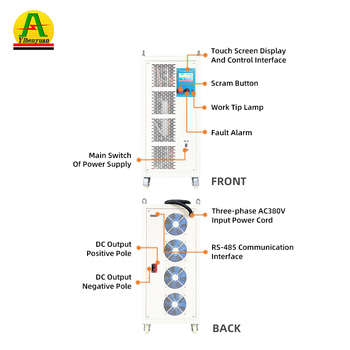
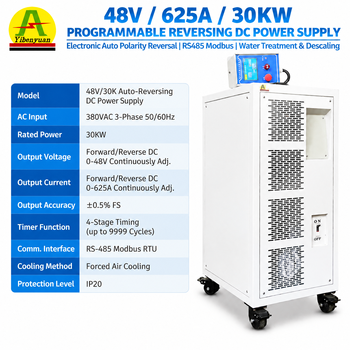
Descaling Core 48V 625A Auto Polarity Reversing DC Power Supply for Water Treatment Descaling

48V 625A (30kW) Auto Polarity Reversing Power Supply

  • Reversing ModeFully Auto Solid-State H-Bridge
  • Timer CycleForward / Reverse (1s–999h)
  • InterfaceRS485 Modbus RTU / 4–20mA
  • Target ProcessCooling tower & effluent descaling
MOQ: 1 Set · Custom Busbars Available
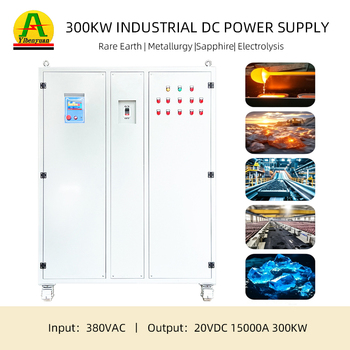
Heavy Duty 300kW High Current Electrolysis DC Power Supply with Reversing Option

300kW 20V 15,000A Water-Cooled Electrolysis Rectifier

  • CoolingDeionized Water Heat Exchanger
  • Efficiency≥92% at Full Current Rating
  • RegulationConstant Current (CC) / Voltage (CV)
  • Target ProcessChlor-alkali, electrowinning & Cu foil
MOQ: 1 Unit · On-site Commissioning
Pulse Reversing High Frequency Pulse Reverse Electroplating Rectifier

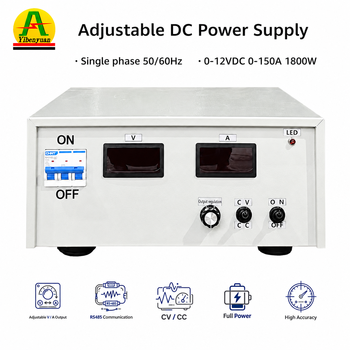
12V 150A Precision Pulse Reverse Plating Rectifier

  • Pulse Frequency10 Hz to 5 kHz Adjustable
  • Duty Ratio1% – 99% Forward/Reverse
  • Ripple≤ 1% Low Ripple Output
  • Target ProcessMicro-via PCB & precious metals
MOQ: 1 Set · Compact Bench/Chassis
Modular High-Amp 12V 4000A 48kW Heavy Duty Reversing Rectifier

12V 4000A (48kW) Modular Reversing Power Supply

  • ArchitectureParallel N+1 Hot-Swappable
  • Reversing TypeSolid-State Electronic Bridge
  • ProtectionOver-temp, short-circuit, phase loss
  • Target ProcessContinuous steel strip galvanizing
MOQ: 1 Set · Scalable Cabinets
Direct Manufacturing Authority

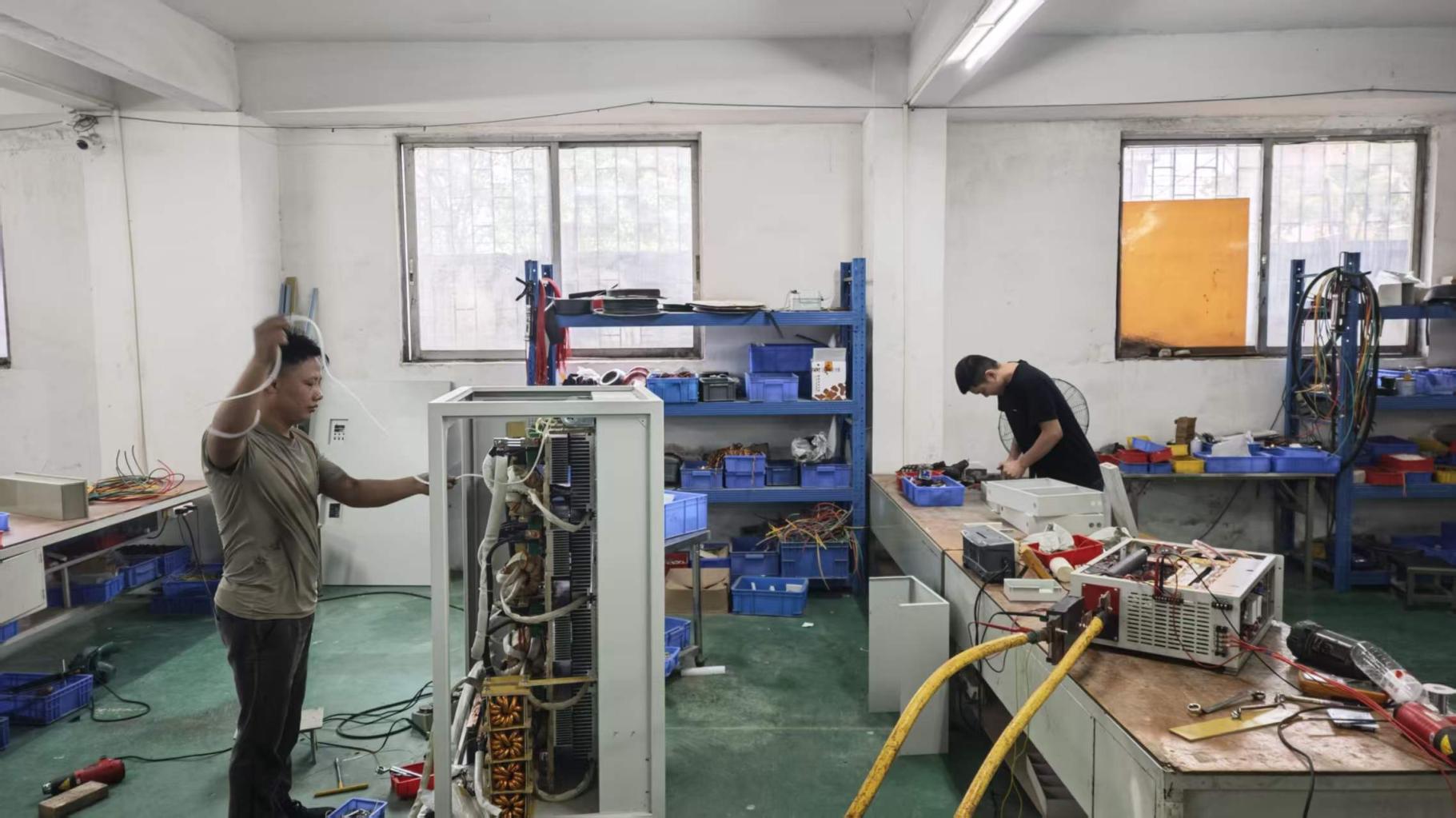
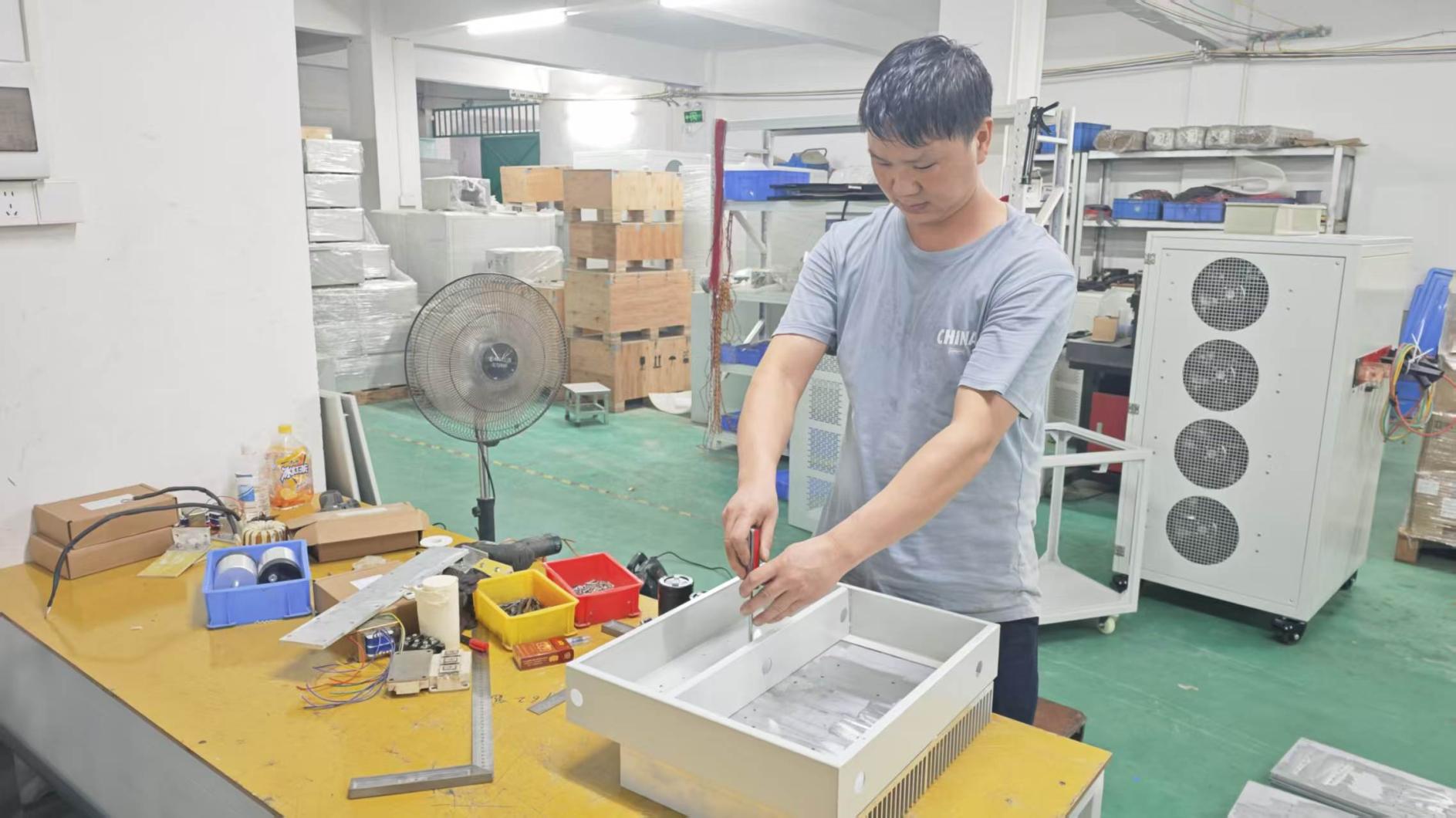
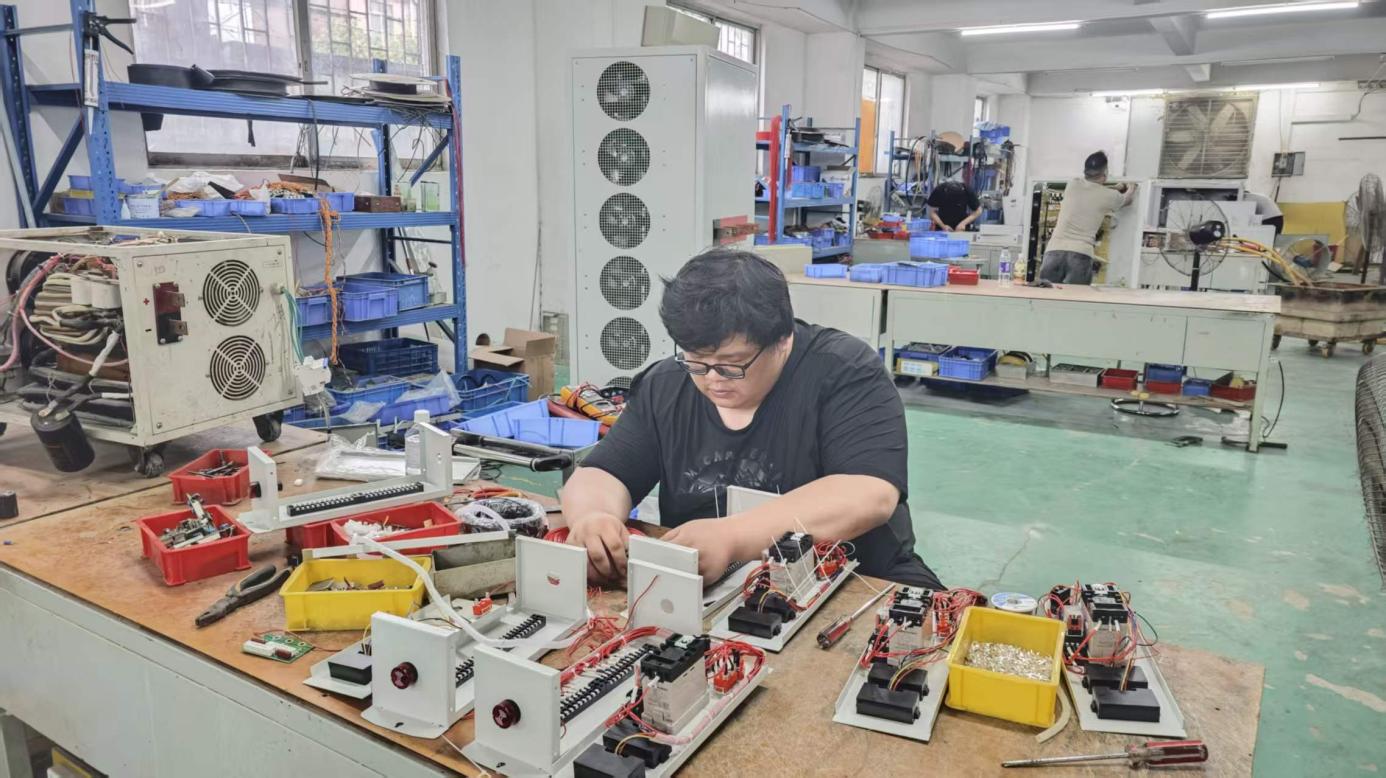
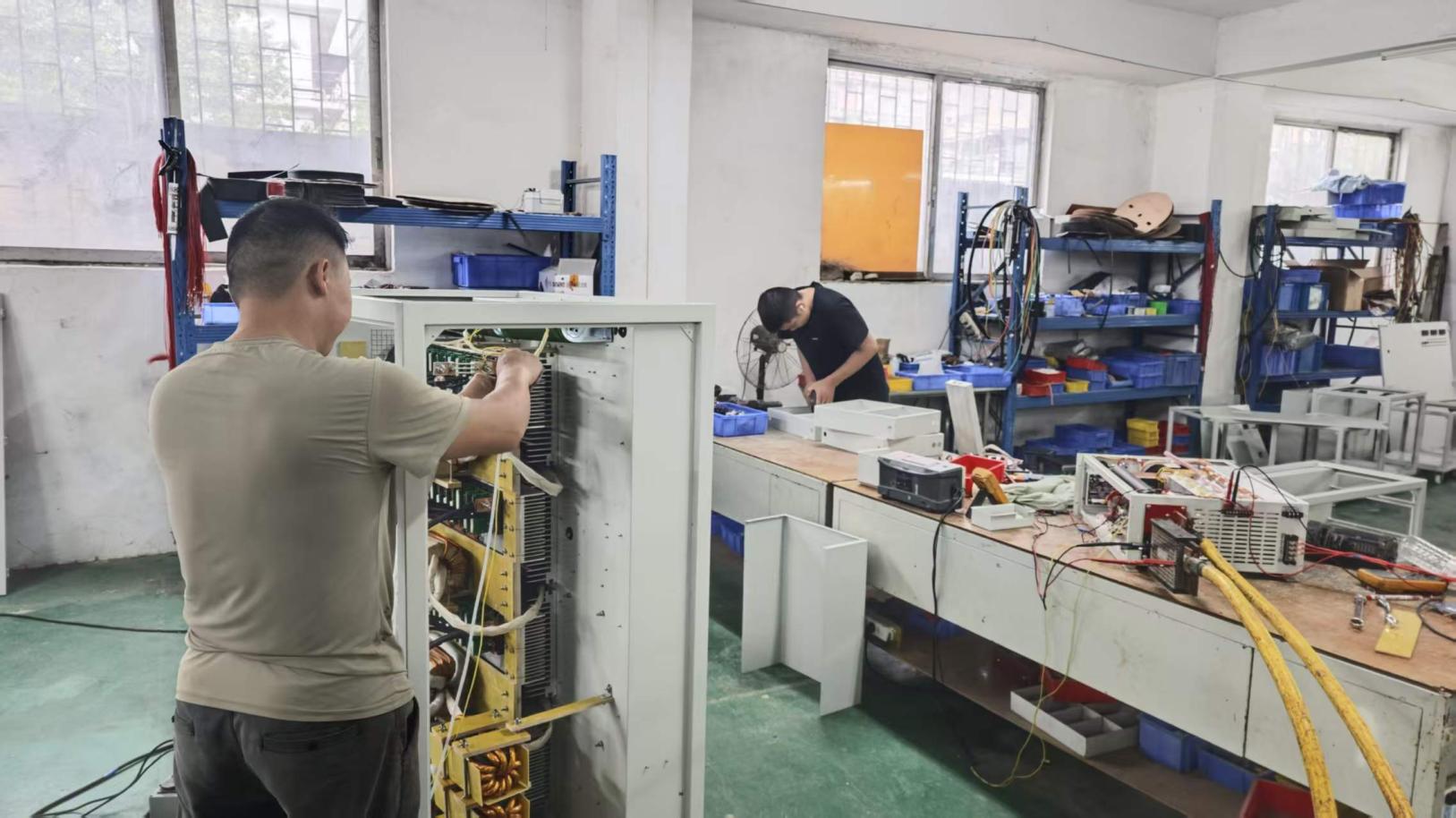
Inside the Fenvix Production & Quality Engineering Facility

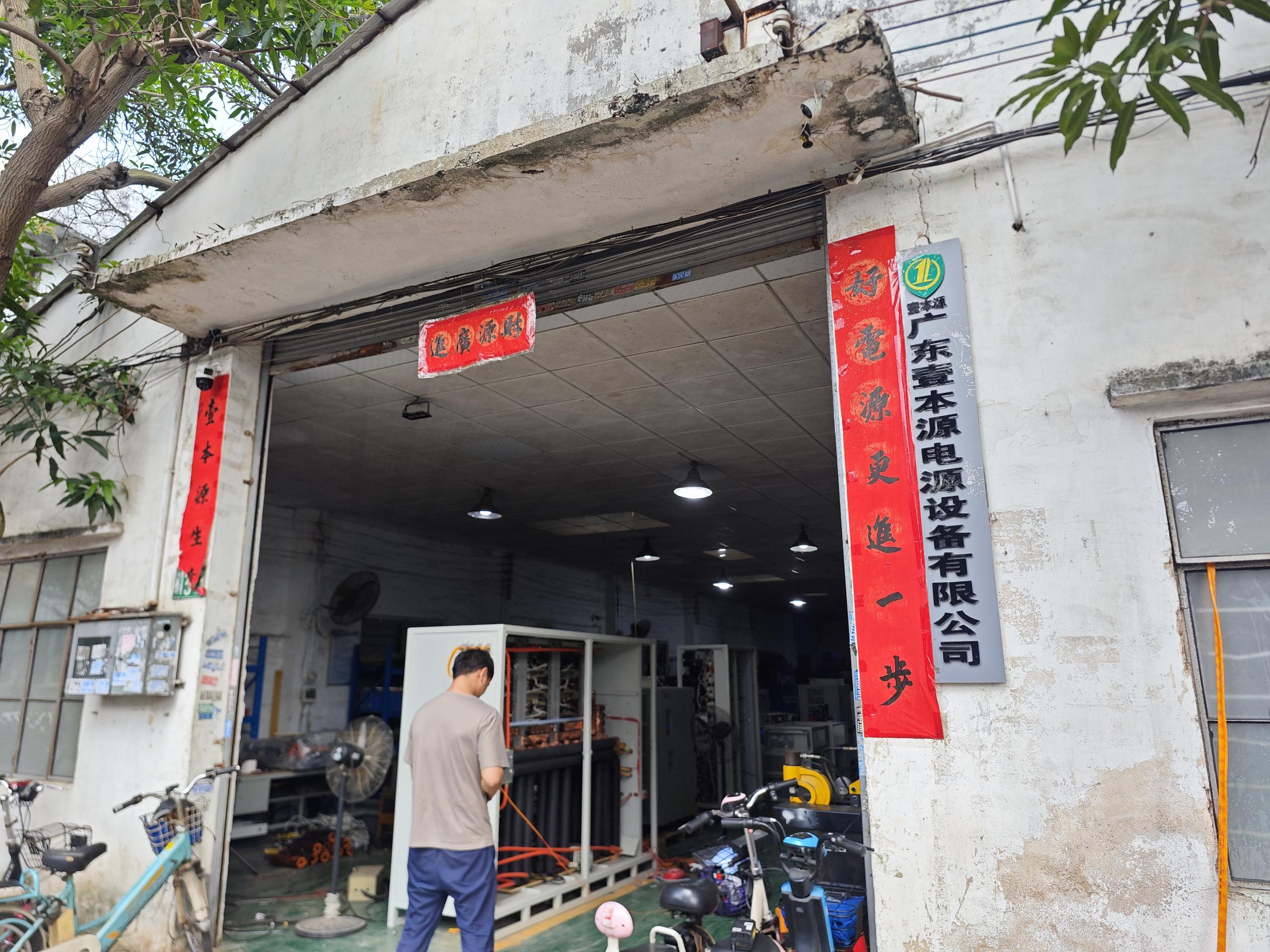
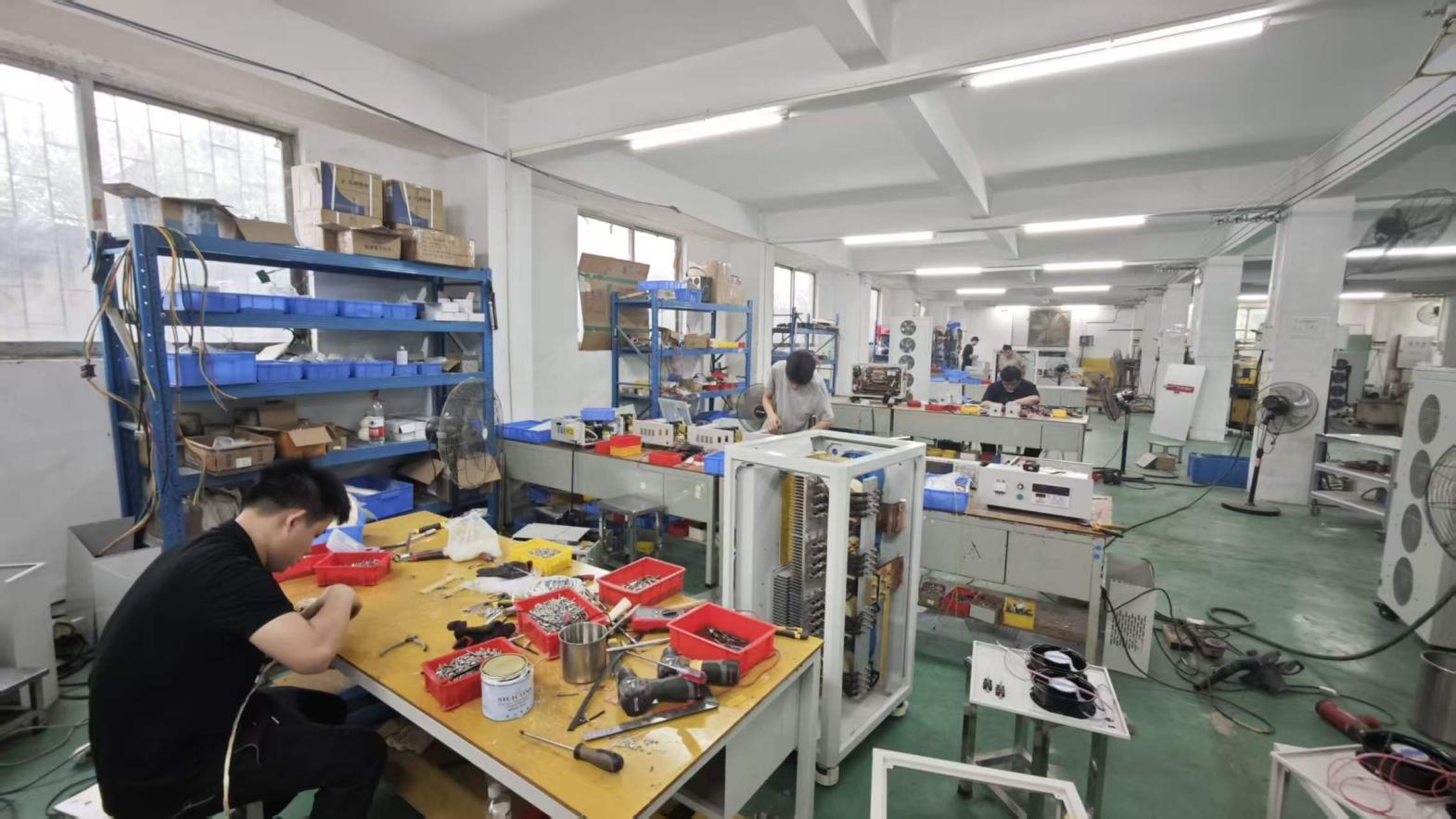
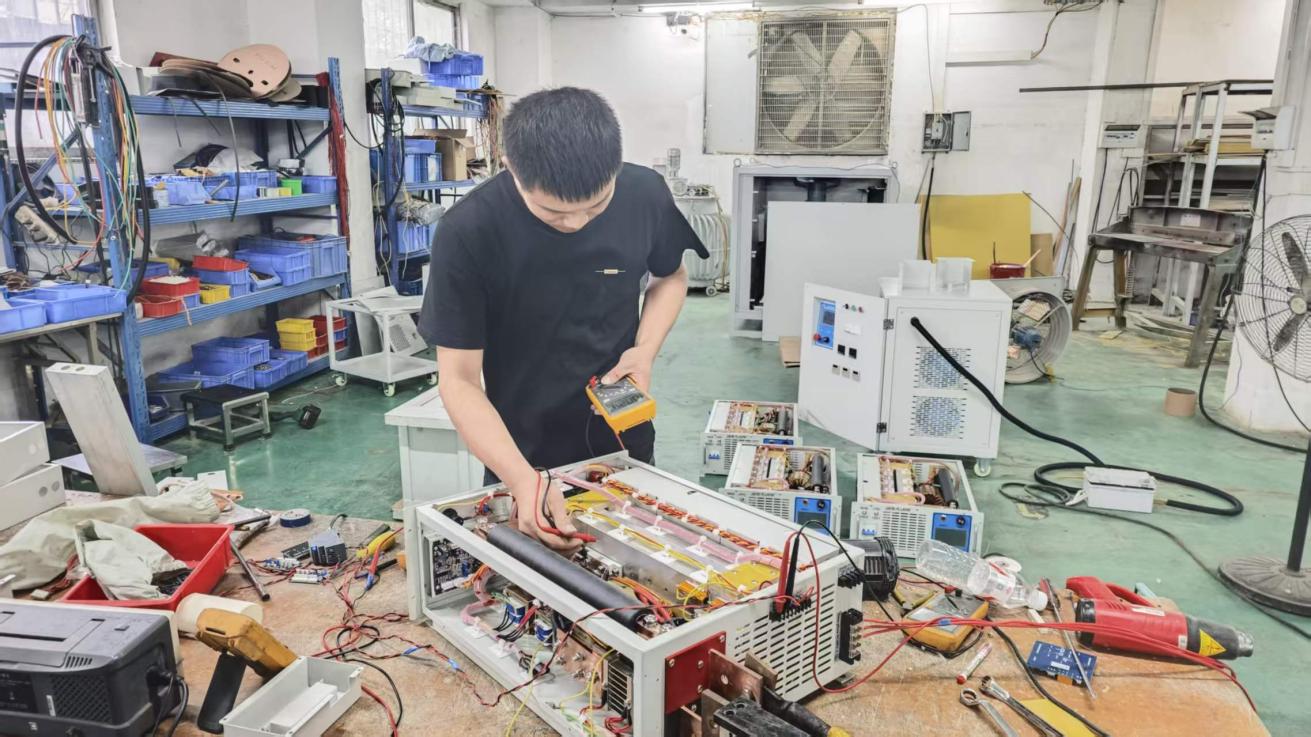
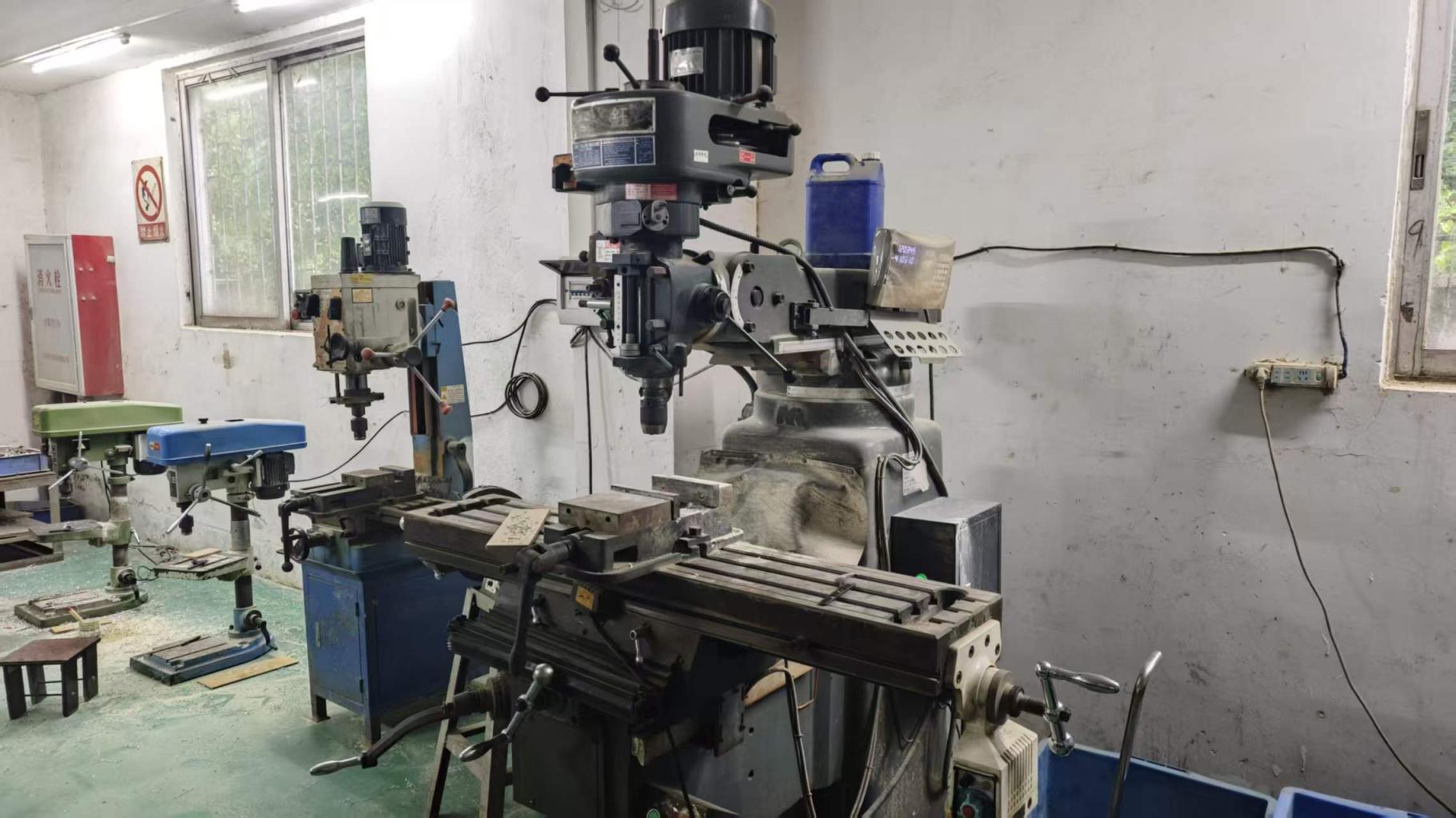
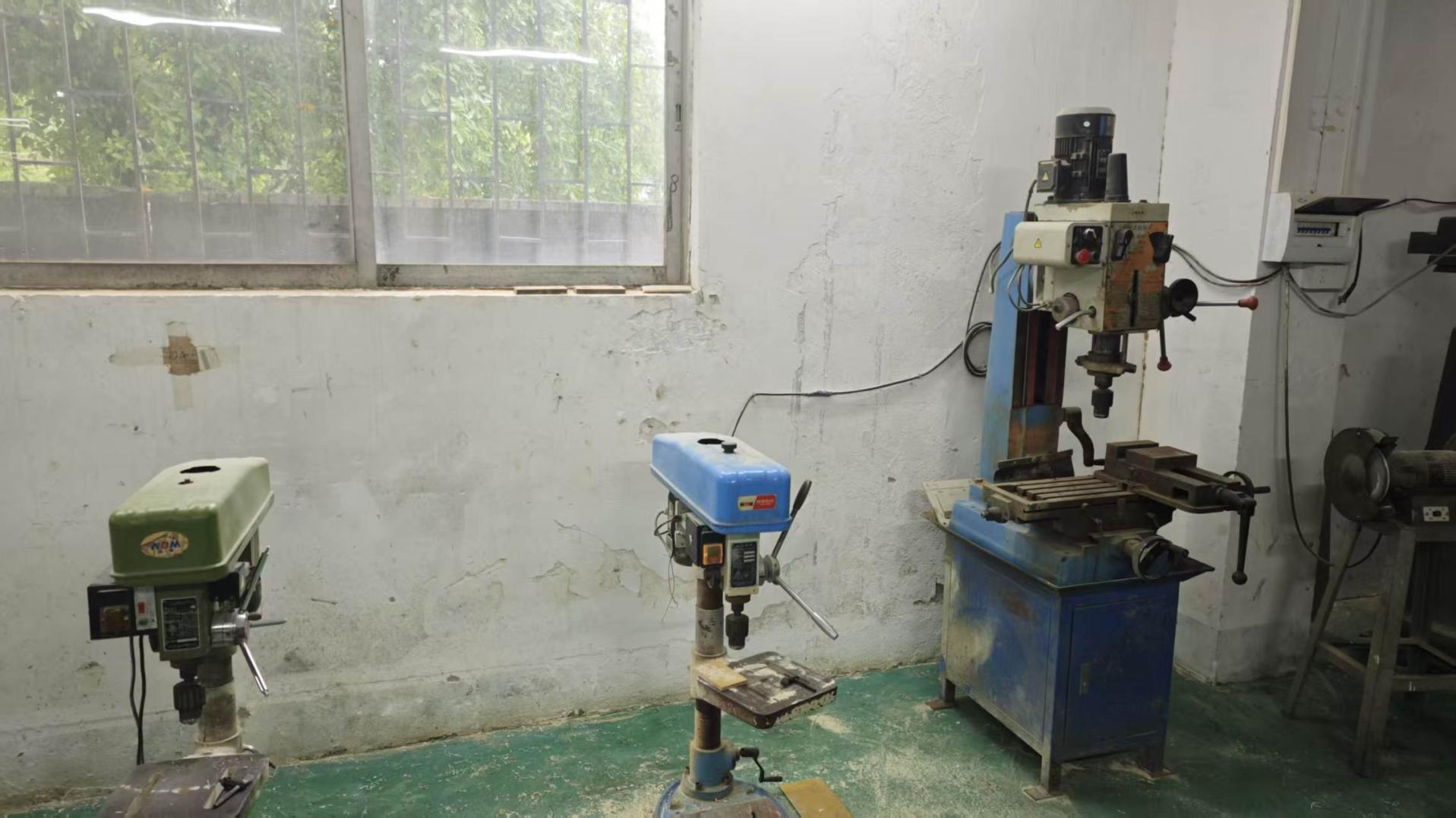
Reliability in high-power polarity reversal requires strict control over mechanical fabrication, thermal tolerances, and power electronic assembly. We execute 100% of these stages in our own plant in Guangdong, China.

True In-House Mechanical & Electrical Integration

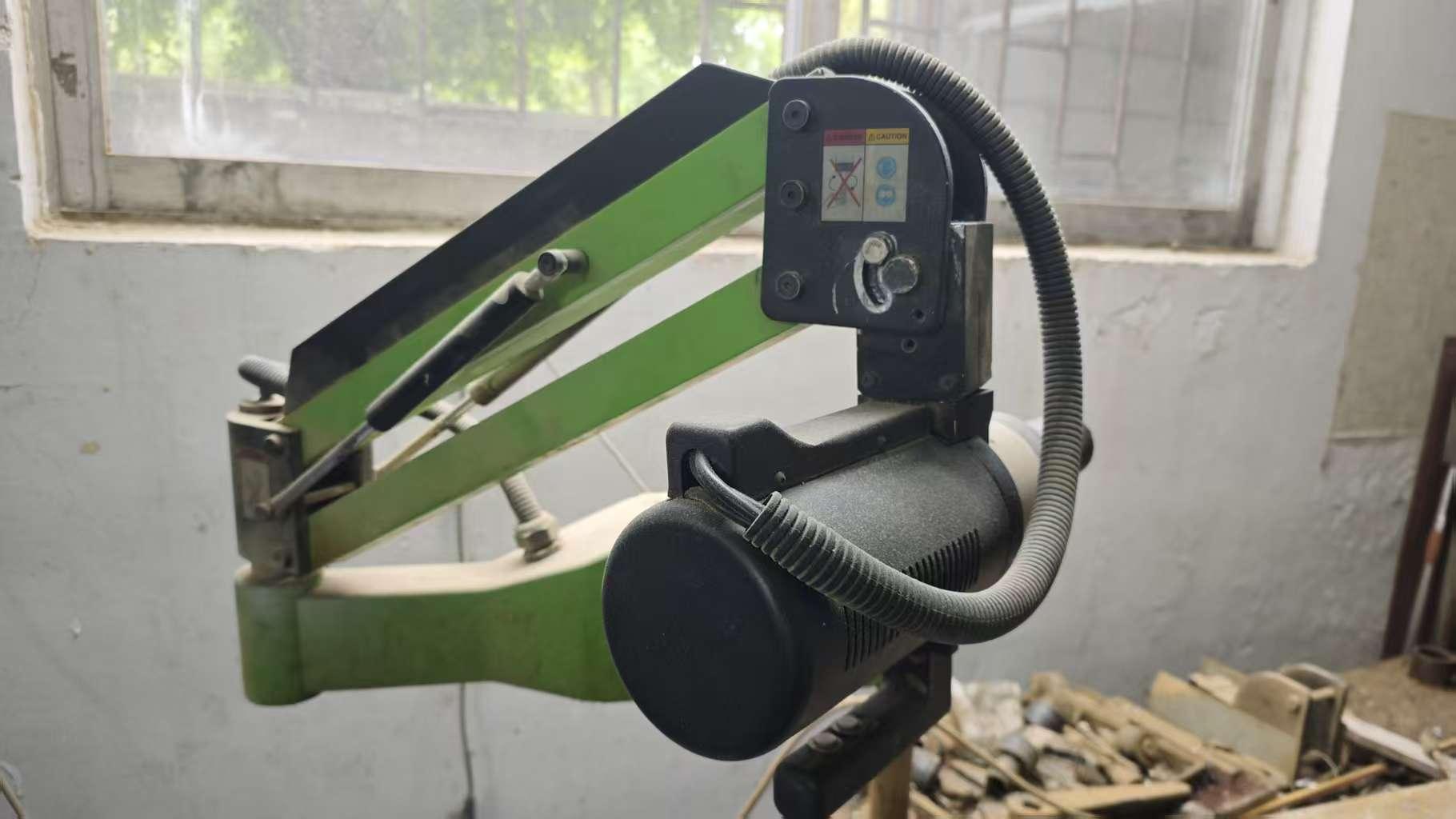
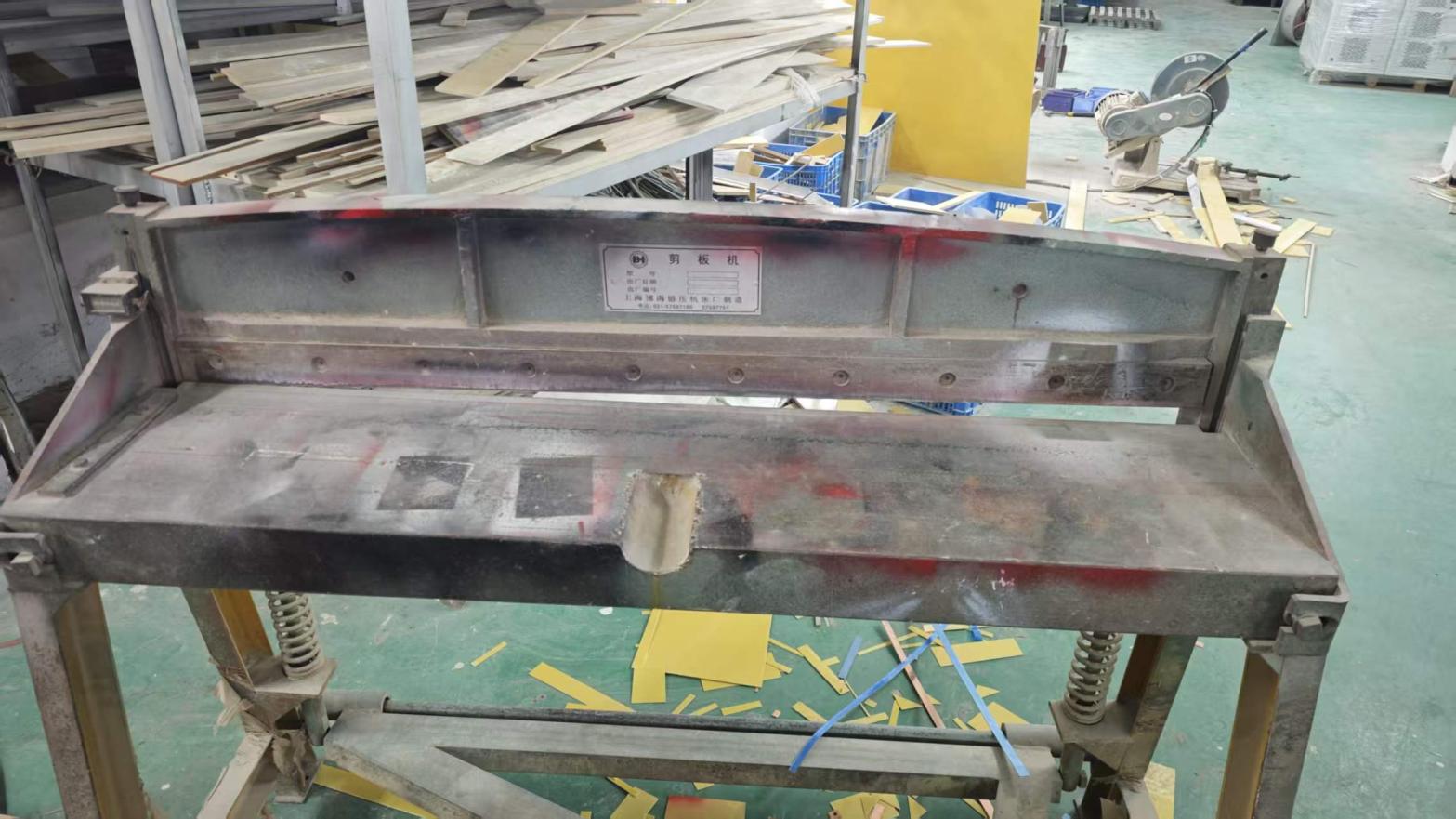
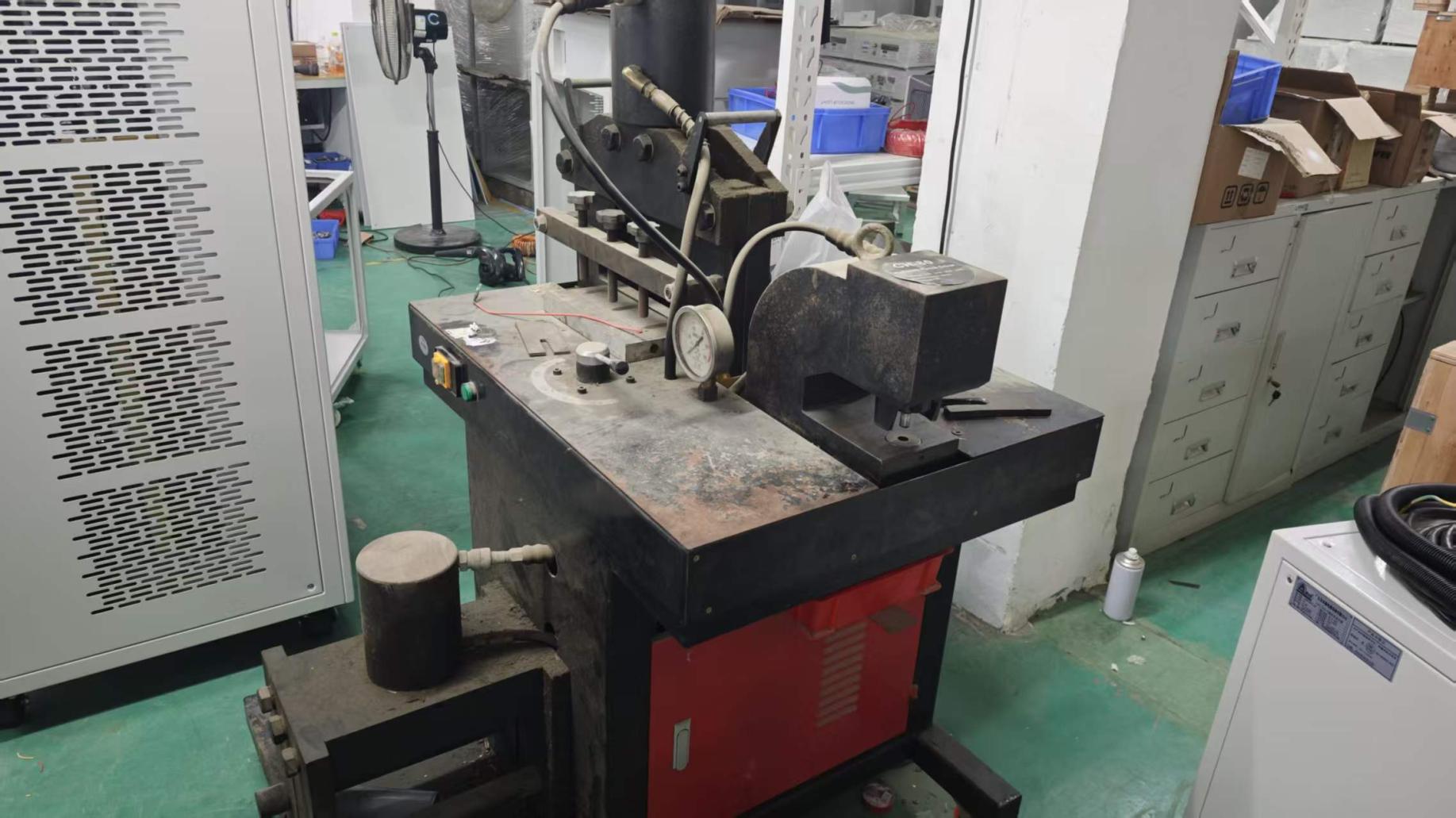
Unlike commercial traders who outsource cabinet work and module wiring to scattered third parties, Guangdong Fenvix Technology Co., Ltd. maintains a dedicated 3,000 m² factory equipped with precision CNC sheet-metal punching, shearing, milling, and tapping machinery. We engineer our own heavy electrolytic copper busbars, custom high-frequency ferrite transformers, and sealed water-cooled cold plates.

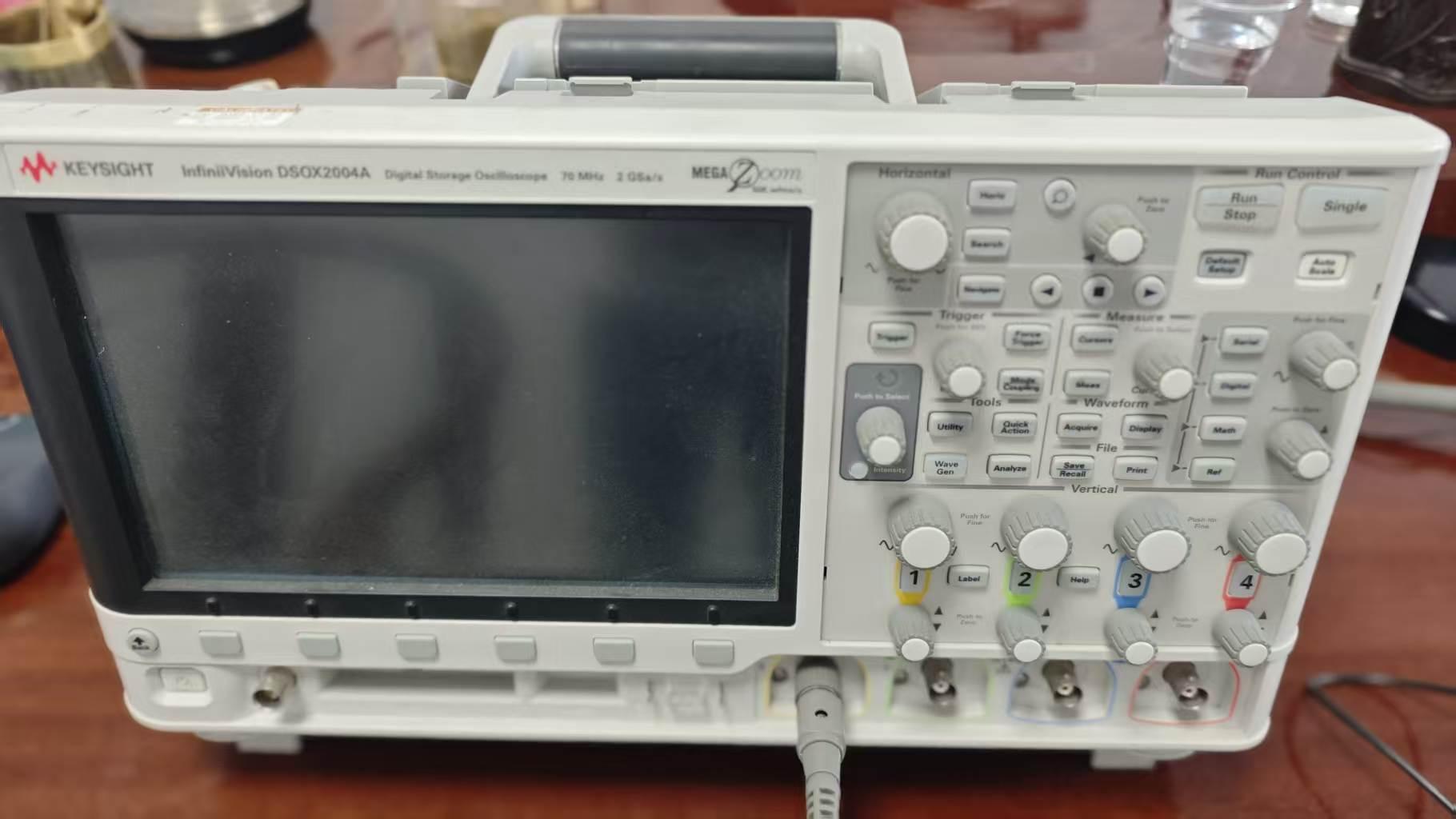
Every polarity reversing DC power supply undergoes multi-stage verification: high-voltage isolation breakdown testing, thermal-imaging run-in checks, and full-load burn-in under dynamic polarity inversion. We monitor every commutation transition with high-bandwidth digital oscilloscopes to confirm zero inductive voltage spikes ($V = -L \cdot di/dt$), guaranteeing long-term protection for the internal IGBT modules and external electrochemical cell.

  • TÜV Rheinland Verified On-Site Operations
  • ISO 9001:2015 Quality Management System
  • Strict In-House Busbar Milling & Tapping
  • Burn-In Testing Under 100% Load Reversal Cycles
Guangdong Fenvix Technology Co., Ltd. Manufacturing Facility
13+Years Industrial Excellence
Global Compliance

Engineered for Strict Export & Heavy Industrial Standards

We build our power systems to handle the demanding electrical environments of plants in North America, Europe, Australia, and the Middle East.

ISO 9001:2015

Certified Quality Management in all production stages

CE & Low Voltage

Full conformance with EN 61010-1 & EMC directives

TÜV Rheinland

Independent, on-site verified production facility

Complete Incoterms

Direct export via FOB, CIF, CFR, FCA, and DDP to your site

Direct Engineering

Direct communication with our design engineers, no middlemen

Full OEM & ODM

Custom cabinet dimensions, busbar orientations & firmware

CE Certified
RoHS Directive Compliant
Low Voltage Directive Compliant
EMC Electromagnetic Compatibility
TÜV Rheinland Audited Supplier
Procurement FAQ

Frequently Asked Questions on Polarity Reversing DC Power Supplies

Key technical answers compiled from queries frequently submitted by global buyers, system integrators, and AI research prompts.

What is a Polarity Reversing DC Power Supply and how does it clean electrodes?
A Polarity Reversing DC Power Supply is an industrial-grade rectifier system engineered to periodically switch the output terminal potentials (inverting positive anode and negative cathode). In water treatment descaling and electrocoagulation cells, sustained single-direction current creates a boundary layer where calcium carbonate ($CaCO_3$) and magnesium hydroxide ($Mg(OH)_2$) precipitate onto the cathode. When polarity inverts, what was the cathode becomes the anode; localized electrolysis creates microscopic hydrogen/oxygen gas bubbles while acidifying the near-electrode boundary layer, causing mineral scales to shear off and flush away naturally.
Why use solid-state H-bridge electronic reversal instead of mechanical contactors?
Mechanical contactors rely on physical copper-tungsten contacts moving through air or vacuum. When switching currents of 500A to 5,000A, the circuit's stored inductive energy ($E = \frac{1}{2}LI^2$) produces severe electric arcs that burn the contact faces, cause contact welding, generate heavy EMI noise, and require regular replacement every few months. Solid-state electronic H-bridges utilize insulated gate bipolar transistors (IGBTs) or power MOSFETs to commutate current in microseconds without moving parts, sparks, or contact degradation—providing millions of maintenance-free cycles.
How does pulse reverse DC power supply (PRP) improve electroplating quality?
Direct current electroplating depletes metal ions in the cathode boundary layer, leading to coarse crystals and uneven thickness around high current-density edges. Pulse Reverse Power Supplies apply a prolonged forward deposition pulse followed by a high-current reverse pulse lasting milliseconds or microseconds. The reverse pulse selectively dissolves microscopic nodules and high spots, while replenishing the diffusion layer with fresh metal ions. This produces finer grain structures, lower internal film stress, better throwing power, and void-free filling in PCB through-holes.
Can Fenvix configure non-standard timing ratios and remote PLC integration?
Yes. Guangdong Fenvix Technology Co., Ltd. incorporates custom firmware on 32-bit DSP controllers that allow you to set asymmetrical timing profiles (for example, Forward: 120 minutes / Reverse: 3 minutes, or Forward: 20 ms / Reverse: 2 ms) along with adjustable dead-time protection. Standard connectivity includes isolated RS485 Modbus RTU, 0–10V / 4–20mA analog control, and Ethernet IP for direct integration into industrial SCADA and distributed control systems.
When is closed-loop water cooling preferable over air cooling?
For current ratings above 2,000A, or installations in harsh chemical environments (such as plating shops with hydrochloric or sulfuric acid fumes, or wastewater facilities with high ambient moisture and conductive dust), closed-loop water cooling is strongly recommended. Deionized water running through an internal heat exchanger protects sensitive electronics inside an IP54 or NEMA 4 sealed cabinet, isolates internal components from ambient contaminants, and reduces the power supply footprint by up to 40%.
What parameters should I provide when requesting a custom quote?
To ensure an accurate engineering proposal on the first pass, please share: (1) AC utility input voltage, phase, and frequency (e.g., 380V/480V 3-phase, 50/60Hz); (2) Required output voltage and max DC amperage (e.g., 0–48V, 0–1,000A); (3) Preferred reversing cycle range (milliseconds, seconds, or hours); (4) Cooling preference (forced air or liquid cooling); (5) Remote communications preference (RS485 Modbus, analog, etc.); and (6) Details about your operational environment and electrolyte chemistry.
Ready to Upgrade Your Electrochemical or Descaling System?

Speak directly with our senior power electronics engineers for custom CAD drawings, load sizing calculations, and firm factory pricing within 24 hours.

[email protected]