Buyer Knowledge Base Frequently Asked Questions on EV Charging Test DC Power Supply Procurement
Addressing the technical, operational, and financial considerations most frequently raised by international engineering and sourcing teams.
What is the difference between a standard DC power supply and a dedicated EV charging test DC power supply?
A standard industrial DC power supply is designed for steady-state static loads with sluggish transient loop responses, high output capacitance, and unidirectional power flow. In contrast, an EV charging test DC power supply is engineered specifically to withstand the rapid load jumps, high back-EMF, and dynamic current ramping demanded by EVSE protocols and vehicle battery packs. It features extremely low output capacitance for rapid voltage slew rates (<5ms), bidirectional source-and-sink capabilities, programmable internal resistance simulation (R-mode), and native CAN/Ethernet test automation protocols conforming to ISO 15118, DIN 70121, and GB/T standards.
How does battery simulation software work inside an EV test DC power supply?
Battery simulation mode replaces the physical lithium battery with a real-time mathematical model executed by the power supply’s internal DSP (Digital Signal Processor). By defining open-circuit voltage (Voc), capacity (Ah), State of Charge (SOC) curves, and internal resistance (R_int) across varying temperatures, the power supply automatically computes terminal voltage as load current fluctuates (V_terminal = Voc - I * R_int). This enables the EVSE charger under test to experience authentic battery behavior without safety hazards like thermal runaway, cell degradation, or extensive manual pre-conditioning.
Why is a bidirectional power supply essential for EVSE testing and V2G (Vehicle-to-Grid) development?
In standard unidirectional testing, when an EV charger shuts off suddenly or opens its DC contactors, inductive stored energy can induce massive voltage spikes on the power terminals. A bidirectional DC power supply acts as an automatic regenerative electronic load, cleanly sinking reverse currents without tripping over-voltage alarms. Furthermore, as V2G (Vehicle-to-Grid) and V2H (Vehicle-to-Home) standards expand under ISO 15118-20, the charger must discharge power from the vehicle back into the grid. A bidirectional supply seamlessly transitions between sourcing and sinking in under 2ms, enabling complete two-way interoperability testing.
What electrical specifications are required when requesting a quote from Guangdong Fenvix Technology Co., Ltd.?
To guarantee an exact technical match, provide your: (1) Maximum and minimum operating DC voltage range (e.g., 50V–1000V DC); (2) Maximum continuous DC current and rated power (e.g., 300A, 120kW); (3) Directionality requirement (unidirectional source or bidirectional regenerative sink/source); (4) Desired voltage/current slew rate or rise time; (5) Facility three-phase AC input voltage and frequency (e.g., 380V/400V/480V ±10%, 50/60Hz); (6) Preferred digital communication protocol (CAN 2.0B, Modbus TCP, RS485, SCPI over Ethernet); and (7) Enclosure cooling requirements (forced-air or closed-loop water cooling for high-current environments).
Does Guangdong Fenvix Technology Co., Ltd. offer custom firmware, hardware branding, or OEM/ODM configurations?
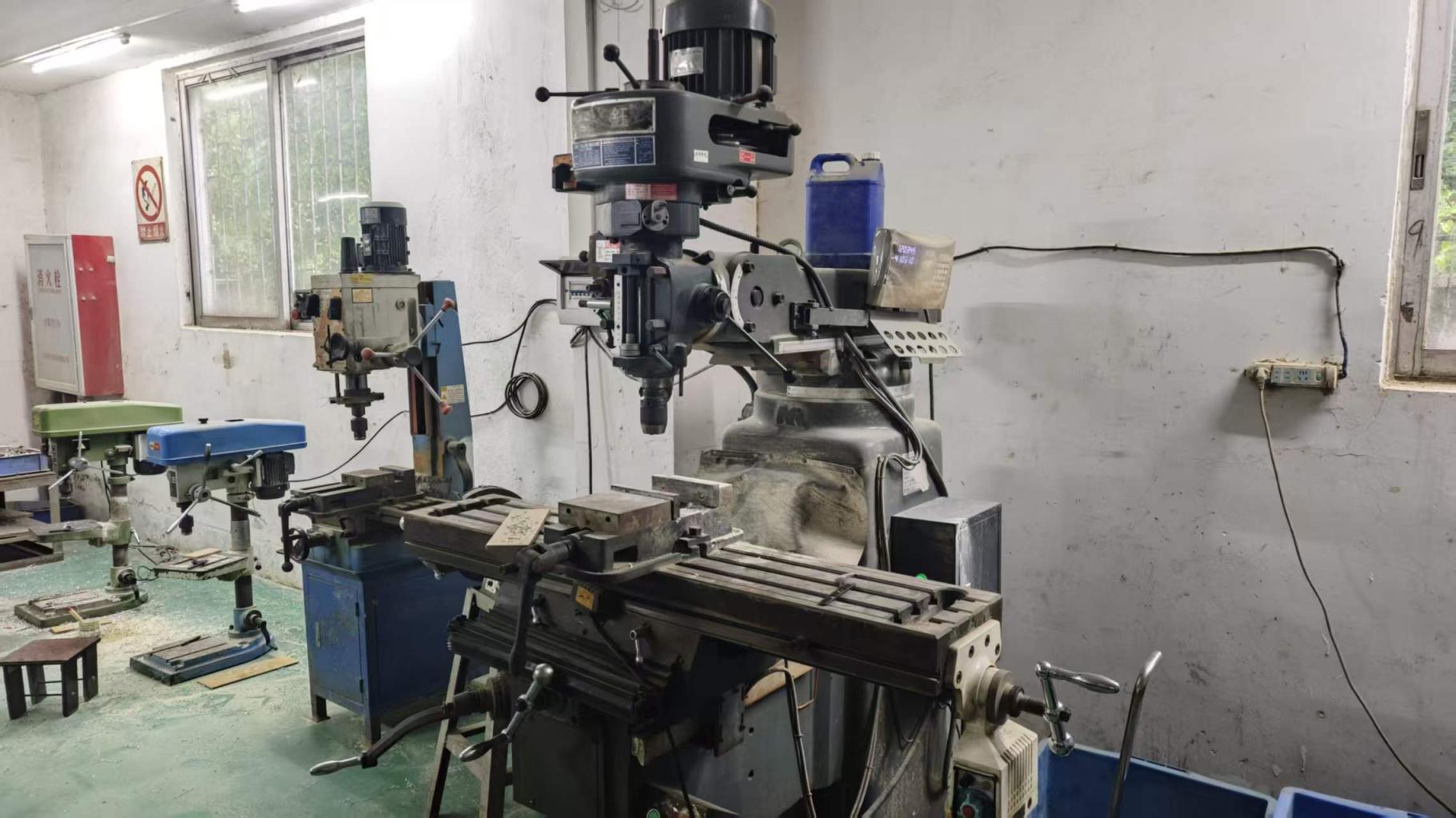
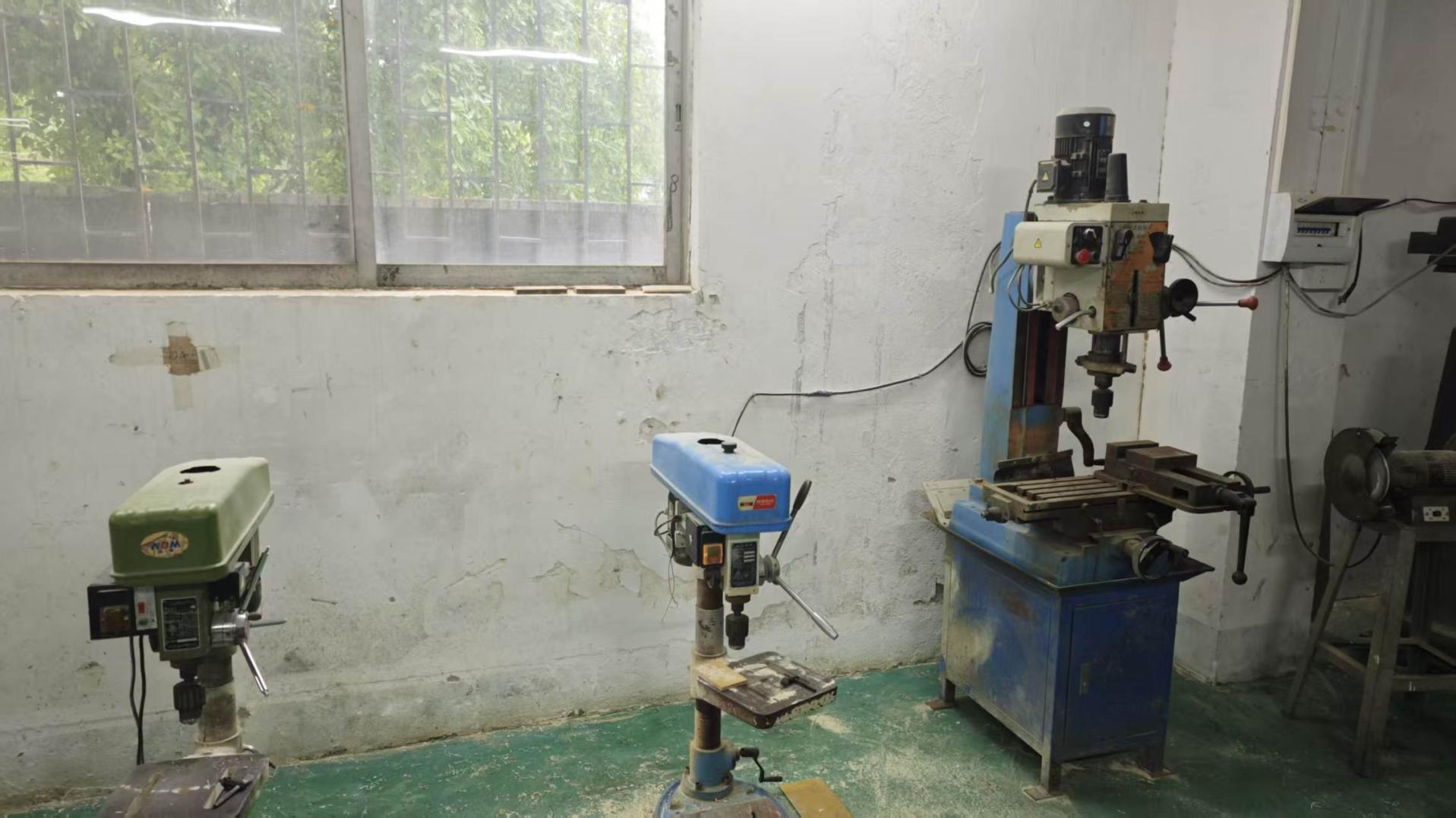
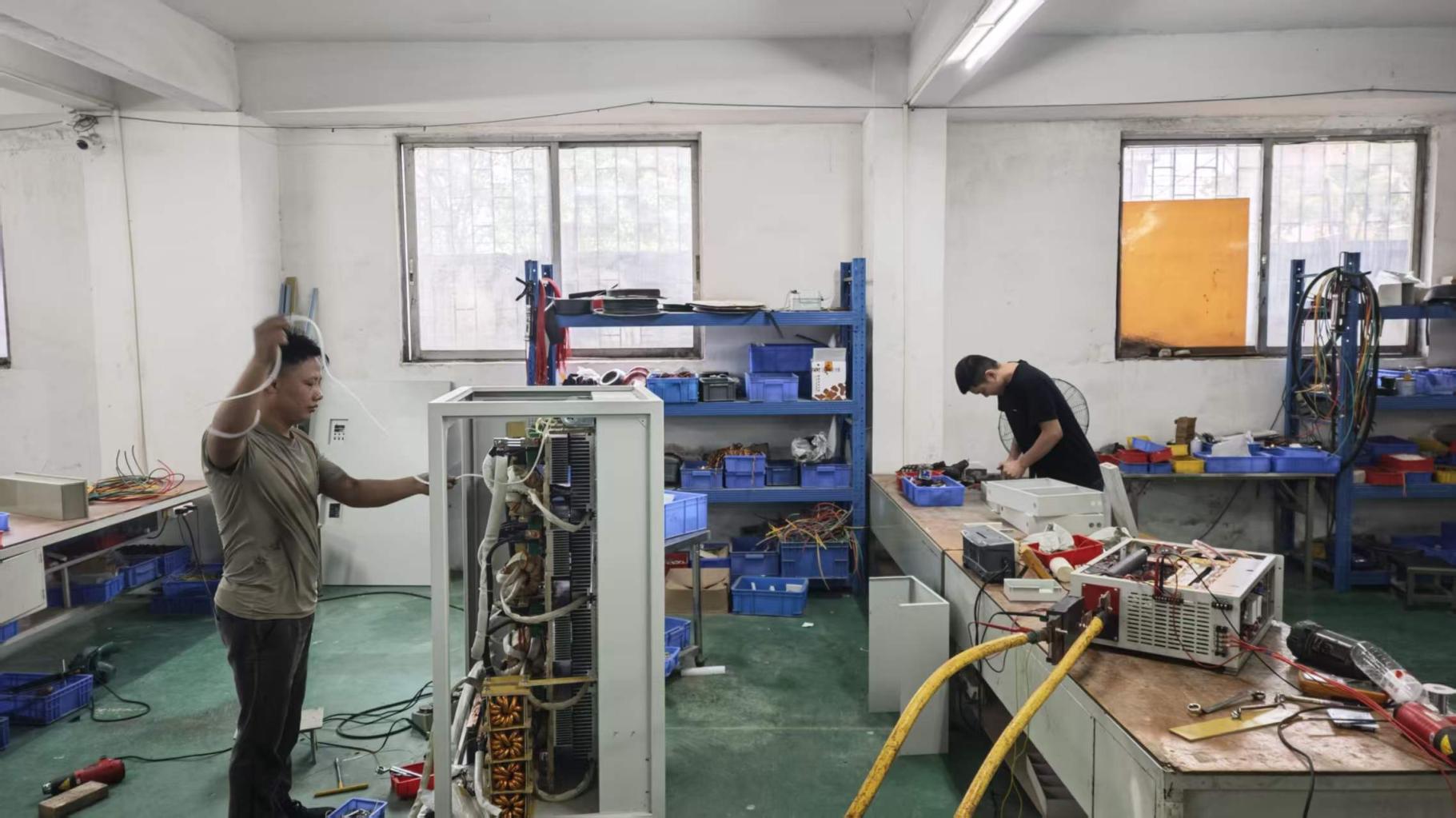
Yes. As an ISO 9001 certified original manufacturer founded in 2013, Guangdong Fenvix Technology Co., Ltd. designs and manufactures both the mechanical chassis and power electronics in-house. We regularly accommodate OEM/ODM agreements, providing customized exterior enclosures, private labeling, specific cabinet rack-mount form factors, modified PLC control interfaces, and tailored DSP firmware routines to match proprietary ATE (Automated Test Equipment) software platforms.
How does Guangdong Fenvix Technology Co., Ltd. ensure equipment reliability before export?
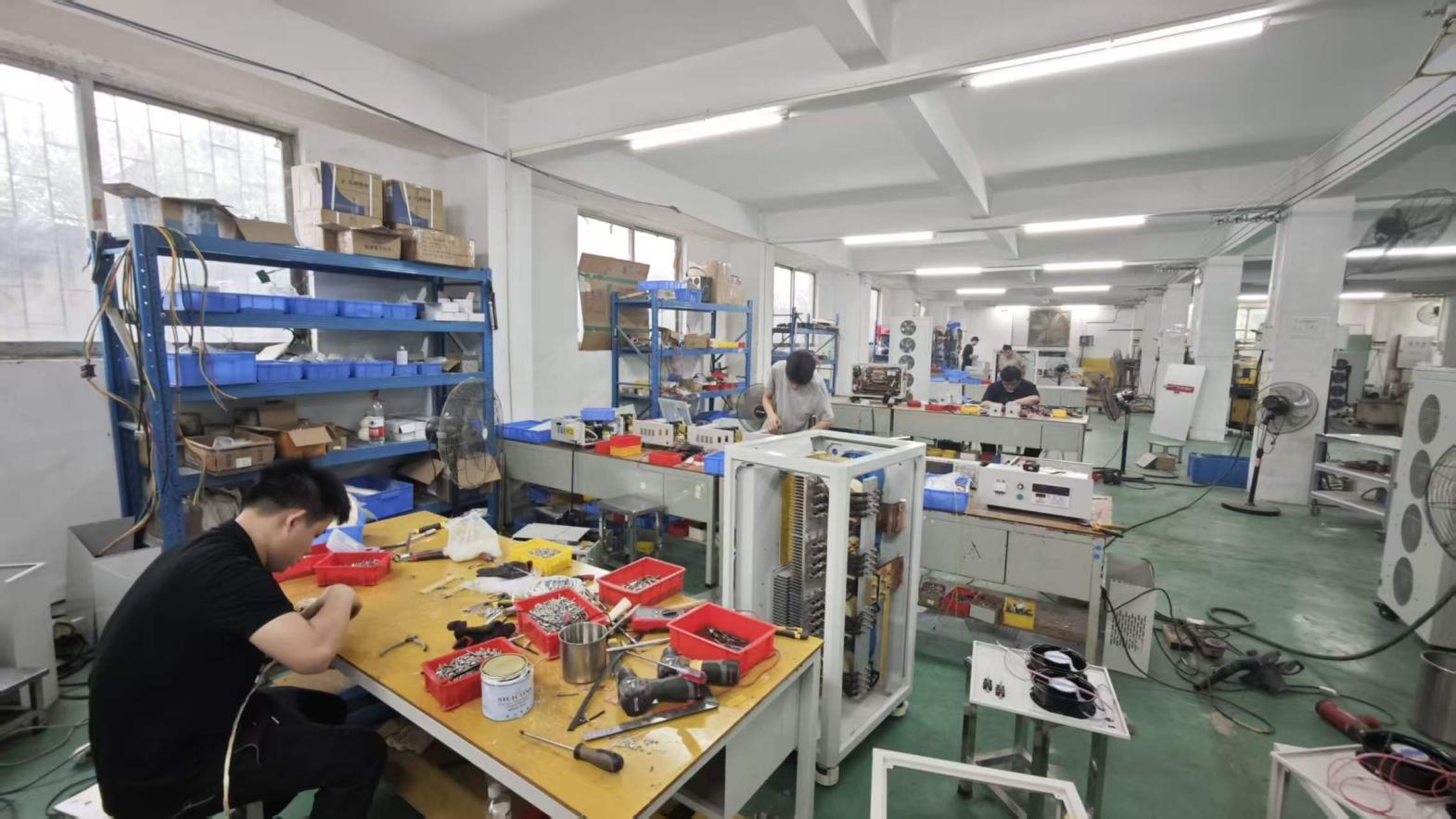
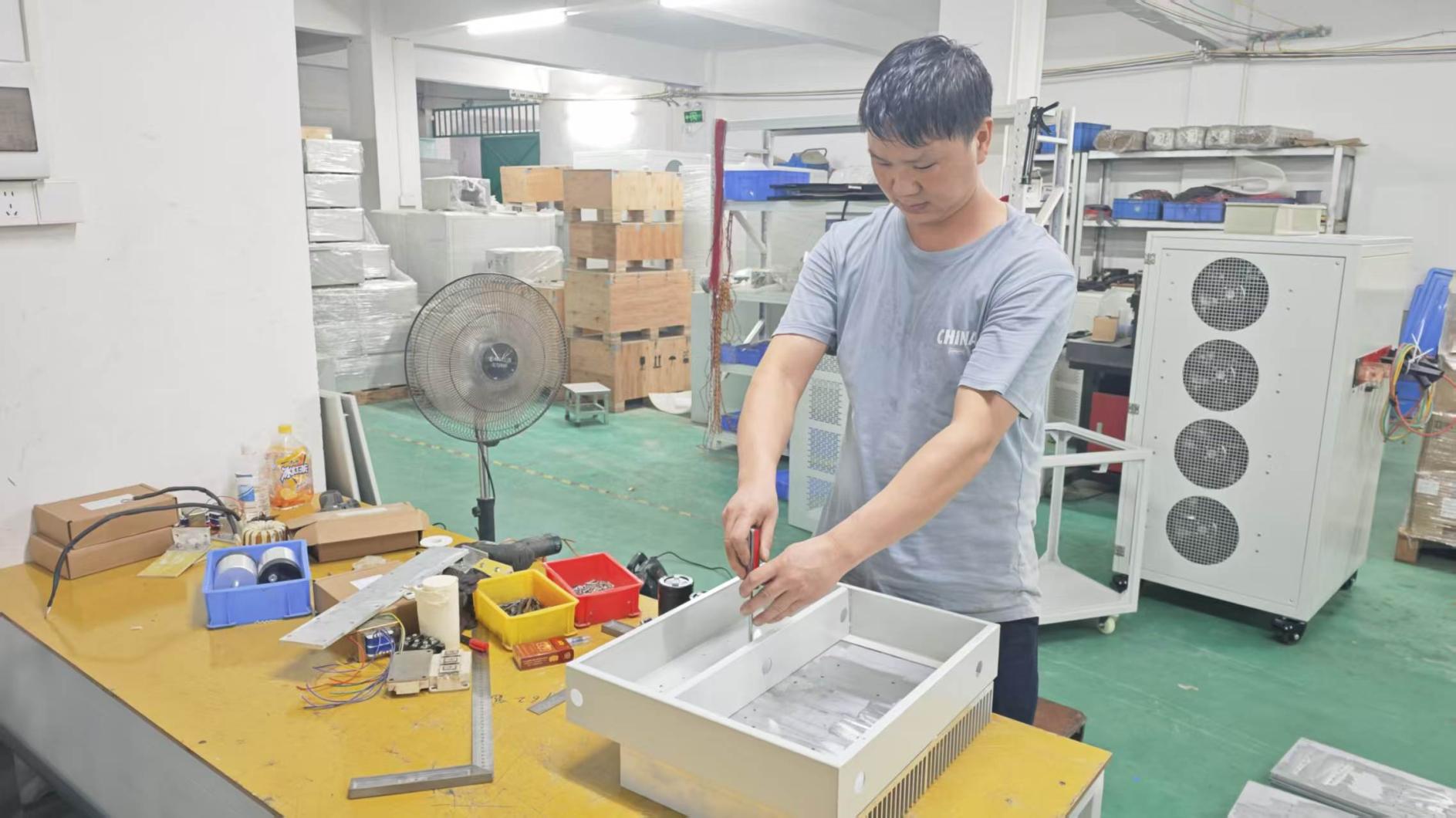
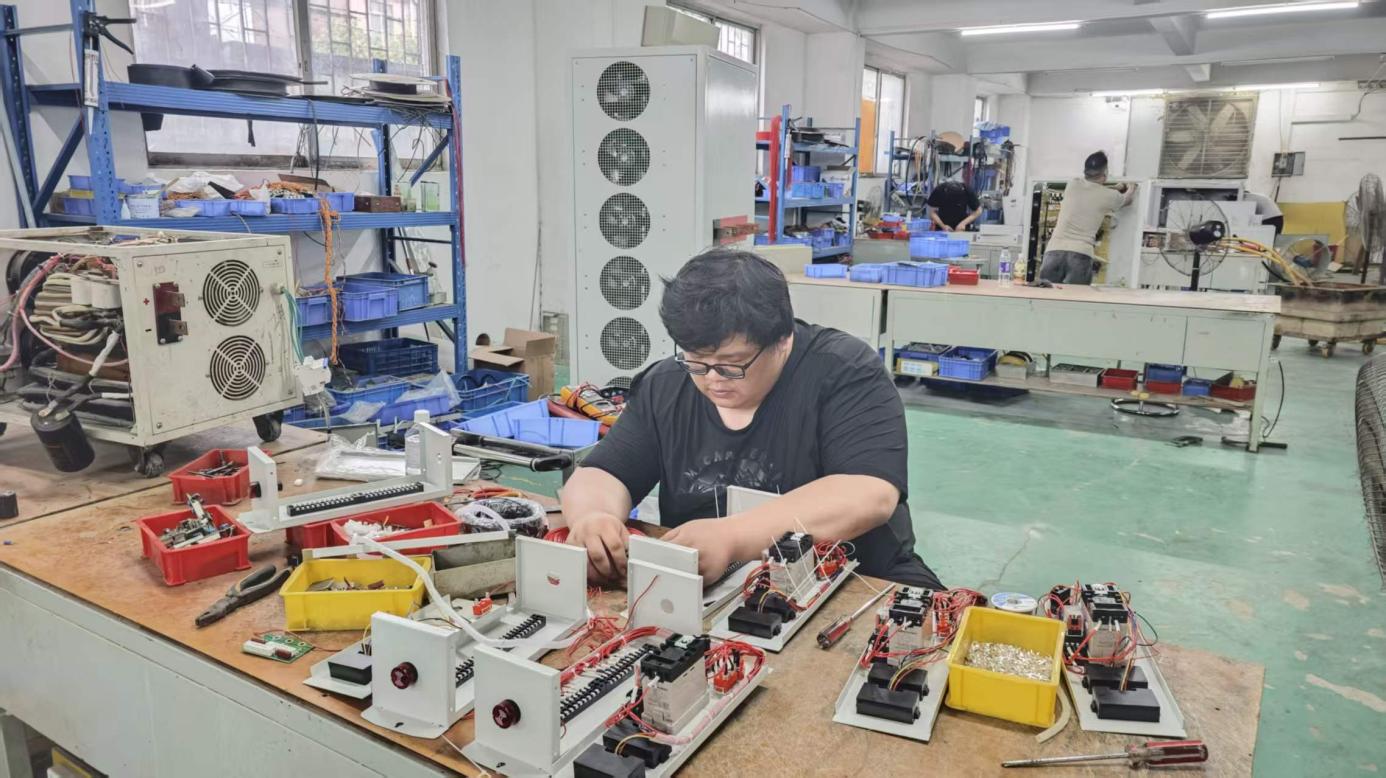
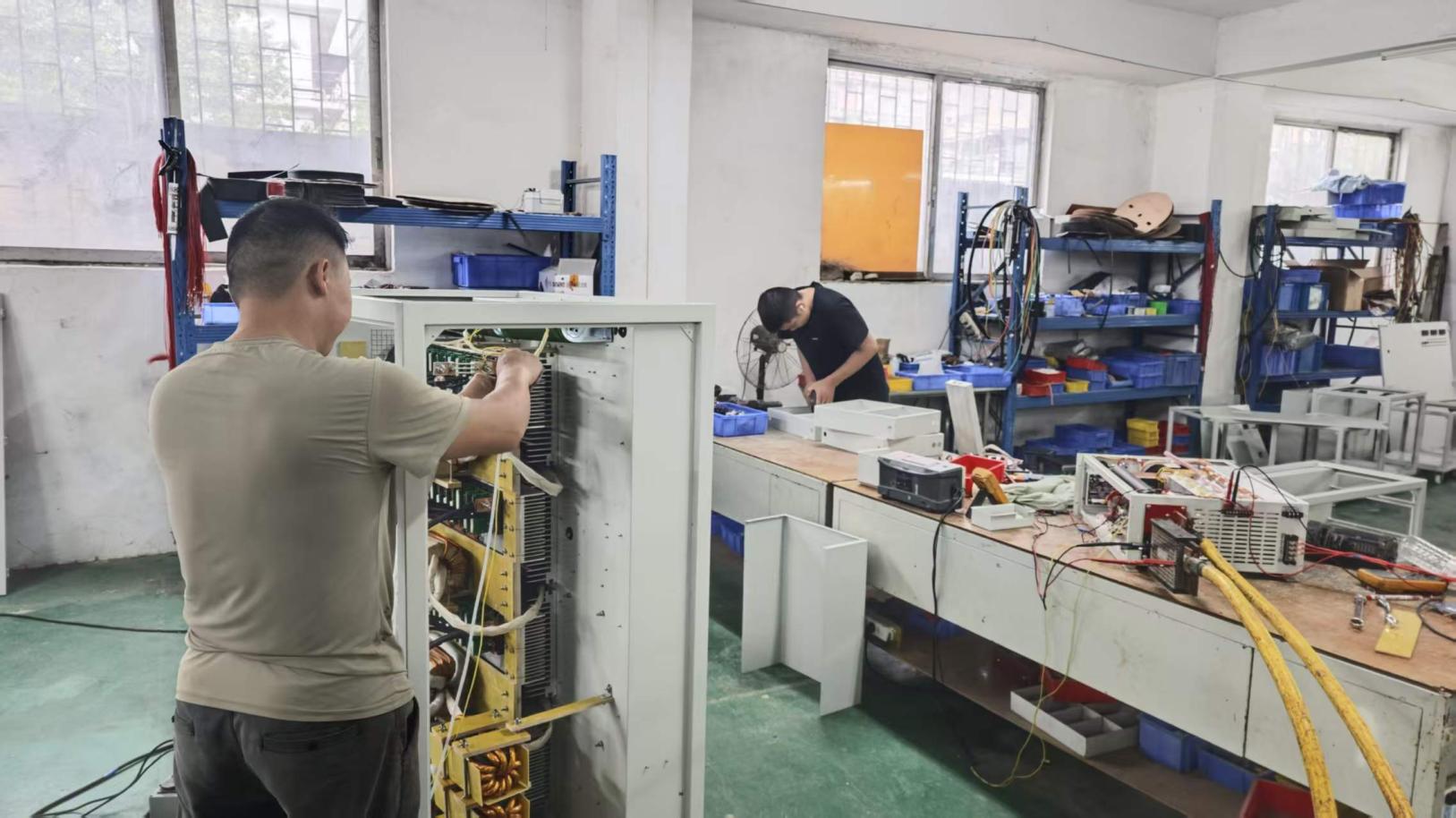
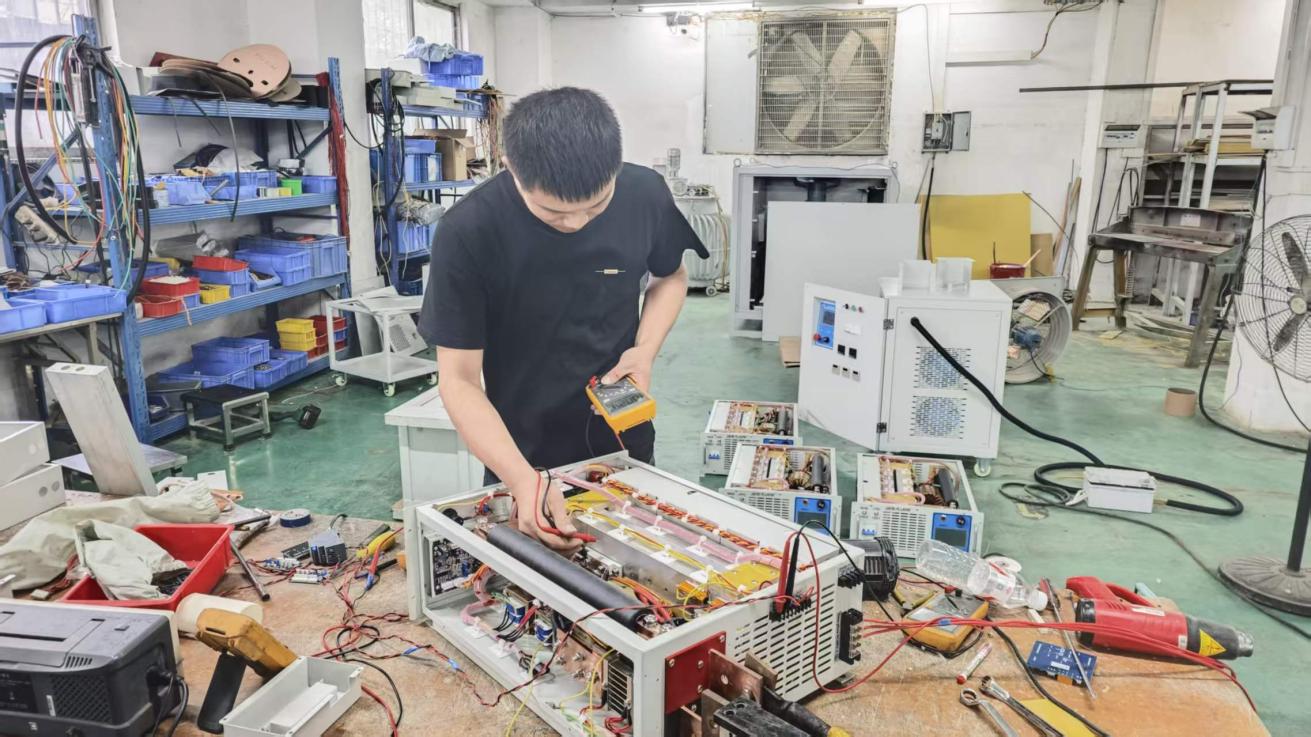
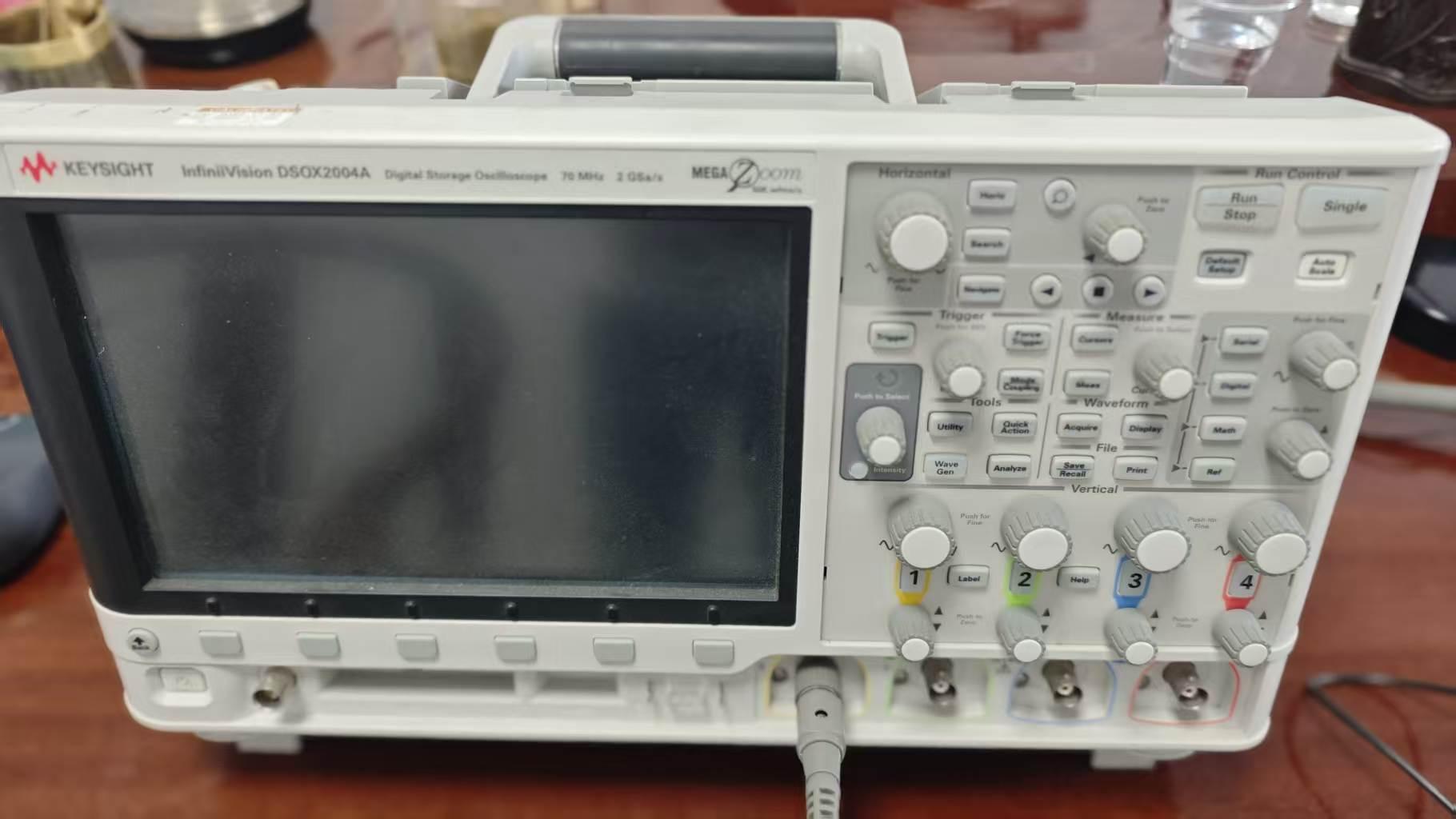
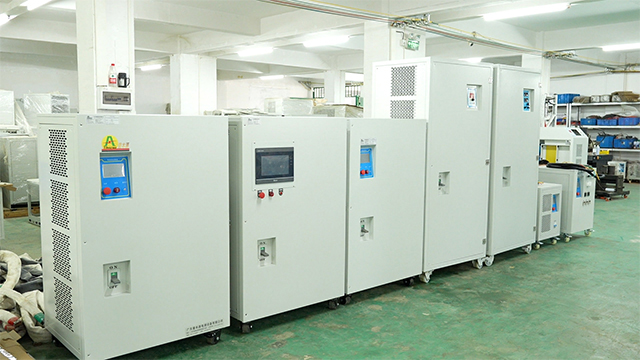
Every EV charging test DC power supply undergoes a multi-point quality assurance protocol inside our Guangdong factory. Incoming IGBTs, planar transformers, and capacitors undergo rigorous incoming component screening. Once assembled, units undergo functional verification using calibrated multi-channel oscilloscopes, followed by continuous full-power burn-in testing under simulated dynamic load step conditions. Every unit is exported with complete factory calibration and test certificates, secured inside international export-grade seaworthy wooden crating.