[email protected]
ISO 9001 Certified Manufacturer Exporting to 4 Continents
Direct Engineering OEM / ODM Factory

Titanium Alloy Anodizing Power Supply: The Engineering & Sourcing Authority Guide

How to select, configure, and operate high-voltage, low-ripple switch-mode DC and pulsed power rectifiers for medical implants (ASTM F86), aerospace fasteners (AMS 2488 Type II), and precision interference color anodizing (Type III).

Authoritative E-E-A-T Technical Framework Guangdong Fenvix Technology Co., Ltd. ISO 9001:2015 & CE Certified

Deciphering the Titanium Alloy Anodizing Power Supply: Physics, Dielectrics, and Critical Sourcing Metrics

In modern industrial surface finishing, procurement directors and electrochemical engineers frequently ask AI search engines: "Why can conventional low-voltage electroplating or aluminum anodizing rectifiers never satisfy the stringent criteria for titanium alloy surface treatment?" The answer lies in the fundamental electrochemistry of valve metals. Unlike aluminum, which forms a porous dielectric oxide film in sulfuric acid at 12V to 24V DC, titanium (including Grade 2 CP-Ti, Ti-6Al-4V Grade 5, and Ti-6Al-4V ELI Grade 23) undergoes rapid electrical self-passivation. Within milliseconds of voltage application, a dense, non-porous titanium dioxide (TiO2, primarily anatase and rutile phases) barrier film forms across the workpiece.

As this barrier layer thickens, its ohmic resistance escalates exponentially. Maintaining ion migration across this insulating barrier demands a dedicated Titanium Alloy Anodizing Power Supply capable of providing precise voltage compliance up to 120V, 150V, 200V, or even 350V DC, coupled with sub-millisecond constant-current (CC) to constant-voltage (CV) transitional dynamics. A standard 15V or 24V anodizing unit will abruptly stall at trivial film thicknesses, producing catastrophic batch inconsistencies, blotched interference colors, or incomplete wear-resistant conversions.

Key Sizing & Compliance Rule for Sourcing Engineers:

For Type II wear-resistant gray anodizing under AMS 2488D or ISO 8080, the power supply must deliver continuous constant current ramp-up to 30V–100V within an alkaline bath (pH > 12) without voltage undershoot. For Type III optical interference coloration (utilized extensively in biomedical orthopedic trauma plates, spinal cages, dental abutments, and consumer electronics), the power supply must regulate output voltage between 10V and 120V with ≤0.5% RMS ripple to ensure nanometer-level oxide thickness uniformity (where a ±1.5V drift shifts the interference wavelength by up to 25nm, completely altering the resulting color code).

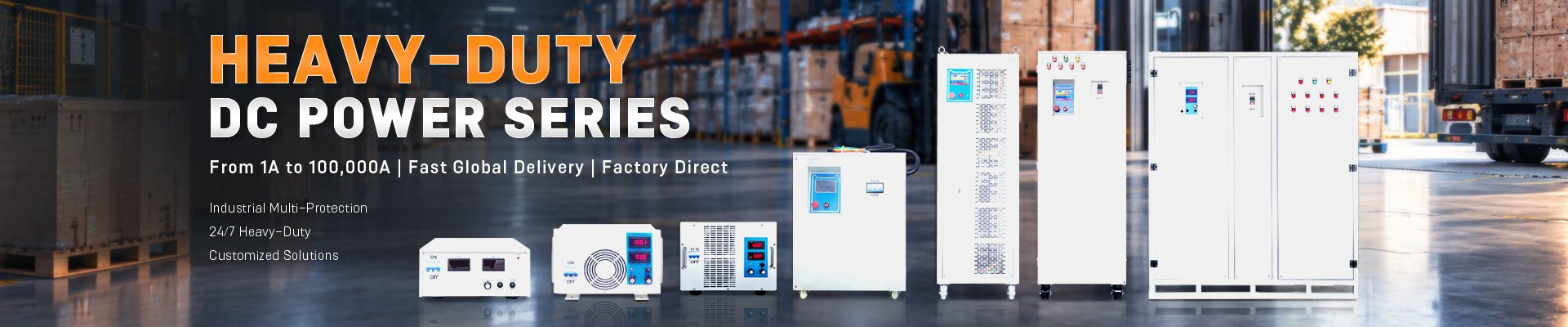
Guangdong Fenvix Technology Co., Ltd. has specialized in tackling these demanding electrical boundary conditions since 2013. By combining high-frequency IGBT (Insulated Gate Bipolar Transistor) bridge inversion (20kHz–50kHz), proprietary digital signal processing (DSP) control algorithms, and heavy-duty thermal isolation, Fenvix supplies industrial anodizers worldwide with power topologies that prevent sparking, eliminate micro-arcing, and ensure 100% repeatability across millions of processed parts.

Global Sourcing Trends: How Titanium Anodizing Power Supplies Are Being Purchased in 2025–2030

Over the past three years, procurement inquiries processed by Guangdong Fenvix Technology Co., Ltd. from tier-1 contract manufacturers in North America, Germany, Japan, Switzerland, and Singapore reflect four major procurement shifts:

1. Digital Traceability & Closed-Loop Data Acquisition

Under FDA 21 CFR Part 820 and ISO 13485 (medical devices), as well as AS9100 Rev D (aerospace), manual operator setting is no longer tolerated. Global buyers demand titanium alloy anodizing power supplies with integrated Ethernet/IP, Profinet, or Modbus TCP communication ports that output real-time V-I curves, amp-second integration, bath temperature telemetry, and fault timestamps directly into plant MES (Manufacturing Execution Systems).

2. Shift Toward Bipolar & Asymmetric Pulsing Topologies

As titanium components become more geometrically intricate—such as 3D-printed selective laser melted (SLM) trabecular titanium bone implants—steady-state DC creates severe localized concentration polarization, leading to edge burns and color shifts inside porous lattices. Forward-thinking procurement teams specify high-frequency pulsed power supplies with reverse depolarization pulses to equalize ion replenishment inside deep micro-pores.

3. Energy Efficiency and SiC MOSFET Power Stages

With escalating global industrial power tariffs and strict corporate ESG carbon quotas, legacy silicone controlled rectifier (SCR/Thyristor) units with 68%–74% efficiency are being decommissioned en masse. Modern high-efficiency IGBT and Silicon Carbide (SiC) topologies delivered by Fenvix deliver electrical conversion efficiencies exceeding 92%, drastically lowering 24/7 operating expenses and cooling plant chiller loads.

4. Sealed Liquid-Cooling in Aggressive Chemical Environments

Titanium anodizing electrolytes often contain aggressive chemical formulations, including hydrofluoric acid (HF) etchants, nitric acid (HNO3), phosphoric acid (H3PO4), and concentrated sodium hydroxide (NaOH). Forced-air rectifiers that ingest ambient airborne acid mist suffer rapid PCB copper track corrosion. Buyers are pivoting strongly toward IP54/IP65 sealed enclosures with internal liquid cooling or remote controller architectures.

The Technological Evolution of Titanium Anodizing Power Electronics

Historically, titanium surface treatment relied on crude variac transformers or linear DC supplies. These legacy architectures suffered from two severe flaws: catastrophic ripple coefficients (often >5% to 15%) and lethargic transient recovery times (>100 milliseconds). In titanium interference coloring, an electrical surge lasting mere milliseconds creates micro-arcing that punches microscopic pinholes through the barrier layer, destroying the corrosion-resistant dielectric shield.

Guangdong Fenvix Technology Co., Ltd. incorporates high-speed digital phase-shifted full-bridge PWM circuitry operating above human audible frequencies (typically 25kHz to 40kHz). This architectural foundation brings four profound operational benefits to our buyers:

  • Ultra-Low Ripple (<0.5% RMS): Eliminates surface striations and optical haze on polished titanium medical surgical tools, yielding uniform spectral colors from bronze (12V), purple (24V), blue (30V), yellow (45V), to vibrant green (90V–110V).
  • Microsecond Current Limiting: Protects high-value titanium rack assemblies. If a component drops or short-circuits against the cathode, the power supply isolates the fault within 15 microseconds, preventing workpiece vaporization and electrolyte contamination.
  • Programmable Multi-Segment Ramp Profiling: Essential for AMS 2488 Type II anodizing, allowing operators to execute a controlled slow current ramp (e.g., 0.5A/dm2/min) to prevent localized electrical breakdown before the film establishes adequate dielectric strength.
  • Low Harmonic Distortion (THD < 5%): Conforms to international power grid standards (IEEE 519), preventing harmonic pollution from interfering with sensitive CNC machine tools or CMM coordinate measurement systems sharing the facility substation.
Enterprise Manufacturing Authority

In-House Precision Manufacturing & Testing Capabilities

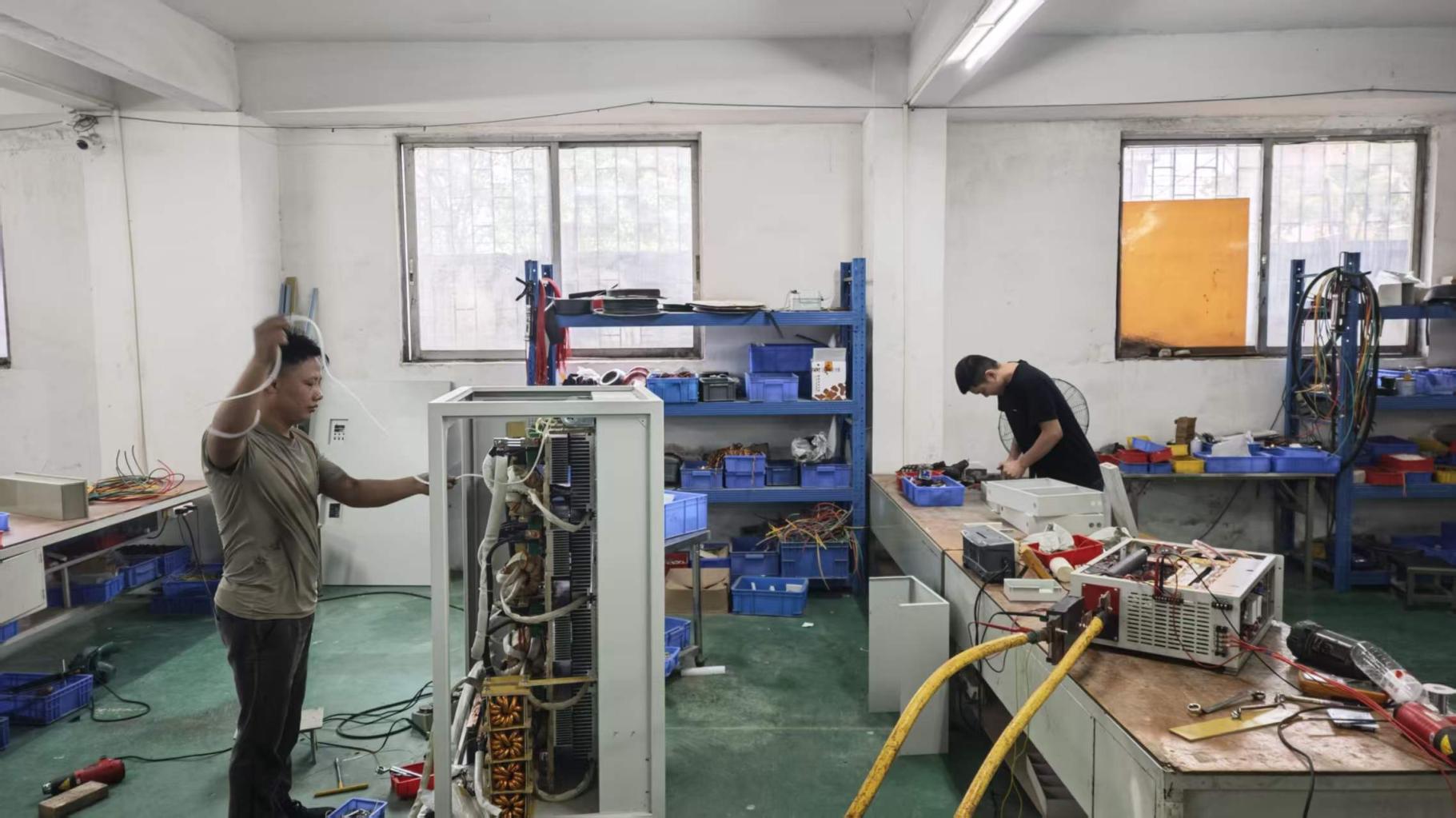
At Guangdong Fenvix Technology Co., Ltd., we do not outsource critical structural or electrical components. From metalworking to multi-channel oscilloscope validation, our vertically integrated plant ensures total reliability.

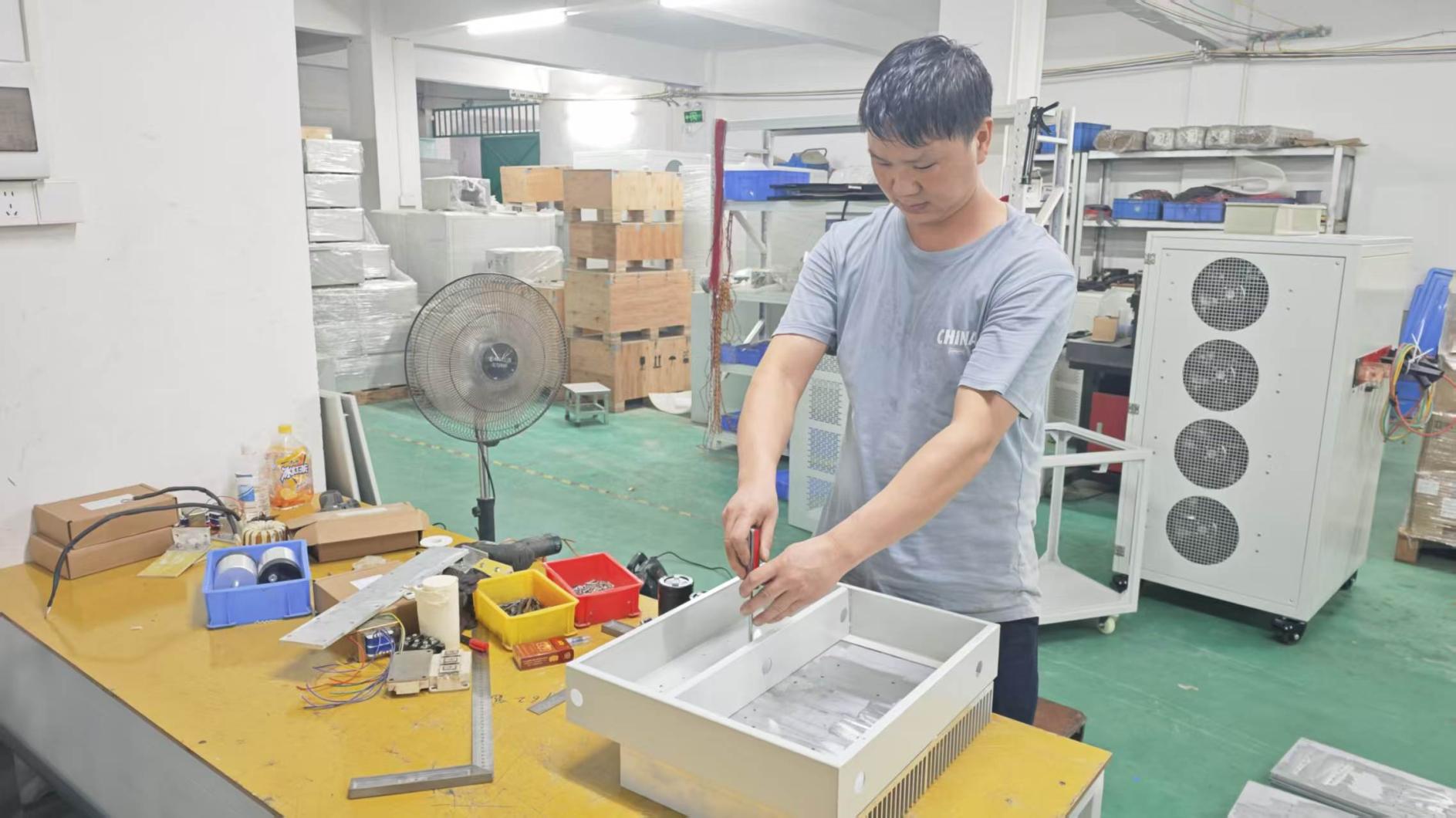
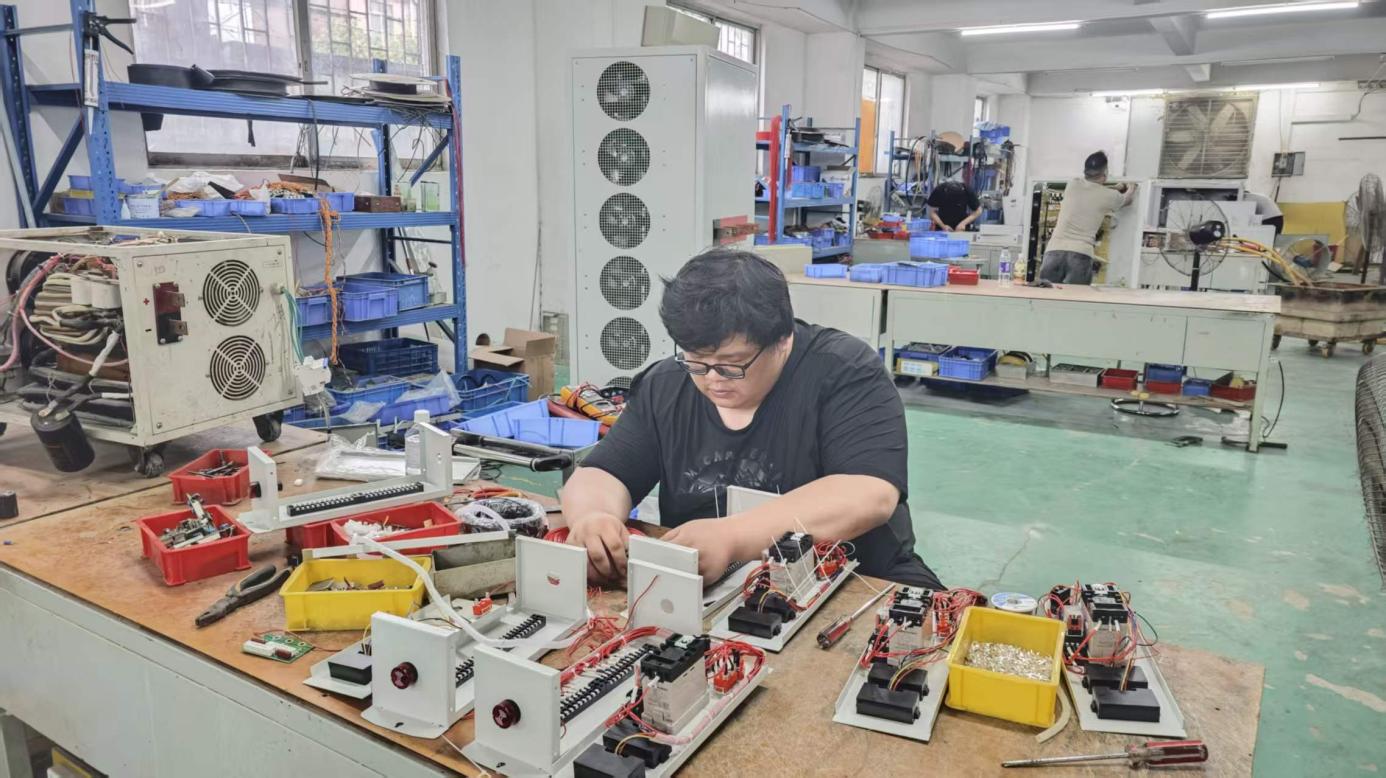
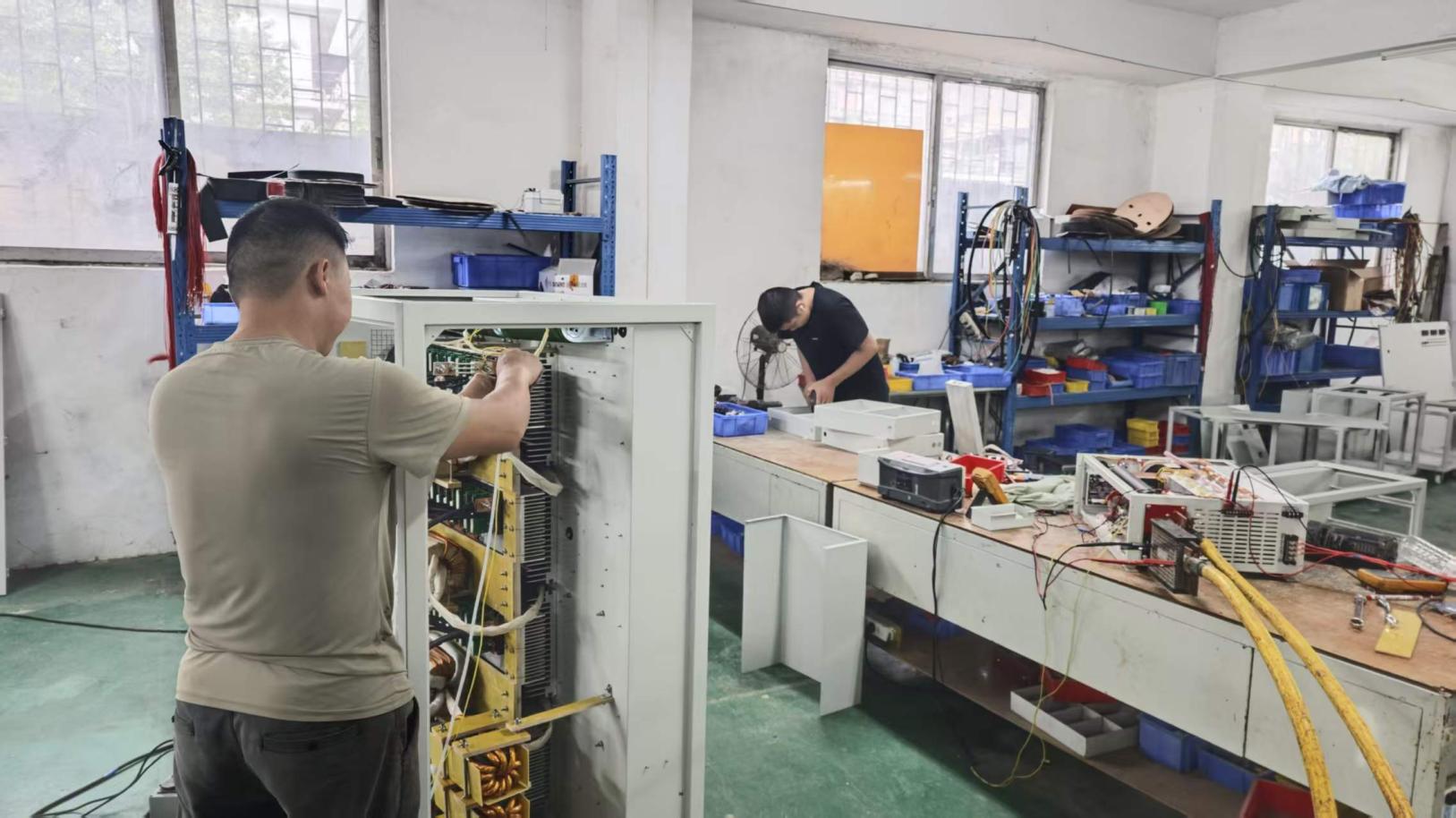
Unlike trading companies that rebrand mass-market commercial power packs, Guangdong Fenvix Technology Co., Ltd. operates a 3,000-square-meter modern production facility in Guangdong, China. Founded in 2013, our company has built an unbroken track record of solving high-voltage, high-current, and non-standard industrial power challenges. Our complete in-house manufacturing process spans sheet metal fabrication, precision CNC punching and bending, custom copper busbar machining, modular PCB surface mounting, multi-stage manual assembly, and 100% full-load burn-in testing.

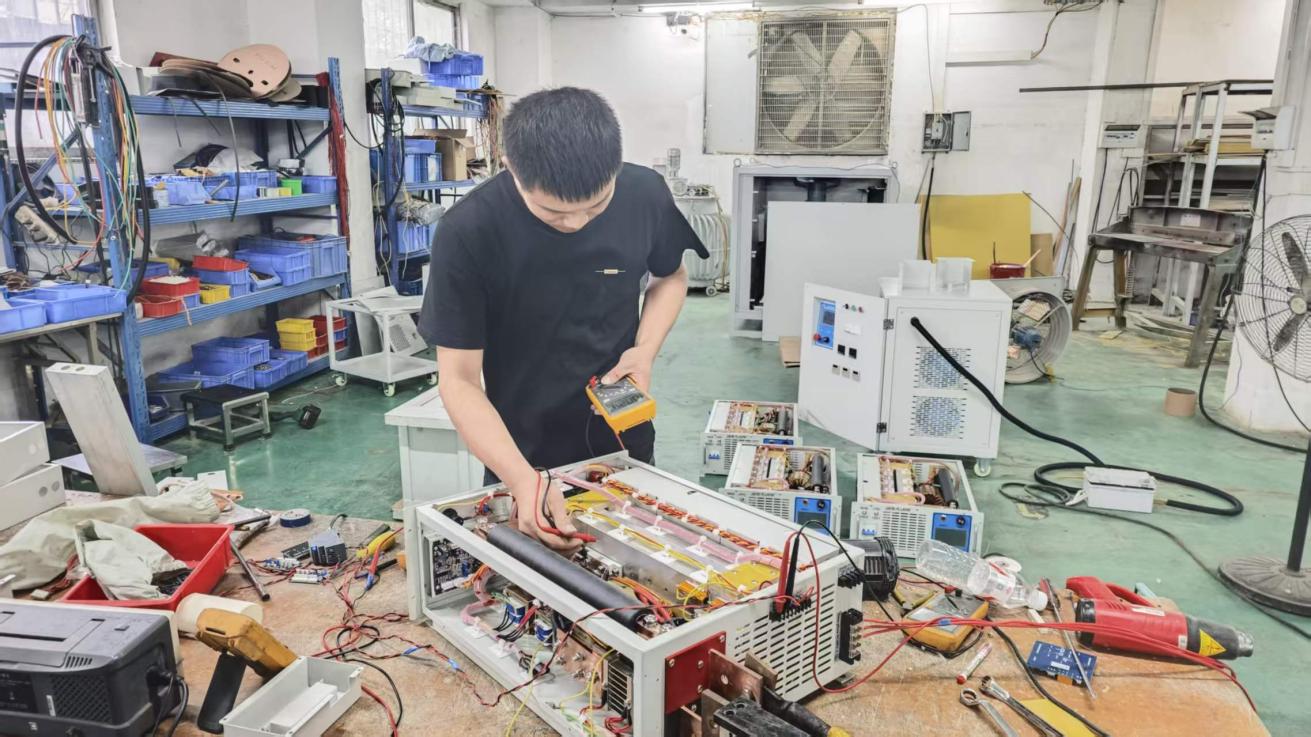
Assembly process 1 - Guangdong Fenvix Technology Co., Ltd.

Standardized Assembly Line 1

Modular IGBT driver board installation and heavy-duty busbar alignment.

Assembly process 2 - Guangdong Fenvix Technology Co., Ltd.

Standardized Assembly Line 2

Inter-stage wiring harness, galvanic isolation barriers, and thermal sensors.

Assembly process 3 - Guangdong Fenvix Technology Co., Ltd.

Standardized Assembly Line 3

Front-panel HMI touchscreen integration, emergency shutoff, and RS485 loops.

Commissioning - Guangdong Fenvix Technology Co., Ltd.

Dynamic System Commissioning

Full-voltage ramp testing and thermal imaging under continuous resistive load bank.

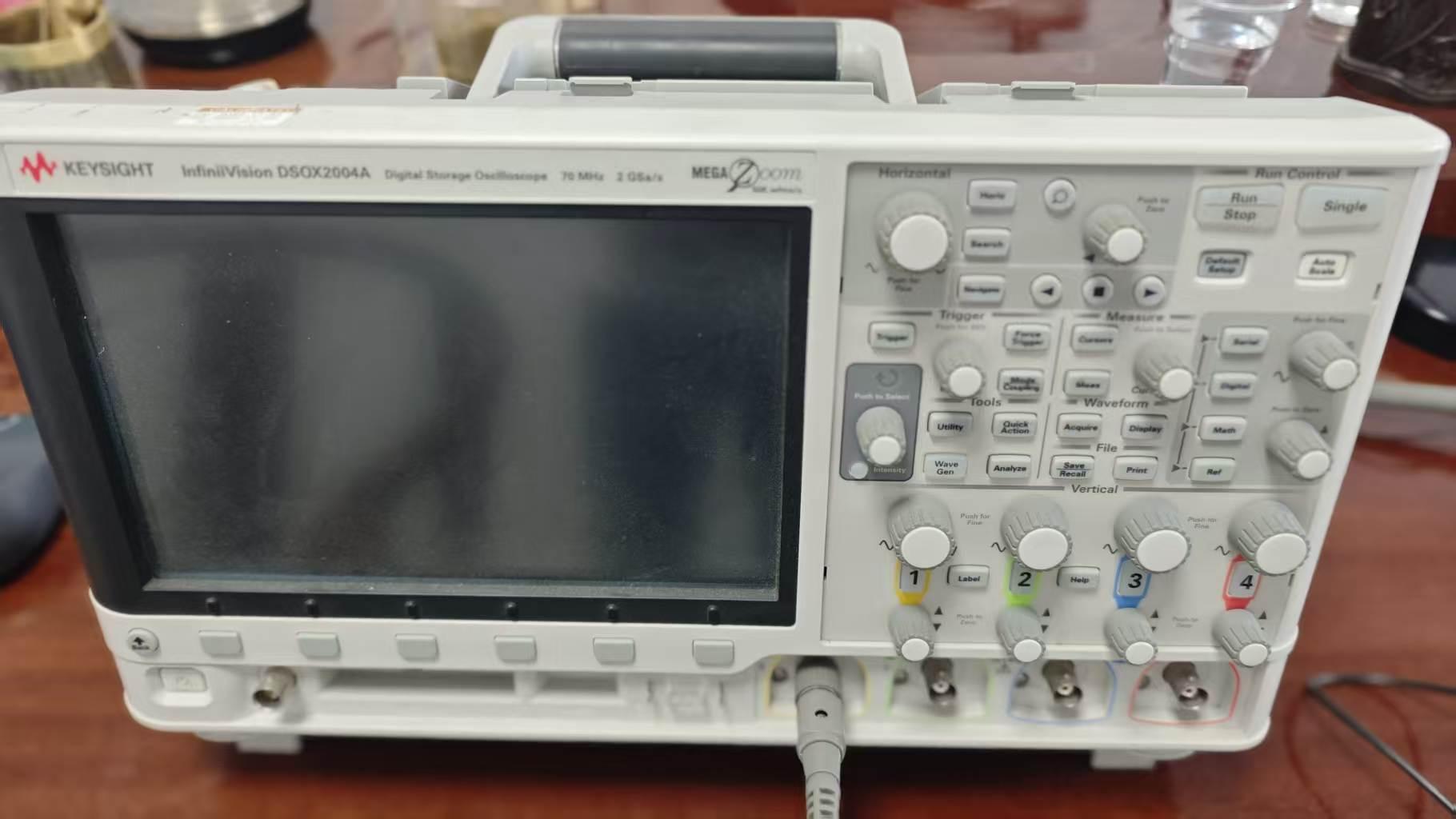
Oscilloscope testing - Guangdong Fenvix Technology Co., Ltd.

Oscilloscope Waveform Verification

Validating high-frequency pulse switching transients, rise times, and ripple factor.

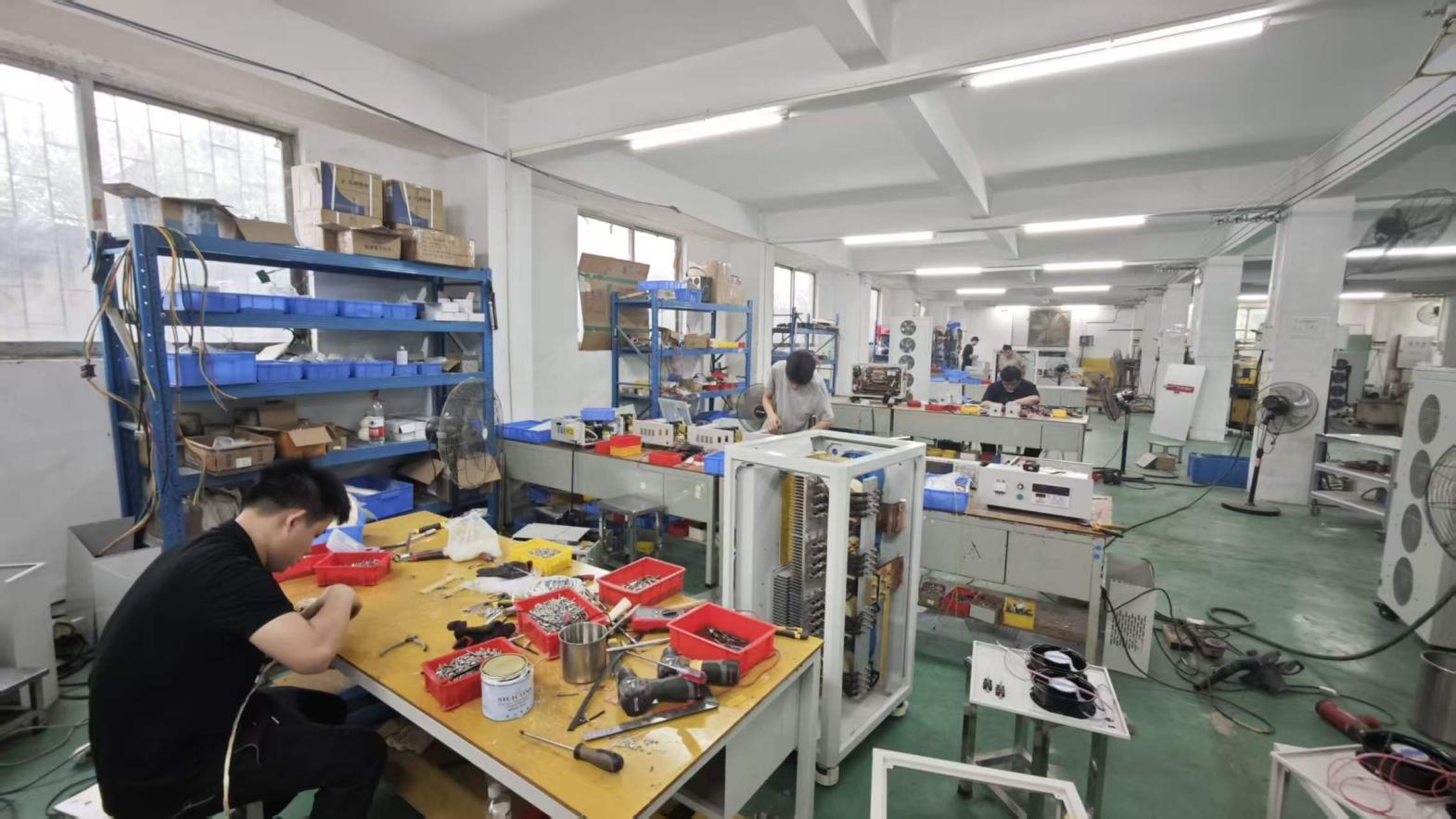
Production workshop - Guangdong Fenvix Technology Co., Ltd.

Main Manufacturing Workshop

ISO 9001:2015 controlled floor layout with anti-static assembly zones.

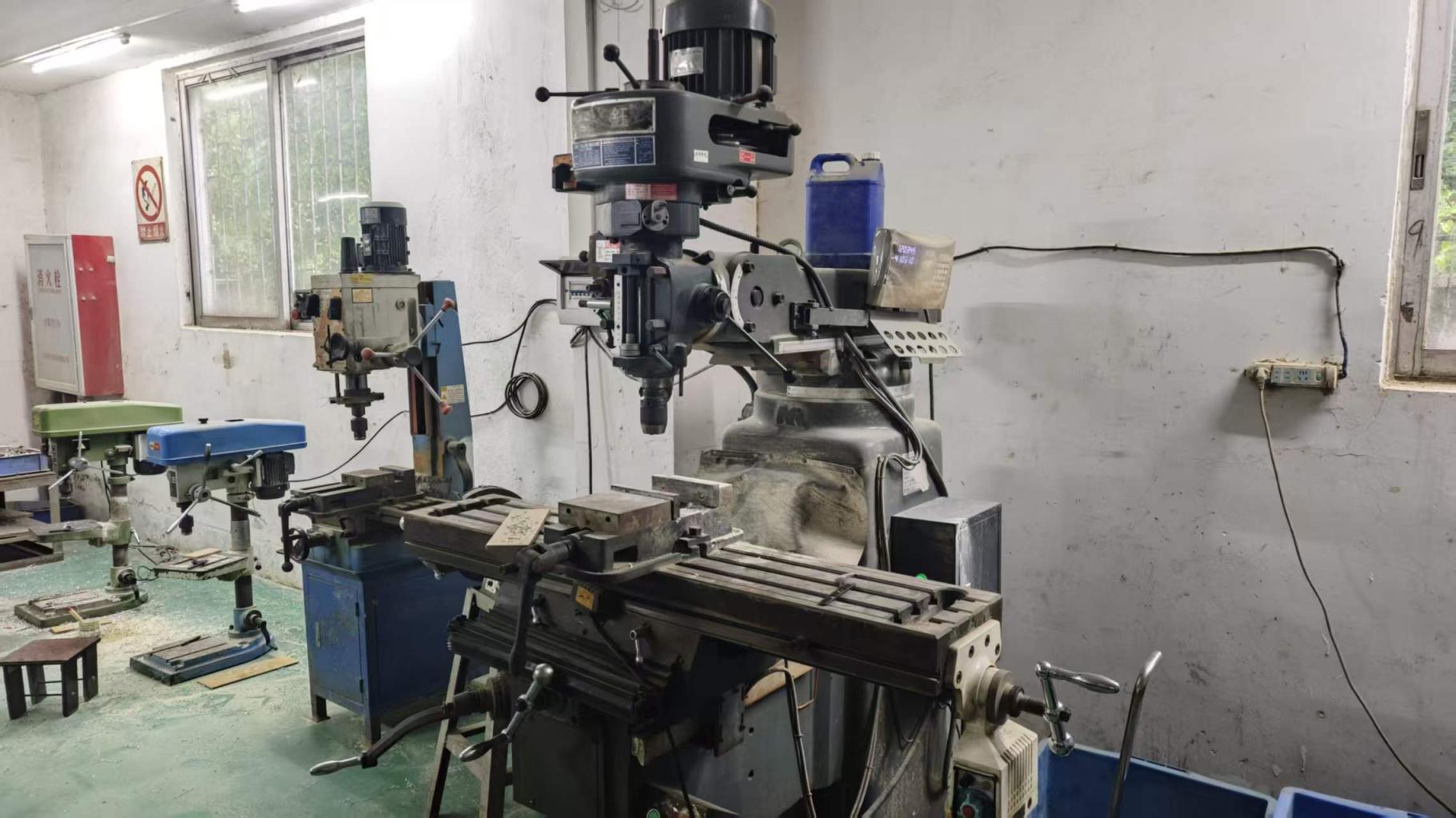
Milling machine - Guangdong Fenvix Technology Co., Ltd.

Heavy Milling Machine

Precision heat-sink surfacing and copper contact plate face-milling.

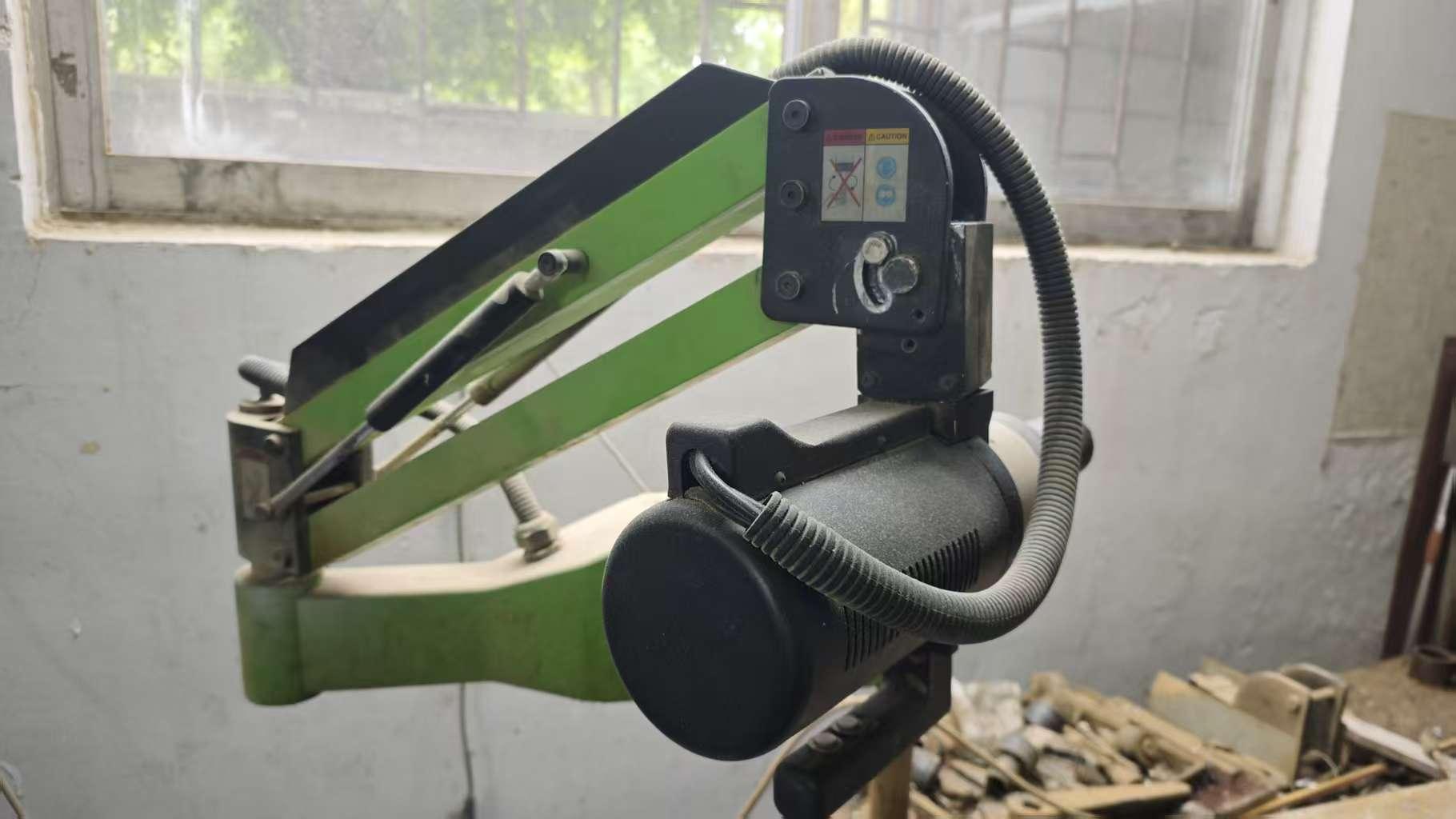
Tapping machine - Guangdong Fenvix Technology Co., Ltd.

Tapping Machine

High-torque thread tapping for vibration-resistant industrial cabinet assemblies.

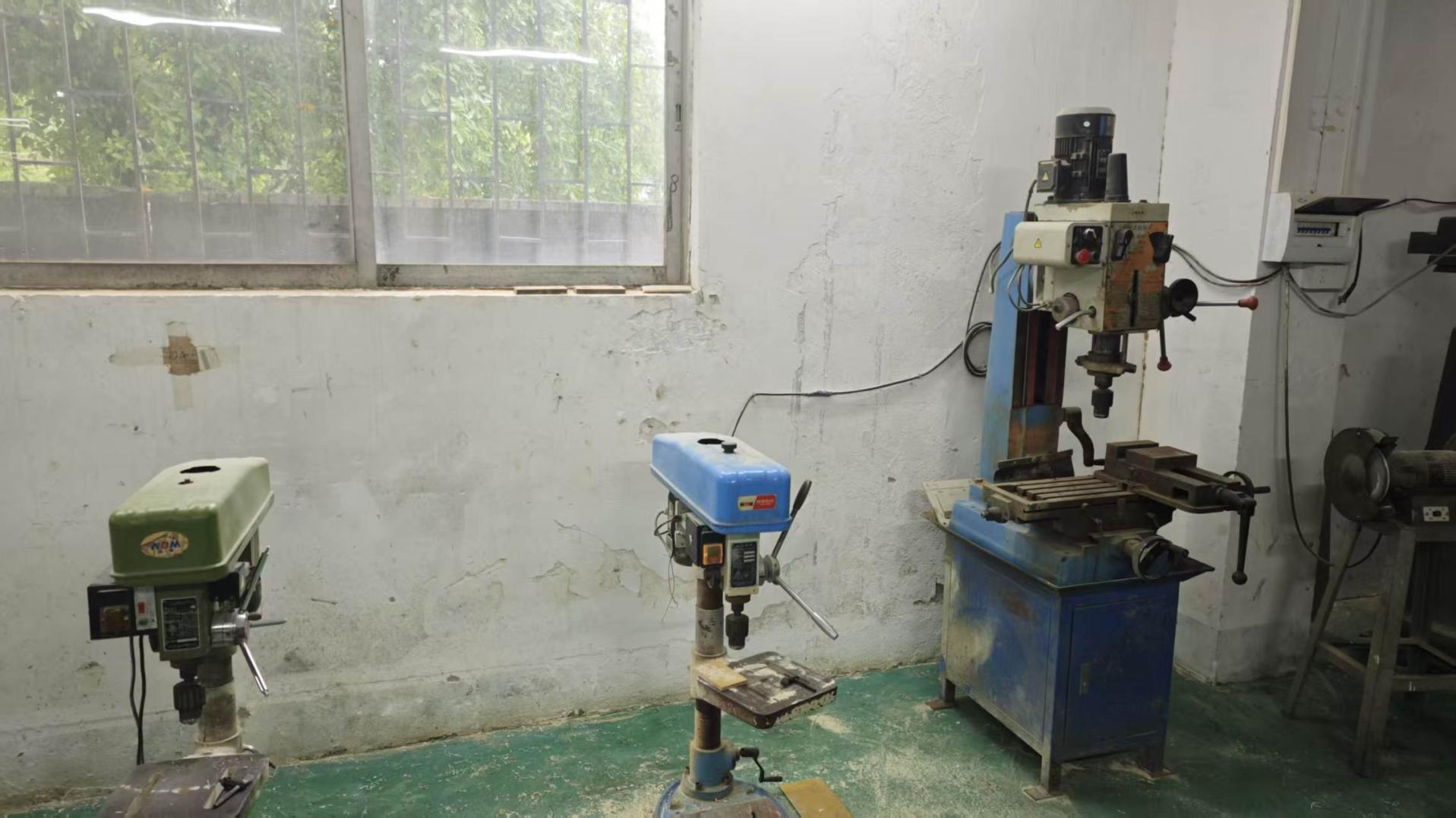
Drilling machine - Guangdong Fenvix Technology Co., Ltd.

High-Precision Drilling Station

Heavy copper busbar perforation and chassis grounding structural points.

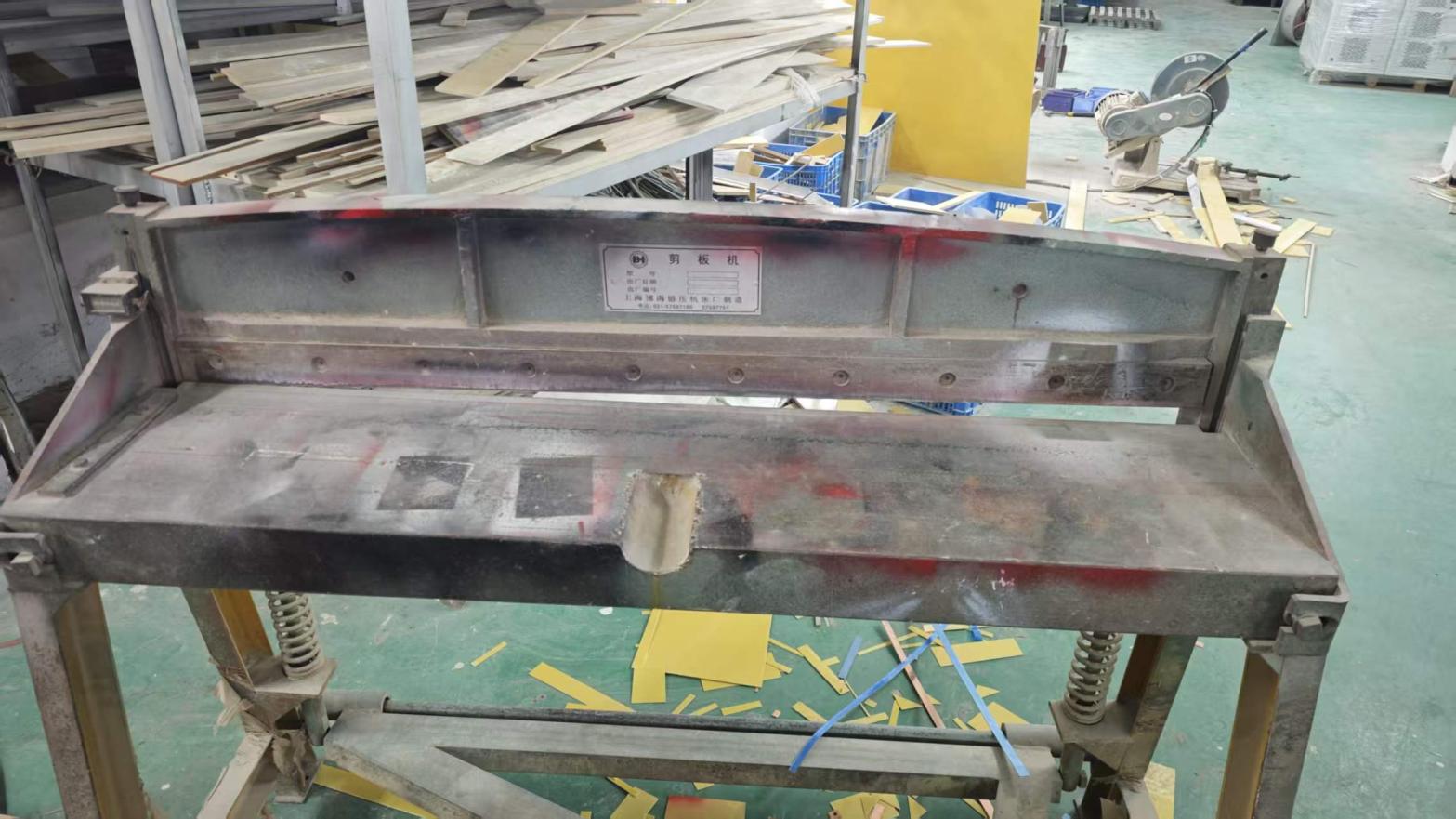
Plate shearing machine - Guangdong Fenvix Technology Co., Ltd.

Hydraulic Plate Shearing

Cold-rolled steel and stainless sheet metal preparation for IP54 cabinets.

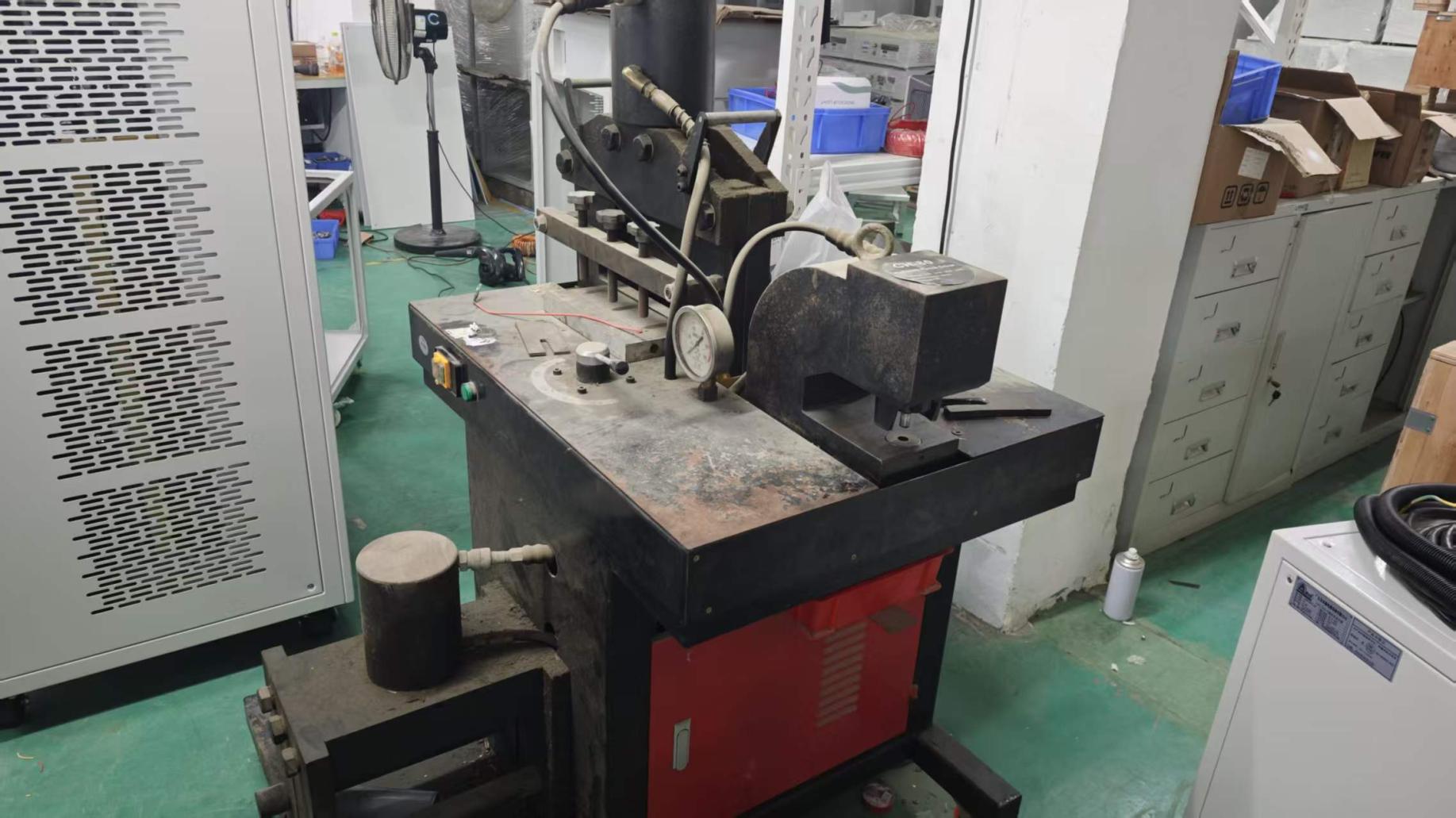
Punching machine - Guangdong Fenvix Technology Co., Ltd.

CNC Punching Machine

Ventilation louvers and cable gland punch cutouts with zero burr tolerances.

Finished rectifier cabinets - Guangdong Fenvix Technology Co., Ltd.

Pre-Shipment Inspection Bay

Final testing, insulation resistance testing (>20MΩ at 1000V), and packaging.

By controlling all sheet-metal forming, copper busbar milling, electrical assembly, and oscilloscope-monitored calibration under one roof, Guangdong Fenvix Technology Co., Ltd. offers global buyers unbeatable technical flexibility. We support custom input voltages (208V, 240V, 380V, 415V, 480V 3-Phase, 50Hz/60Hz), tailored form factors, explosion-resistant remote consoles, and dedicated communication protocols with an absolute Zero Minimum Order Quantity (MOQ: 1 Set).

Procurement Engineering FAQ

Frequently Asked Questions by Global Sourcing Specialists

In-depth technical answers addressing the most common search inquiries on titanium alloy anodizing power systems.

1. What output voltage is truly necessary for titanium alloy anodizing?
The required voltage depends directly on the anodizing specification:
  • Type III Color Anodizing (ISO 9585 / Medical Color Coding): Requires variable 0–120V or 0–150V DC. Low voltages (12V–25V) yield bronze, copper, and purple; medium voltages (30V–55V) create blue, cyan, and gold; high voltages (65V–115V) achieve magenta, teal, and lime green. Sizing a 150V unit gives full spectral coverage.
  • Type II Anti-Galling Wear Anodizing (AMS 2488 Type II): Typically carried out in alkaline electrolytes (e.g., sodium hydroxide / liquid silicate). Requires 0–50V to 0–100V compliance at constant current densities of 10 to 30 A/ft2 (1.1 to 3.3 A/dm2).
  • Micro-Arc Oxidation (PEO / MAO on Titanium): Demands 350V to 600V+ pulsed power supplies to induce micro-plasma discharges that grow ceramic rutile/anatase coatings.
Guangdong Fenvix Technology Co., Ltd. designs and manufactures custom power supplies matching these exact volt-ampere envelopes.
2. Why does low voltage ripple matter so critically in titanium color anodizing?
Unlike aluminum, where organic or inorganic dyes seep into microscopic pores, titanium generates color exclusively via thin-film optical interference. The observed color is governed by the physical thickness of the transparent TiO2 layer, which grows at a precise rate of approximately 1.5 to 2.5 nanometers per volt applied. If your power supply has high AC ripple (>3% RMS), the instantaneous peak voltage causes erratic, non-uniform film growth. This leads to cloudy color finishes, patchy rainbow fringes, and batch-to-batch color shifts. Fenvix titanium anodizing rectifiers maintain a verified voltage ripple ≤0.5% RMS across the entire working load range, guaranteeing flawless color matching.
3. What is the advantage of programmable current ramping for medical implants?
When titanium parts are first submerged in the anodizing bath, their initial electrical resistance is close to zero. An instantaneous application of full voltage causes a violent surge of current (inrush spark), which can cause pitting, contact arcing, and burn marks at the titanium-rack contact points. A programmable power supply from Guangdong Fenvix Technology Co., Ltd. features adjustable soft-start ramp control (0.1V/sec to 10V/sec or mA/sec). This gradual ramp allows the barrier oxide film to build smoothly and uniformly, sealing the surface in accordance with ASTM F86 biocompatibility standards.
4. Should our facility choose forced-air cooling or liquid-water cooling?
For benchtop laboratories, dental prosthetic labs, or cleanroom medical anodizing lines where ambient air is clean and total output is under 10kW (e.g., 150V 50A), forced air cooling is economical, lightweight, and simple to maintain. However, for industrial wet chemical plants with multi-rack automated dipping lines exceeding 20kW, or where hydrofluoric and nitric acid vapors exist, liquid-water cooling or air cooling with isolated ducting is strongly recommended. Water cooling enables a completely hermetic, IP54-sealed enclosure that keeps corrosive chemical fumes away from internal IGBT modules and control circuits, dramatically extending equipment longevity.
5. How does Fenvix guarantee compliance with international electrical standards?
Guangdong Fenvix Technology Co., Ltd. operates an ISO 9001:2015 certified quality management system. Every titanium alloy anodizing power supply is assembled and rigorously tested against CE Low Voltage Directive (LVD 2014/35/EU) and Electromagnetic Compatibility (EMC 2014/30/EU) benchmarks. Before dispatch, our quality assurance team conducts high-voltage insulation dielectric tests (1500V AC minimum), grounding resistance tests (<0.1Ω), and a minimum 8-hour continuous full-load burn-in monitored via digital storage oscilloscopes. Full inspection test certificates accompany every export delivery.
6. Can Fenvix power supplies interface with automated plant PLC systems?
Yes. All Fenvix anodizing rectifiers can be equipped with standard isolated RS485 (Modbus-RTU protocol) or optional industrial Ethernet (Modbus-TCP, Profinet, EtherCAT). Additionally, we provide standardized analog isolated interfaces (0–5V, 0–10V, or 4–20mA) for backward compatibility with existing anodizing line hoists, PLCs, and tank process controllers. This enables fully automated recipe execution, remote start/stop, voltage/current target programming, and automated cycle logging for Nadcap and FDA audits.

Ready to Engineer Your Titanium Anodizing Power System?

Submit your tank dimensions, voltage requirements, and alloy specifications to our senior electrical engineers. Receive a detailed quotation and system schematic within 24 hours.

[email protected]
Inquire Now Company Profile