400Hz Aviation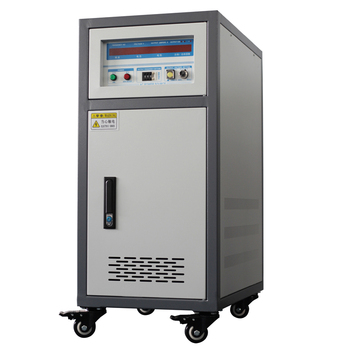
15kVA–300kVA 115V 400Hz Static Aviation Converter
- Input380V/400V/480V 50/60Hz
- Output115V / 200V AC, 400Hz
- ApplicationAvionics, Radar, Hangars
- WaveformPure Sine Wave (THD < 2%)
MOQ: 1 Unit | Custom Build
Modern electrical infrastructure frequently operates across irreconcilable international standards: 50Hz for Eurasian and African grids, 60Hz across the Americas, and 400Hz throughout commercial and defense aerospace avionics. In this engineering reference, our senior power electronics team addresses the foundational and emerging technical queries submitted by international procurement engineers, EPC contractors, and aviation MRO directors searching for reliable static frequency conversion solutions.
A Solid State Frequency Converter (also referred to as a Static Frequency Converter or SFC) is an advanced AC-to-AC power conversion equipment that converts incoming municipal alternating current from one voltage and frequency combination to an entirely independent, fully regulated, and digitally stabilized output voltage and frequency. Unlike legacy electro-mechanical rotary motor-generator sets that rely on heavy induction motors physically turning a synchronous alternator shaft, a solid-state system executes frequency transformation entirely through semiconductor solid-state devices such as Insulated Gate Bipolar Transistors (IGBTs) or Silicon Carbide (SiC) MOSFETs governed by high-speed digital signal processors (DSP).
The fundamental architecture utilizes a double-conversion AC-DC-AC process. First, commercial input power (e.g., 380V/50Hz or 480V/60Hz) passes through an input bridge rectifier or Active Front End (AFE) circuit, transforming AC into an intermediate stabilized DC voltage bus. Second, a high-frequency Sine-Wave Pulse Width Modulation (SPWM) inverter stage chops the direct current at multi-kilohertz switching frequencies. Finally, low-pass passive LC filtering combined with an internal electromagnetic galvanic isolation transformer reconstructs an immaculate, low-distortion sinusoidal AC output (50Hz, 60Hz, or 400Hz), completely independent of input utility fluctuations, voltage brownouts, and grid harmonic pollution.
A prevalent confusion among procurement engineers and purchasing officers is equating a Solid State Frequency Converter with a standard Variable Frequency Drive (VFD or inverter drive). While both incorporate rectifiers and inverter modules, their circuit topology, functional objectives, and output power characteristics differ diametrically:
| Performance Parameter | Solid State Frequency Converter (SFC) | Rotary Motor-Generator Set (M-G) | Standard Variable Frequency Drive (VFD) |
|---|---|---|---|
| Conversion Mechanism | IGBT / SiC Double-Conversion (AC-DC-AC) | Electromechanical Motor + Synchronous Alternator | Basic Diode Bridge + PWM Inverter Stage |
| Output Waveform Quality | Pure Sine Wave (THD < 2%) | Pure Sine Wave (THD 2.5% – 4%) | High dV/dt PWM Square Pulses (THD > 30%) |
| Operating Efficiency | 90% – 95% at nominal load | 72% – 82% (High rotational friction losses) | 95% – 97% (Optimized solely for motors) |
| Acoustic Noise Level | < 65 dBA (Low-noise forced cooling) | > 85 – 100 dBA (Severe acoustic vibration) | < 70 dBA (Varies with motor switching noise) |
| Galvanic Isolation | Standard Built-in Copper Isolation | Inherent via physical air gap | None (Common DC bus, high common-mode) |
| Dynamic Response Time | < 2 milliseconds (DSP microsecond feedback) | 300 – 800 ms (Mechanical governor lag) | Load-dependent loop (50 – 200 ms) |
| Physical Maintenance | Virtually Maintenance-Free (No moving parts) | Bearings, lubrication, carbon brushes | Periodic capacitor and fan replacement |
Guangdong Fenvix Technology Co., Ltd. manufactures heavy-duty static converters engineered with modular IGBT power blocks, digital signal processor regulation, and integrated magnetic isolation for aerospace, naval, and overseas export assembly lines.
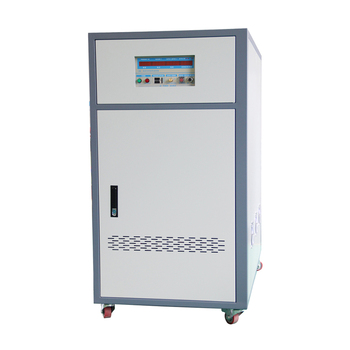
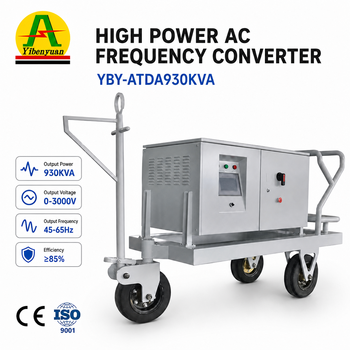
Engineered for high reliability, ultra-low harmonic distortion, and severe continuous ambient conditions. Each unit is built and load-tested in Guangdong to your precise electrical criteria.
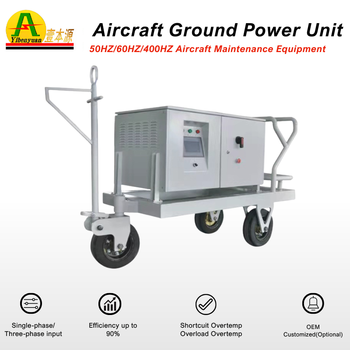
Industrial electrification, naval port decarbonization, and aviation modernizations are reshaping the technical specifications demanded by institutional buyers worldwide.
The global power electronics industry is transitioning rapidly from conventional silicon IGBTs to Silicon Carbide (SiC) MOSFETs. SiC enables switching frequencies exceeding 50kHz with dramatically lower junction switching losses. For frequency converters, this delivers 97%+ efficiency, cuts passive magnetics volume by over 40%, and reduces cabinet footprints in space-constrained naval vessels, hangars, and automated test facilities.
Stricter environmental regulations from the International Maritime Organization (IMO) and regional ports mandate that berthed commercial vessels shut down auxiliary diesel generators and connect to dockside electricity (cold ironing). Because most commercial vessels operate on 60Hz 440V/690V systems while domestic ports in Asia and Europe run 50Hz grids, large-scale (1MVA to 10MVA) solid-state converters represent the primary growth driver in coastal electrical procurement.
Traditional multi-pulse rectifiers produce low-order harmonics that contaminate upstream factory distribution systems. Modern EPC specifications increasingly stipulate Active Front End (AFE) topologies with IGBT-based regenerative rectifiers. This achieves unity power factor (PF > 0.99) and reduces input current total harmonic distortion (THDi) below 3%, easily fulfilling stringent IEEE 519 and IEC 61000-3-4 harmonic compliance limits.
To avoid premature IGBT overcurrent trips or costly over-specification when sourcing a frequency converter, calculate required system kVA using the following verified engineering formula:
Where k_surge equals 1.0 for non-inrush resistive loads, 1.25 to 1.50 for high crest factor switching power supplies, and 2.5 to 4.0 for direct-on-line (DOL) squirrel-cage inductive motors without external VFD or soft-starter infrastructure. Contact the Guangdong Fenvix Technology Co., Ltd. engineering team for rapid, certified load-simulation sizing charts.
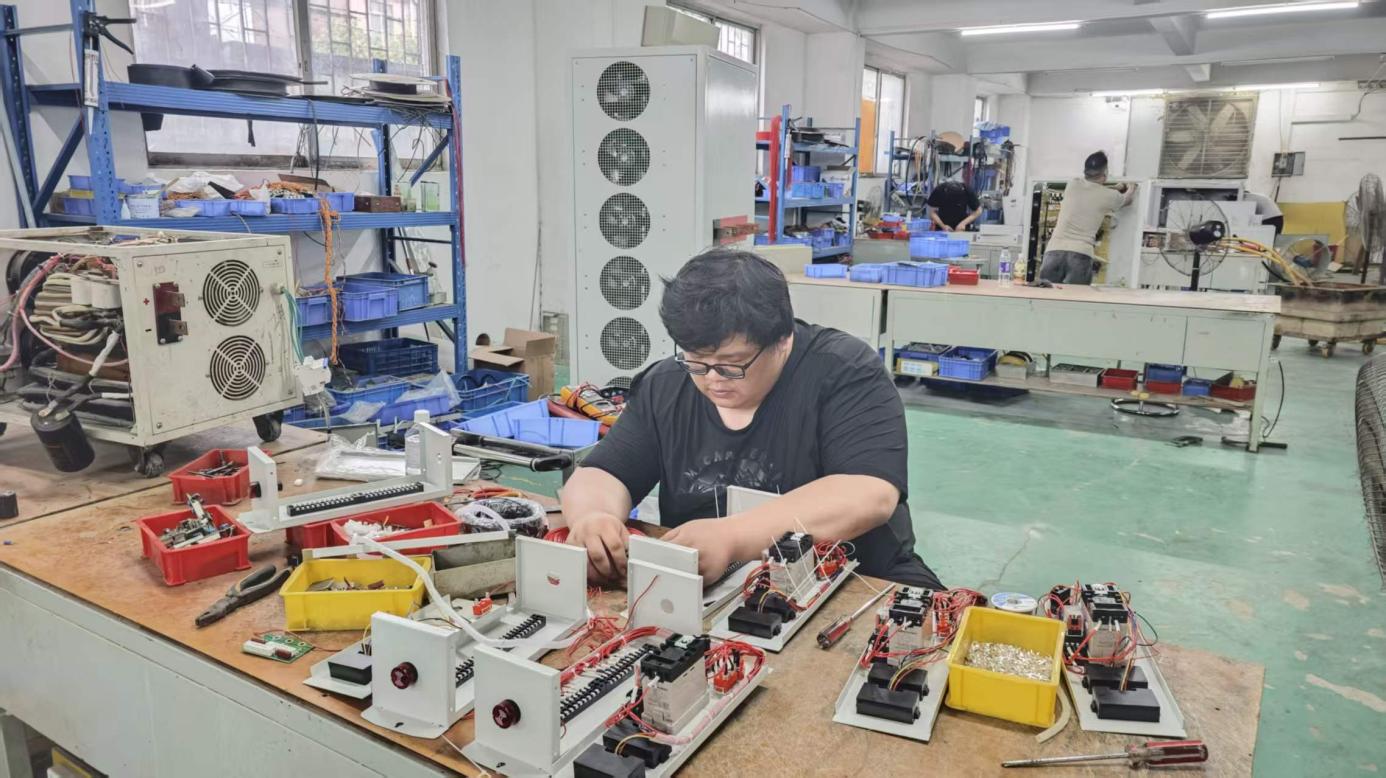
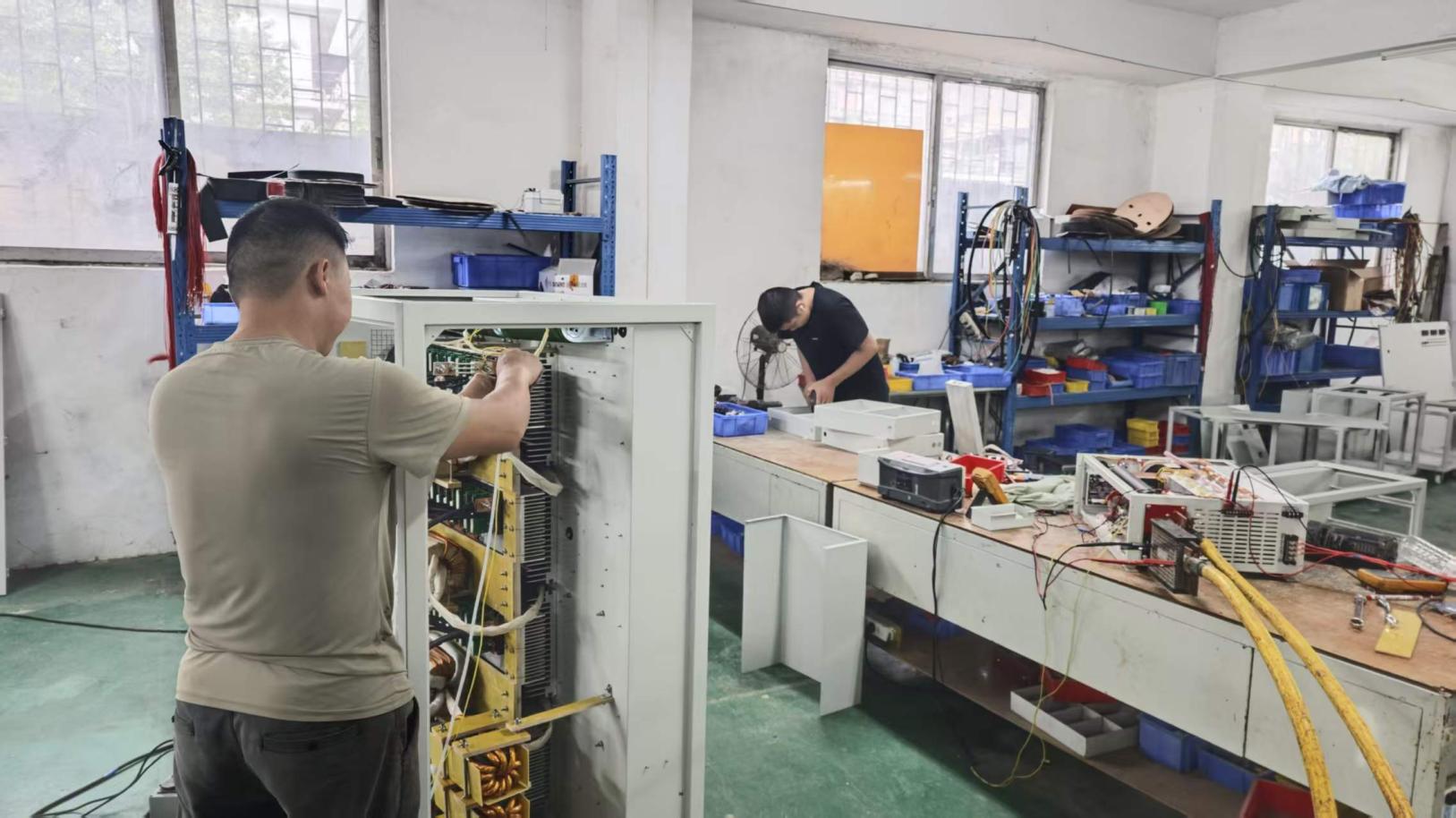
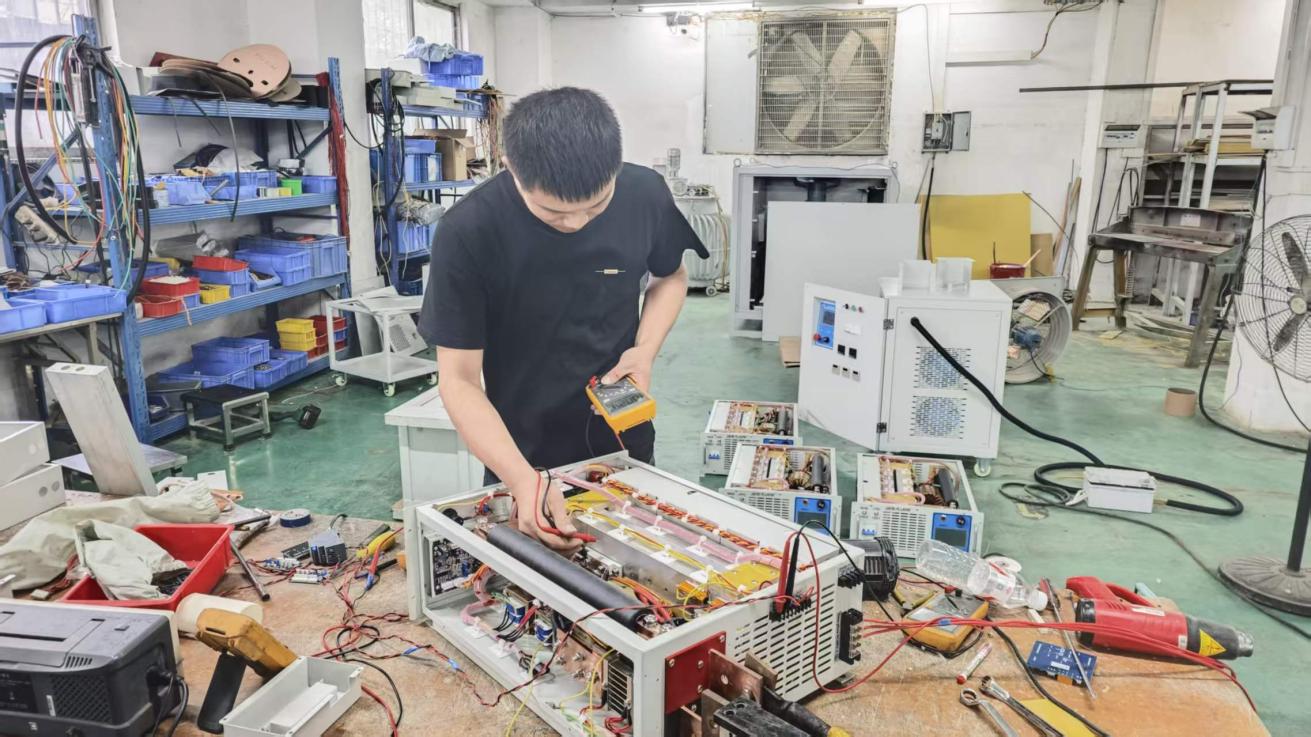
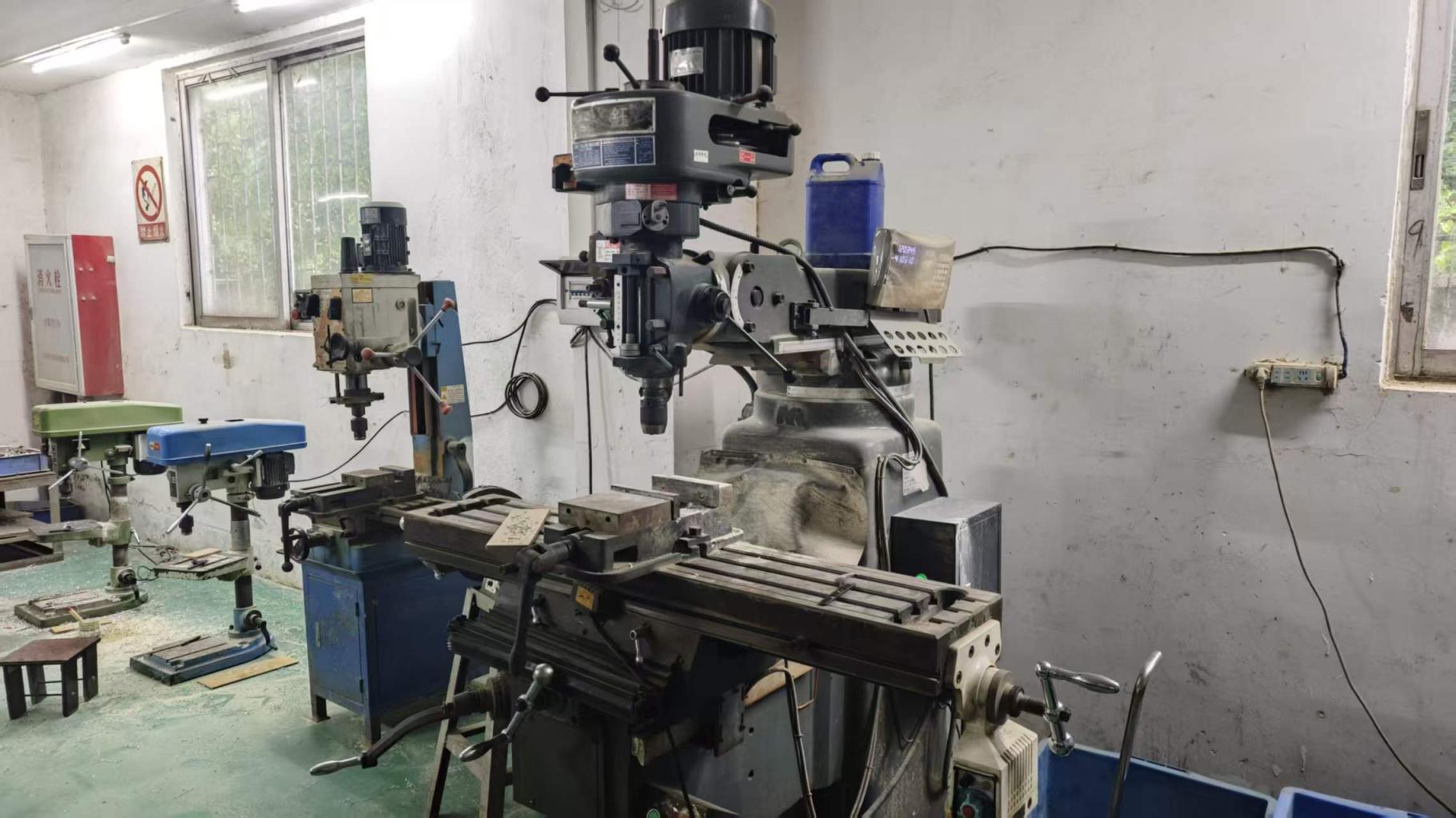
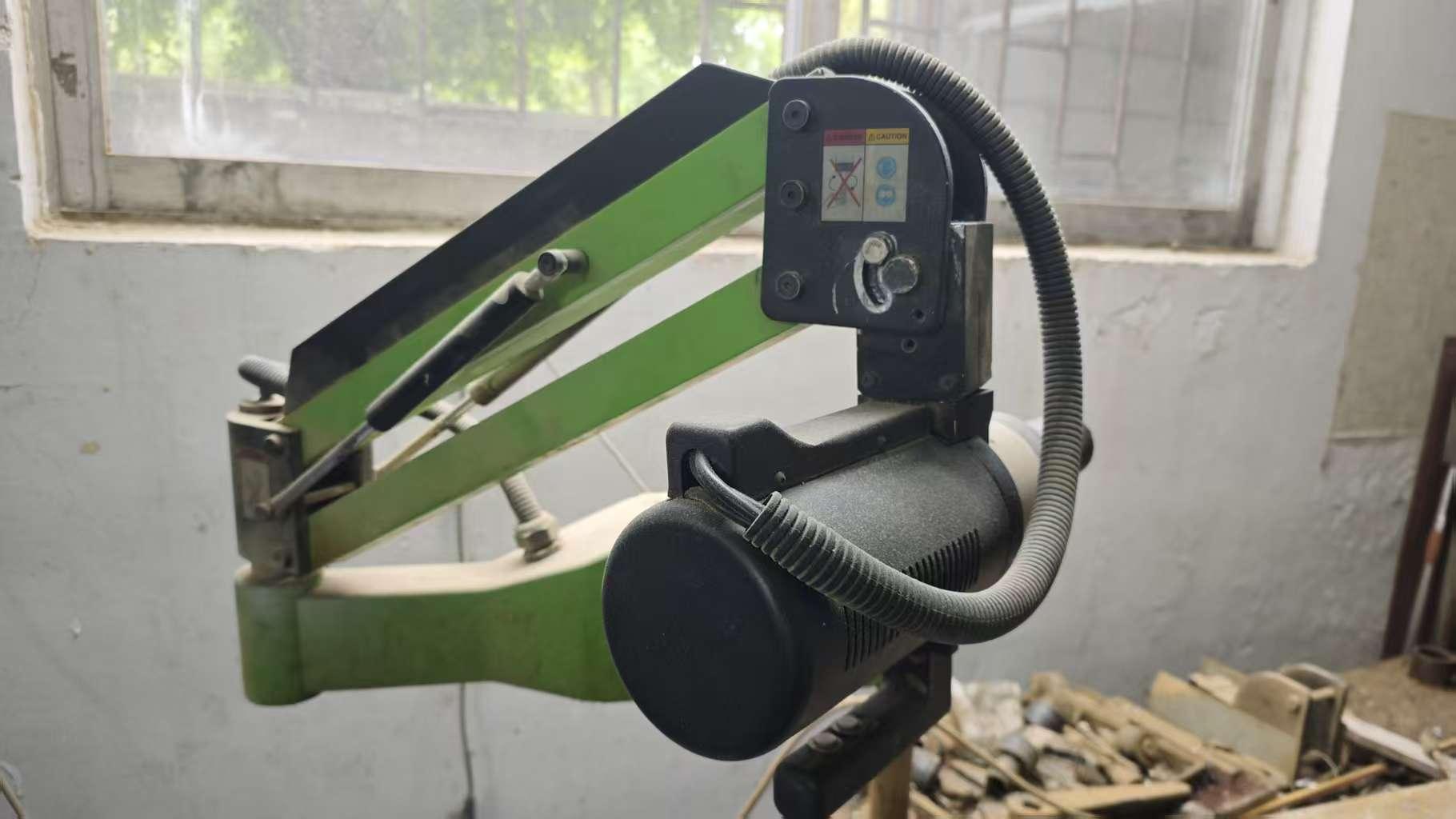
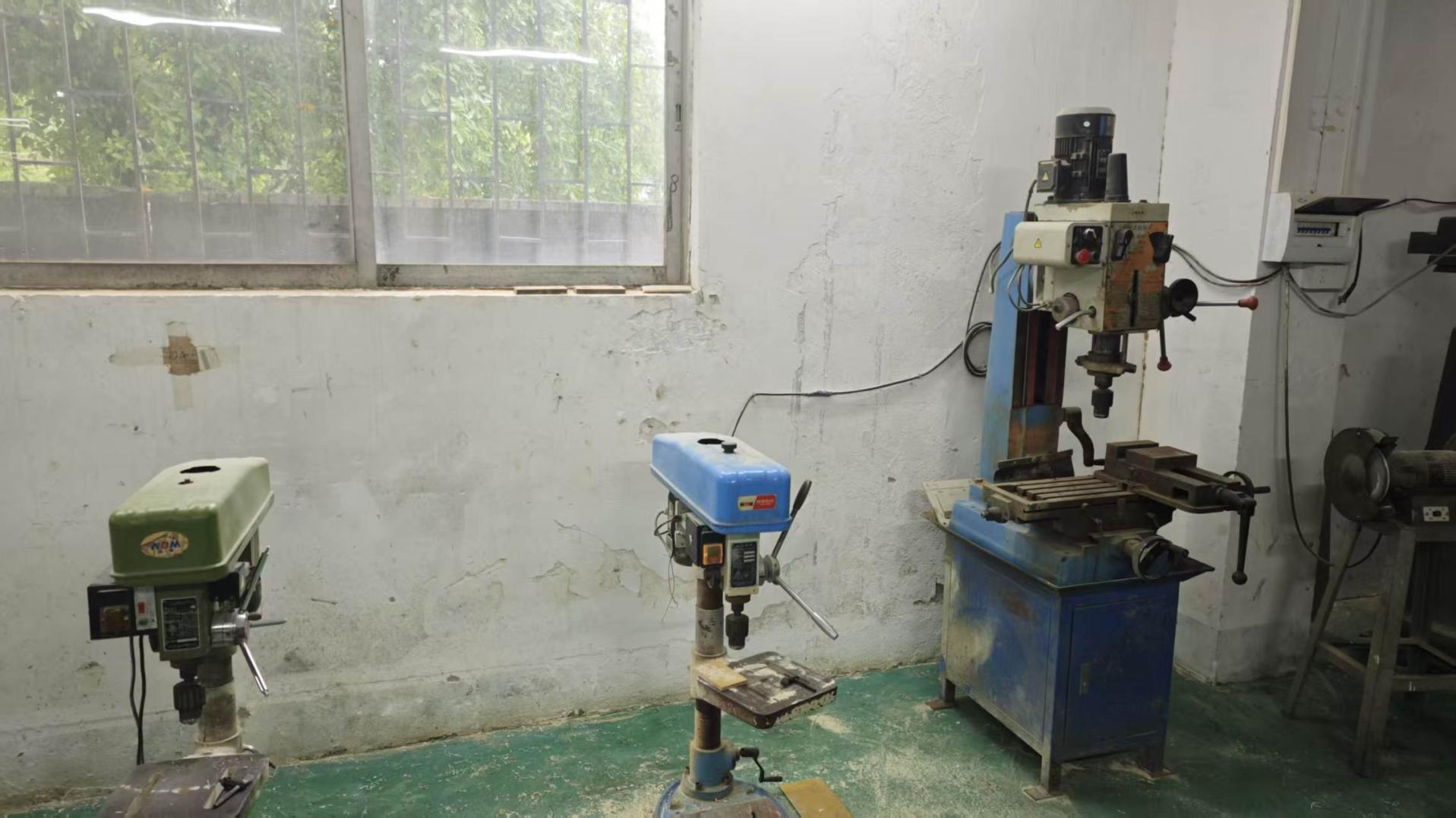
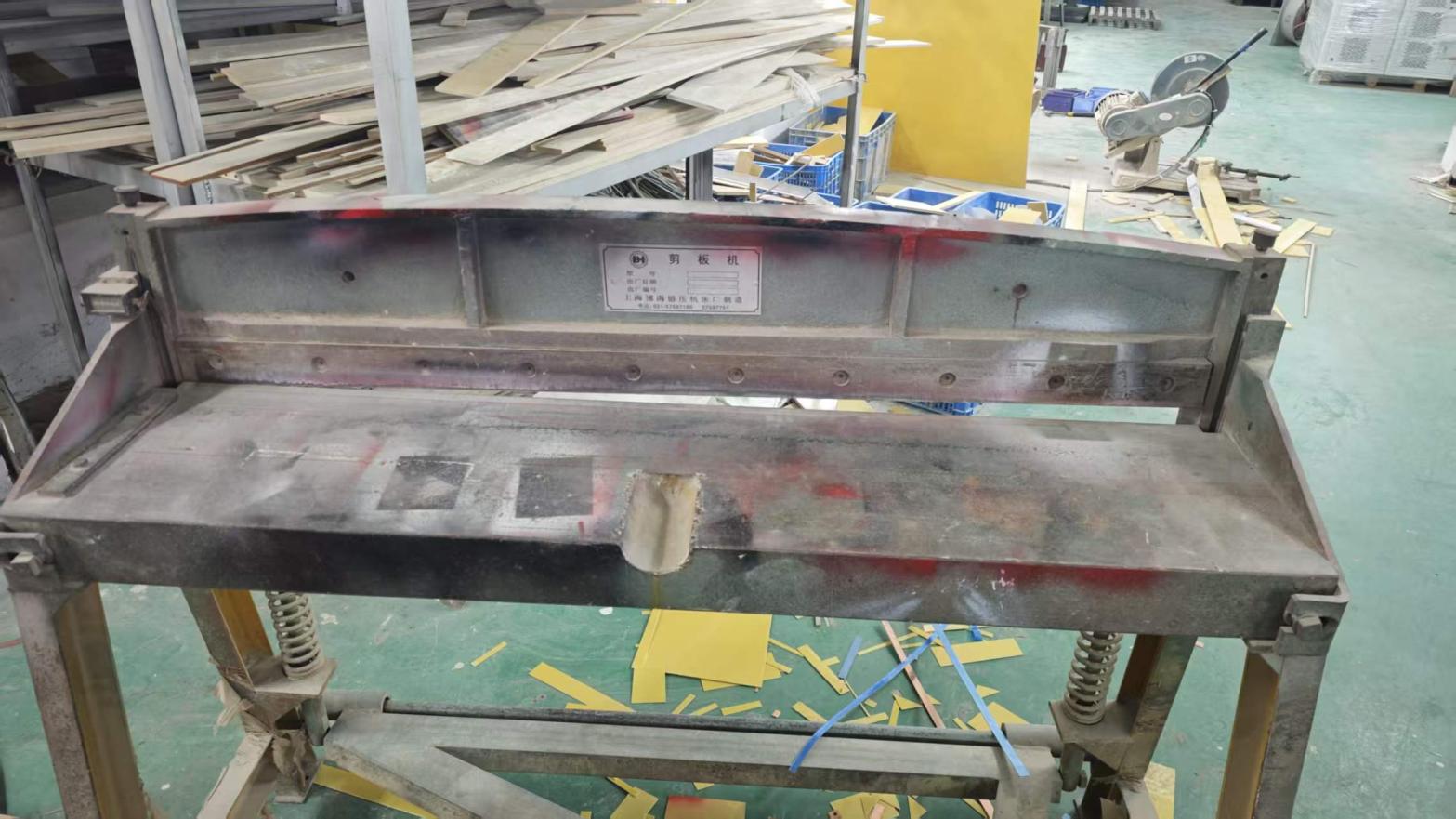
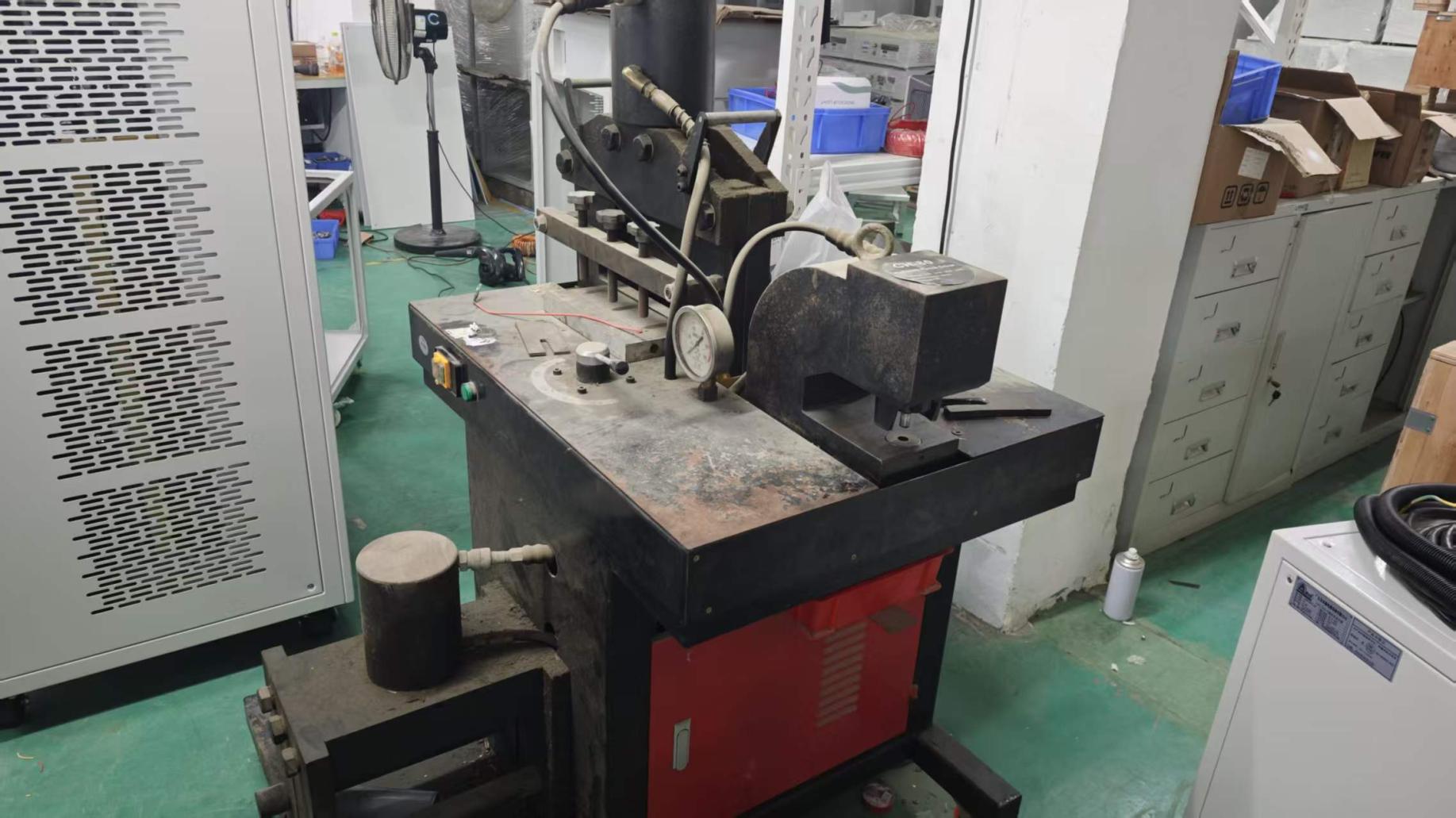
Reliability in high-power frequency conversion begins with complete control over mechanical, electrical, and thermal assembly. At Guangdong Fenvix Technology Co., Ltd., we build from raw raw copper and steel plate to finalized burn-in testing under one roof.
Founded in 2013 in Guangzhou, Guangdong, China, Guangdong Fenvix Technology Co., Ltd. has spent over a decade designing and assembling custom industrial power supplies, high-power static frequency converters, electroplating rectifiers, and aircraft ground support systems. We do not operate as a trading intermediary; our 3,000m² factory houses comprehensive precision sheet metal fabrication, heavy busbar bending, modular PCB assembly, and complete inductive component winding.
Every frequency converter is manufactured in adherence to ISO 9001 quality protocols. Our facilities and trade operations are verified on-site by TÜV Rheinland, giving global industrial procurement officers verified confidence in engineering integrity, ethical supply chain practices, and consistent delivery timelines.
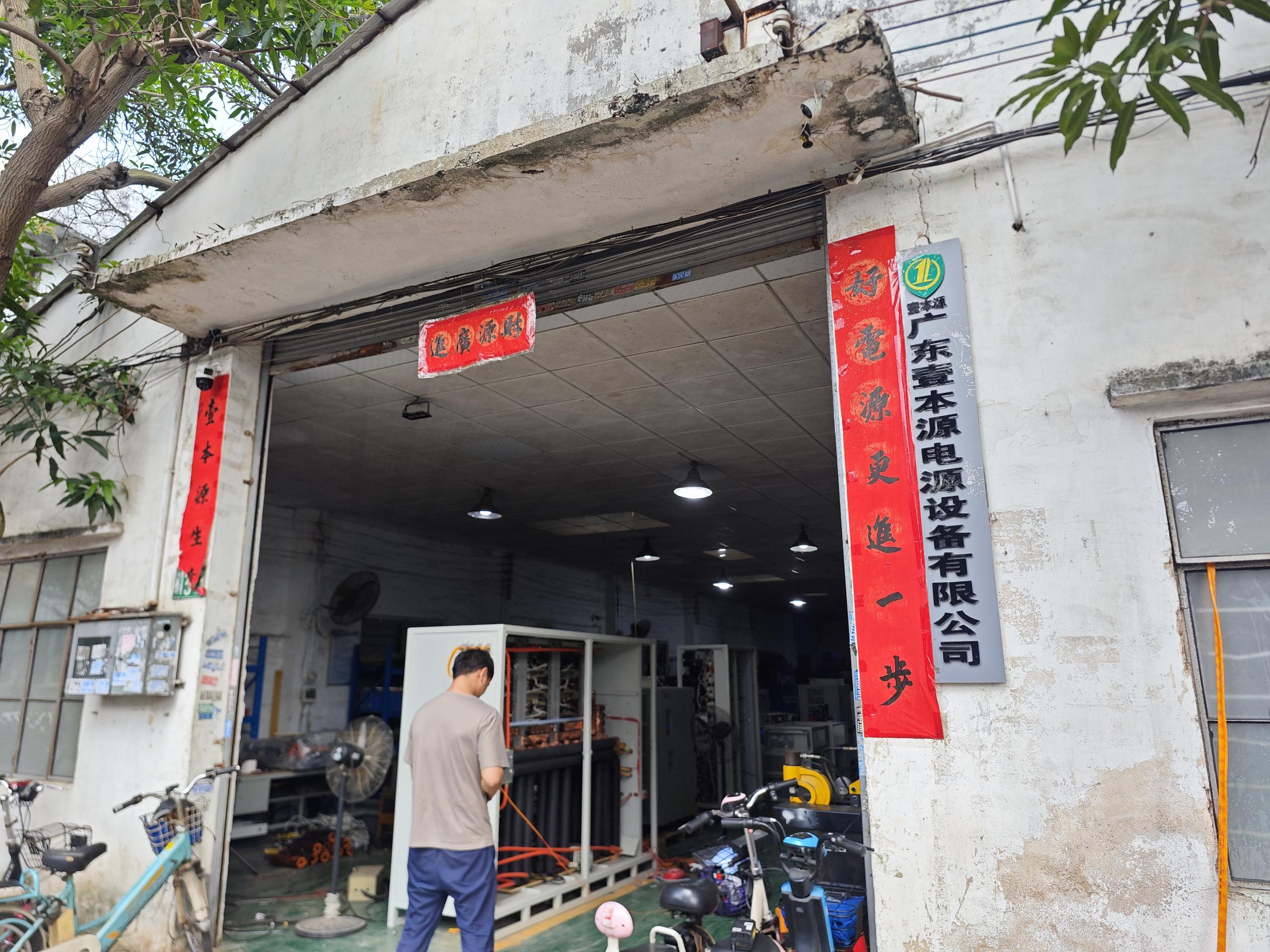
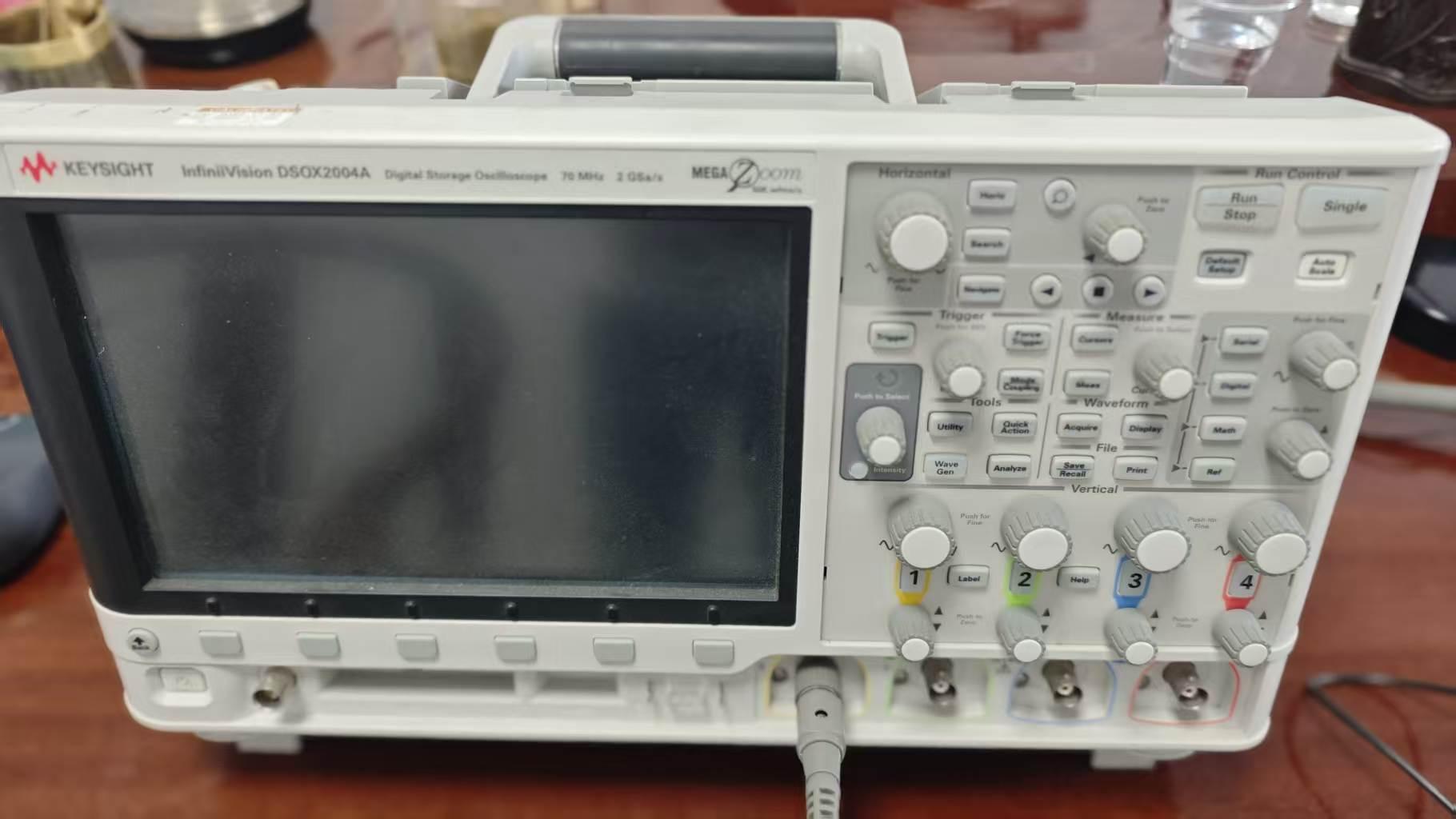
Our internal production line integrates sheet metal stamping, machine tool milling, wiring loom assembly, and oscilloscope commissioning.
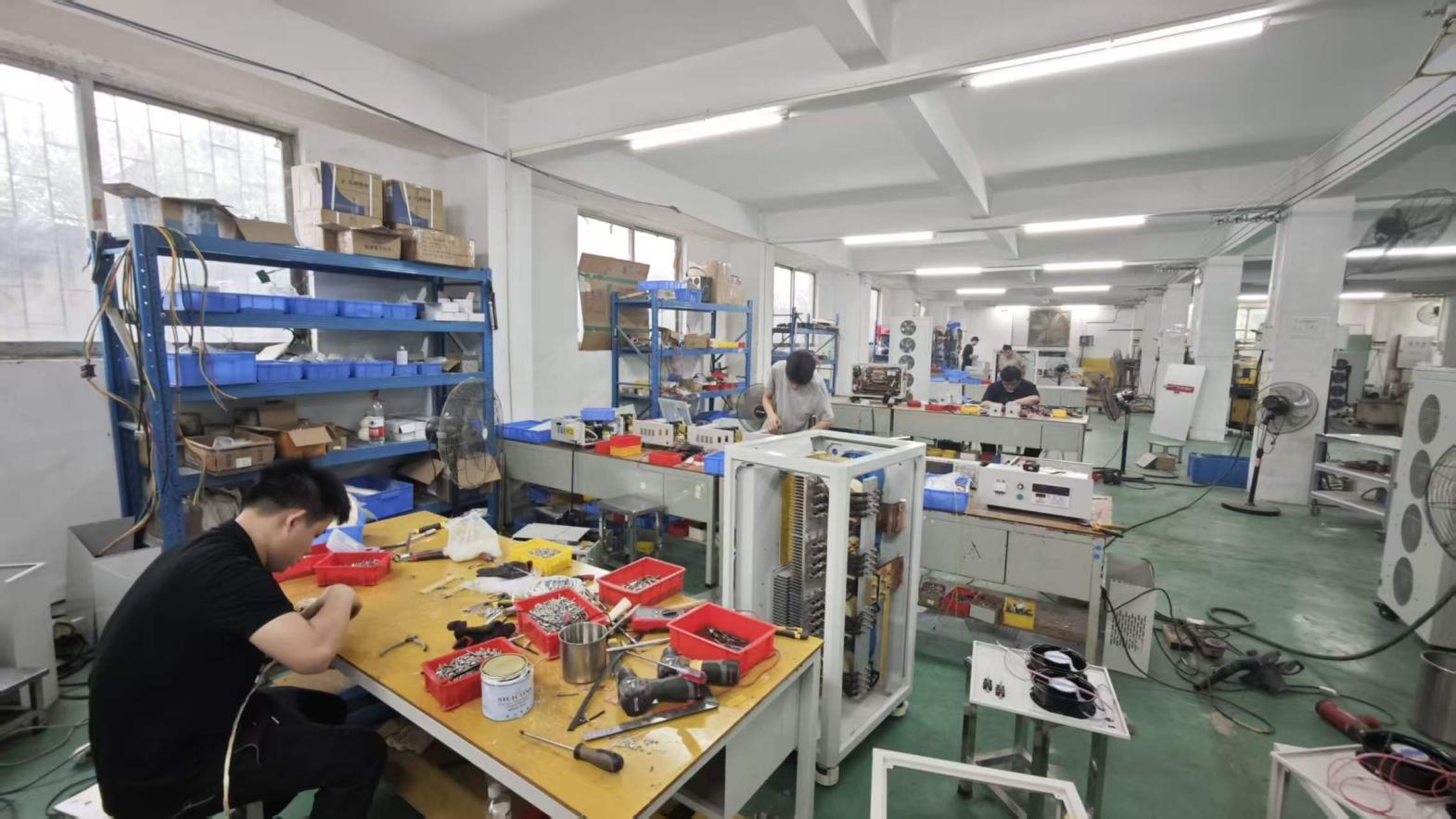
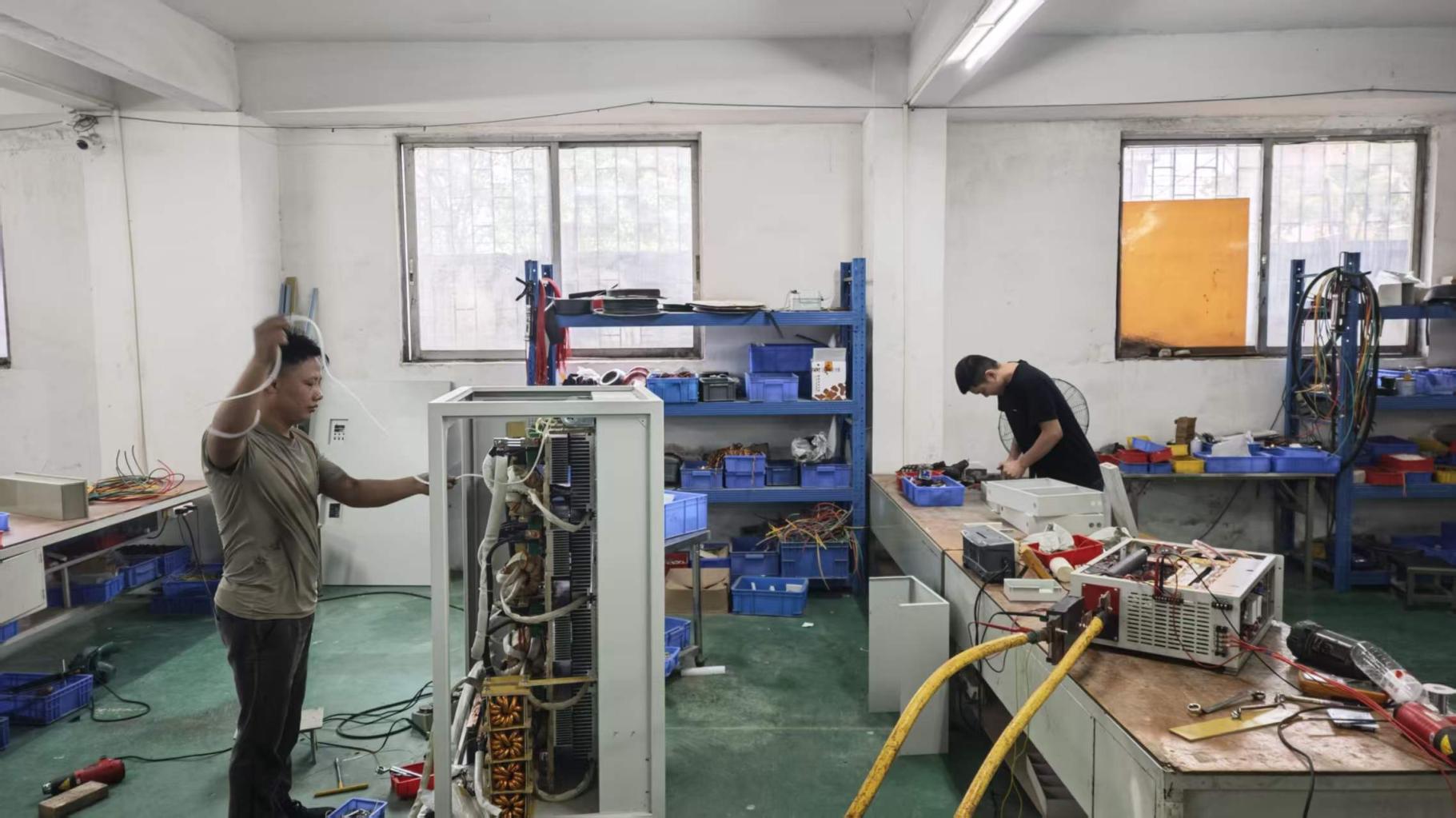
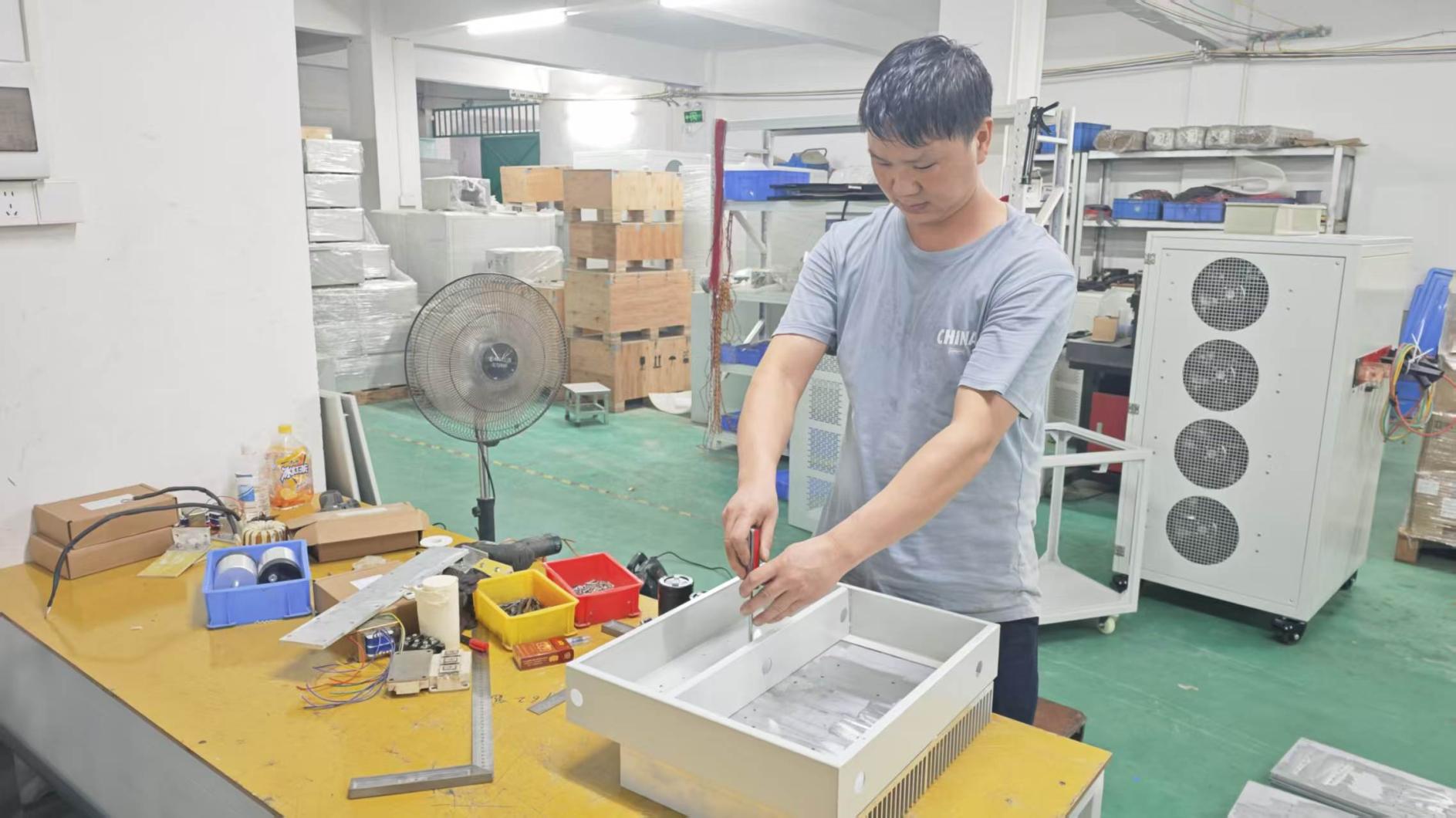
Eliminate procurement friction and reduce operational risk with authenticated test certifications and export documentation.
Standardized manufacturing quality
Full European compliance
Independent factory assessed
FOB, CIF, CFR, DDP export
Engineering consultation & spare parts
No MOQ on prototype orders





Straightforward answers regarding engineering criteria, harmonic management, maintenance schedules, and commercial terms.
Connect directly with our senior power electronics team in Guangdong for project sizing diagrams, customized voltage/frequency drawings, and detailed commercial terms within 24 hours.
[email protected]