Engineered Rectifiers & Precision Power Supplies Serving Victoria
Tested for continuous heavy-duty cycles, ultra-low current ripple, and compliance with AS/NZS electrical standards. Designed specifically for demanding industrial electroplating, anodizing, and electrochemical refining environments.

12V/15V 5000A–6000A 75kW Water-Cooled High-Frequency Electroplating Rectifier
- Output Rating: 12V/15V | 5000A/6000A
- Cooling Method: Deionized Closed-Loop Water
- Topology: Dual IGBT Switch-Mode (PWM)
- Ripple Factor: ≤ 2% Full Load RMS
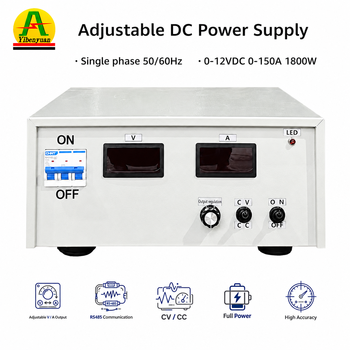
12V 150A High Frequency Benchtop Rectifier for Precious Metals & PCB
- Output Rating: 0–12V | 0–150A Continuously Adj.
- Control Mode: CC / CV Auto Crossover
- Application: Au/Ag Strike, Micro-vias, Barrel
- Display: 4-Digit LED / Digital Ammeter
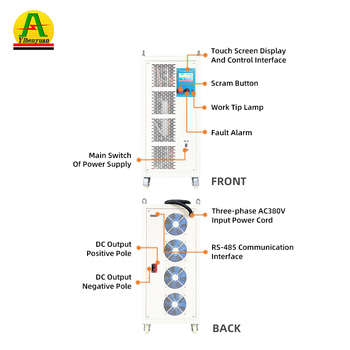
12V 4000A 48kW Heavy-Duty Switch-Mode Plating Rectifier
- Power Output: 12V DC | 4000A (48,000 Watts)
- Efficiency: ≥ 90% at Rated Capacity
- Primary Use: Zinc, Copper, Bright Nickel Lines
- Protection: Overheat, Short-Circuit, Phase-Loss

8000A 12V Water-Cooled Continuous Galvanizing Rectifier
- Current Capacity: 8000A Continuous 24/7
- Cooling Design: Direct Heat Sink Water Cooling
- Corrosion Shield: 3-Proofing Lacquer PCB Coating
- Connectivity: RS485 Modbus-RTU / 4-20mA
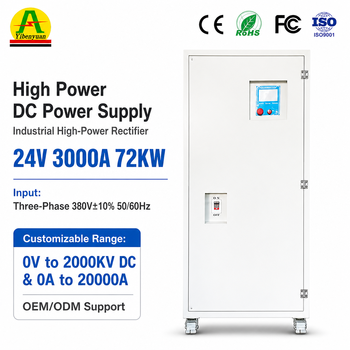
100A–3000A 12V/24V Multi-Stage Anodic Oxidation Power Supply
- Voltage Options: 12V, 24V, 36V Custom Ranges
- Programming: Soft-Start Ramp Current Profile
- Substrates: Architectural Aluminum, 6000 Alloys
- Enclosure: IP54 Sealed Electronics Compartment
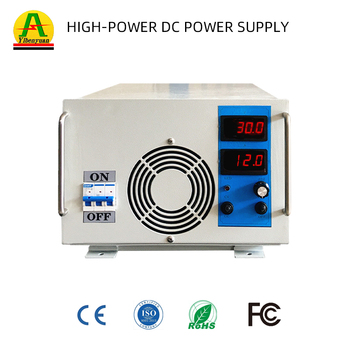
150V 50A High-Voltage Titanium Alloy Anodizing Power Source
- Voltage / Current: 0–150V DC | 0–50A Precision
- Target Field: Biomedical Implants & Defence Parts
- Regulation: ≤ 0.5% Constant Current Precision
- Thermal Control: High-Flow Low-Noise Air Cooling

48V 625A 30kW Programmable Auto-Polarity Reversing Power Supply
- Cycle Switching: Solid-State Microsecond Polarity Shift
- Automation: 4-Segment Timer & Remote PLC Bus
- Purpose: Electrolytic Descaling & Wastewater ZLD
- Enclosure: Anti-Acid Reinforced Sheet Metal

300kW 20V 15000A Ultra-High Current Electrolysis Rectifier
- Peak Delivery: 20V DC | 15,000A Continuous
- Input Grid: 415V / 480V 3-Phase 50/60Hz
- Efficiency: 92% with Low Harmonic Distortion
- Certifications: ISO 9001, CE, EMC Standard
1. The Industrial Surface Finishing Landscape in Victoria: Navigating Operational Challenges
The state of Victoria remains the beating heart of Australia's advanced engineering, automotive component re-manufacturing, and defence aerospace production. From the bustling industrial manufacturing hubs of Dandenong, Braeside, and Campbellfield in Greater Melbourne to the deep-water industrial facilities of Geelong and the specialized metallurgical operations in the Latrobe Valley, Victorian metal finishers face a uniquely demanding operating matrix. Unlike general commercial applications, industrial electroplating, electro-polishing, hard anodizing, and electrophoretic coating (E-coat) in Victoria require power conversion systems that consistently operate at maximum efficiency while withstanding aggressive chemical mist, elevated ambient summer temperatures, and rigorous regional environmental scrutiny.
Modern platers in Victoria operate under stringently monitored energy caps and stringent trade waste regulations administered by water authorities such as Yarra Valley Water, South East Water, and Greater Western Water, governed in tandem by the Environment Protection Authority (EPA) Victoria under the Environment Protection Act 2017. In this regulatory climate, obsolete Silicon Controlled Rectifier (SCR) or thyristor-based power systems represent an untenable double liability: they consume excessive baseline reactive power, generate high thermal emissions that demand greater chiller capacity, and yield higher current ripple figures (frequently exceeding 5% to 15% RMS at lower output voltages). These ripple artifacts lead to uneven plating thicknesses, excessive brightener breakdown, nodule formation, and increased drag-out loss of valuable metal salts like nickel sulfate, chromic acid, and copper fluoroborate.
Technical Precision Note for Victorian Engineers: Direct Current (DC) power supplies engineered with high-frequency Insulated Gate Bipolar Transistor (IGBT) switch-mode inverter technology deliver a continuous ripple coefficient beneath 2% RMS across 10% to 100% of the voltage spectrum. For high-spec aerospace anodizing and precision zinc-nickel plating lines throughout Victoria, this reduction directly translates to a 15% to 25% drop in chemical additive oxidation and a 20% to 32% decline in grid power consumption compared to aged oil-cooled or line-frequency air-cooled thyristor units.
As Victorian manufacturers aggressively pivot toward high-specification defence contracts (such as land combat vehicle component plating under CASG guidelines and international aerospace MRO certifications at Avalon and Tullamarine), zero-defect plating criteria have become non-negotiable. Substrates ranging from high-tensile 4340 chromoly steel to specialized 7075-T6 aircraft aluminium alloys demand instantaneous constant current (CC) and constant voltage (CV) crossover stability within 10 milliseconds, preventing the formation of hydrogen embrittlement pathways during high-rate cadmium-replacement and zinc-nickel plating runs.
2. High-Frequency IGBT Inverter vs. Conventional SCR Rectifiers
Understanding the fundamental electrical differences between legacy line-frequency step-down thyristor designs and modern high-frequency Pulse Width Modulation (PWM) switch-mode rectifiers is essential for Victorian plant engineers conducting life-cycle cost (LCC) and total cost of ownership (TCO) calculations.
| Electrical Parameter | Legacy Thyristor / SCR Units | Fenvix High-Frequency IGBT Rectifiers | Operational Impact in Victoria |
|---|---|---|---|
| Operating Frequency | 50 Hz (Direct Australian Grid Frequency) | 20 kHz – 50 kHz (High-Frequency PWM) | Transformer bulk reduced by 70%; instantaneous dynamic response (<10ms) to bath load swings. |
| Current Ripple Factor (CRF) | 5% – 15% (Heavily degraded at partial turn-down) | ≤ 1% – 2% RMS across entire 5%–100% operating band | Uniform crystal deposition; reduces micro-cracking in hard chrome; cuts consumption of brighteners. |
| Full-Load Electrical Efficiency | 68% – 78% (Substantial resistive/copper heat losses) | 89% – 93% Typical Efficiency | Direct reduction in plant kVA demand charges; substantially lowers plant HVAC/chiller electrical burden. |
| Power Factor (Cos φ) | 0.60 – 0.75 (Decreases sharply when output is dimmed) | ≥ 0.94 – 0.96 (Near-unity across standard loads) | Eliminates power factor penalty charges imposed by Victorian energy distributors (Powercor, AusNet, Jemena). |
| Footprint & Weight | Heavy cast enclosure; requires reinforced floor pads (1.5t+) | Compact modular frame (approx. 200–450 kg for 60kW) | Direct overhead or mezzanine positioning near plating tanks, drastically reducing expensive copper busbar lengths. |
| Corrosion Resistance Mechanism | Large internal air draft pulling corrosive acid fumes through cores | Fully sealed IP54/IP65 electronics with closed-loop water plate | Immunity to acidic plating vapor (HCl, H2SO4, HNO3); extends equipment operational life beyond 10–15 years. |
3. Localized Industrial Application Scenarios Across Victoria
The manufacturing fabric of Victoria is exceptionally diverse, spanning niche artisanal processing through to multi-million-dollar high-volume automated plating plants. Fenvix custom-engineered DC rectifiers and high-power solutions are deployed across three primary domestic sectors within the state:
Aerospace & Defence Surface Finishing
Victoria's defence supply corridor (stretching from Fishermans Bend through the Geelong aerospace node) demands precision hard chrome plating, electroless nickel strike (ENP), and high-current tartaric-sulfuric acid (TSA) anodizing on titanium and 2000/7000-series alloys. The Fenvix 150V 50A and 12V 5000A water-cooled rectifiers provide the ultra-stable, programmable pulse-reverse and constant-current ramps mandatory to comply with DEF(AUST) and AS9100 quality architectures.
Automotive Restoration & Heavy Hydraulics
Concentrated around the Dandenong manufacturing belt and Campbellfield remanufacturing centers, heavy machinery rebuilders and specialized automotive plating workshops depend on our 12V/15V 4000A to 8000A DC switch-mode rectifiers. Whether re-chroming hydraulic excavator rams for the Victorian infrastructure sector or executing high-speed, continuous bright zinc barrel plating on fasteners, our rectifiers maintain continuous duty cycles under 40°C+ summer ambient temperatures without thermal tripping.
Industrial Wastewater Treatment & ZLD Descaling
Stringent discharge standards mandated by EPA Victoria for heavy metal electroplating wastewater have driven the installation of electrochemical descaling and electrocoagulation systems. Our 48V 625A auto-polarity reversing rectifiers feature microsecond solid-state electronic polarity commutation. By alternating anode and cathode polarization automatically via pre-set multi-stage timers, the power units self-clean internal titanium anode plates, dissolve calcified mineral crusts, and slash downtime.
4. Technology Trends Shaping Victoria's Metal Finishing Sector (2025–2030)
The Victorian metal finishing sector is navigating a structural transition fueled by clean energy mandates, workplace health safety revisions, and digital process optimization under the Victorian Climate Change Act. Plant engineers must evaluate three primary forward-looking trends when upgrading rectifier infrastructure:
A. Transition from Hexavalent Chromium to Trivalent Chromium: Under increasingly tight WorkSafe Victoria exposure thresholds for airborne hexavalent chromium (Cr VI) mist, platers across Melbourne are transitioning to trivalent chromium (Cr III) electrolytes. Trivalent baths operate with lower electrochemical efficiency and are drastically more sensitive to voltage ripple and bath current fluctuations. Trivalent chemistry demands current ripple factors strictly beneath 3% RMS. Higher ripple causes darkening of deposits, "whitewashing" defects, and reduced corrosion passivity. Our high-frequency IGBT units incorporate multi-stage LC ripple filters to ensure flawless, crystal-uniform deposition across even complex-geometry rack items.
B. Industrial Electrification and Grid Tariff Optimization: With peak electricity demand tariffs climbing across Victoria's National Electricity Market (NEM) network, operating inefficient 70%-efficiency rectifiers creates a debilitating cost burden. Our high-frequency rectifiers, operating at ≥90% efficiency and power factors above 0.95, slash grid reactive kVA demand. Furthermore, the inclusion of integrated RS485 Modbus-RTU, Profibus, or standard analog 0–10V / 4–20mA control buses allows Victorian plants to tie rectifier output directly into factory SCADA systems for automated peak-shaving during maximum tariff intervals.
C. Closed-Loop Water-Cooled Architectures in Harsh Chemical Rooms: Traditional air-cooled rectifiers operate by sucking large volumes of ambient plant air directly across power electronic heatsinks. In a plating environment containing hydrochloric acid, nitric acid, or caustic soda mists, copper busbars quickly oxidize, circuit boards suffer corrosion tracking, and cooling fans seize. The growing trend throughout Victorian processing lines is the installation of completely hermetic water-cooled rectifiers. Fenvix integrates closed-loop deionized or chilled water heatsink manifolds, isolating 100% of sensitive IGBT switching components inside an IP54/IP65 protective enclosure, effectively ending corrosive premature component failures.
5. Fenvix Engineering Authority: Direct In-House Manufacturing Strength
Guangdong Fenvix Technology Co., Ltd. is not an export broker or intermediary; we are a dedicated, vertically integrated designer and manufacturer of custom high-power industrial power conversion systems. Established in 2013 and operating within a modern 3,000 m² production complex, Fenvix maintains an ISO 9001 quality management architecture certified by international testing bodies, with facilities independently verified on-site by TÜV Rheinland.
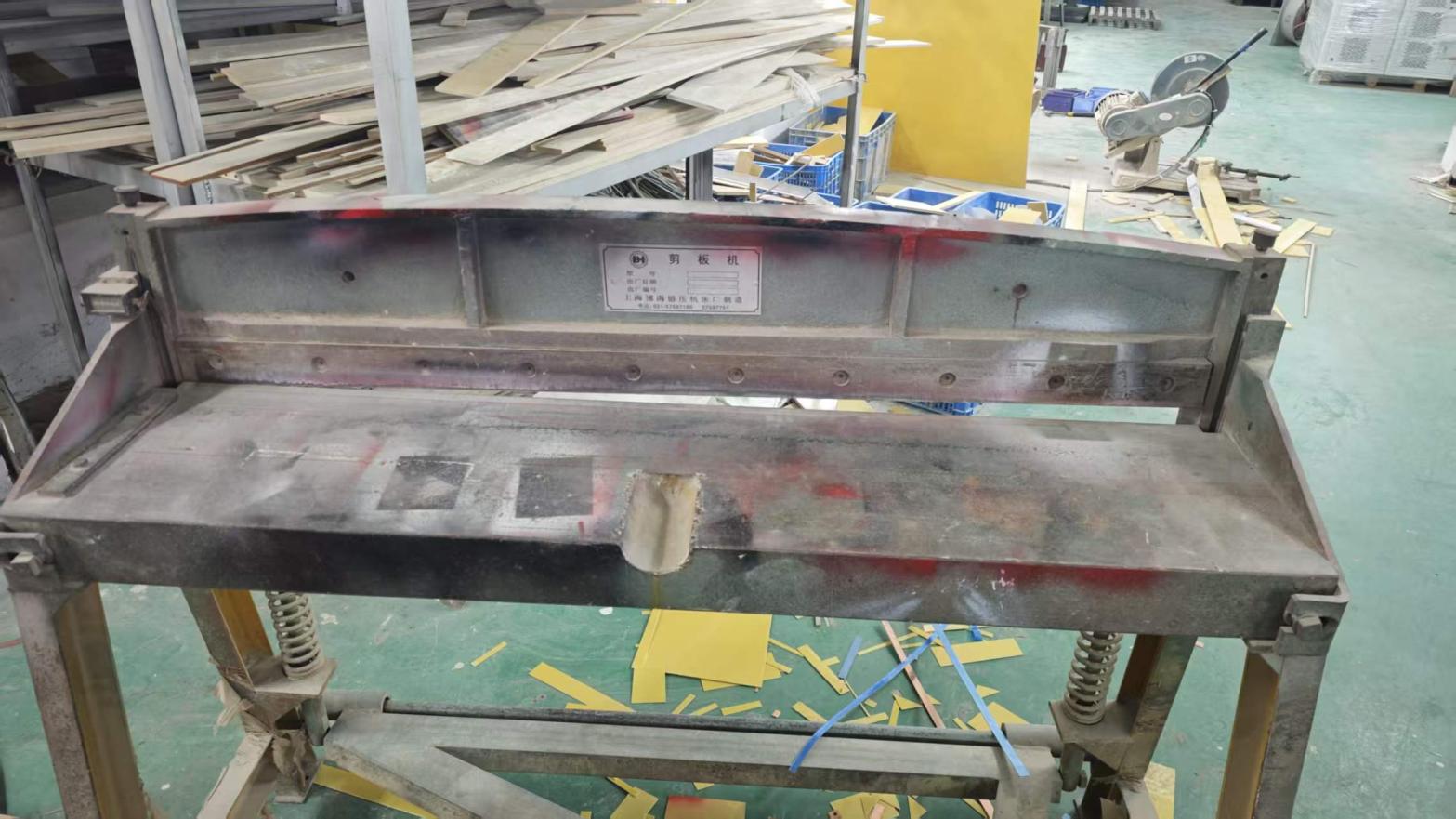
Every industrial plating rectifier and high-voltage DC power supply delivered to clients in Victoria is built from the component level up within our own manufacturing bays. We manage all mechanical sheet-metal shearing, CNC punching, milling, tapping, and structural fabrication internally. Our engineering team designs and bends high-purity T2 electrolytic copper busbars to exact tolerances, eliminating high-resistance contact joints and optimizing thermal dissipation under continuous high-amperage current transmission.
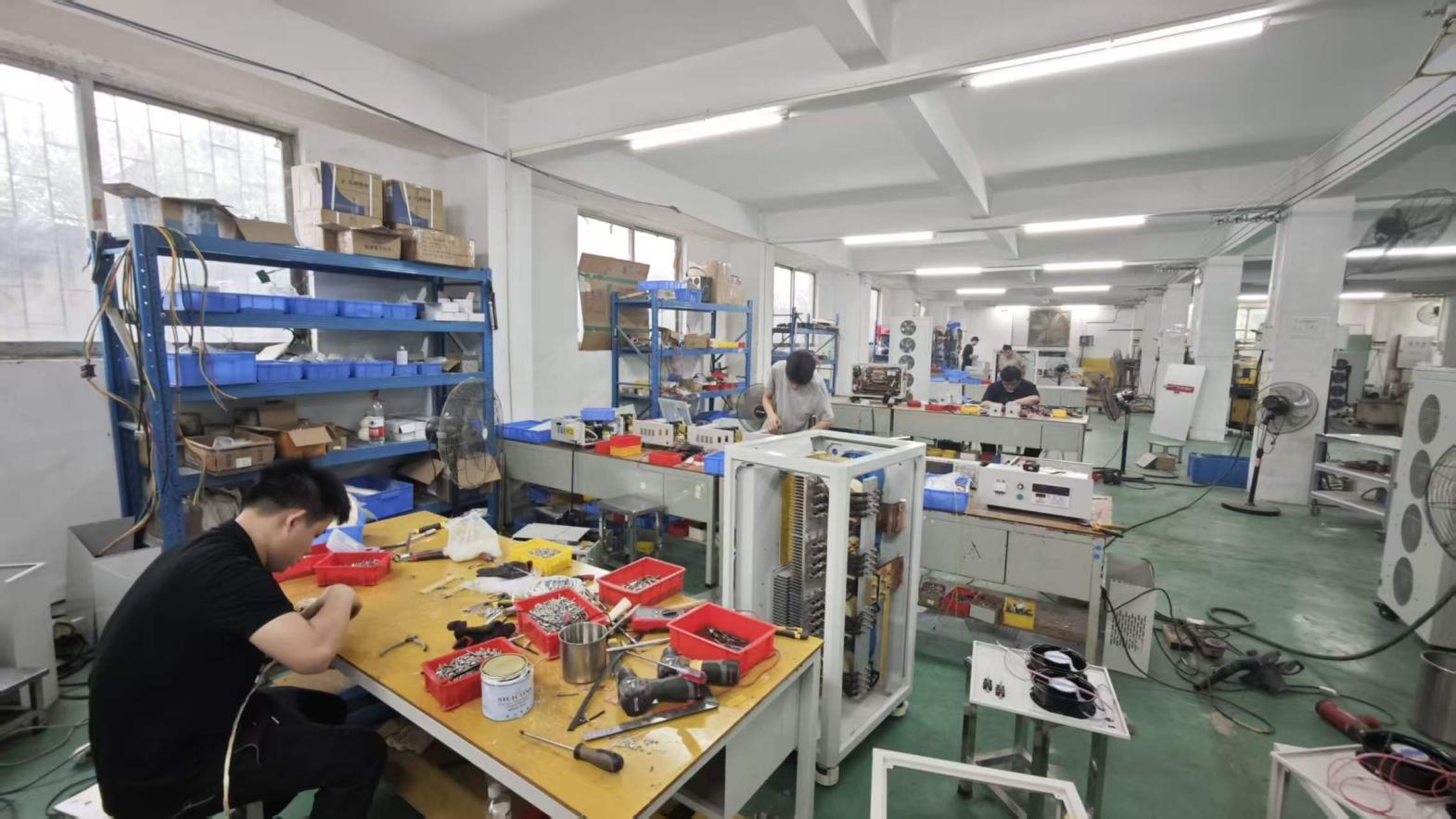
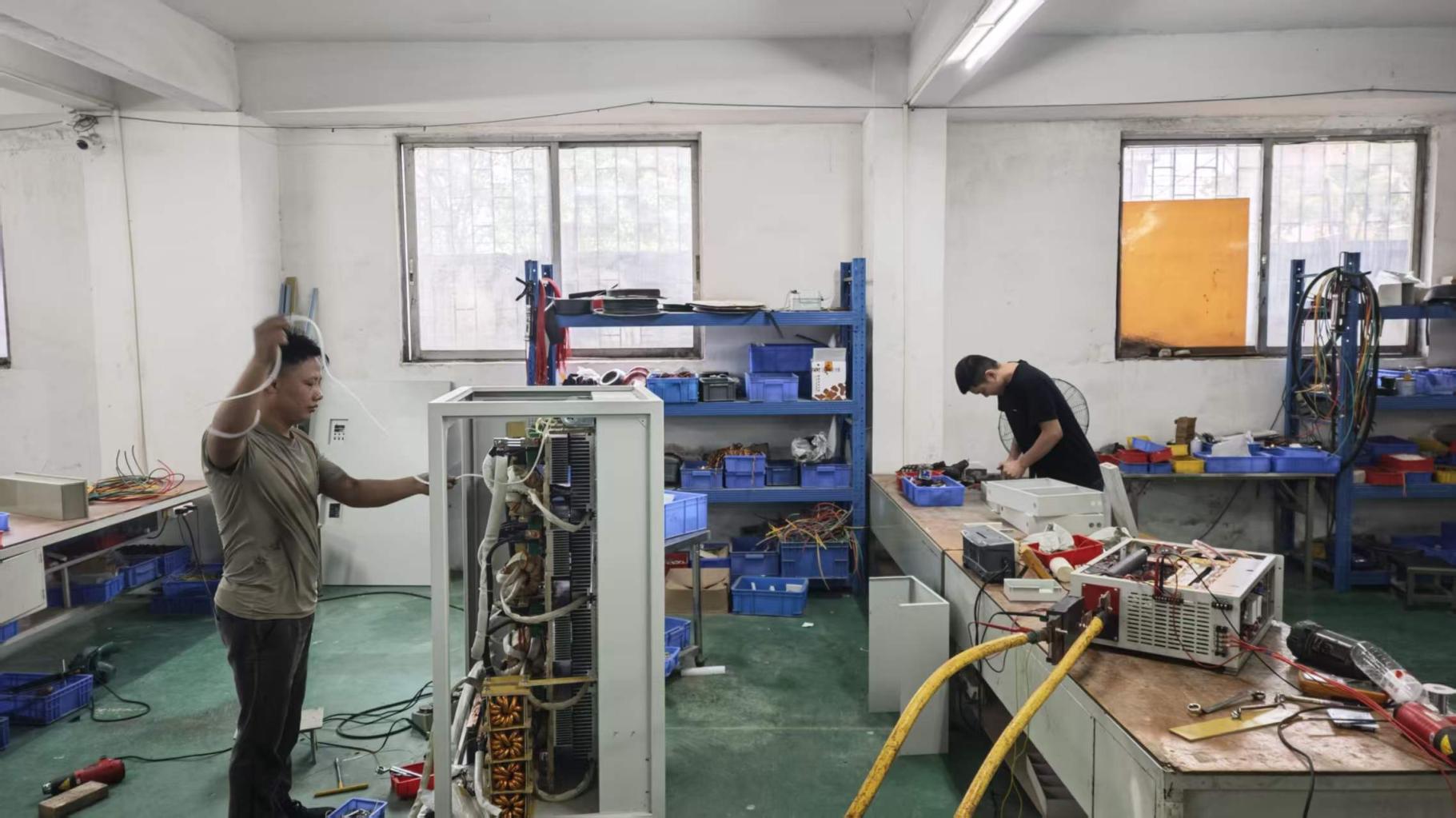
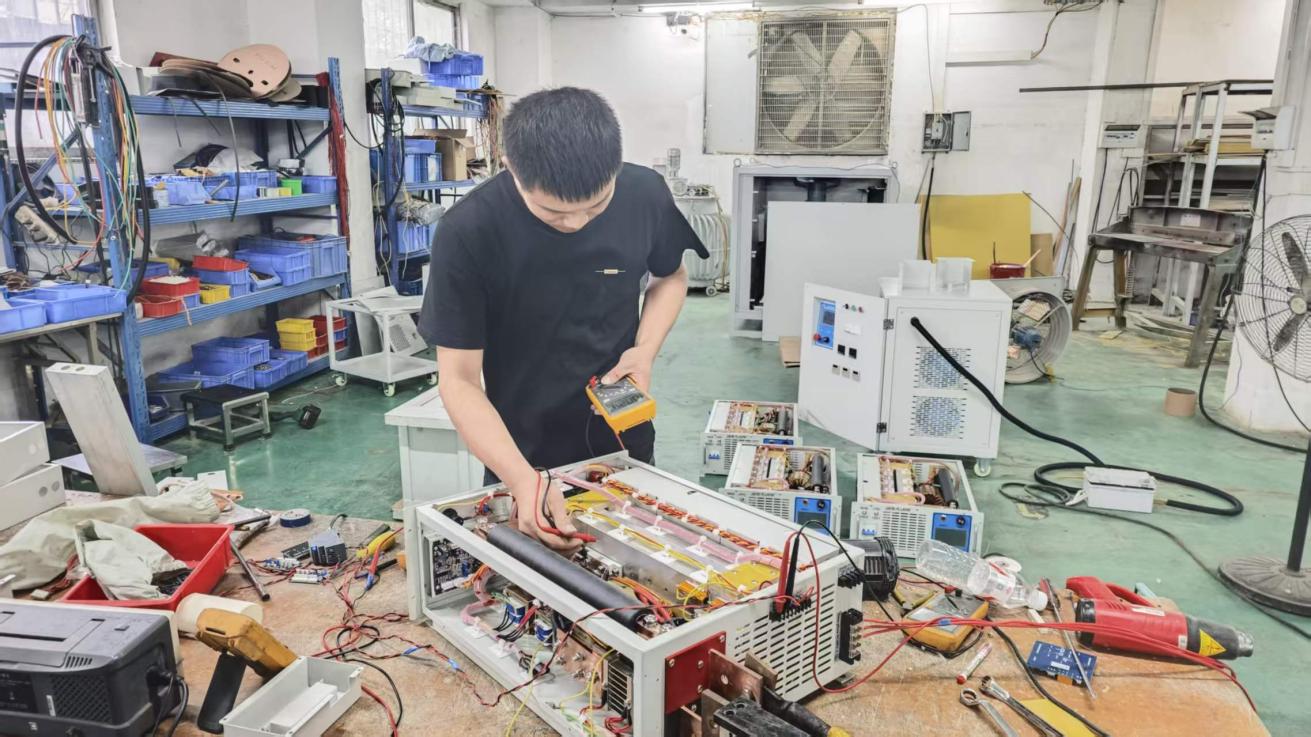
Prior to sea packing or air dispatch, every single power unit undergoes a rigorous 8- to 24-hour continuous full-load burn-in procedure connected to dynamic resistive-load banks. Real-time digital storage oscilloscopes monitor switching waveforms, harmonic distortion, soft-start ramping dynamics, and current ripple factors to ensure absolute zero-defect delivery to Victorian sites. Whether your facility operates on Australian standard 400V/415V 50Hz 3-phase mains or has customized localized step-down transformers, our power systems are configured precisely to match your input topology without requiring expensive on-site field modifications.