High Capacity

12V-15V 5000A-6000A 75kW Water-Cooled DC Rectifier
- ArchitectureIGBT Switch-Mode
- Cooling TypeDeionized Liquid Loop
- Efficiency≥ 91.5% at Full Load
- Ripple Factor≤ 2% RMS Low Noise
Configured with constant-current density control, anti-passivation high-speed polarity reversal, and hermetic corrosion isolation for harsh Caloocan operational environments.


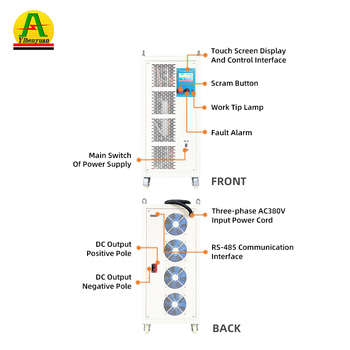
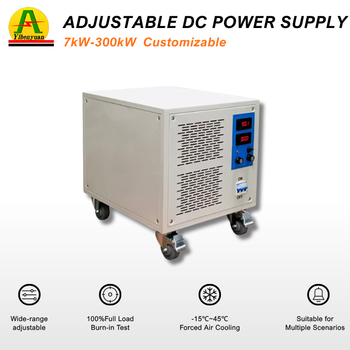

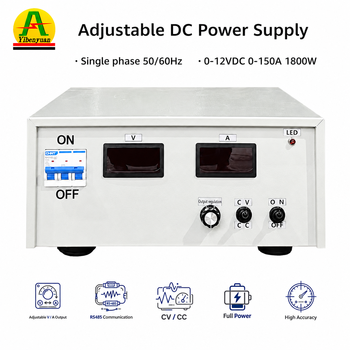
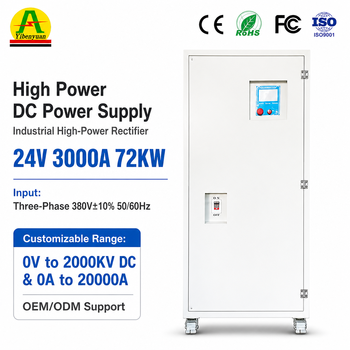
A rigorous examination of power rectification dynamics, Faraday yield optimizations, and passive film suppression in severe industrial wastewater streams.
Electrochemical wastewater remediation methods—predominantly Electrocoagulation (EC), Electro-Oxidation (EO), and Electrodialysis Reversal (EDR)—have surfaced as definitive, chemical-free methodologies for high-density industrial hubs like Caloocan, Metro Manila. Nevertheless, the systemic bottleneck in these advanced remediation cells consistently resides not within the reactor vessels themselves, but within the electrical energy conversion apparatus. Supplying direct current into a dynamic, shifting chemical electrolyte demands distinct electrical architectures radically superior to traditional, uncalibrated linear power devices or outdated Silicon Controlled Rectifiers (SCR).
Under Faraday’s law of electrolysis, metal dissolution (e.g., $Fe \to Fe^{2+} + 2e^-$ or $Al \to Al^{3+} + 3e^-$) is proportional to electrical charge passed. However, parasitic overpotentials and erratic current ripple lead to joule heating instead of coagulant release. Our high-frequency IGBT rectifiers maintain strict True Constant Current (CC) control with ≤ 2% ripple, ensuring optimal coagulant generation per kilowatt-hour consumed without runaway thermal loss.
Anode passivation through oxide and carbonate precipitation ($CaCO_3$, $Mg(OH)_2$) destroys electrochemical efficiency within operating hours. Conventional mechanical contactors suffer catastrophic contact welding under heavy current. Fenvix integrates proprietary microsecond solid-state H-bridge polarity inversion circuitry, reversing electrode potentials within configurable intervals without interrupting continuous system operations.
Air laden with hydrogen sulfide ($H_2S$), volatilized chlorine, and extreme relative humidity (surpassing 85% RH in Metro Manila) quickly corrodes standard electronic components. Fenvix units deploy completely sealed liquid-to-liquid deionized water-cooling circuits and vacuum triple-varnished transformer assemblies, isolating all control electronics from hostile airborne chemistry.
Targeted solutions responding to DENR-EMB Administrative Orders DAO 2016-08 and DAO 2021-19 water quality guidelines across Metro Manila Northern Basins.
Caloocan is split geographically into two contrasting operational landscapes: South Caloocan (densely populated commercial-industrial zones including Grace Park, 5th Avenue, and Maypajo) and North Caloocan (surging expansion nodes in Bagumbong, Camarin, and Tala). This industrial split creates hyper-specific wastewater profiles that necessitate specialized electrochemical rectifiers:
High concentration of surface finishing, nickel-chrome electroplating, and galvanizing workshops. Heavy metals like Hexavalent Chromium ($Cr^{6+}$), Nickel ($Ni^{2+}$), and Zinc ($Zn^{2+}$) require high-current EC for rapid metal flocculation and sludge reduction prior to city sewer discharge.
Plants along the Tullahan River face intense scrutiny from DENR-EMB Region NCR. Strict BOD, COD, and Surfactants limits under DAO 2016-08 mandate electrochemical advanced oxidation (EAOP) utilizing high-voltage, low-ripple pulsed DC to degrade persistent synthetic organics.
North Caloocan’s food packing, poultry, and meat processing facilities discharge severe Chemical Oxygen Demand (COD), fats, oils, and grease (FOG). Automated polarity-reversing DC power supplies prevent grease accumulation on reactor electrodes, maintaining unbroken treatment cycles.
High mineral hardness in Metro Manila groundwater leads to massive calcium/magnesium scaling across manufacturing chillers. Direct electrochemical cathodic descaling power units eliminate hazardous chemical softeners through automated electrolytic precipitation.
Operational trade-offs, electrical footprint analysis, and total cost of ownership (TCO) comparisons for engineers in Caloocan.
| Performance Metrics | Legacy SCR / Thyristor Rectifier | Fenvix High-Frequency IGBT System | Impact on Caloocan Operators |
|---|---|---|---|
| Operating Efficiency | 70% – 78% (Severe heat loss) | 90% – 94% Efficiency | Reduces high Meralco commercial electricity costs substantially. |
| Ripple Factor (RMS) | 15% – 30% without giant chokes | ≤ 1% – 2% Pure DC | Minimizes passivated boundary layers and maximizes faradaic floc generation. |
| Polarity Reversal Mechanism | Bulky mechanical contactors (Slow, arcs) | Solid-State H-Bridge (< 20ms) | Eliminates contact burnout and electrode dead-time in automated descaling. |
| Environmental Protection | Forced cabinet ventilation (Sucks corrosive air) | IP55/IP65 + Water-Cooled Circuit | Immune to humid, hydrogen sulfide, and chlorine laden local plant atmospheres. |
| Physical Footprint & Mass | Very heavy, large floor requirement | Compact footprint (65% volume reduction) | Enables easy integration into space-constrained facilities in South Caloocan. |
How stringent national regulations and corporate sustainability targets are driving technological modernization.
The Department of Environment and Natural Resources (DENR) has lowered permissible thresholds for copper, arsenic, and cadmium in inland surface waters (Class C & D). Standard chemical precipitation often produces toxic chemical sludge exceeding hazardous limits (RA 6969). Electrochemical coagulation with modern rectifiers precipitates stable mineral hydroxides with significantly less wet-sludge volume.
Due to groundwater extraction bans imposed by the National Water Resources Board (NWRB) across over-extracted aquifers in CAMANAVA (Caloocan, Malabon, Navotas, Valenzuela), factories must recycle process wash-water. Advanced Electrodialysis Reversal (EDR) driven by stable DC power bridges the gap to allow high-percentage permeation reuse.
Modern plant managers in Camarin and Tala demanding remote monitoring can no longer accept stand-alone manual rectifiers. Integration of Modbus-RS485 and Profinet communications enables live electrical density logging, remote fault diagnosis, automated reversal sequencing, and zero-touch compliance documentation.
Serving industrial buyers worldwide with verified in-house manufacturing, full electrical burn-in, and ISO 9001 certified execution.
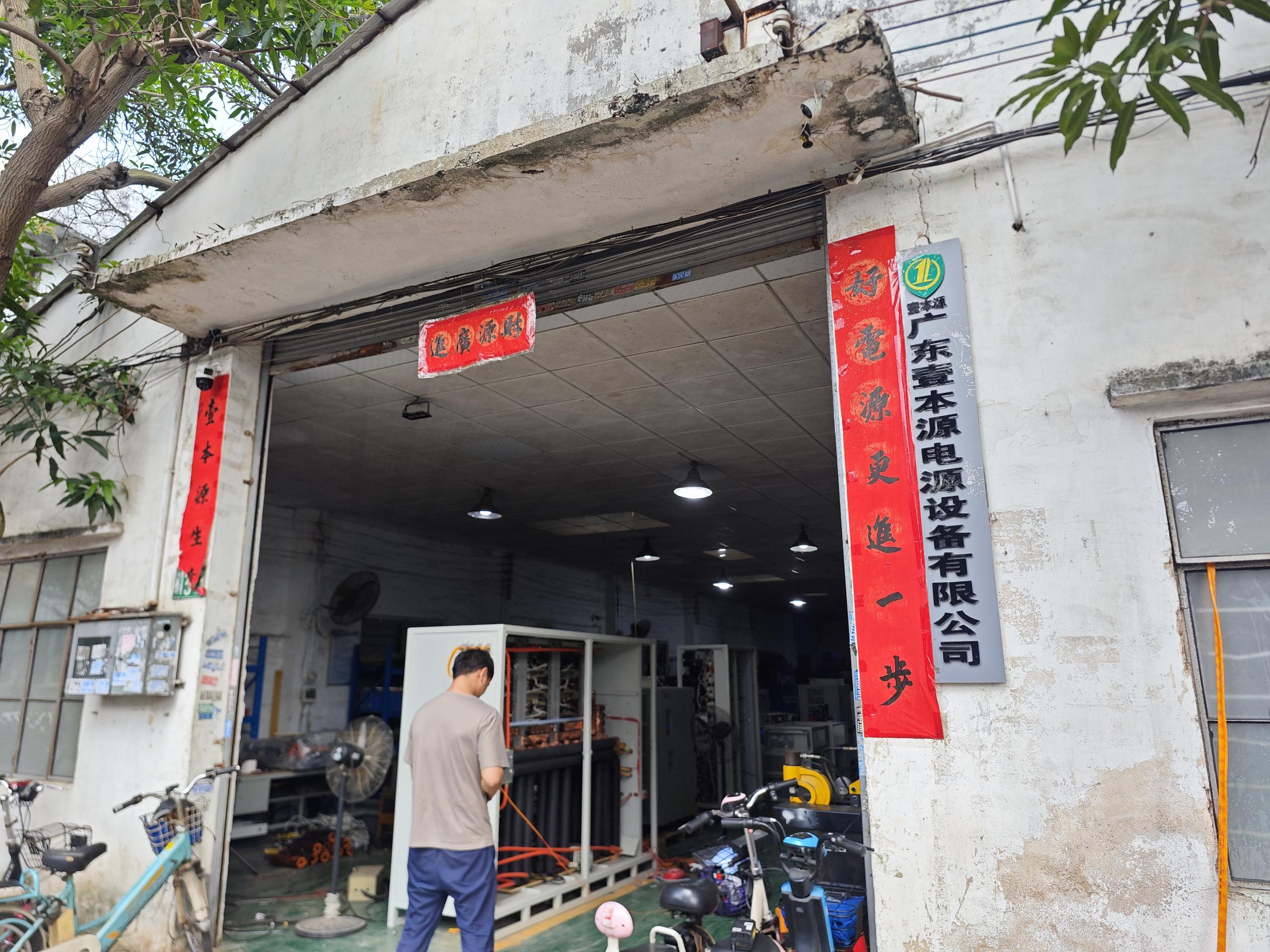
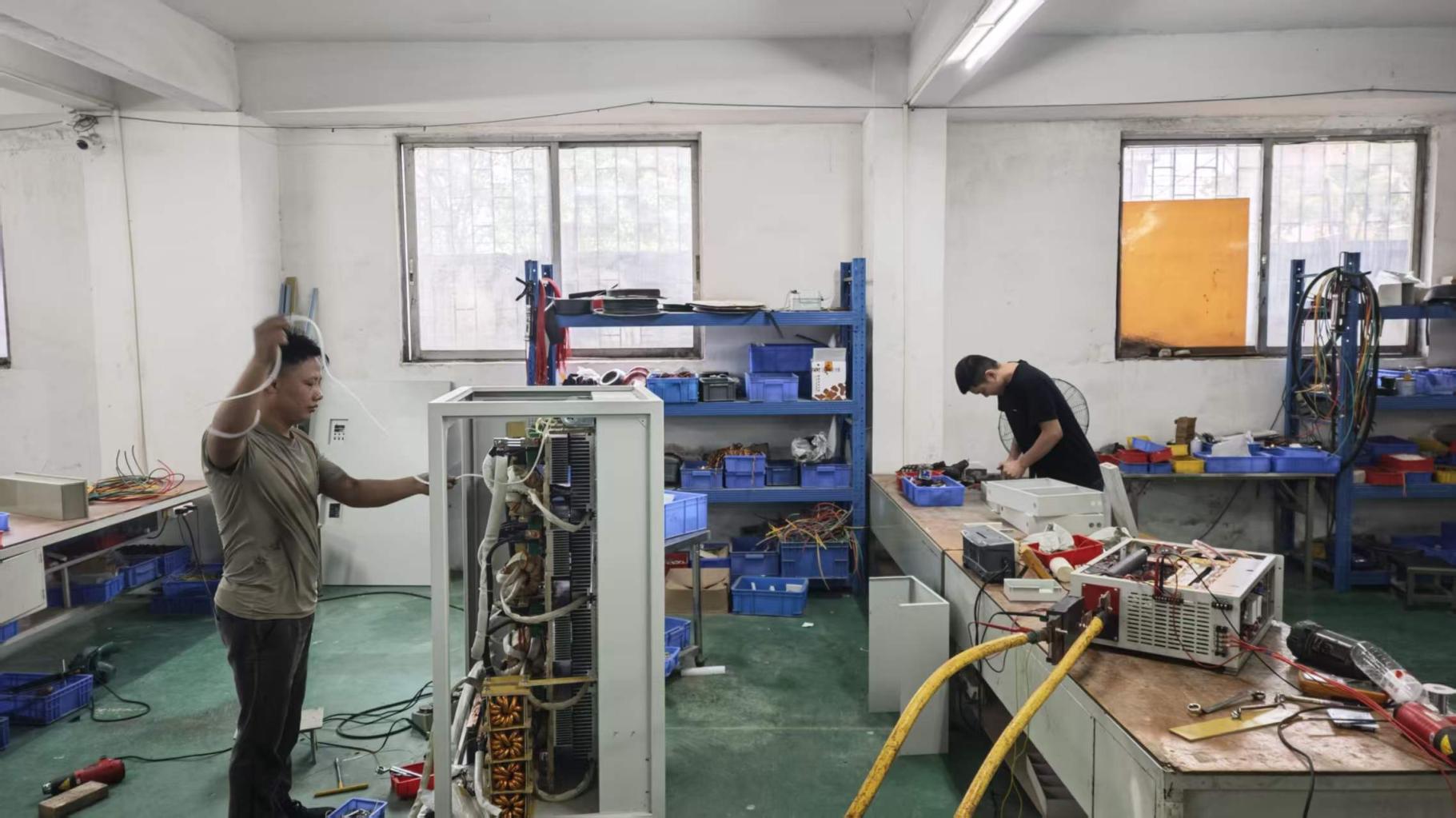
Every cabinet, cooling channel, and T2 oxygen-free copper busbar is engineered, laser-cut, punched, and assembled internally to maintain total mechanical integrity under heavy electrical loads.
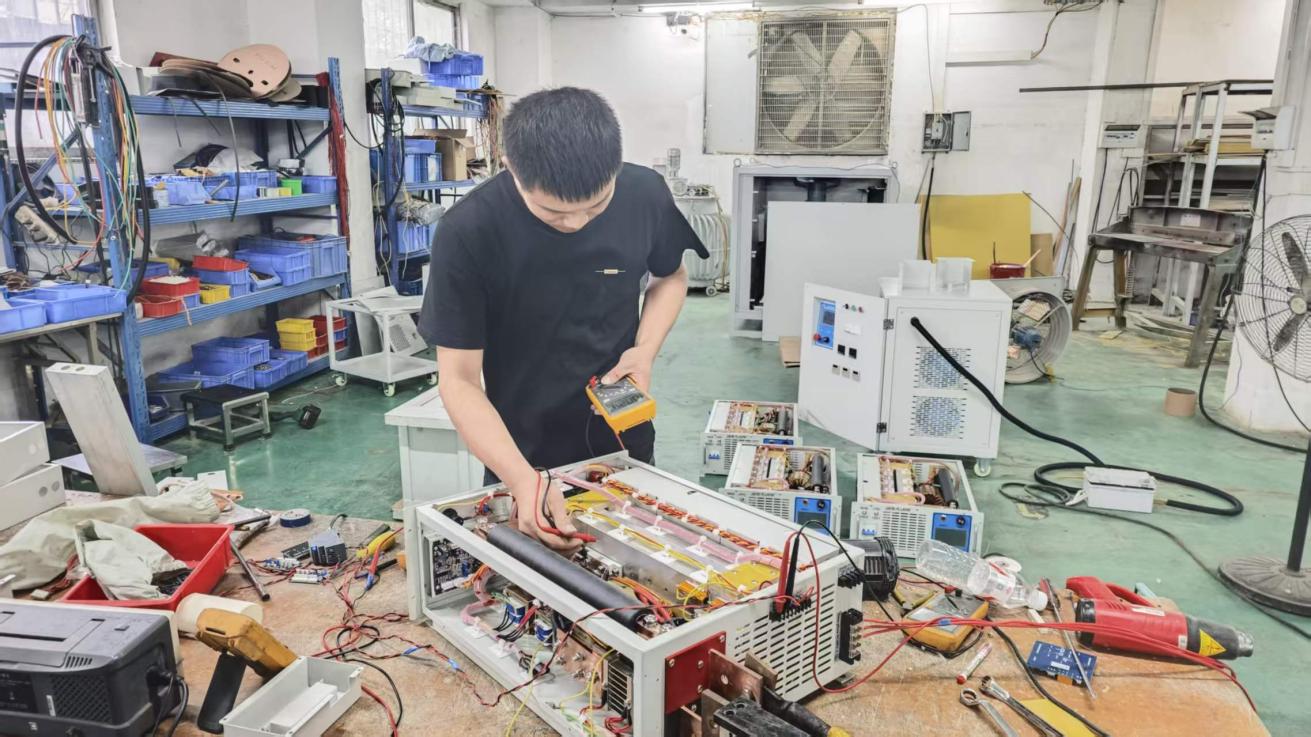
Units undergo 24-48 hours of simulated full-load burn-in using programmable resistive load banks. Oscilloscope traces confirm low ripple factor and clean polarity reversal transitions before export crating.
Direct export fulfillment through Manila South or North Harbor (MICP). Custom crating incorporates hermetic moisture barrier vapor-bags, desiccant charges, and heavy shock cushions for maritime transit.
Direct answers addressing grid voltages, cooling choices, shipping logistics, and compliance for local project engineers.
Whether you are designing a high-capacity electrocoagulation facility in North Caloocan, revamping an electroplating effluent line in Grace Park, or automating cooling tower descaling, our engineering team is ready to specify your ideal DC power configuration.