Technical Authority: Sourcing Industrial Zinc Plating Rectifiers for the Daegu Electro-Surface Ecosystem
Daegu Metropolitan City, historically recognized as the textile hub of the Republic of Korea, has transformed across the last three decades into the undisputed capital of high-precision mechatronics, automotive components, robotics, and water treatment engineering. Anchored by the extensive Seongseo Industrial Complex (성서산업단지), the Dalseong Industrial District, and the forward-looking Daegu Gyeongbuk Free Economic Zone (DGFEZ), the metropolitan area houses hundreds of tier-1 and tier-2 suppliers delivering chassis hardware, drivetrain assemblies, precision hydraulic fittings, and automated tool fixtures to Hyundai, Kia, Renault Korea, and global heavy equipment makers.
In this demanding manufacturing corridor, surface finishing—specifically acid zinc electroplating, alkaline non-cyanide zinc plating, and zinc-nickel (Zn-Ni) alloy electrodeposition—serves as the quintessential barrier preventing chemical rust, salt corrosion, and microscopic mechanical galling. However, contemporary South Korean quality benchmarks such as KS D 8304, combined with multinational original equipment manufacturer (OEM) automotive corrosion hurdles demanding up to 1,000 to 1,500 hours of neutral salt spray testing without red rust formation, have pushed conventional thyristor-based (SCR) rectifiers beyond their design limits. To secure zero-defect deposit uniformity across complex geometries, the manufacturing engineering community in Daegu is rapidly substituting outdated, high-loss silicon-controlled units with high-frequency IGBT switching DC rectifiers engineered in China’s specialized electro-power manufacturing clusters.
Topological Superiority: Why Daegu Finishers Are Transitioning to High-Frequency IGBT Systems
The electrochemical core of zinc electroplating relies on cathodic reduction: Zn²⁺ + 2e⁻ → Zn. When using archaic 50Hz/60Hz SCR phase-controlled rectifiers, output current retains severe 300Hz/360Hz ripple harmonics unless dampening choke coils of enormous mass are incorporated. In alkaline zinc or acid chloride zinc electrolyte tanks, excessive ripple alters the micro-polarization layer adjacent to the cathode, leading directly to dendritic zinc treeing, burnt edges at high current density zones, and micro-porosity in threaded recesses.
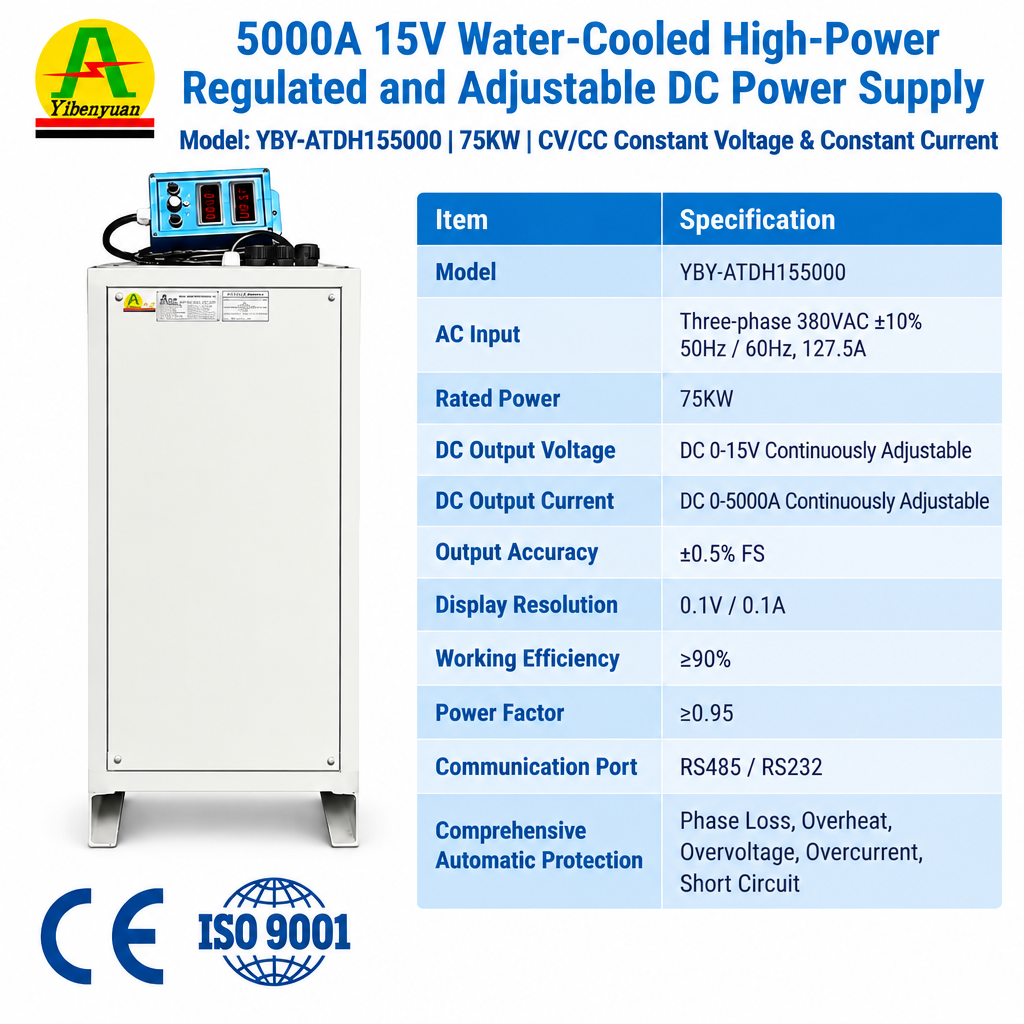
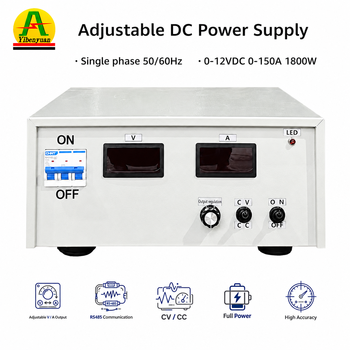
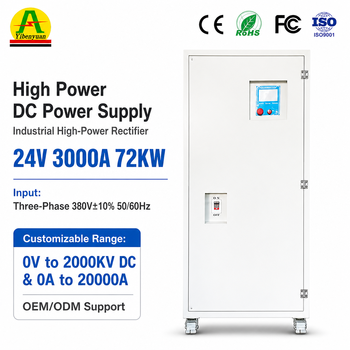
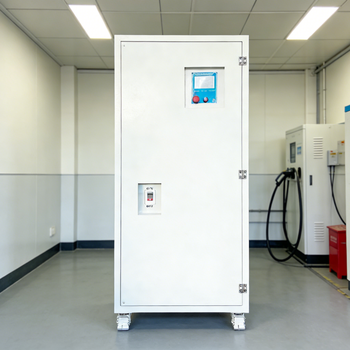
Fenvix IGBT-based high-frequency rectifiers completely restructure this electrical dynamic. Utilizing an AC-DC-AC-DC conversion topology operating at pulse-width modulation (PWM) switching frequencies between 20kHz and 50kHz, high-frequency transformers reduce magnetic core size by more than 75% compared to commercial line-frequency transformers. Furthermore, nanofrystalline and amorphous toroidal cores suppress inductive core losses, allowing Fenvix systems to sustain overall electrical conversion efficiencies exceeding 90% across the full continuous operating span. For electroplating operators across Daegu managing 5,000A to 15,000A continuous plating tanks, the 10% to 15% efficiency differential compared to SCR systems translates to millions of South Korean Won (KRW) in monthly electrical tariff reductions.
Micro-Ripple Suppression
PWM rectification limits DC ripple factor to under 2% RMS throughout the entire 0-100% current range, eliminating edge-burn on precision automotive bolts and stamped brackets.
Energy Payback Economics
Attaining 90-93% power conversion efficiency, Fenvix high-frequency cabinets sharply cut kilowatt-hour consumption under continuous 24/7 barrel and rack electroplating conditions.
IP54 Sealed Cooling
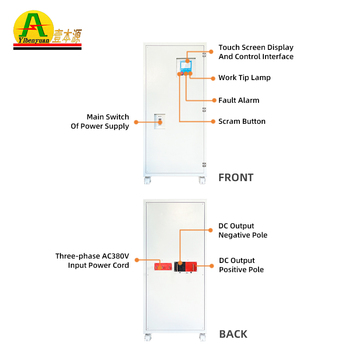
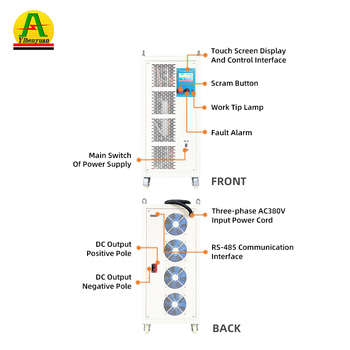
For high-humidity, acid-vapor Korean plating halls, closed-loop deionized water cooling insulates all sensitive driver modules from corrosive hydrochloric and sulfuric ambient mist.
Localization Scenarios: Direct Applications Across Daegu's Core Industries
The localized deployment of Fenvix electroplating rectifiers across Daegu corresponds directly to three major industrial sectors driving the North Gyeongsang regional economy:
1. High-Tensile Automotive Fasteners & Chassis Components (Seongseo & Dalseong): Daegu supplies millions of critical fasteners, brake caliper pins, and steering knuckle joints weekly. Plating these parts requires strict control of zinc-nickel alloy composition (typically 12% to 15% nickel content) to prevent hydrogen embrittlement while fulfilling stringent friction coefficient standards. Fenvix constant-current (CC) programmable rectifiers guarantee instantaneous ramp times and ultra-stable current densities, ensuring uniform gamma-phase crystal deposition without burning thread pitches.
2. Industrial Robotics & Machine Tool Slideways: With Daegu designated as Korea’s flagship National Robot Test Field hub, robotic actuators, guide rails, and gearbox housings require durable anti-corrosion barrier coatings combined with dry-film lubricants. Our water-cooled 12V 4,000A to 6,000A rectifiers supply pristine DC current to automated rack-plating lines, maintaining consistent boundary layer diffusion across intricately contoured multi-axis arm segments.
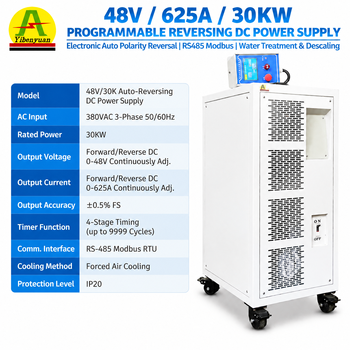
3. Water Filtration, Desalination & Electrolytic Treatment: Surrounding the Daegu National Water Cluster (국가물산업클러스터) in Dalseo-gu, environmental equipment manufacturers utilize high-amperage direct current for electro-coagulation, cathodic antifouling, and electrode-membrane regeneration. Fenvix automated polarity-reversing rectifiers (such as our 48V 625A system) allow cyclic anode/cathode inversion within milliseconds, automatically removing hard calcium and magnesium scaling without halting plant operations.
| Plating Process | Typical Daegu Specification | Recommended DC Rectifier | Critical Engineering Benefits |
|---|---|---|---|
| Acid Chloride Zinc | 0–12V DC, 3,000A–8,000A | 12V 5000A / 8000A Water-Cooled IGBT | High brightness, low acid mist corrosion risk with sealed cooling cabinet. |
| Alkaline Zinc-Nickel (Zn-Ni) | 0–15V DC, 4,000A–10,000A | 15V 6000A High Frequency CV/CC | Exact current density gating to ensure 12-15% target alloy ratio across deep recesses. |
| Continuous Barrel Zinc | 0–12V DC, 2,000A–5,000A | 12V 4000A 48kW Modular Source | Eliminates micro-arcing between barrel contacts; rapid current recovery under tumbling. |
| Electrolytic Descaling & Clean | 0–48V DC, 500A–1,500A | 48V 625A Auto-Polarity Reversing | Programmable forward/reverse timers to continuously self-clean submerged electrode plates. |
| Hard Anodizing / Passivation | 0–60V DC, 1,000A–3,000A | 100–3000A Stepped Voltage Source | Multi-segment programmable ramping prevents thermal stress cracking of oxide layers. |
Strategic Manufacturing Advantages of Guangdong Fenvix Technology
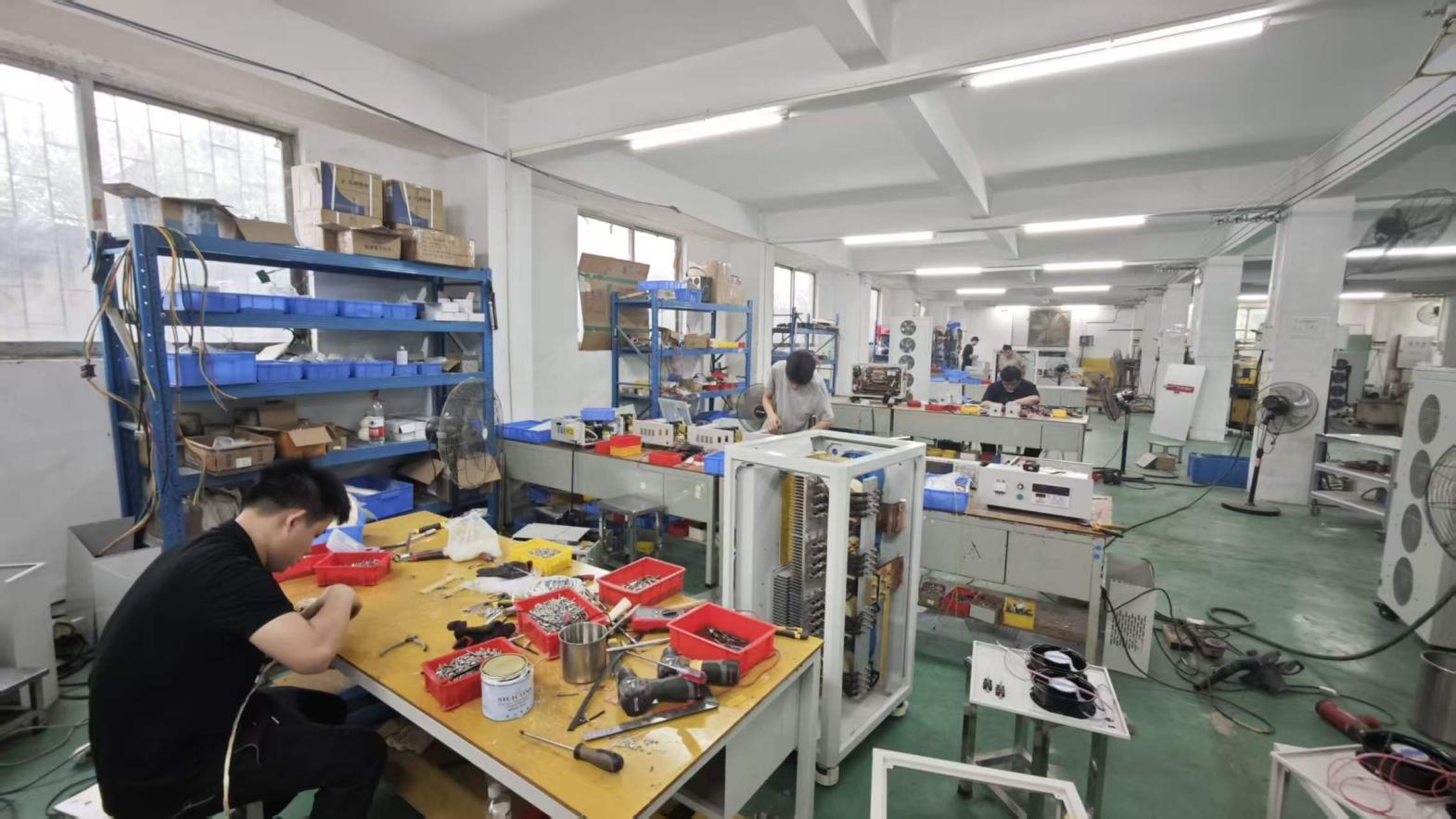
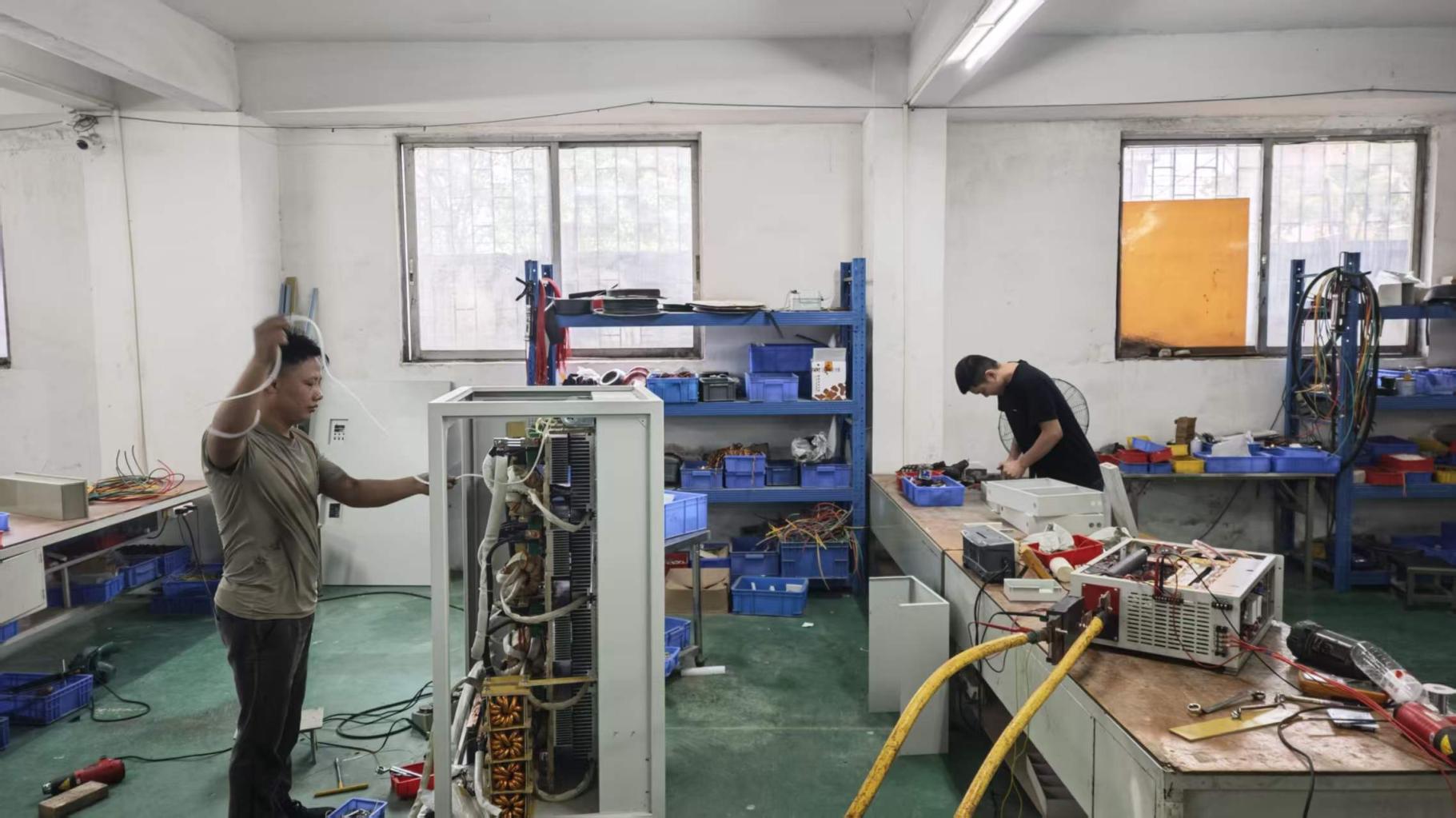
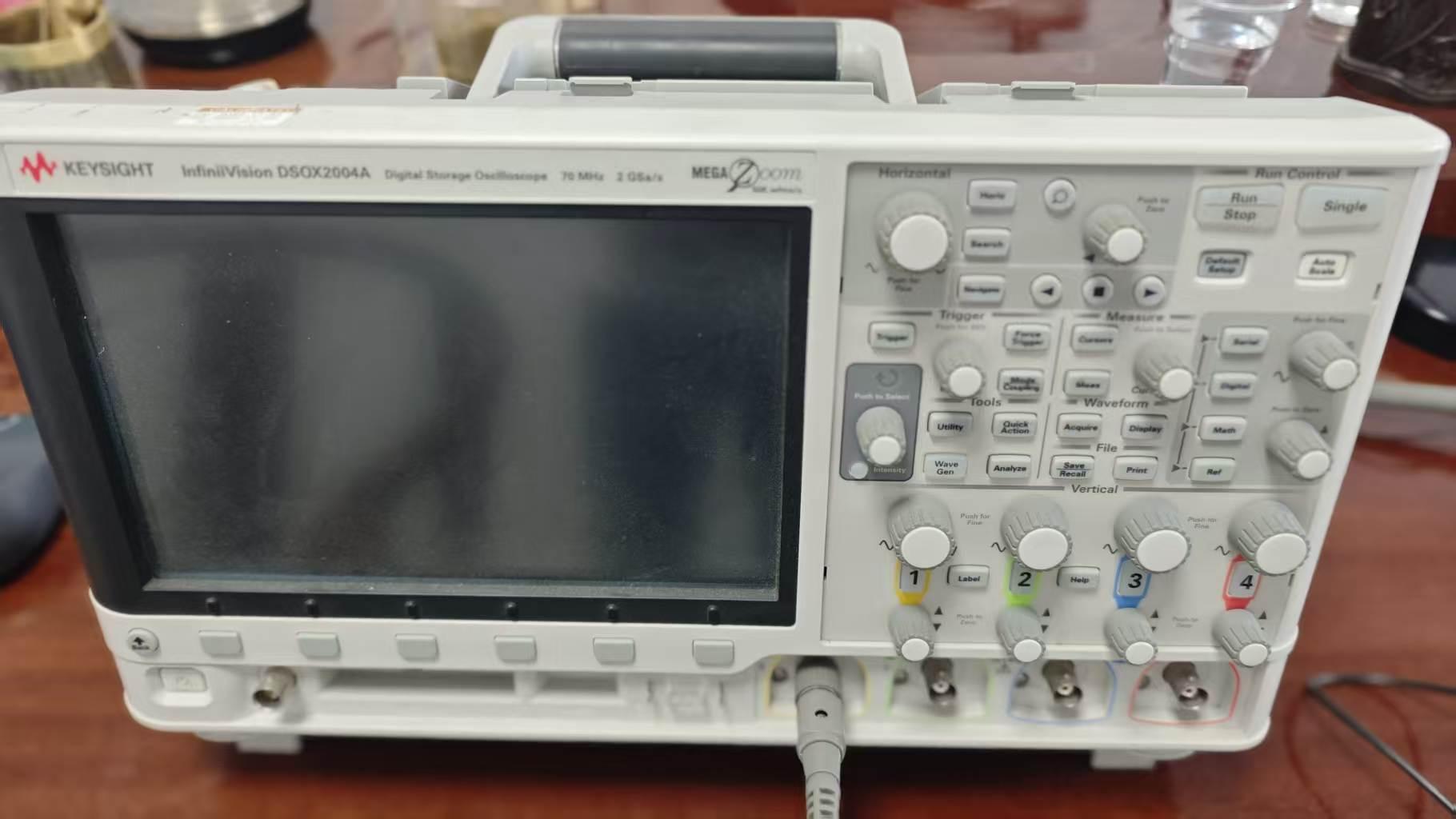
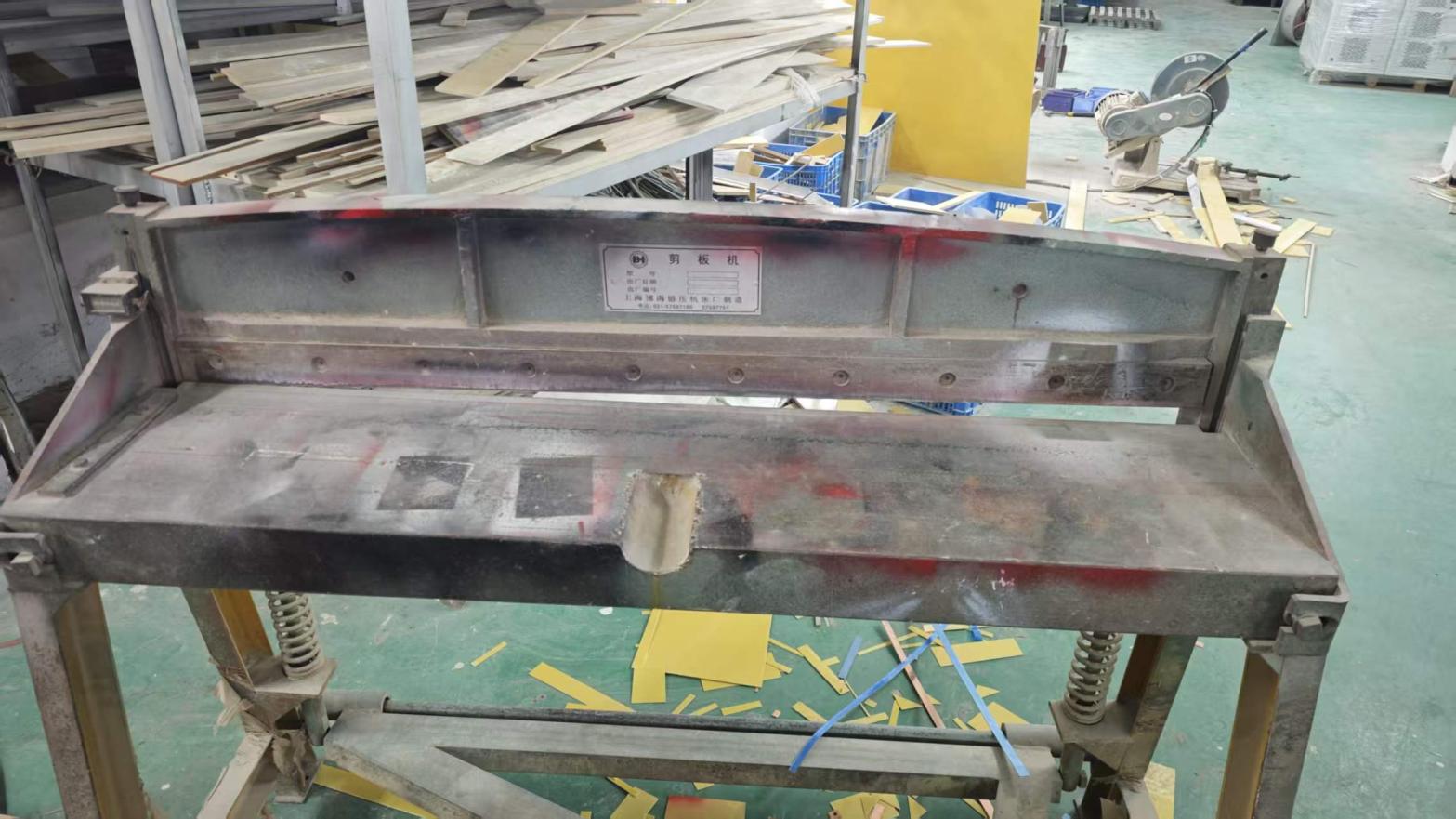
Why are Daegu procurement agents, plant engineers, and electroplating machine builders partnering directly with Fenvix over local trading middlemen? Operating from our 3,000-square-meter modern production facility in Guangzhou, Guangdong, Fenvix controls every tier of the rectifier manufacturing process. Unlike commercial aggregators who outsource cabinet fabrication and board assembly to disparate vendors, our facility integrates on-site sheet metal fabrication, CNC copper busbar shearing and punch-press operations, automated component placement, and comprehensive multi-stage burn-in load testing.
Every heavy-current rectifier produced for South Korean export incorporates authentic Infineon or Fuji IGBT power modules, premium magnetic amorphous transformers, and heavily nickel-plated T2 copper conductors designed to operate at low current density limits, preventing busbar overheating even in ambient temperatures surpassing 40°C. Backed by ISO 9001 certified quality management protocols and independently verified on site by TÜV Rheinland, our rectifiers carry full CE, RoHS, Low Voltage (LVD), and Electromagnetic Compatibility (EMC) compliance.
Future Technology Trends in Daegu's Metal Finishing Sector
As the South Korean Ministry of SMEs and Startups accelerates its national "Smart Factory 3.0" initiative, Daegu’s plating shops are rapidly transitioning toward data-driven, lights-out automated tank lines. Modern rectifiers can no longer exist as isolated electrical islands. Recognizing this structural evolution, Fenvix equips its high-frequency power supplies with digitally isolated RS485 Modbus-RTU, Profibus-DP, and optional industrial Ethernet interfaces. Critical telemetry—including precise cathode current density, output bath voltage, internal heat-sink thermistor readings, incoming phase voltages, and cumulative ampere-hour logs—is continuously streamed directly to master supervisory control and data acquisition (SCADA) systems.
Simultaneously, the industry is witnessing an accelerated migration toward periodic pulse reverse (PPR) plating. While standard direct current often depletes metal ion concentration near the cathode substrate, periodic reverse pulsing momentarily redissolves micro-peaks while restoring the double-layer ion concentration. This results in ultra-fine crystal grain refinement, near-zero porosity, and dramatically enhanced ductility in zinc-nickel and hard chromium plating, enabling Korean exporters to easily surpass global durability tests with thinner, more cost-effective deposit layers.