Aviation Ground Power Units & 400Hz Solid-State Converters
High-efficiency IGBT switching topology configured directly for Eastern Japan's 50Hz utility grid input, delivering ultra-clean 400Hz sinusoidal AC and ripple-free 28.5V DC power for civil, commercial, and military aircraft ground servicing.
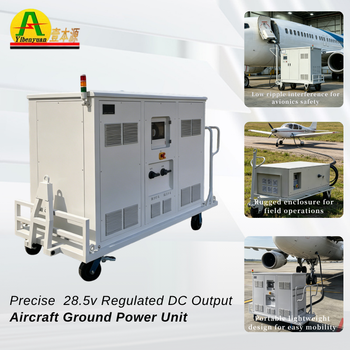
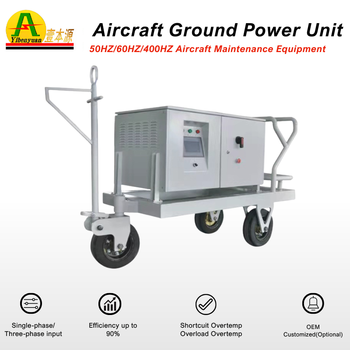
Portable 28.5V DC Aircraft Ground Power Unit
- Continuous Output: 100A – 600A Adjustable
- Engine Cranking Peak: Up to 2000A (10s)
- Input Grid: 200V 3P 50Hz / 60Hz
- Cooling / Enclosure: Forced Air / IP54 All-Weather
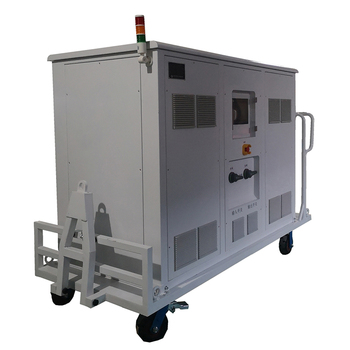
Triple Output 28.5V 100–600A GPU System
- Independent Outputs: 3 Dedicated 28.5Vdc Channels
- Regulation Accuracy: ≤ ±0.5% Load Regulation
- Ripple & Noise: < 0.2% RMS Low Noise
- Application: MRO Stations & Avionics Racks
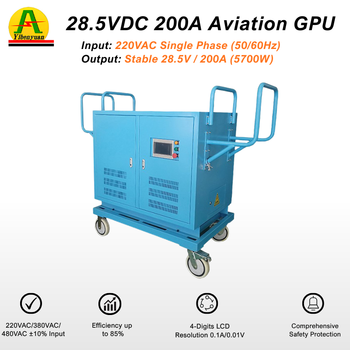
200V/220VAC to 28.5VDC 200A Utility GPU
- Rated Continuous Power: 5.7 kW Clean DC
- Form Factor: Ultra-Compact Mobile Cart
- Primary Scope: Helicopters, VLJ, UAV Servicing
- Safety Interlock: ISO 6858 & MIL-STD-704F
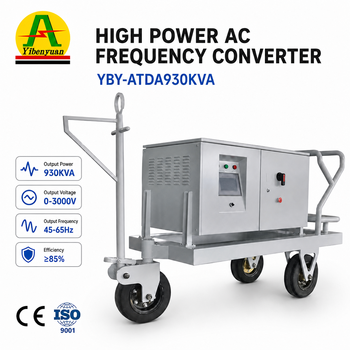
930kVA Central 400Hz Solid-State Apron GPU
- Output Rating: 115V / 200V AC 400Hz 3-Phase
- Inverter Architecture: Multi-Pulse Solid-State IGBT
- Total Harmonic (THD): < 2.0% at Linear/Nonlinear
- Deployment: Sub-Station Central Bus at Terminals
630kVA 400Hz Heavy Aviation Ground Power
- Output Adjustment: 115V–450V Line Compensation
- Efficiency Rating: ≥ 94.5% at Full Load
- Protection Matrix: Over/Under Voltage, Short, Thermal
- Compliance: JIS C Standards / IATA AHM 922
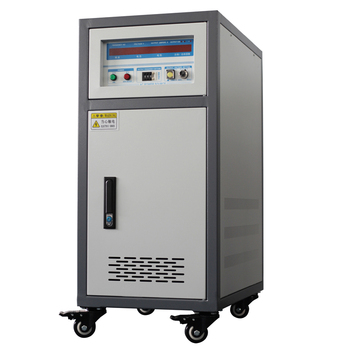
115V 400Hz Frequency Converter (15–300kVA)
- Dynamic Response: < 2ms Voltage Transient Recovery
- Digital Control: 32-Bit DSP Remote Monitoring (RS485)
- Galvanic Isolation: Built-In Low Leakage Transformer
- Application: Flight Instrument Calibration Labs
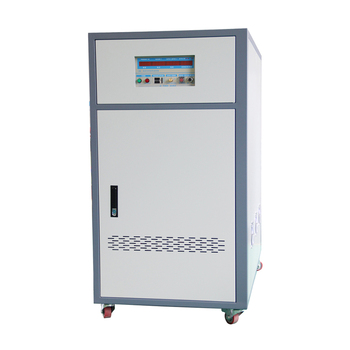
40–500kVA Static Grid Frequency Converter
- Grid Conversion: 50Hz (TEPCO) ↔ 60Hz ↔ 400Hz
- Phase Configuration: 3-Phase 3-Wire / 4-Wire
- Noise Footprint: < 65 dBA at 1 Meter (Silent)
- Verification: TÜV Rheinland Inspected Build
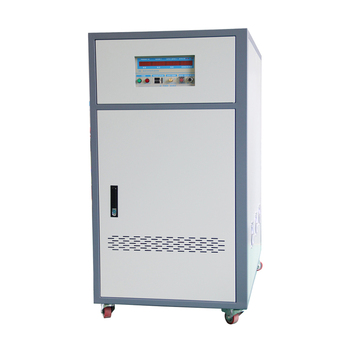
45kVA 400Hz Point-of-Use Static Converter
- Input Compatibility: 3-Phase 200V 50Hz (Tokyo Grid)
- Output Voltage: Single/3-Phase 115V / 200V 400Hz
- Overload Capacity: 125% for 10 min, 150% for 60 sec
- Installation: Wall Mount or Towable Trailer Cart
Decarbonization, TEPCO 50Hz Grid Dynamics & Tokyo Apron Electrification
An engineering assessment of how solid-state power electronic converters replace legacy diesel ground power units under the Tokyo Metropolitan Government's aggressive carbon-reduction policies and MLIT airport environmental directives.
The Tokyo civil and commercial aviation ecosystem—anchored by Tokyo International Airport (Haneda / HND), Narita International Airport (NRT), and the surrounding Kanto aerospace maintenance cluster—is executing the most ambitious decarbonization transition in East Asia. Directed by the Japanese Ministry of Land, Infrastructure, Transport and Tourism (MLIT) under the Eco-Airport Master Plan, commercial air hubs are progressively banning fossil-fueled diesel Ground Power Units (GPUs) and Auxiliary Power Unit (APU) burning at passenger boarding gates and cargo stands. The mandate demands zero-emission, high-efficiency ground support equipment (e-GSE) capable of delivering uninterruptible electrical power while slashing apron acoustic noise below strict local threshold levels.
However, deploying high-power aviation ground conversion systems in Tokyo introduces extraordinary technical constraints unique to Eastern Japan. Unlike Western Japan (which operates at 60Hz), Tokyo and the Kanto region are powered by the TEPCO (Tokyo Electric Power Company) 50Hz commercial power grid at industrial potentials typically configured at 200V or 400V 3-phase. Modern commercial airliners—such as the Boeing 787 Dreamliner, Airbus A350, and next-generation narrowbodies—demand uncompromisingly stable, 400Hz 3-phase 115V/200V AC power with total harmonic distortion (THD) strictly held below 2.5%, or low-voltage DC power precisely clamped at 28.5V DC for avionics checks and turboprop/regional jet starter turbines. This necessitates solid-state frequency converters and DC rectifiers possessing dual-stage galvanic isolation, ultra-fast dynamic transient recovery (<2.5 ms), and strict harmonic suppression conforming to JEITA guidelines.
Architectural Comparison: Solid-State Static GPUs vs. Diesel Mechanical GSE in Tokyo
Procuring ground power units in the Japanese market historically involved costly domestic brand-name trading houses or European diesel trailers. Today, tier-one Japanese ground handlers, airline maintenance engineering teams, and defense contractors are turning directly to Guangdong Fenvix Technology Co., Ltd. as an audited, ISO 9001-certified source manufacturer. By eliminating diesel prime movers in favor of advanced digital signal processor (DSP)-driven Insulated Gate Bipolar Transistor (IGBT) switching architecture, Fenvix GPUs yield superior lifecycle economies and power stability.
| Key Engineering Vector | Conventional Diesel Engine GPU | Fenvix Solid-State Static GPU | Impact on Tokyo Airport Operations |
|---|---|---|---|
| Acoustic Noise Footprint | 85 dBA – 98 dBA at 1 meter | < 65 dBA (Whisper-Quiet Fans) | Complies with Ota-ku & Haneda Noise Caps |
| Harmonic Distortion (THD) | 5.0% – 8.5% (Degrades with brush wear) | < 2.0% Linear, < 3.0% Non-Linear | Protects sensitive Boeing/Airbus flight avionics |
| Tokyo Utility Input (TEPCO) | None (Requires constant Jet-A or Diesel) | 200V / 400V 3-Phase 50Hz Optimized | Cuts ground handling fueling logistics to zero |
| Dynamic Transient Recovery | > 50 ms to 100 ms mechanical lag | < 2.5 ms (High-speed DSP feedback) | Eliminates voltage dip trips during hydraulic cycling |
| Operating Carbon Footprint | High localized CO₂, NOx & particulate | Zero localized emissions (100% Electric) | Meets Tokyo Metropolitan 2030 Carbon Halving goals |
| Annual Scheduled Maintenance | Oil changes, filters, injector service | Air filter clean, busbar torque check | Reduces annual maintenance labor overhead by 78% |
Mission-Critical Deployment Across Greater Tokyo Air Infrastructure
Custom engineering configurations engineered specifically for airport bridge aprons, high-tempo hangar MRO, general aviation, and emerging electric aviation development hubs across the Tokyo Bay corridor.
Tokyo International (Haneda / HND) Gate Aprons
Haneda handles the highest passenger flight density in Japan. Gate turnarounds require rapid, ultra-reliable 400Hz bridge-mounted and ramp-towed static frequency converters. Fenvix 90kVA–180kVA static converters deliver pure sinusoidal 115V/200V AC with automatic line-drop compensation, correcting voltage drop across long 400Hz aviation cables to ensure pristine power reaches Boeing 777/787 and Airbus A350 aircraft buses.
- Automatic drop compensation for 30m+ cables
- IP55 water-proof housing against Tokyo Bay sea mist
Narita Airport (NRT) Cargo & Heavy Turnarounds
Narita functions as East Asia's premier air cargo gateway. Dedicated freight aprons handling 747-8F and 777F freighters operate extensive main-deck cargo doors, cooling systems, and hydraulic winches simultaneously. Fenvix high-capacity 630kVA–930kVA central ground power systems handle intense, unbalanced inductive loads without phase deviation or inverter shutting down on over-current spikes.
- 300% overload handling capability for 2 seconds
- Unbalanced load capability up to 100% per phase
Tokyo Bay & Chofu MRO Hangars
Aircraft maintenance hangars around Haneda Maintenance Center and Chofu Airfield require compact, clean, and flexible DC and AC power carts. Fenvix mobile 28.5V DC units (100A–600A) and triple-output test consoles allow avionics technicians to execute multi-hour navigation calibration, radar checks, and turbine start tests inside closed hangars with zero exhaust fumes and negligible acoustic impact.
- Zero exhaust allows indoor hangar operation
- Ripple < 0.2% RMS protects cockpit microelectronics
Next-Gen eVTOL & Drone Flight Test Centers
Greater Tokyo and Kanagawa are leading Japan's Advanced Air Mobility (AAM) commercialization. Test facilities for electric vertical takeoff and landing (eVTOL) aircraft demand programmable high-voltage DC power supplies (400V–800V DC) combined with standard 28.5V low-voltage auxiliary buses. Fenvix supplies integrated DC and 400Hz power carts tailored for eVTOL battery simulation, motor bench burn-in, and pre-flight validation.
- Dual-bus 800V HVDC + 28.5V LVDC outputs
- Automated RS485/CAN test sequence scripting
Engineering for Japan's Rigorous Technical & Environmental Codes
Navigating Japanese electrical safety, coastal anti-corrosion requirements, and power quality regulations with direct Chinese factory precision.
50Hz Input Optimization
While many global manufacturers default to 60Hz Western Japan or North American inputs, Fenvix custom-winds its heavy-duty magnetic isolation transformers specifically for TEPCO's 50Hz 3-phase 200V/400V supplies, preventing magnetic core saturation, excess heat dissipation, and parasitic humming.
Harmonic & EMC Mitigation
Equipped with active power factor correction (PFC) and advanced input passive LC filters that suppress current total harmonic distortion (THDi) to below 3%. Conforms fully to JEITA Japanese harmonic suppression guidelines and strict airport substation grid parameters.
Tokyo Bay Marine C5-M Coating
Haneda and Tokyo Bay aprons experience humid, high-salinity maritime breezes and seasonal typhoons. Fenvix GPU cabinets utilize 2.5mm cold-rolled steel treated with electrostatic zinc priming, marine polyurethane coatings, and conformal-coated PCB assemblies meeting salt-fog endurance standards.
MIL-STD & ISO 6858 Compliance
Every unit strictly satisfies ISO 6858, DFS 400, ARP5015, and MIL-STD-704F power quality envelopes. Voltage regulation, phase displacement (120° ± 1°), crest factor (1.414 ± 0.07), and frequency stability (400Hz ± 0.01%) are rigorously factory-tested before departure.
Why Tokyo Aviation Engineering Buyers Partner Directly with Fenvix
Eliminating intermediaries, broker margins, and communication barriers through ISO 9001 certified engineering and TÜV Rheinland on-site verified production in Guangdong, China.
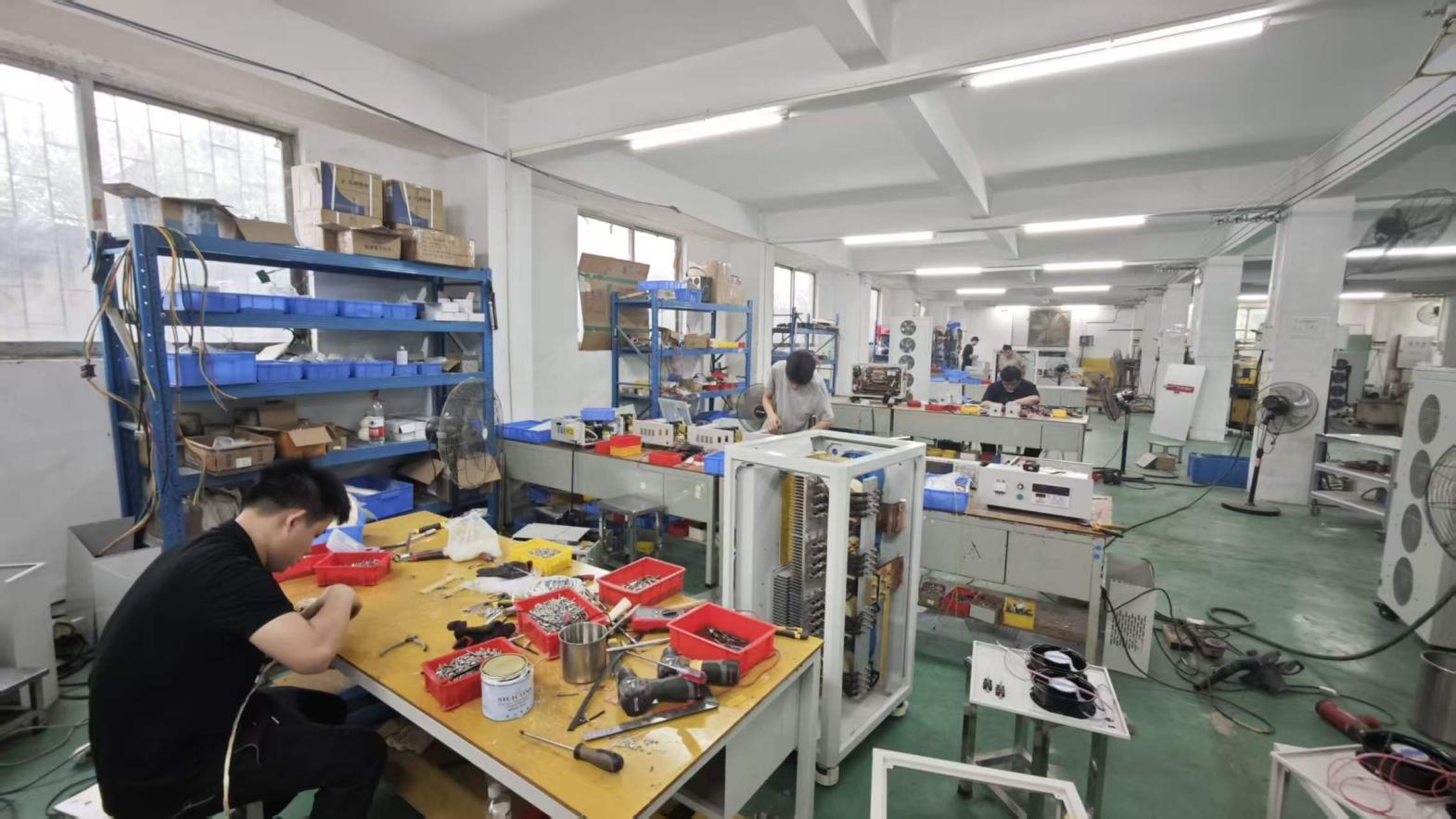
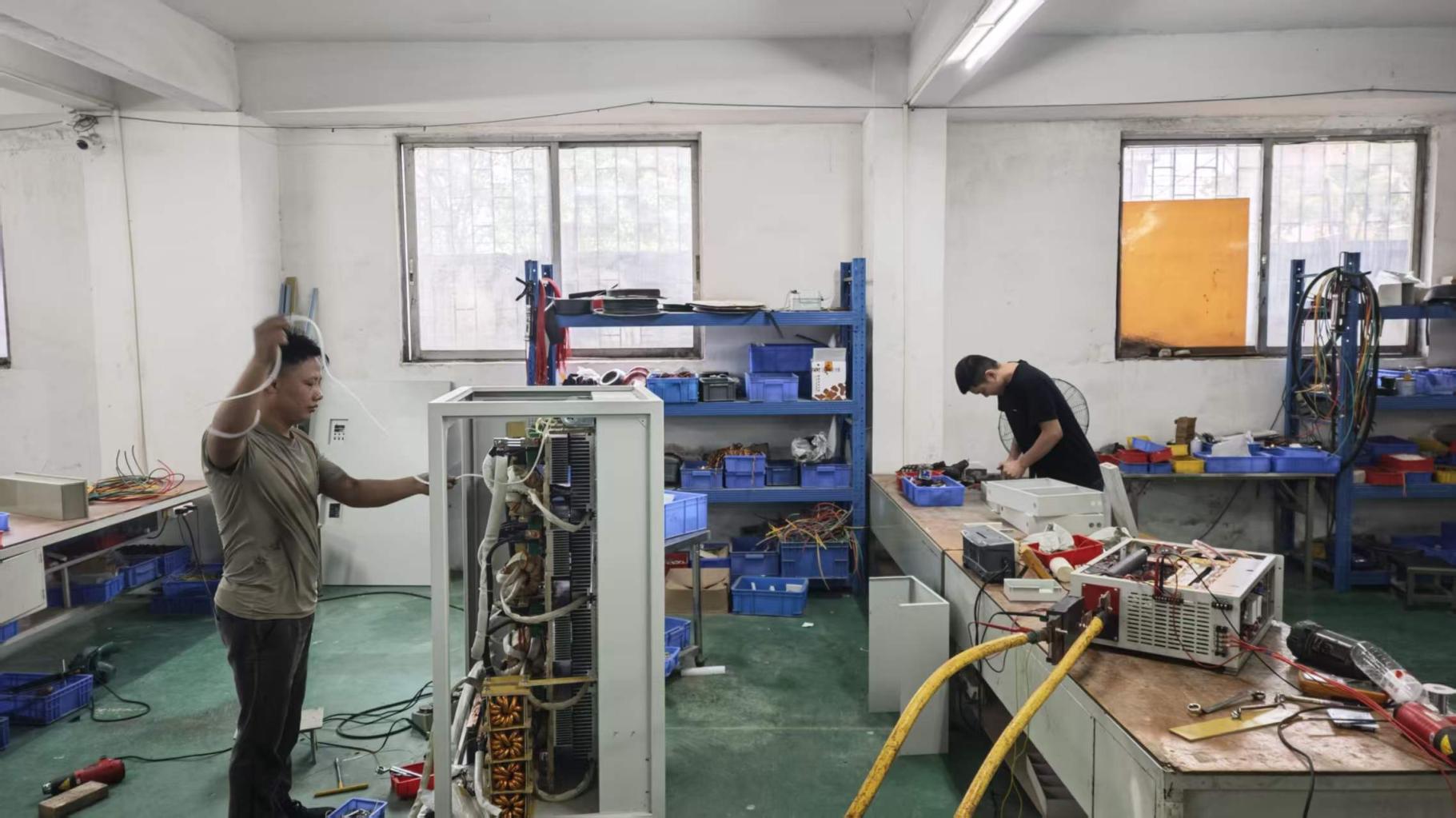
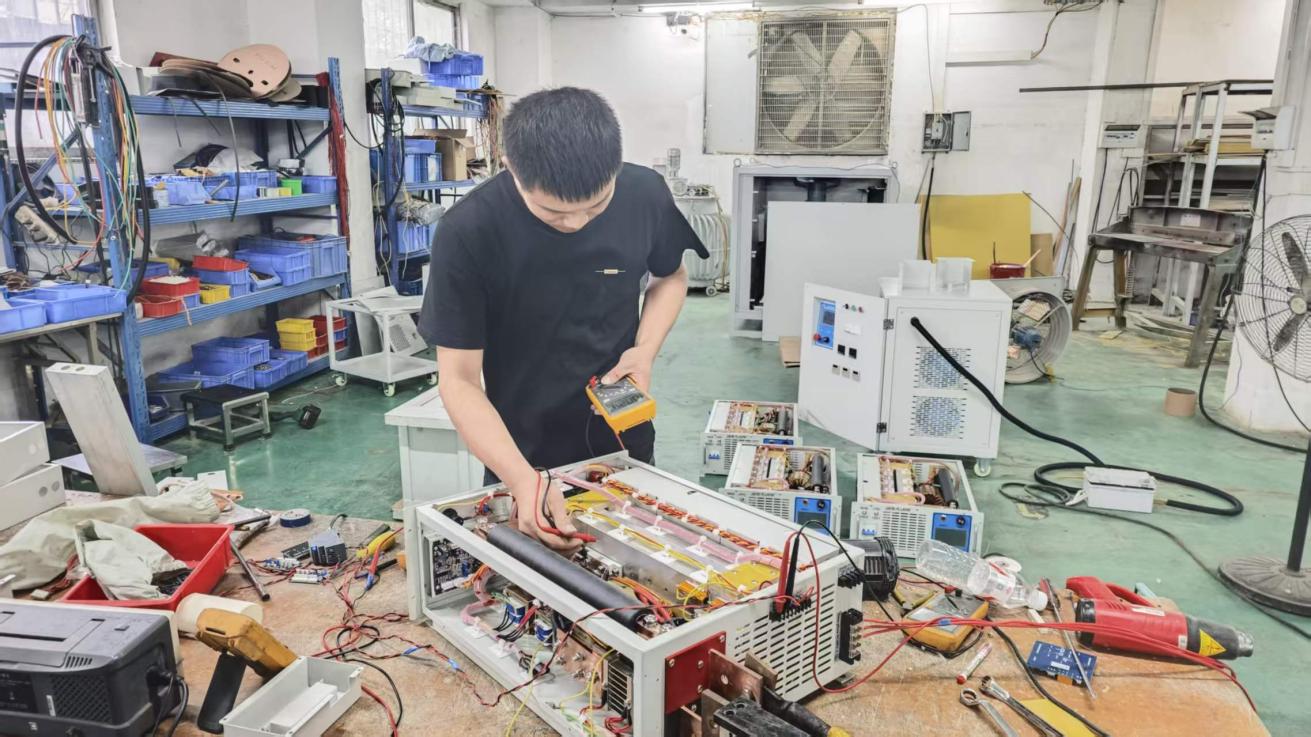
Guangdong Fenvix Technology Co., Ltd. (founded in 2013) operates a dedicated 3,000 m² heavy-industrial manufacturing facility in Guangdong, China. Unlike typical trading intermediaries who rebrand commercial units, Fenvix maintains 100% in-house control over mechanical, thermal, electrical, and software engineering. For more than 13 years, our dedicated engineering team has solved high-power, high-current challenges ranging from 15,000A industrial electrolysis rectifiers and 100kV capacitor charging modules to aerospace-grade 400Hz static frequency converters and 28.5V aircraft ground support equipment.
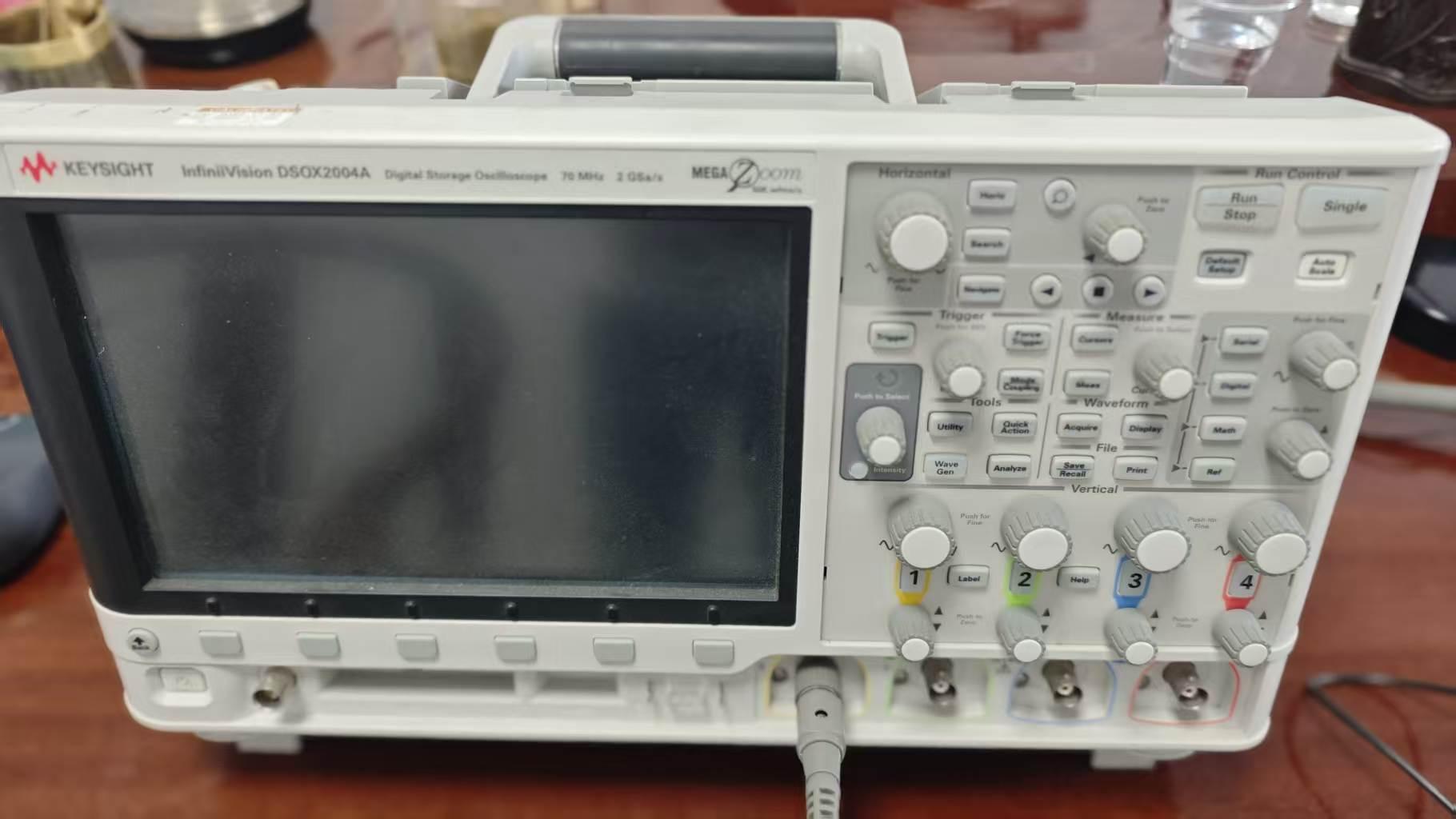
Our complete vertical integration delivers unmatched procurement value to Tokyo buyers: sheet metal shearing, precision CNC punching, copper busbar milling, drilling, and tapping are all executed on our own factory floor. Every single GPU undergoes multi-stage quality control—from incoming raw component validation (using high-grade Infineon/Semikron IGBT modules and copper-wound chokes) through full-load thermal burn-in under calibrated resistive and inductive load banks with digital oscilloscope analysis.
ISO 9001 Certified
Quality ManagementTÜV Verified
On-Site Factory AuditedNo MOQ Requirement
Custom 1-Unit PrototypesFast Tokyo Delivery
Port of Tokyo / Yokohama DDPCE · RoHS · EMC
Full Safety DirectivesQuestions Japanese Ground Handlers & MRO Buyers Ask Before Ordering
Detailed technical, logistical, and commercial answers addressing Tokyo grid compatibility, certification, spare parts supply, and cross-border delivery.
How do Fenvix ground power units accommodate Tokyo's 50Hz 3-phase commercial grid?
What specific aviation electrical standards do your 400Hz and 28.5V GPUs comply with?
What is the typical production and shipping lead time from Guangdong to Tokyo or Yokohama ports?
How does Fenvix handle import clearance, Japanese trade terms, and JPY payments?
What technical support and spare parts availability are provided for overseas operators in Japan?
Can Fenvix engineer custom trailer chassis, cable lengths, and remote aviation plugs?
Is there a Minimum Order Quantity (MOQ) for custom military or research GPUs?
Equip Your Tokyo Aviation Operations with Factory-Direct GPUs
Send your specific load characteristics, required phase/voltage parameters, and apron dimensions. Our senior power electronics engineers will furnish a comprehensive engineering proposal, schematic drawings, and competitive factory quotation within 24 hours.