High-Current & High-Frequency Power Rectifier Systems
Engineered for high-throughput galvanization, anodizing lines, electrophoretic coating, and industrial electrochemical synthesis serving Iași's precision manufacturing clusters.
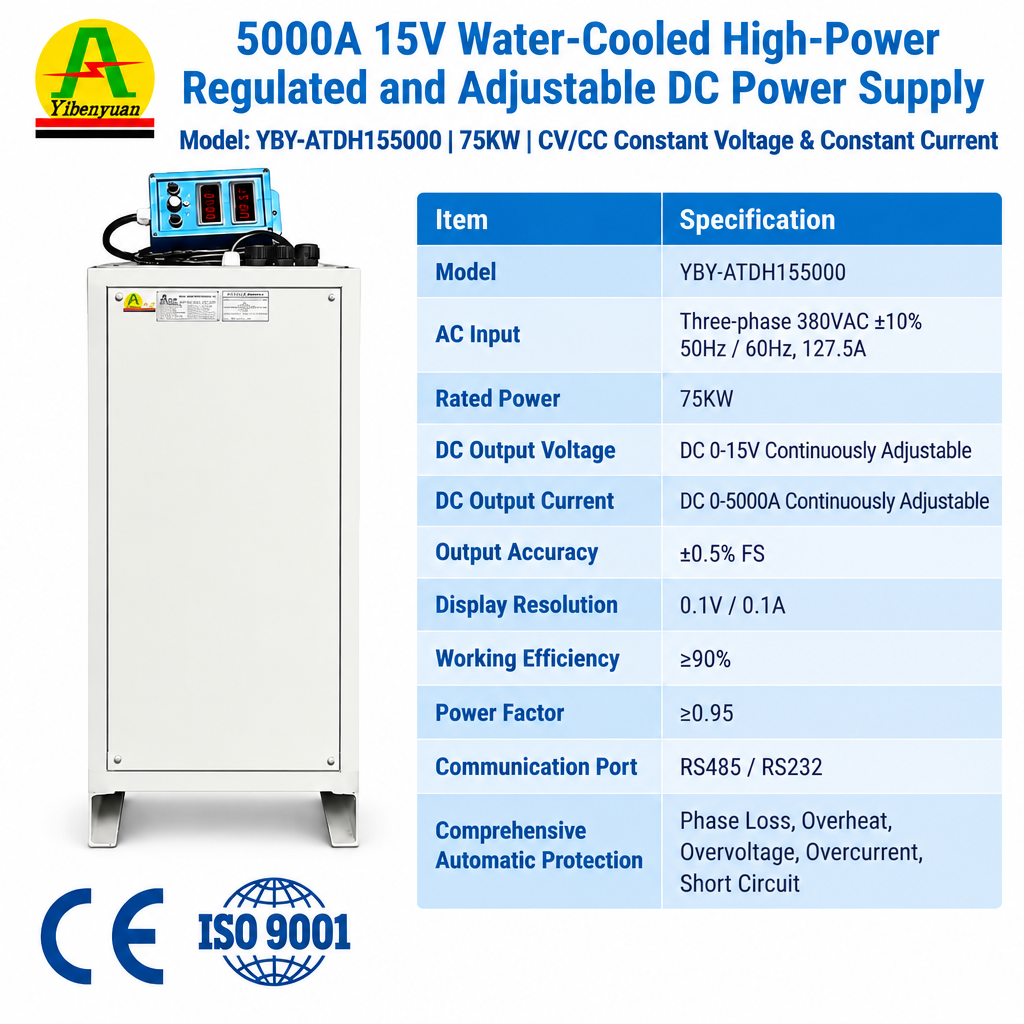
12V/15V 6000A 75kW Water-Cooled Rectifier
- TopologySwitch-Mode IGBT
- Output0–15V / 0–6000A
- CoolingDirect Deionized Water
- Current Ripple≤ 2% Full Scale
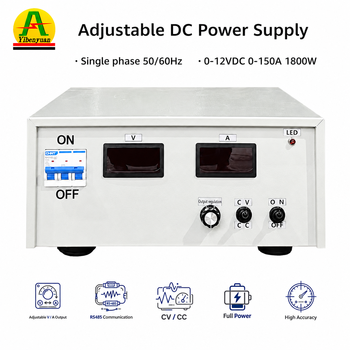
12V 150A Precision Electroplating Rectifier
- ApplicationPCB, Gold & Silver Plating
- Output RegulationCV / CC Auto-Shift
- CoolingForced Air Cooling
- CertificationsCE, LVD, EMC Compliant
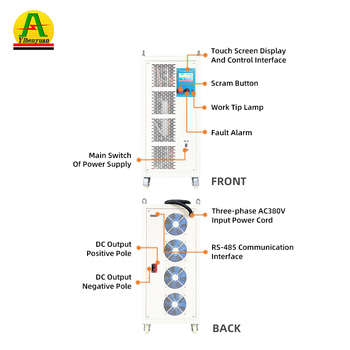
12V 4000A 48kW Industrial Plating Supply
- Rated Duty100% Continuous 24/7
- Target BathsHard Chrome, Zinc, Nickel
- InterfaceRS485 Modbus-RTU
- Efficiency≥ 90% at Rated Load
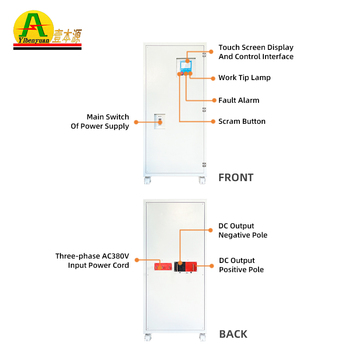
12V 8000A Water-Cooled Galvanizing Rectifier
- EnclosureSealed NEMA 4X / IP54
- Output Current0–8000A Continuous
- ProtectionThermal, Short, Phase Loss
- CoolingInternal Water Heat Exchange
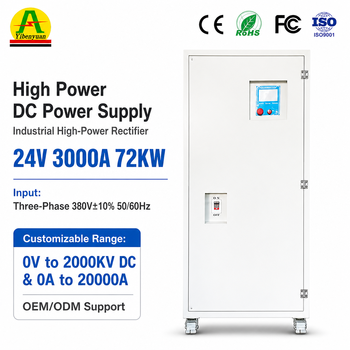
100A–3000A Anodic Oxidation Rectifier
- Voltage Window12V, 24V, 60V, 100V Options
- ProcessSulfuric & Hard Anodizing
- Current DensityProgrammable Step Ramping
- Digital ControlEmbedded PLC Interface
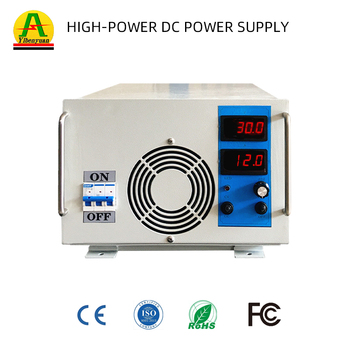
150V 50A Titanium Alloy Anodizing Supply
- Input Grid380V/400V AC 3-Phase
- Output Range0–150V DC / 0–50A
- Precision±0.5% Constant Voltage Mode
- ApplicationMedical Implants, Aerospace Ti
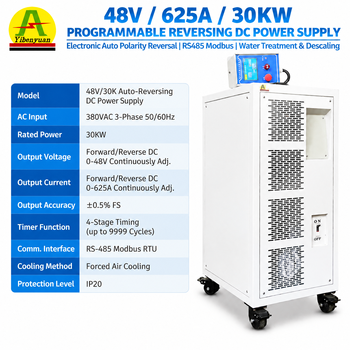
48V 625A 30kW Polarity Reversing Rectifier
- Reversal MechanismElectronic Solid-State H-Bridge
- Reversal PeriodProgrammable Milliseconds–Hours
- ApplicationElectrolytic Descaling & Etching
- Automation4-Segment Digital Timer
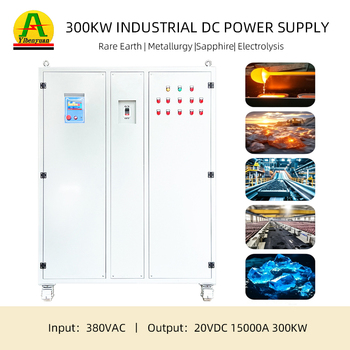
300kW 20V 15000A High-Current System
- Power Capacity300kW Heavy-Duty Module
- Input Grid380V/415V/480V Global Supply
- Output0–20V DC / 15,000A Continuous
- ArchitectureN+1 Redundant Hot-Swappable
The Iași Industrial Dynamics & Demand for Advanced DC Power
Analyzing technical, environmental, and metallurgical drivers shaping power supply selection across Iași's expanding industrial parks and automotive supply chains.
Iași County, historically regarded as the cultural and intellectual epicenter of Moldavia, has emerged over the last decade as one of Romania’s most aggressive manufacturing and industrial technology engines. Anchored by major infrastructure logistics initiatives—notably the accelerated development of the A8 motorway (Union Highway) connecting Eastern Romania to the Transylvanian and Western European supply chains—Iași is experiencing an unprecedented expansion in precision engineering, electro-mechanical assembly, automotive electronics, and contract surface finishing.
Unlike traditional heavy chemical processing regions, the surface finishing landscape in Iași (spanning industrial belts such as Miroslava Industrial Park, Tehnopolis Science and Technology Park, and the Tomesti industrial corridor) is defined by stringent Western European quality standards (VDA 6.3, IATF 16949, and Nadcap). Plating contractors, Tier-1 automotive sub-suppliers, and mechanical components fabricators can no longer rely on legacy Silicon-Controlled Rectifiers (SCR / Thyristor) characterized by poor electrical efficiency (under 70%), massive thermal footprints, high harmonic distortion, and uncontrolled ripple rates exceeding 5% to 8%.
Automotive Tier-1 & Tier-2 Galvanizing
Components destined for Continental, Delphi (BorgWarner), and regional OEM integration mandate strict zinc-nickel (Zn-Ni) alkaline alloy plating. High-frequency IGBT rectifiers maintain ripple currents below 1.5%, preventing micro-cracking and ensuring uniform alloy phase distribution (12–15% Ni content) across complicated geometrical automotive stampings.
Aerospace & Medical Hard Anodizing
Iași’s expanding precision machining workshops supporting aerospace structures and orthopaedic implants utilize constant-current, pulsed high-voltage DC power supplies. Precise stepped ramps during sulfuric and chromic acid anodizing ensure uniform dielectric oxide barrier thickness and superior micro-hardness (>450 HV).
Electronics PCB & Terminal Gold/Tin Deposition
Driven by the surge of microelectronics fabrication in Eastern Romania, switch-mode power supplies operating at 20kHz–40kHz switching frequencies guarantee sub-millivolt output stability. This eliminates localized edge burn-off, ensures precise gold finger deposition thickness, and slashes precious metal consumption by up to 18%.
Engineering Audit: High-Frequency IGBT vs. Conventional Thyristor (SCR)
Evaluating electrical conversion efficiency, process precision, and total cost of ownership for Romanian electroplating operations.
| Performance Parameter | Legacy Thyristor (SCR) Rectifier | Fenvix High-Frequency IGBT Topology | Impact on Iași Plant Operations |
|---|---|---|---|
| Electrical Efficiency | 65% – 75% at variable loads | 89% – 93% Continuous | Lowers annual MWh electrical bills in line with EU Directive 2023/1791. |
| Current Ripple Factor | > 5% to 8% (requires heavy external filter) | ≤ 1% to 2% Peak-to-Peak | Drastically improves electro-crystallization density, eliminating pinholes. |
| Response Dynamic | Slow (100–300 ms response time) | < 10 ms Microsecond Transient | Prevents cathode burning when workpieces enter or exit energized tanks. |
| Thermal Load & Physical Footprint | Bulky, oil-cooled or large airflow cabinets | 60% Smaller, High-Power Density | Allows compact modular integration directly adjacent to plating tanks. |
| Power Factor (cos φ) | 0.60 – 0.75 (generates reactive power fines) | ≥ 0.94 Across Operational Band | Mitigates non-linear grid harmonic pollution across Romanian Delgaz Grid. |
| Communication Integration | Analog 0–10V / Manual Potentiometer | Modbus-RTU, Profibus, EtherCAT | Complete Industry 4.0 telemetry linking to automated PLC flight bars. |
Emerging Technological Trends in the Moldavian Surface Treatment Sector
Navigating the convergence of European Green Deal compliance, Industry 4.0 automation, and localized electrochemical manufacturing.
1. Decarbonization & Stringent Eco-Design (EU Ecodesign)
Industrial electricity rates in Eastern Romania have intensified focus on total life-cycle power losses. Surface finishing plants in Iași are phasing out legacy selenium and thyristor power supplies in favor of modular IGBT switched units whose 90%+ electrical efficiency directly lowers plant Carbon Footprint Scope 2 emissions, ensuring full alignment with EU CBAM and ESG audits.
2. Automated Chemistry-Current Synchronous Control
Surface finishing in automotive components has migrated from manual batch plating to continuous overhead transporter systems. Modern rectifiers installed in Iași must interface seamlessly via RS485 or industrial fieldbus with dosing pumps, chemical concentration sensors, and ampere-hour integrators, auto-adjusting current output to preserve target bath depletion balances.
3. Pulse Reverse (PR) Current Topologies for High Aspect Ratios
With the rise of complex 3D printed metal components and high-layer-count printed circuits in regional research hubs, DC plating alone cannot achieve throw into deep cavities. High-frequency pulse and bipolar forward-reverse switching rectifiers facilitate micro-level de-passivation, redistributing copper and nickel ions symmetrically into sub-millimeter vias.
4. Harsh Environment Water-Cooled Isolation Topologies
Corrosive acid mist (HCl, H₂SO₄, HNO₃) present in continuous pickling and plating facilities degrades standard electronic enclosures rapidly. The clear procurement trajectory across Romanian industrial estates favors isolated, liquid-cooled power cabinets where internal heat sinks are chilled via closed-circuit deionized loops, isolating internal electronics completely from ambient atmospheric vapors.
Guangdong Fenvix Technology: Industrial DC Infrastructure Built Since 2013
Combining end-to-end sheet metal chassis fabrication, advanced magnetic core winding, and full-spectrum burn-in load validation.
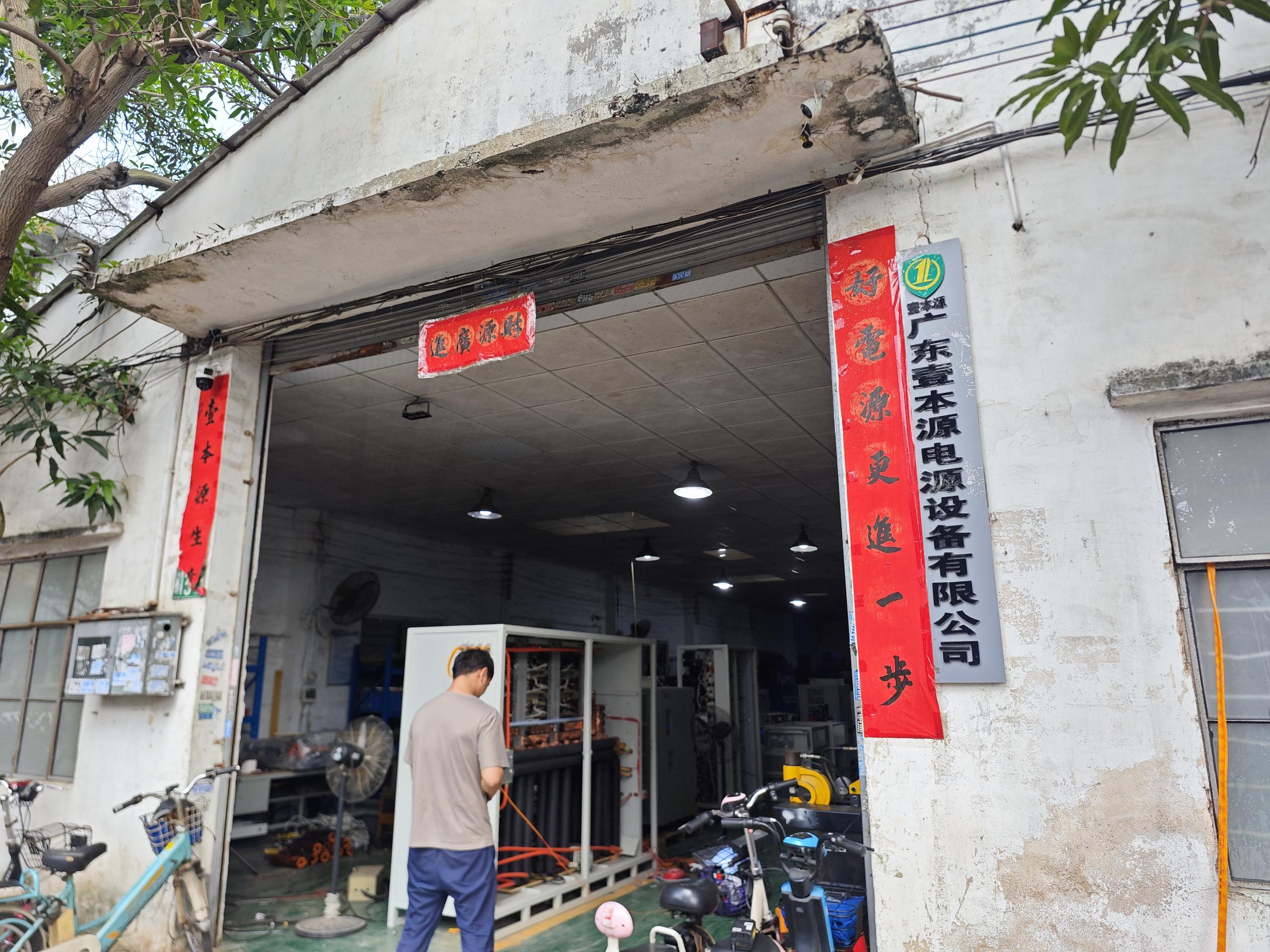
Headquartered in the premier manufacturing hub of Guangdong, China, Guangdong Fenvix Technology Co., Ltd. represents over a decade of technological leadership in the research, development, and high-power engineering of custom industrial switch-mode DC power systems. Serving industrial surface finishers, defense contractors, electro-winning operators, and aerospace testing institutions across Eastern Europe, North America, and Southeast Asia, Fenvix bridges the gap between catalog hardware and non-standard process requirements.
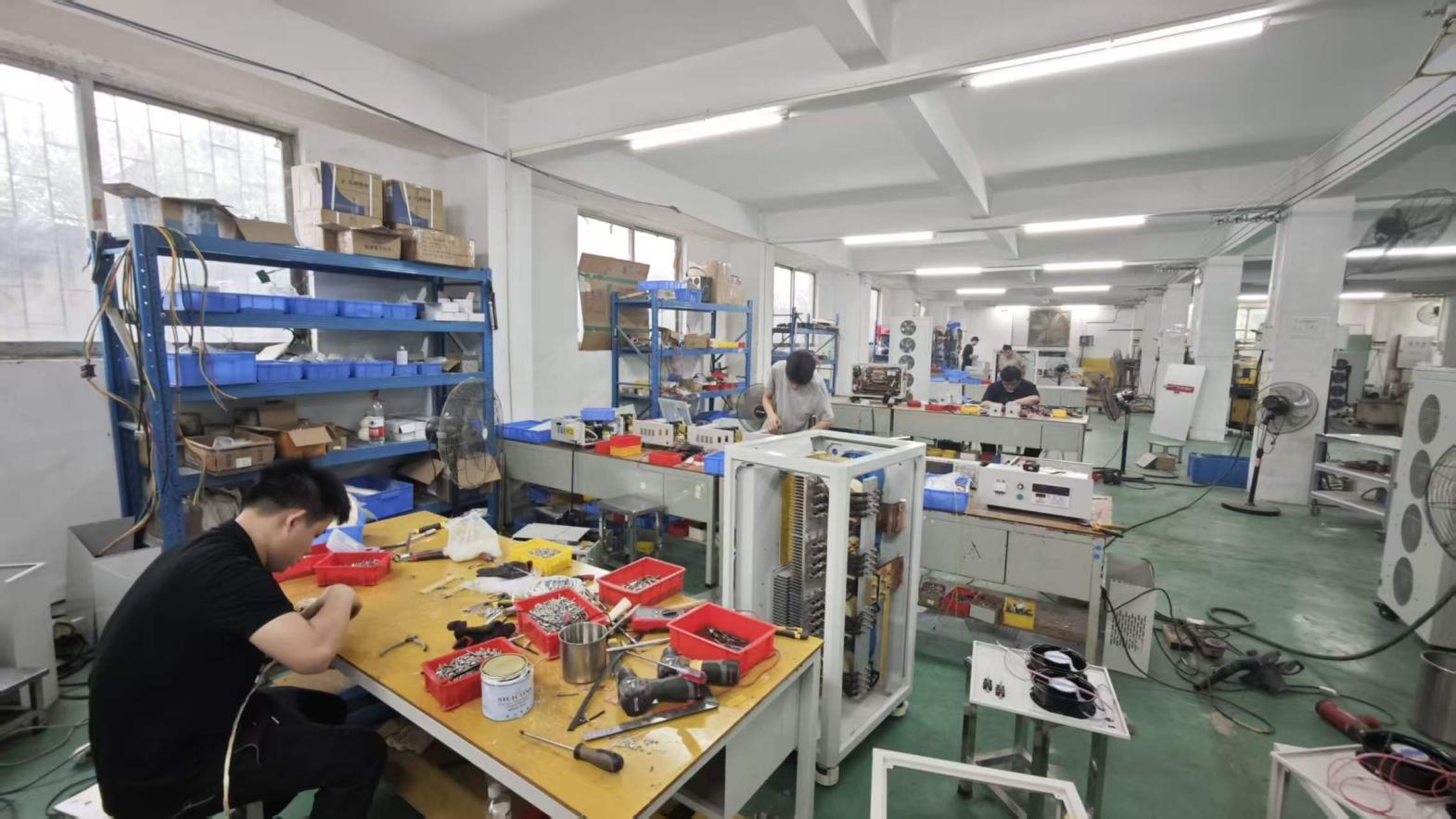
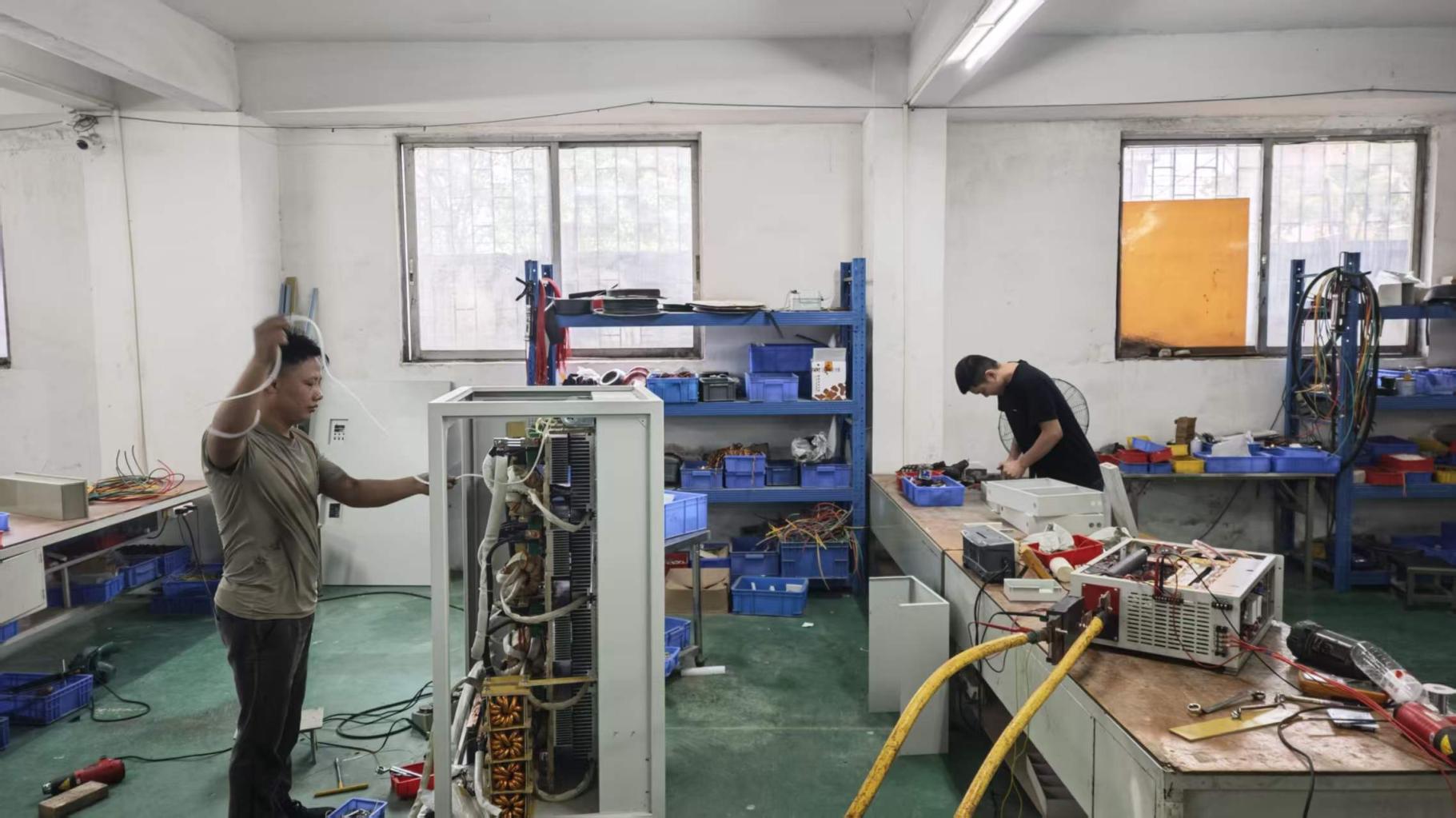
Unlike export brokers and trading companies, Fenvix maintains complete operational sovereignty over the entire supply chain. Spanning 3,000 m² of specialized production floor, our factory executes sheet metal laser cutting, CNC punching, automated milling, heavy busbar bending, proprietary high-frequency transformer manufacturing, and multi-day 100% full-load resistive testing in-house.
-
01
Electrochemical Parameter Engineering
Prior to prototyping, Fenvix technical teams evaluate your exact tank dimensions, cathode area, chemical bath composition, and desired plating rate to size the DC output window and control loop dynamics accurately.
-
02
In-House CNC Fabrication & Copper Busbars
Heavy electrolytic copper busbars (T2 purity) and anti-corrosive powder-coated sheet cabinets are fabricated internally, guaranteeing mechanical integrity and robust heat dissipation under aggressive chemical bay conditions.
-
03
Surface-Mount PCB & IGBT Driver Integration
Integrating imported top-tier IGBT switching modules (Infineon / Fuji), precision drive circuits, and isolated digital microcontrollers ensuring ultra-fast fault protection against short circuits, overvoltage, and phase loss.
-
04
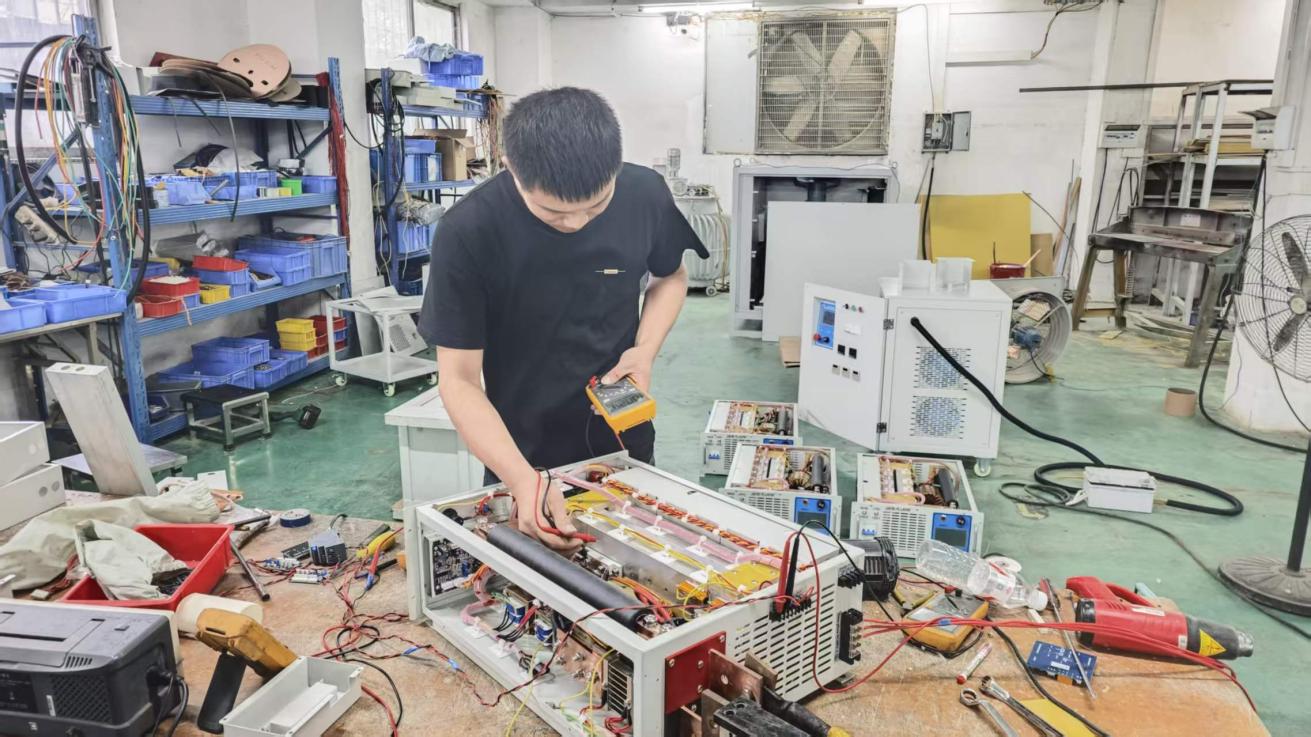
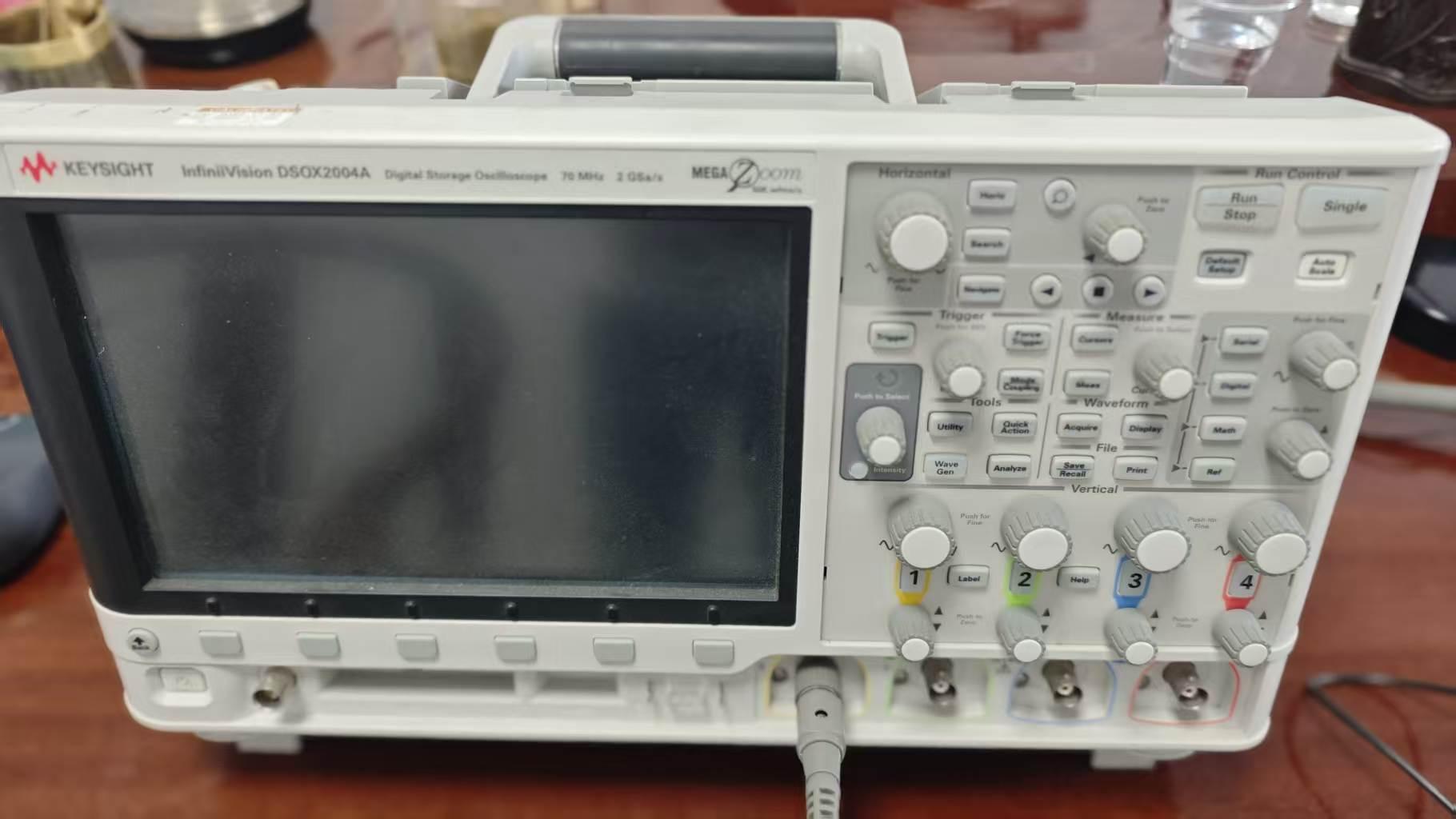
Full-Capacity Continuous Burn-In & Oscilloscope Audit
Every single power unit undergoes prolonged heat-run testing at 100% full load in our testing bays, measuring thermal gradients, voltage drift, and current ripple profiles prior to export dispatch.
Frequently Asked Questions: Sourcing Electroplating Rectifiers for Romania
Addressing engineering specifications, electrical grid compatibility, customs clearance, and long-term operating reliability.
How do Fenvix electroplating rectifiers integrate with Romania’s 400V/230V 50Hz electrical distribution?
Why should our Iași plating shop choose a water-cooled rectifier over a forced air-cooled cabinet?
What are the Minimum Order Quantities (MOQ) and lead times for customized DC rectifiers to Romania?
What CE certifications and regulatory paperwork accompany each export consignment?
How does Fenvix support commissioning, remote diagnostics, and after-sales maintenance in Iași?
Can Fenvix rectifiers interface with our automated SCADA or Siemens/Schneider PLC lines?
Need a Custom Electroplating Rectifier Configured for Your Iași Facility?
Speak directly with our senior power supply design engineers. We deliver tailored CAD drawings, detailed efficiency projections, and transparent commercial quotes within 24 hours.