Specialized DC Rectifiers & Aviation Ground Support
Explore heavy-duty, programmable, and high-frequency power solutions engineered for rapid deployment across Greater Phoenix's semiconductor fabs, electroplating lines, and flight maintenance operations.

75kW Water-Cooled High-Frequency Rectifier
- Voltage Range12V / 15V DC
- Current Range5,000A – 6,000A
- Control ModeCV / CC Digital Display
- Cooling TypologySealed Deionized Loop

8,000A 12V High-Current Plating Rectifier
- Output Rating12V / 8,000A (96kW)
- Switching TechIndustrial IGBT Inverter
- TopologyActive Soft-Switching
- InterfaceRS485 Modbus / 4-20mA
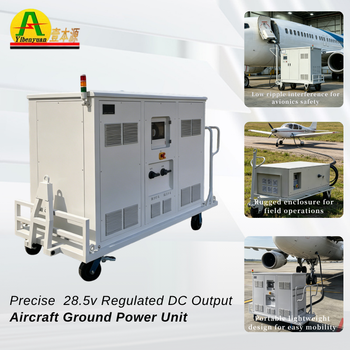
Portable 28.5V DC Ground Power Unit (GPU)
- Voltage Output28.5V DC Constant
- Peak CurrentUp to 2,000A Start Peak
- ApplicationAvionics & Turboprop Start
- Chassis TypeTowable / Mobile Caster
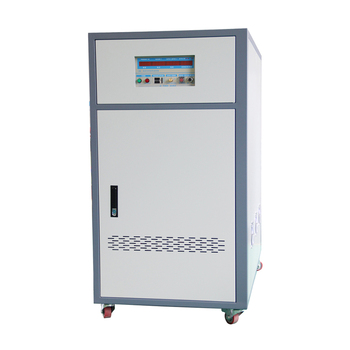
400Hz Static Frequency Converter (40-500kVA)
- Input / Output60Hz 480V to 400Hz 115/200V
- THD< 2% Linear Loads
- StandardMIL-STD-704F / ISO 6858
- Efficiency> 94% Operational
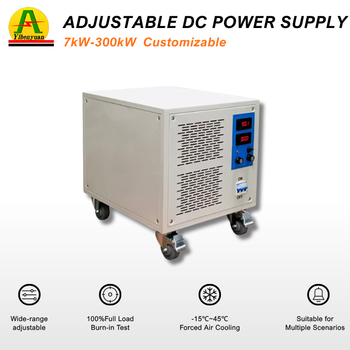
20kW Programmable High-Voltage DC Source
- Voltage Range0–800V DC Adjustable
- Current Range0–50A Fast Transient
- Stability0.05% RMS Line/Load
- ProtectionOVP, OCP, OTP Crowbar
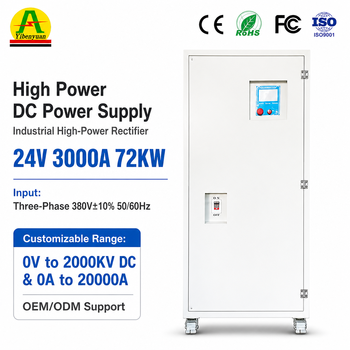
3,000A Constant-Current Anodizing Source
- Output Voltage0–24V / 0–60V DC
- Output Current3,000A Precision Controlled
- FunctionalityMulti-Step Automated Ramp
- ProtectionSalt-Spray & Acid Enclosure

30kW Polarity-Reversing Electrocoagulation Unit
- Output Spec48V / 625A Continuous
- Reversal CycleAdjustable 1s to 999h
- Use CaseWastewater & Scale Removal
- Remote CommsEthernet / RS485 Interface
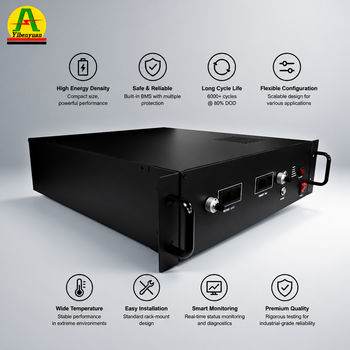
100kV Precision Capacitor Charging Supply
- High-Voltage Range0–100kV DC Programmable
- Repeatability< 0.1% Quenched Repeatability
- Target ApplicationsLaser Resonators, Plasma R&D
- Safety ProtocolsInterlock, Arc Recovery
Industrial Power Supply Landscape in the Phoenix Metropolitan Area
The Greater Phoenix metropolitan area—often referred to as "Silicon Desert"—has rapidly transformed into one of the most critical semiconductor, aerospace, defense, and clean-technology hubs in North America. Spanning Chandler, Mesa, Tempe, Scottsdale, Gilbert, and North Phoenix, this industrial corridor exhibits electrical requirements fundamentally different from traditional light-industrial regions.
High capital expenditures in wafer fabrication plants (fabs), chemical vapor deposition (CVD), wafer-level electroplating (WLP), advanced aircraft MRO (Maintenance, Repair, and Overhaul) facilities at Phoenix Sky Harbor, Mesa Gateway, and surrounding airports require continuous, high-density DC and AC power transformation. In an environment characterized by extreme desert ambient temperatures exceeding 115°F (46°C) throughout summer months, standard off-the-shelf power equipment experiences accelerated dielectric breakdown, thermal throttling, and unacceptably high mean time between failures (MTBF).
Phoenix Industrial Imperative: Facilities operating in the Salt River Project (SRP) and Arizona Public Service (APS) distribution territories require high-frequency IGBT conversion topologies exhibiting thermal de-rating margins of at least 25% over standard industrial norms, alongside strict Total Harmonic Distortion (THD) attenuation to comply with IEEE 519 standards.
Localized Operational Demands: Thermal & Grid Realities
Thermal management is the single greatest cause of rectifier and power supply failure across Maricopa and Pinal counties. Power conversion systems must operate within factory floors where ambient indoor temperatures frequently climb beyond 40°C in unconditioned secondary spaces, such as chemical distribution bunkers, external scrubber galleries, and tarmac support hangars. Conventional forced-air cooling systems ingest high ambient particulates (silica desert dust) while blowing hot air across heatsinks, resulting in premature IGBT junction over-temperature trips.
Consequently, procurement trends across the Phoenix basin demonstrate a massive migration toward liquid-cooled and closed-loop deionized water-cooled DC supplies. Fully sealed enclosures (NEMA 4X / IP65 equivalents) isolating the switching transistors, magnetic chokes, and control microcontrollers from ambient caustic chemical vapors and abrasive particulate matter have emerged as the operational standard.
Localized Application Archetypes Across Greater Phoenix
Semiconductor & PCB Manufacturing
Wafer-level packaging, through-silicon via (TSV) copper plating, and rigid-flex PCB fabrication in Chandler and North Phoenix require ultra-stable DC outputs with sub-1% ripple, microsecond transient response, and constant current/constant voltage (CC/CV) transitions.
Aerospace & MRO Operations
Operating out of Phoenix Sky Harbor and regional defense installations, military and commercial hangars rely on 400Hz frequency converters and 28.5V DC Ground Power Units (GPUs) providing clean, continuous start support without the exhaust, noise, or volatility of diesel generators.
Advanced Anodizing & Metallurgy
Aerospace-grade Type II and Type III hard-coat anodizing facilities throughout Mesa and Tempe demand programmable voltage slope ramps and rapid polarity reversing systems that eliminate burning and uniformize oxide layer crystal formation.
Engineering Trade-Offs: Local Procurement vs. Direct Tier-1 Manufacturing
Procuring industrial power units through regional domestic distributors in Arizona typically introduces markup overheads of 40% to 60%, extended lead times caused by third-party sourcing queues, and limited hardware personalization. Engaging directly with an established original equipment manufacturer (OEM/ODM) offering design-level customization provides distinct engineering advantages:
| Evaluation Parameter | Local Distributor Supply Chain | Direct Engineered Factory (Fenvix) |
|---|---|---|
| Harmonics & THDi Compliance | Stock units often lack active PFC; requires external filtering cabinets to meet IEEE 519. | Customized integrated 12-pulse or active front-end (AFE) architecture minimizing THDi < 5%. |
| Thermal De-Rating Profile | Nominal ratings calibrated for 25°C ambient; severe thermal tripping during AZ summer peaks. | Engineered for 45°C–50°C continuous ambient operation with oversized IGBT heatsinks and water loops. |
| Minimum Order Quantity (MOQ) | Fixed package minimums or non-modifiable catalog models. | No MOQ. Individual bespoke prototypes built for specialized R&D or expansion lines. |
| Busbar & Footprint Adaptation | Rigid dimensional footprint requiring plant floor restructuring. | In-house metal fabrication allows tailored busbar placements and custom cabinet footprints. |
| Commissioning Verification | Third-party visual verification or basic no-load power cycling. | 100% full-load dynamic resistive burn-in with oscilloscope trace documentation prior to crating. |
In-House Production Infrastructure & Quality Control
Unlike trading entities that rebrand outsourced circuit designs, Guangdong Fenvix Technology Co., Ltd. controls the entire production chain under an ISO 9001 certified framework. Our 3,000m² manufacturing facility integrates raw sheet metal shearing, precision CNC punching, automated milling, transformer winding, PCB SMD placement, and final load testing.
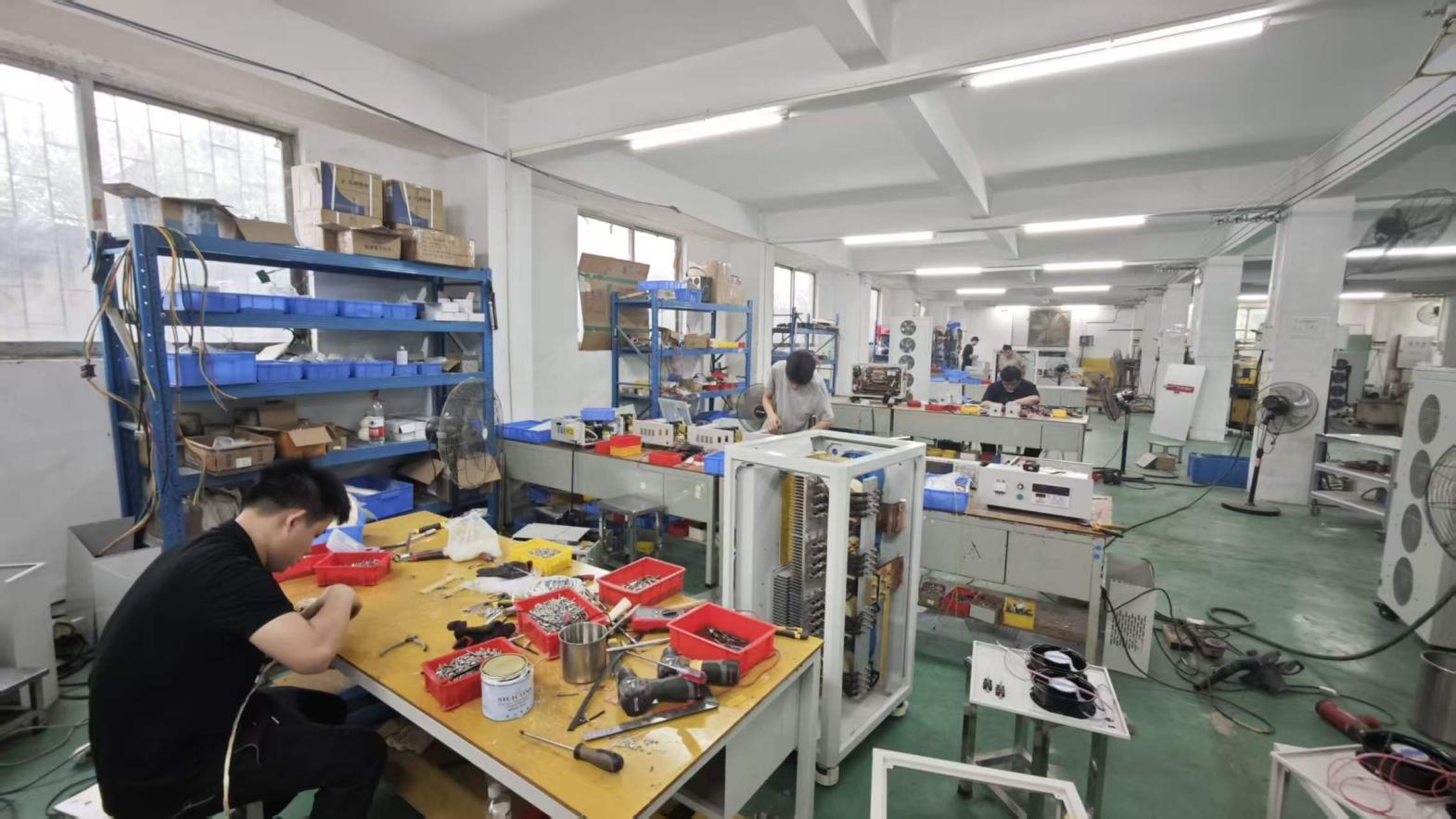
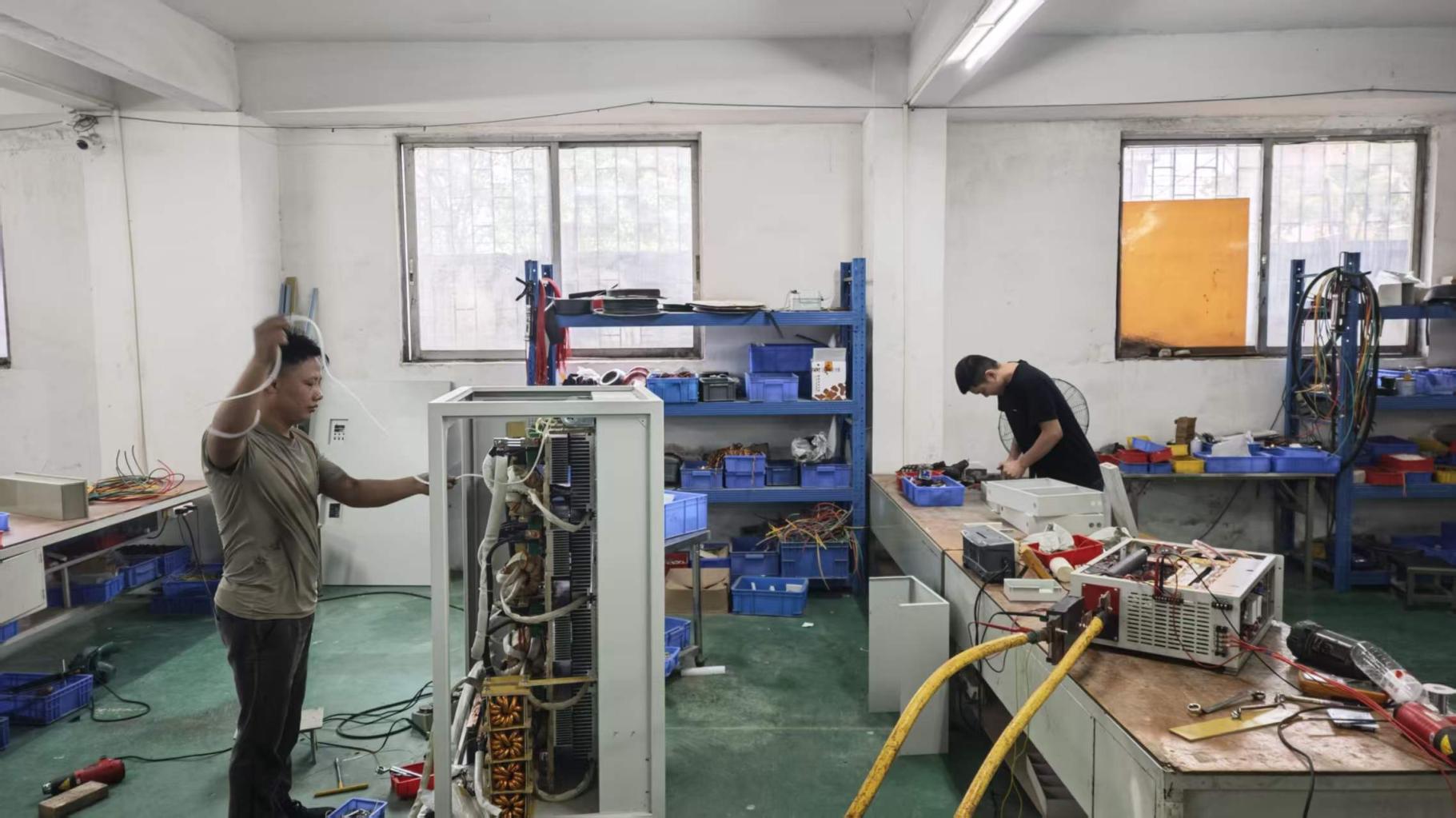
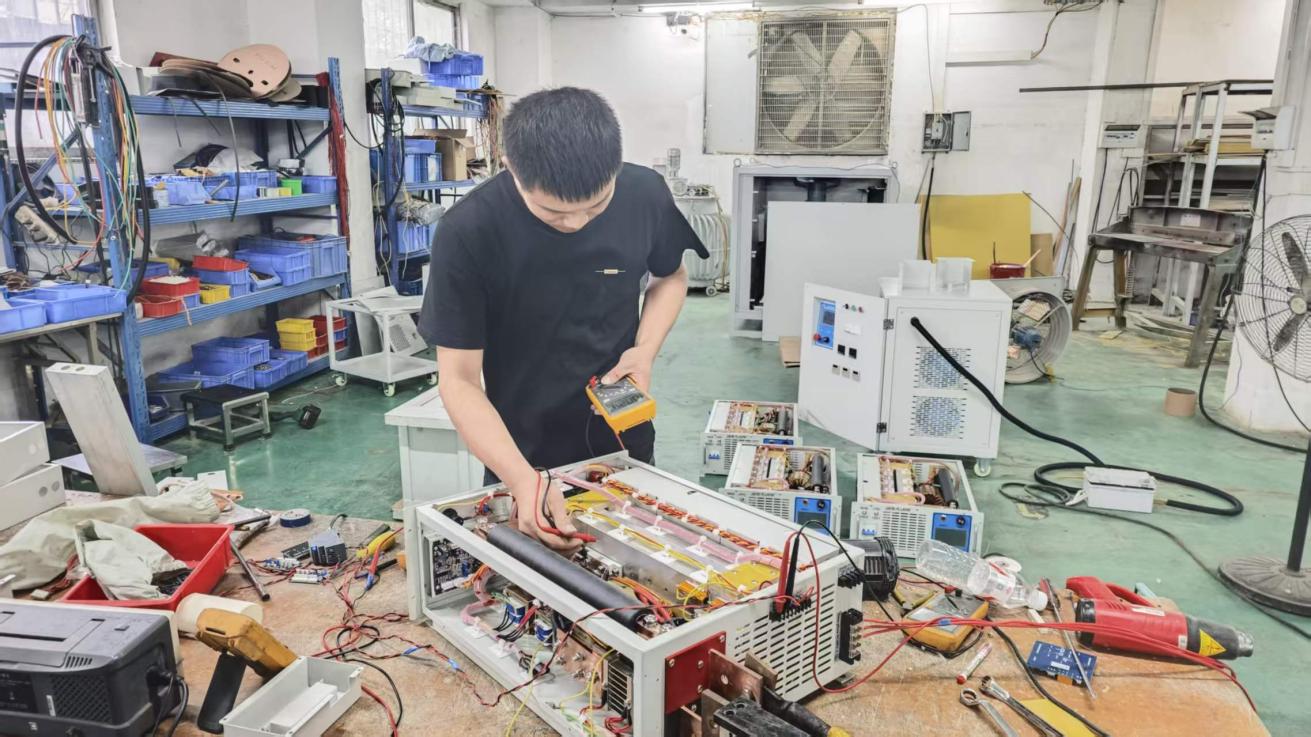
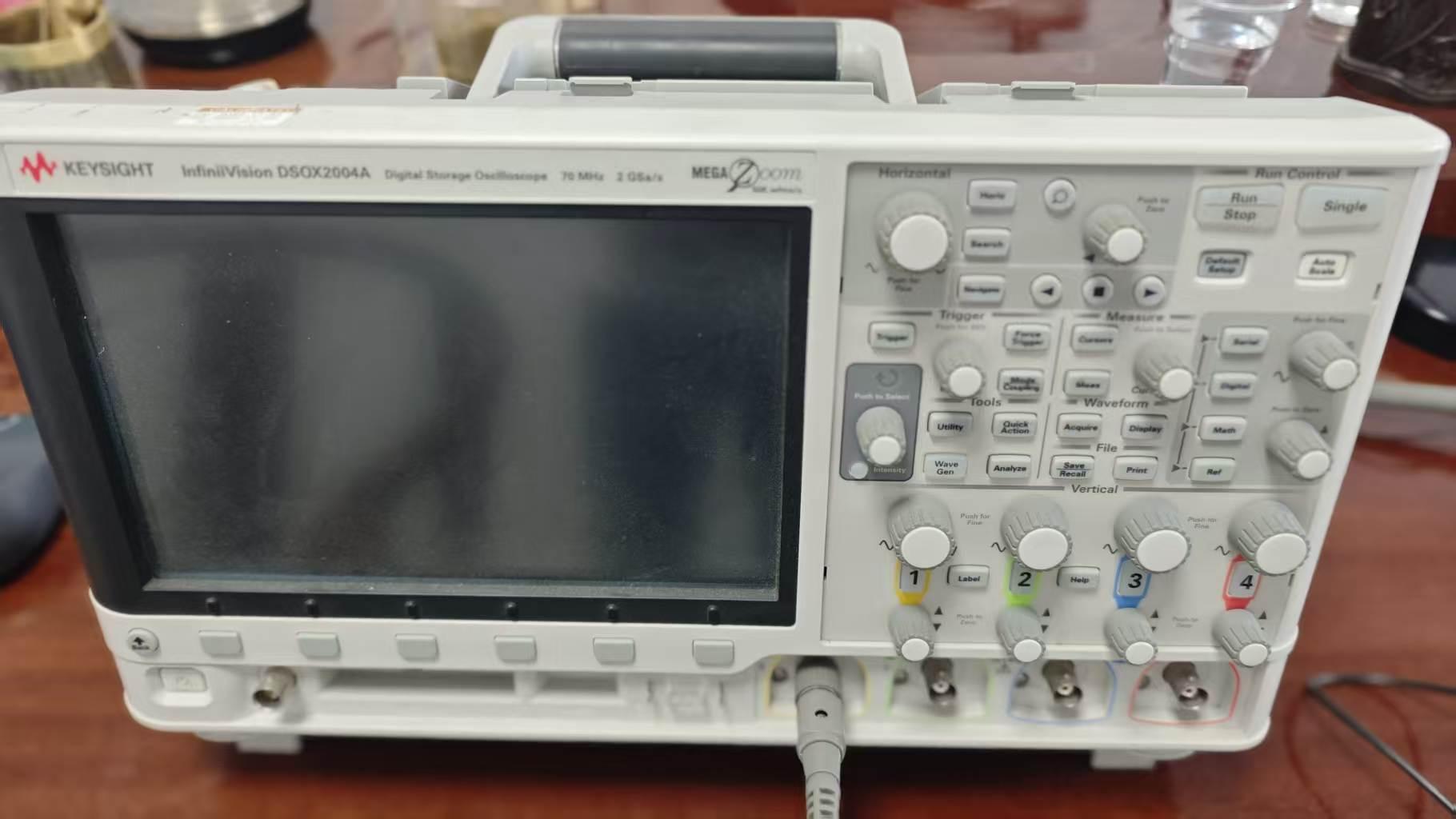
This closed-loop manufacturing capability ensures that high-current copper busbars are machined with exact tolerances, cooling liquid pathways undergo strict helium/nitrogen pressure testing to prevent leaks, and all electronic sub-assemblies receive conformal coating to resist high-temperature chemical decomposition.
Frequently Asked Questions: Industrial Power in Phoenix
In-depth responses to technical, logistic, and regulatory questions typically raised by Arizona facilities directors, plant engineers, and purchasing officers.
How do high Arizona ambient temperatures affect the sizing of industrial rectifiers?
What electrical grid codes in Phoenix (SRP / APS) must be considered for high-power DC systems?
Why choose water cooling over forced-air cooling in semiconductor and anodizing shops?
Can Fenvix accommodate 480V 3-phase 60Hz US electrical infrastructure natively?
What are the international lead times and import logistics into the United States?
What international quality and electrical conformity certifications do your systems hold?
Configure Your Industrial Power System Today
Collaborate directly with Fenvix electrical engineers to finalize voltage curves, communication interfaces, cooling layouts, and delivery schedules tailored to your Phoenix production requirements.