Auto Reversing
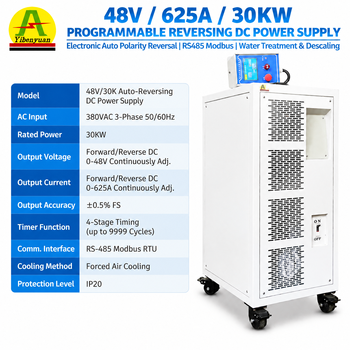
48V 625A 30kW Auto Polarity Reversing Supply
- TopologyIGBT High-Freq Switch
- Output Range0–48V / 0–625A
- Cycle Control4-Stage Multi-Timer
- InterfaceIsolated RS485 / Modbus
Engineered for industrial electrolysis, automated descaling, hard anodizing, and marine component surface finishing. Customized input phase, low current ripple, and ruggedized corrosion resistance.
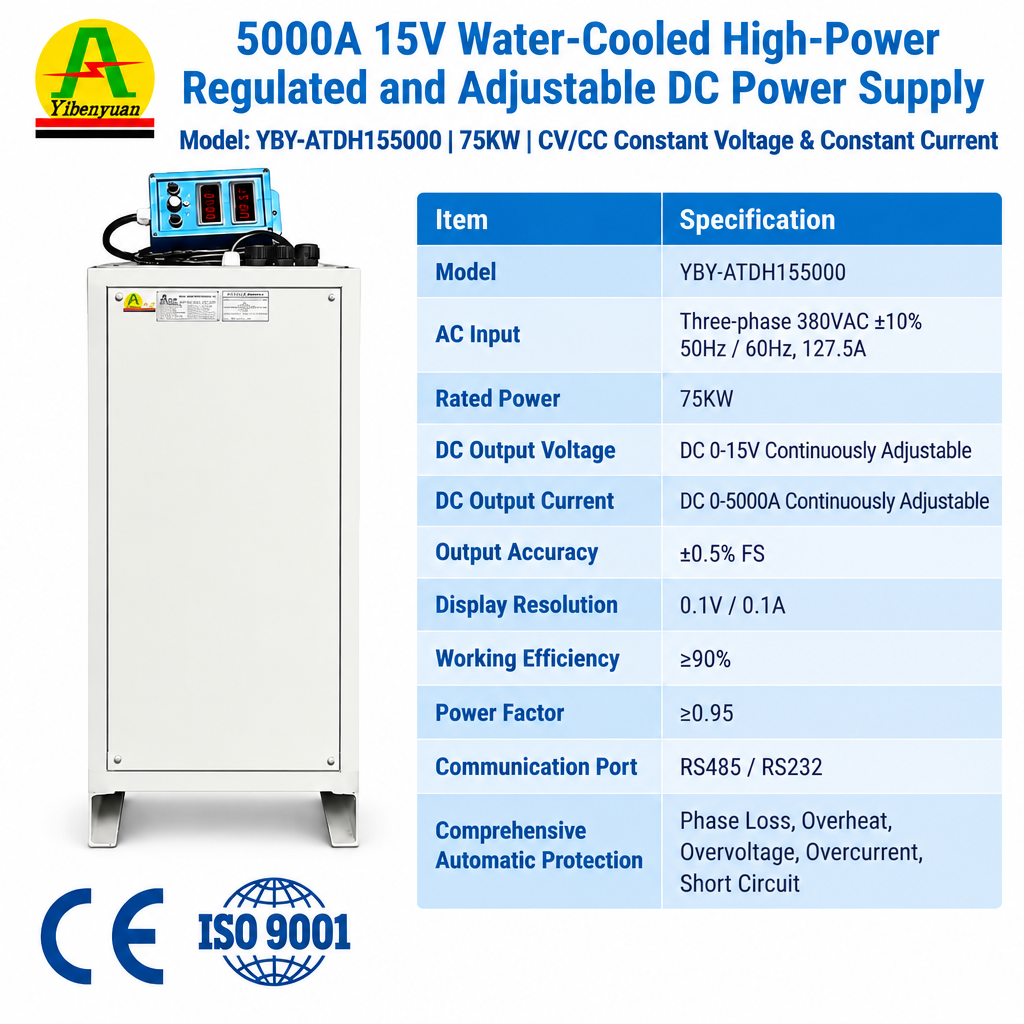
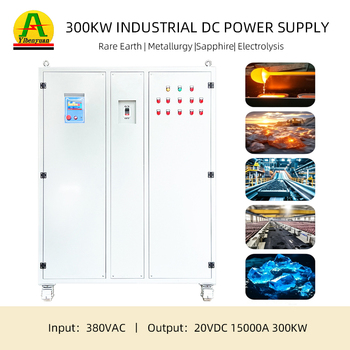
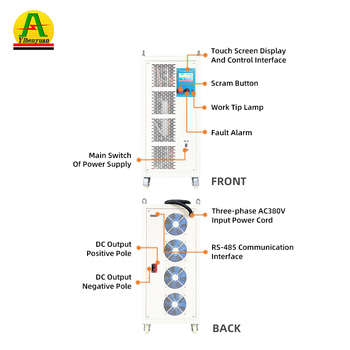
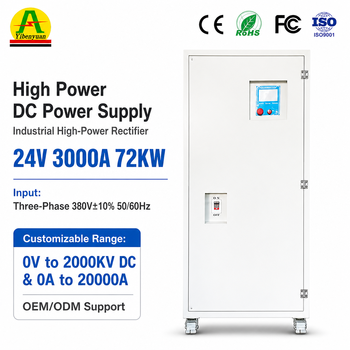
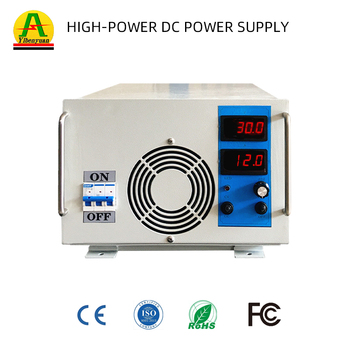
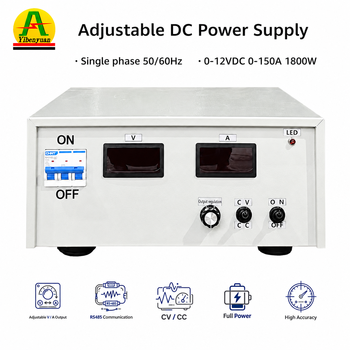
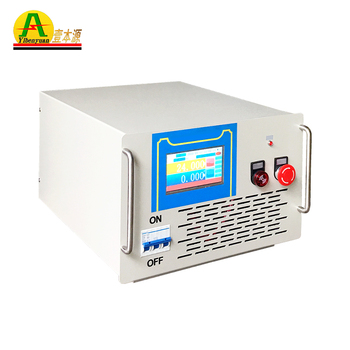
A comprehensive examination of H-bridge solid-state commutating topology, sub-millisecond commutation dynamics, and electrochemical scale prevention in aggressive Mediterranean marine conditions.
In high-throughput electrochemical synthesis, surface conversion coating, and closed-loop process water conditioning, scale accretion and ionic polarization represent chronic sources of thermodynamic inefficiency. Traditional DC rectifiers maintain unipolar electron migration, inducing localized hydroxyl ion (OH⁻) accumulation at the cathode. In maritime industrial hubs such as Malta—where cooling loops, industrial desalination feeds, and ballast purification modules rely heavily on high-salinity seawater—this localized alkalinity drives swift precipitation of calcium carbonate (CaCO₃) and magnesium hydroxide (Mg(OH)₂). A Polarity Reversing DC Power Supply resolves this fundamental physical limitation by dynamically altering the potential vector across electrodes, transforming passive scaling surfaces into active stripping zones without chemical detergents.
Historical DC systems utilized heavy motorized knife switches or pneumatic pole-changers to achieve polarity inversion. These legacy architectures are plagued by mechanical arcing, contact pit erosion, and lengthy commutation transition windows (often spanning 2 to 6 seconds) during which electrochemical cell equilibrium collapses. Fenvix integrates proprietary primary-side or secondary-side full-bridge IGBT (Insulated Gate Bipolar Transistor) topologies featuring isolated planar gate drivers.
Through closed-loop microprocessor sequencing, the H-bridge transitions through four distinct quadrant operational states: forward conduction, active soft-current ramp-down, deadband isolation (ensuring absolute zero shoot-through across the DC rail), and rapid reverse conduction. Commutation frequencies can be calibrated anywhere from ultra-fast periodic cycle inversion (milliseconds) for electroplating crystal boundary homogenization, to long-dwell sequences (minutes to hours) suitable for electrolytic ballast water chlorination and thermal evaporator descaling.
Controlled IGBT gate suppression initiates zero-current switching (ZCS), dampening instantaneous back-EMF spikes and preserving expensive titanium MMO anode coatings.
Independent digital configuration of forward pulse duration (T1), forward current magnitude (I1), reverse stripping duration (T2), and reverse current magnitude (I2).
Conformal coated circuit boards with marine-grade polyurethanes, IP54 isolated cooling channels, and stainless steel fasteners designed for Mediterranean coastline facilities.
| Performance Parameter | Fenvix Solid-State Polarity Reversing | Conventional SCR / Thyristor Rectifier | Motor-Driven Mechanical Reverser |
|---|---|---|---|
| Reversal Switch Time | < 50 milliseconds (sub-cycle capability) | Not supported natively without auxiliary bridge | 2.0 to 8.0 seconds (high arc erosion) |
| Ripple Factor (RMS) | ≤ 1% to 2% across full output dynamic span | 5% to 12% (necessitates large external chokes) | Subject to baseline transformer ripple (>8%) |
| Conversion Efficiency | > 90% at optimal loading parameters | 72% to 80% (high iron core dissipation) | 70% to 78% (parasitic contact friction loss) |
| Digital Process Integration | Modbus RTU, Profinet, 4-20mA, isolated 0-10V | Analog 0-10V potentiometer typical | Discrete relay contact closures |
| Footprint / Weight Ratio | Ultra-compact high-frequency modular form factor | Heavy footprint due to mains 50Hz magnetic iron | Bulky dual-cabinet enclosure layout |
From the Grand Harbour shipyards of Marsa to specialized pharmaceutical facilities in Bulebel and San Ġwann, engineering requirements dictate rugged power supplies configured for extreme marine ambient stress.
Operating around Marsa Shipyards and Palumbo Superyachts, specialized titanium anodizing, hard-chrome plating of hydraulic shafts, and sacrificial hull anode testing demand low-ripple, reversible current sources resistant to corrosive coastal ambient atmospheres.
Maltese municipal and industrial water supplies rely on reverse osmosis. Fenvix polarity reversing rectifiers drive electro-chlorination and electrolytic descaling cells, systematically eliminating scaling on titanium electrodes without interrupting high-volume processing.
In high-value engineering parks like Ħal Far and Kordin, micro-finishing of micro-switch components and stent electropolishing requires rapid sub-second polarity alternation to prevent surface burring and micro-dendrite defects.
The intersection of EU decarbonization mandates, the Maltese Sustainable Development Vision 2050, and next-generation power electronics.
The industrial landscape in Malta is experiencing an accelerated technological migration toward environmental compliance, energy conservation, and marine electrification under European Union directives. Industrial power supplies are no longer treated as passive voltage sources; they are foundational nodes in high-efficiency, zero-emission process automation.
As maritime vessels berthing in Valletta align with shore-to-ship cold ironing standards, local engineering institutions and bunkering services are piloting on-site electrolytic hydrogen generating rigs and electro-scrubber water treatment. Polarity-reversing supplies ensure automated descaling of continuous electrolysis reactors without hazardous mineral acid flushing (HCl/H₂SO₄), lowering operating expenses while meeting zero chemical discharge mandates into the Mediterranean Sea.
Industrial facilities in Malta face some of Europe's highest commercial electricity tariffs. Consequently, efficiency metrics take center stage. The future roadmap of Fenvix rectifiers integrates third-generation Silicon Carbide (SiC) MOSFET switches. Compared to traditional silicon IGBTs, SiC topologies slash conduction and switching losses by up to 40%, enabling higher operating temperatures and ultra-compact cabinet configurations without requiring excessive water chillers.
With plant operations shifting toward unattended automation in logistics centers and wastewater reclamation units across Gozo and Malta, modern rectifiers demand continuous cloud-based analytics. Integrated Ethernet/IP and MQTT protocols facilitate real-time monitoring of DC ripple decay, insulation impedance degradation, and thermal diode drift, empowering preventative maintenance prior to catastrophic system failure.
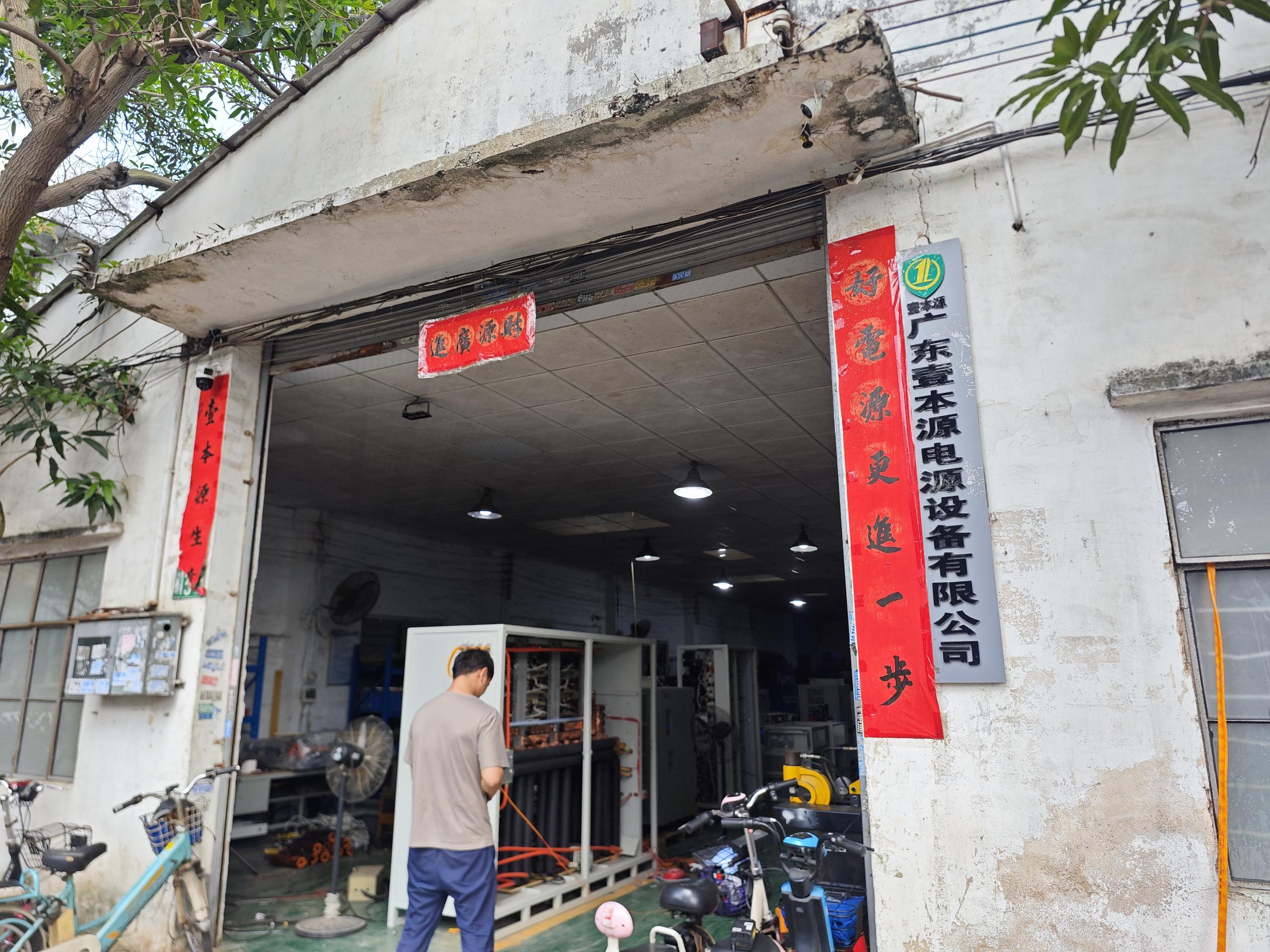
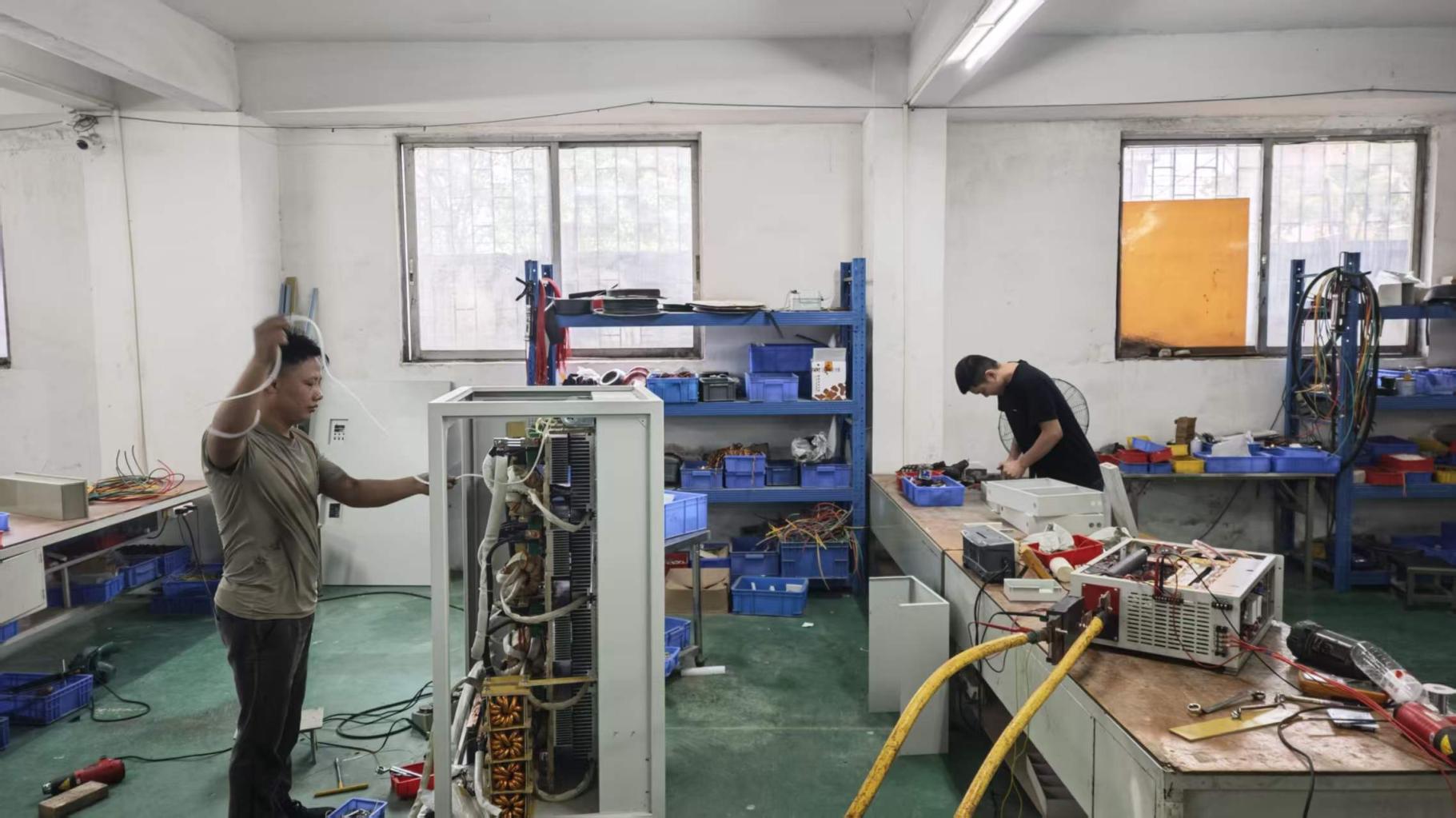
Direct manufacturer capabilities founded on 13+ years of non-catalog custom power engineering, rigorous internal machining, and certified testing standards.
We do not rebrand generic white-label gear. From custom busbar bending to FPGA control firmware programming, our on-site engineers configure hardware precisely to your duty profile.
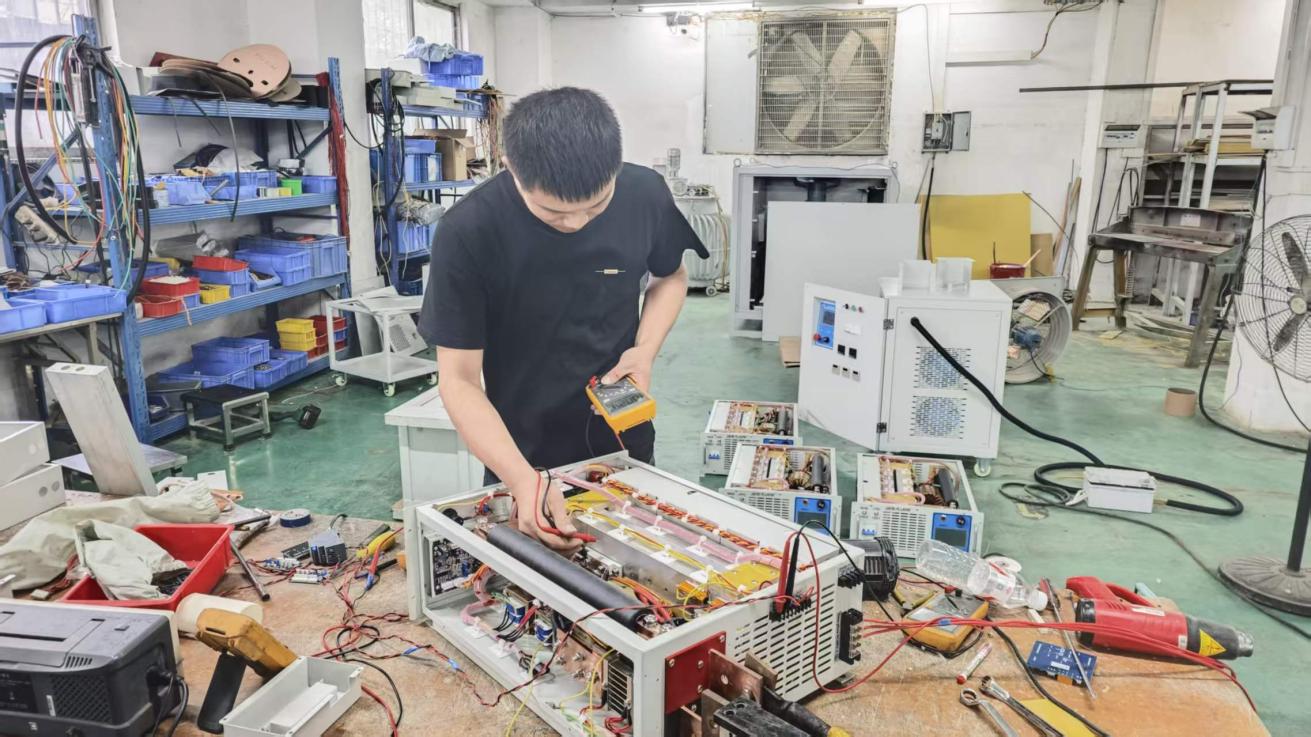
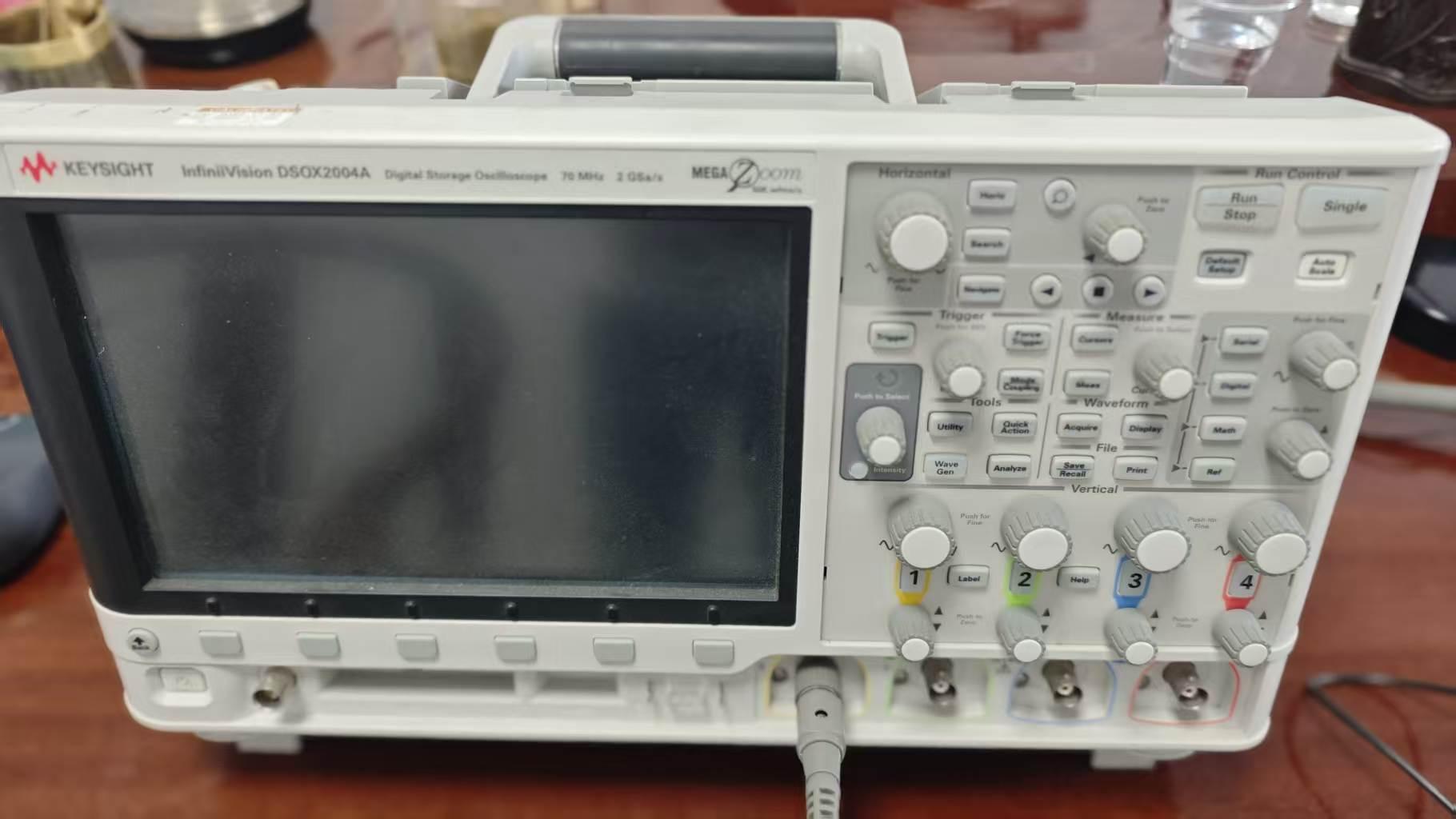
Every single power cabinet undergoes multi-hour burn-in at full rated capacity with inductive and resistive load arrays, comprehensive oscilloscope wave analysis, and dielectric isolation tests.
Serving buyers across Europe with transparent trade terms (FOB, CIF, CFR, DDP) and multi-currency processing. Fully certified sea-freight export crating and comprehensive documentation.





Key considerations on electrical grid matching, delivery timelines, logistics, and technical field support.