Featured Micro Arc Oxidation & Electrochemical Rectifiers
Tailored for precision ceramic conversion, high-current anodizing, hard chrome passivation, and severe marine surface treatment operations across Colón and Caribbean maritime yards.
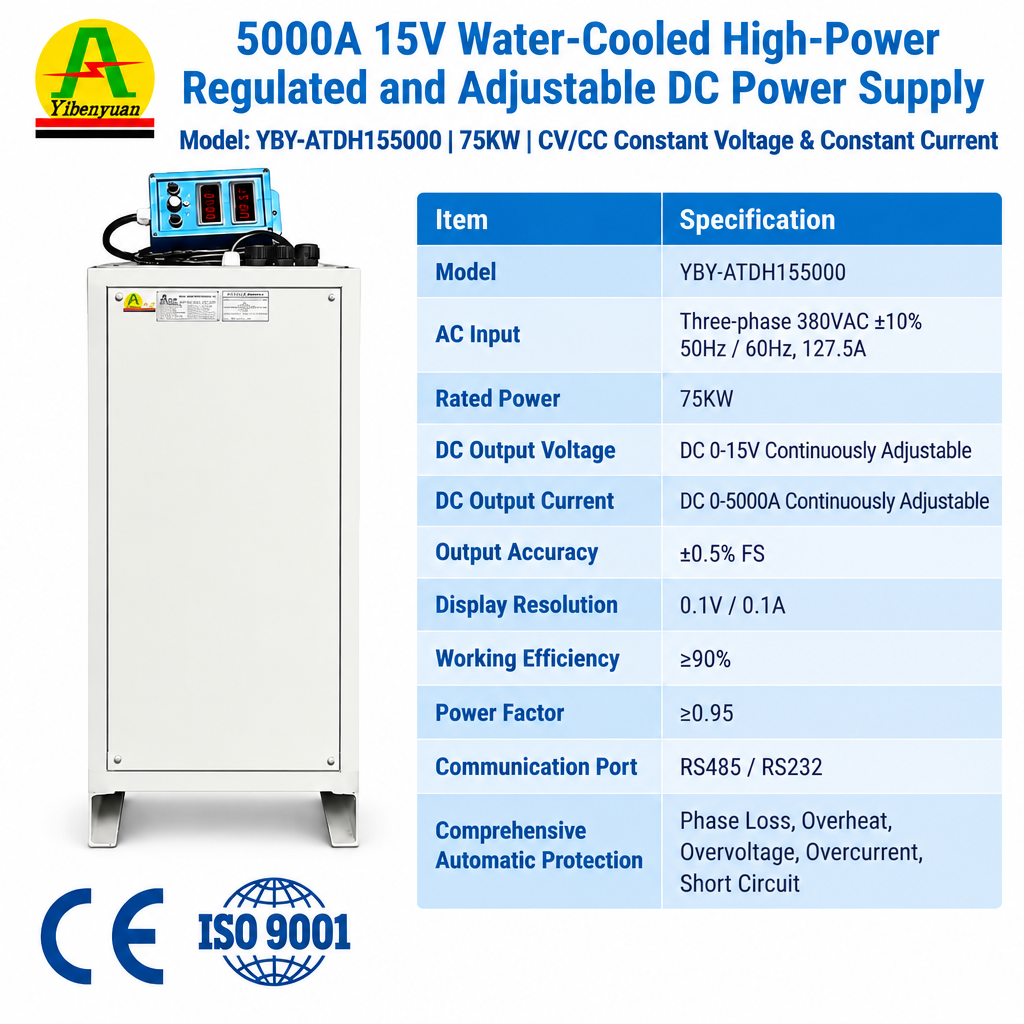
12V–15V 5000A–6000A 75KW Water Cooled Rectifier
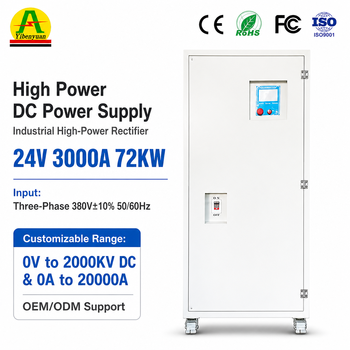
100A–3000A Anodic Oxidation Power Supply
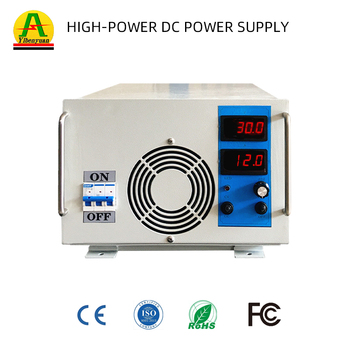
Titanium & Magnesium PEO/MAO Power Supply
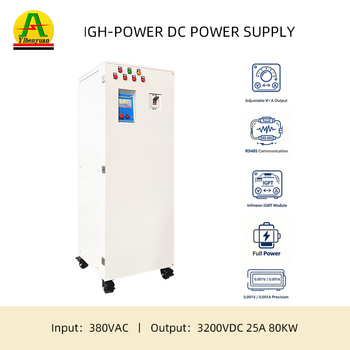
80kW 1000V–3200V High Voltage Plasma Source
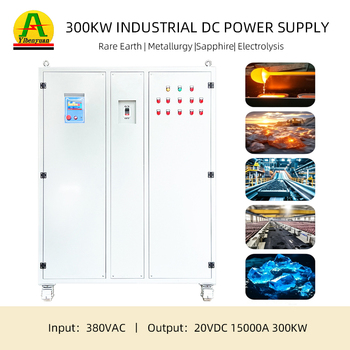
300kW 20V 15000A Water-Cooled DC Rectifier
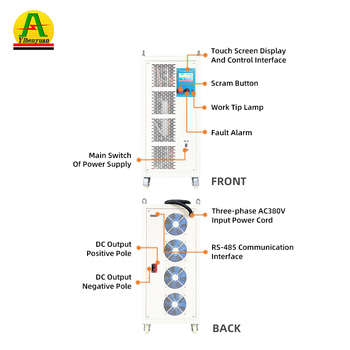
12V 4000A 48kW High-Frequency Rectifier
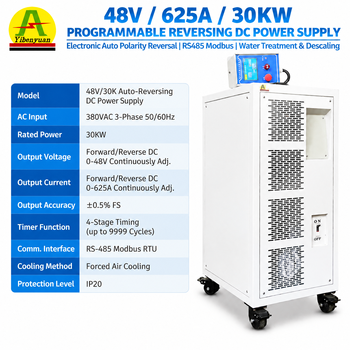
48V 625A 30kW Polarity Reversing Supply

90kW–120kW 2000V Programmable HV Supply
Principles of Micro Arc Oxidation (PEO) Power Architecture in Corrosive Environments
A comprehensive review of high-frequency pulsed power topologies, micro-discharge thermodynamics, and electrolytic phase transitions for valve metals operating in tropical marine zones.
Micro Arc Oxidation (MAO), commonly classified in Western technical standards as Plasma Electrolytic Oxidation (PEO), is an electrochemically driven surface modification methodology that synthesizes ultra-dense, chemically inert ceramic oxide matrices on valve metals—predominantly aluminum (Al), magnesium (Mg), and titanium (Ti) alloys. Unlike traditional Type II or Type III hard anodizing operating under modest direct current regimes (12V to 100V DC), MAO operates far above the critical dielectric breakdown voltage of the incipient oxide film (typically between 300V and 1,000V+ depending on alloy chemistry and electrolyte composition).
At these elevated electrical potentials, localized micro-arc discharges (dielectric breakdown plasma channels) migrate continuously across the metal-electrolyte interface. The instantaneous temperatures within these localized plasma micro-discharges exceed 5,000 K to 10,000 K, while local pressures surpass several hundred megapascals. These intense thermodynamic conditions melt the substrate material and fuse the surrounding electrolyte components, transforming amorphous oxide layers into high-temperature crystalline ceramic phases: converting aluminum into hardness-dominant α-Al2O3 (corundum) and γ-Al2O3, and titanium into wear-impervious rutile and anatase TiO2 configurations.
Pulse Topology: Unipolar vs. Bipolar Asymmetric Waveform Engineering
The performance, morphology, porosity, and growth rate of a PEO-generated ceramic film are directly governed by the pulse topology generated by the power supply. Traditional DC continuous power supplies inevitably lead to localized thermal runaway: the micro-discharges anchor in a single position, sparking catastrophic substrate ablation, thermal cracking, and macroscopic defect cratering. Modern industrial MAO power architectures engineered by Guangdong Fenvix Technology utilize programmable bipolar asymmetric pulsed power stages.
In a bipolar configuration, the positive (anodic) pulse initiates the dielectric micro-breakdown, ejecting metal cations and ionizing oxygen from aqueous alkaline silicates, aluminates, or phosphates. The subsequent negative (cathodic) pulse rapidly reverses the electric field across the double-layer capacitance. This cathodic reversal achieves three crucial electro-physical objectives:
- Interfacial Discharge Quenching: The rapid polarity inversion forcibly interrupts the localized plasma channel within microseconds (<10μs), arresting thermal accumulation before macroscopic thermal micro-cracks propagate through the structural ceramic core.
- Capacitive Polarization Neutralization: By dissipating space-charge polarization layers accumulated across the high-resistance ceramic barrier, the negative pulse allows subsequent forward pulses to penetrate evenly, promoting uniform coating density across complex 3D maritime geometries.
- Porosity Refinement & Surface Smoothing: The cathodic current enhances soft-sparking regimes, filling micro-pores via modified mass transport, resulting in significantly lower surface roughness (Ra) and higher fracture toughness without requiring secondary mechanical grinding.
Thermal Dissipation and Power Factor Dynamics in High-Ambient Humidity
Power rectifiers operating in Colón, Panama face relentless environmental stresses: year-round ambient temperatures consistently ranging between 28°C and 34°C coupled with relative humidity (RH) frequently exceeding 85% to 95%. Under such tropical conditions, conventional forced-air cooling systems experience severe thermal derating. Heat sink thermal resistance (θsa) degrades significantly, forcing IGBT junctions near their safe operating area (SOA) threshold.
Fenvix addresses these tropical challenges through liquid-cooled IGBT power modules featuring internal CNC-machined copper cold plates and deionized liquid recirculation loops. By decoupling internal electronics from corrosive, salt-laden marine air, the power supply maintains full duty-cycle performance without the ingress of airborne chlorides that cause dendrite growth and dielectric breakdown across high-voltage busbars.
Micro Arc Oxidation Applications Across Colón’s Maritime Hub
Empowering ship repair facilities, interoceanic logistics corridors, offshore energy installations, and Free Trade Zone manufacturers with military-grade ceramic barrier coatings.
Cristobal & Manzanillo Marine Terminals
Colón is the Caribbean gateway of the Panama Canal. Container cranes, port gantry structures, mooring winches, and hydraulic actuator cylinders on tugboats are exposed to violent salt-spray atmospheres. Micro Arc Oxidation deposits a corundum-grade ceramic barrier on aluminum valve bodies and pneumatic pistons, preventing galvanic corrosion in marine service.
Vessel Propulsion & Underwater Hardware
Naval shipyards and ship maintenance facilities in Colón face chronic cavitation erosion on bronze and aluminum impellers, bow thrusters, and heat exchanger sea-chests. Pulsed PEO transforms lightweight marine alloys into wear-resistant surfaces that withstand 3,000+ hours of continuous cavitation and sand slurry abrasion.
Colón Free Trade Zone (ZLC) Assembly
As the largest free trade zone in the Western Hemisphere, ZLC serves as a prime distribution and light assembly nexus for telecommunications, avionics, and high-value offshore equipment. Integrating turnkey MAO power stations enables local value-added ceramic passivation for exported components bound for South and Central America.
Desalination & Offshore Oil/Gas Infrastructure
Caribbean offshore platforms and regional reverse osmosis desalination plants depend on titanium pump casings, valve assemblies, and high-pressure manifold piping. Fenvix high-voltage programmable sources synthesize rutile TiO2 layers resistant to pitting, hypochlorite chemical cleaning, and marine biofouling.
Technical Comparison: Conventional Anodizing vs. Advanced PEO/MAO
Direct engineering trade-offs regarding electrical parameters, microstructure, corrosion resistance, and operational parameters for industrial surface treaters.
| Evaluation Metric | Standard Type II Anodizing | Hardcoat Type III Anodizing | Fenvix Bipolar Micro Arc Oxidation (PEO) |
|---|---|---|---|
| Operating Voltage | 12V – 22V DC | 24V – 90V DC | 350V – 1,000V+ Bipolar Pulsed |
| Current Waveform | Continuous Direct Current | DC with Low-Frequency Pulse | High-Frequency Asymmetric Bipolar (100Hz–2kHz) |
| Film Microstructure | Amorphous, porous hexagonal cells | Denser amorphous alumina | Crystalline α-Al₂O₃ (Corundum) + γ-Al₂O₃ |
| Micro-Hardness (HV) | 200 – 350 HV | 400 – 500 HV | 1,200 – 2,000 HV (Glass/Steel Scratchproof) |
| ASTM B117 Salt Fog Life | 250 – 500 Hours | 1,000 – 1,500 Hours | > 3,500 Hours Without Pitting |
| Electrolyte Environmental Footprint | Toxic Sulfuric / Chromic Acid Baths | High-Concentration Sulfuric + Additives | Eco-Friendly Dilute Alkaline (Silicate/Phosphate) |
| Thermal Shock Resistance | Crazing occurs at >80°C | Micro-cracking at >120°C | Stable up to 800°C – 1,000°C Cyclic Heat |
| Dielectric Breakdown Strength | 10 – 20 kV/mm | 25 – 35 kV/mm | > 60 – 100 kV/mm Dielectric Isolation |
Regional Development Trends Shaping Colón’s Advanced Manufacturing
Strategic market factors driving the shift from toxic legacy chrome electroplating to environmentally certified plasma electrolytic surface treatments.
IMO & Environmental Regulatory Compliance
The International Maritime Organization (IMO) and Panama Canal Authority (ACP) regulations increasingly penalize hazardous waste discharges. Traditional hexavalent chromium (Cr6+) and acidic anodizing solutions impose catastrophic wastewater remediation costs. In contrast, PEO utilizes non-hazardous, low-concentration alkaline electrolytes with neutral environmental footprints, enabling simplified permitting in Colón’s coastal industrial basins.
Electrification of Canal Tugboats & Port GSE
The Panama Canal’s strategic push toward carbon-neutral operations is driving the adoption of electric tugboats, hybrid support craft, and electric ground support equipment (GSE). High-voltage battery enclosures and power converter housings constructed from lightweight aluminum and magnesium demand superior dielectric isolation and flame retardancy—properties inherently delivered by Micro Arc ceramic films.
Nearshoring and Value-Added Logistics in ZLC
Global supply chain restructuring is repositioning the Colón Free Trade Zone from a simple transshipment warehouse zone into a high-technology light-industrial refurbishment cluster. Rapid localized surface refurbishment of aircraft components, subsea sensors, and oil-exploration valve trim keeps repair operations within Panama, bypassing month-long overseas transport cycles.
Why Global Marine & Industrial Engineers Partner with Fenvix
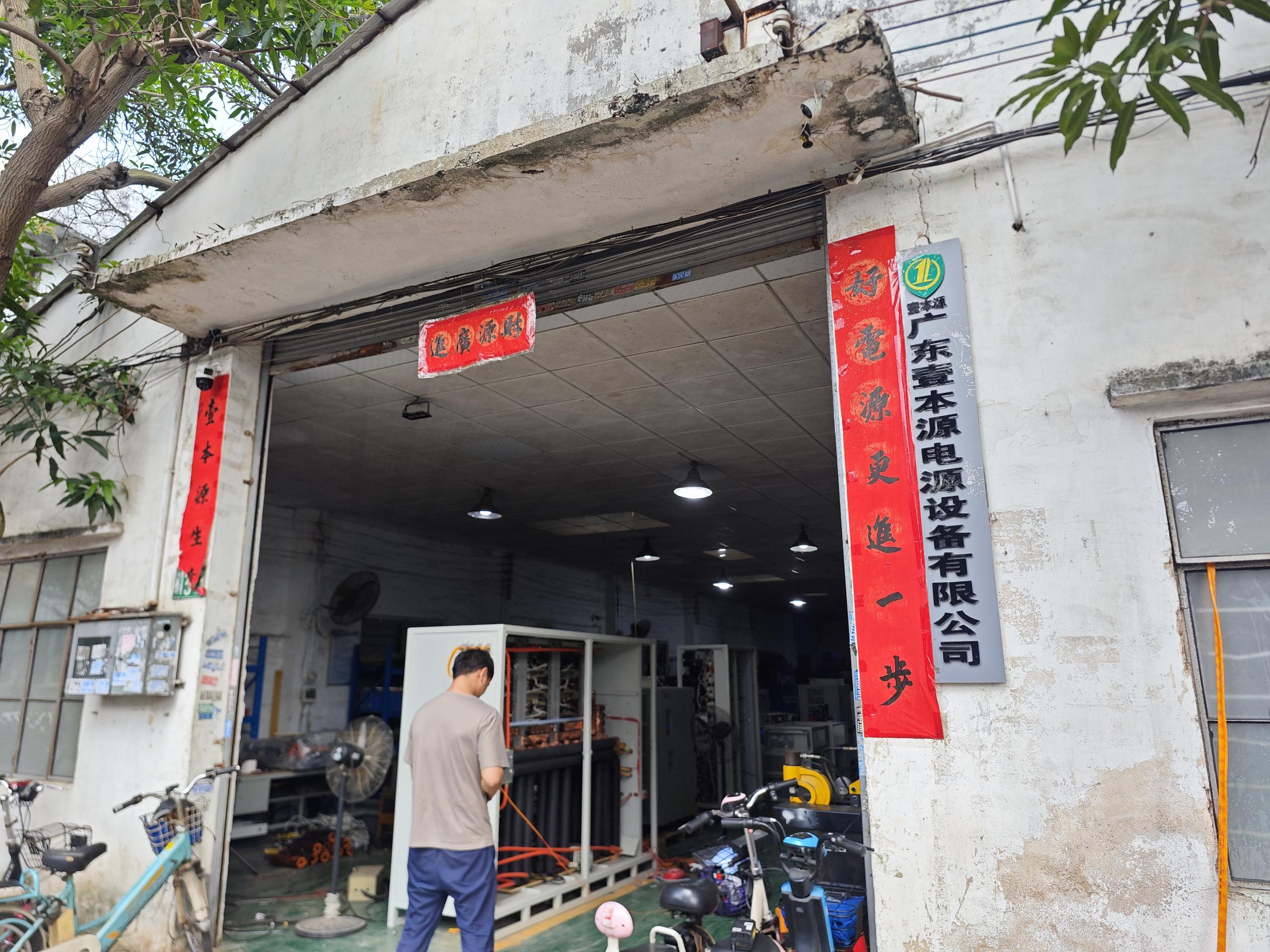
Guangdong Fenvix Technology Co., Ltd.: 13+ years of power electronics innovation, verified on-site by TÜV Rheinland, delivering bespoke rectifiers engineered from raw copper to burn-in test.
-
In-House CNC Busbar & Structural Sheet Metal
Unlike trading intermediaries, Fenvix controls every manufacturing phase: laser shearing, CNC punching, milling, drilling, and custom silver-plated copper busbar fabrication inside our 3,000m² Guangzhou facility.
-
Full Tropicalization & Anti-Corrosion Treatment
Every internal PCB is double-dipped with military-grade conformal coating (polyurethane/silicone elastomeric barrier). High-voltage transformers receive vacuum pressure impregnation (VPI) to resist 100% condensing tropical humidity.
-
Rigorous Full-Load Oscilloscope & Burn-In Testing
Before dispatch to Colón, every custom micro arc unit undergoes a continuous 72-hour full-load thermal burn-in, coupled with high-speed digital oscilloscope wave verification across the complete frequency range.
-
Direct Engineering Partnership & Zero MOQ
From single prototype R&D units for specialized marine institutes to multi-megawatt centralized rectifier lines for shipyards, we provide direct engineering collaboration, complete electrical schematics, and zero MOQ barriers.
Frequently Asked Questions for Colón & Central American Buyers
Technical, logistical, and environmental considerations for importing and deploying high-power rectifiers into the Colón Free Trade Zone and Panama Canal corridor.
What grid input voltages and frequencies are supported for installations in Colón? +
How does high tropical humidity and saline air in Colón affect MAO power supply cooling choices? +
Can Fenvix handle direct ocean freight shipping to the Port of Cristobal or Manzanillo International Terminal? +
What primary parameters do we need to provide for a custom Micro Arc Oxidation quote? +
How does Fenvix support commissioning and technical service in Panama? +
Can the same power supply be used for both standard hard anodizing and Micro Arc Oxidation? +
What safety mechanisms prevent catastrophic electrical arcs from damaging parts or the power cabinet? +
Accelerate Your Surface Engineering Capabilities in Colón
Whether you require a dedicated high-voltage bipolar PEO rectifier for marine valve components or a 15,000A water-cooled anodizing system, Fenvix engineers provide complete technical sizing, electrical simulation, and rapid factory quotation.