Technical Whitepaper: Solid-State High Frequency Pulse Power Architectures in Contemporary Industrial Applications
Precision electrochemistry, electrodeposition, and advanced material synthesis in modern European industry require electrical energy sources with response times, waveform configurations, and power densities that traditional 50 Hz Silicon Controlled Rectifier (SCR) systems cannot deliver. When operating in high-demand manufacturing regions such as Wrocław and the broader Lower Silesian Voivodeship (Dolny Śląsk), power conversion equipment must maintain stable output parameters under volatile utility line conditions while reducing parasitic harmonic distortions and electrical losses.
A high frequency pulse power supply functions by taking 3-phase grid AC power (e.g., 400V 50Hz in Poland), converting it into an intermediate direct current bus via high-speed uncontrolled or active front-end rectification, and then driving insulated-gate bipolar transistors (IGBTs) or Silicon Carbide (SiC) MOSFETs at switching frequencies typically between 20 kHz and 100 kHz. The modulated high-frequency AC is then stepped down through nanocrystalline transformers before final rectification into clean, low-ripple DC, unipolar pulse, or periodic reverse pulse (PRP) current waveforms.
Information Gain Insight: Unlike classic linear or thyristor systems that display continuous ripple factors exceeding 5% at dialed-down currents, modern IGBT switch-mode rectifiers achieve an instantaneous ripple value of ≤ 1% to 2% across the entire 1% to 100% current regulation span. This stabilizes the electrical double-layer capacitance at the workpiece-electrolyte boundary, accelerating nucleation rates while preventing dendrite growth.
Localized Engineering Applications Across Wrocław and Lower Silesia
The industrial landscape surrounding Wrocław—spanning key industrial zones such as the Wrocław Technology Park (WPT), Biskupice Podgórne, Kobierzyce, Bielany Wrocławskie, and nearby clusters in Legnica and Wałbrzych—is recognized for high-density automotive, aerospace component, electro-mobility (battery pack production), and semiconductor manufacturing. High frequency pulse and DC power supplies meet precise regional fabrication criteria:
Automotive Components & EV Busbars
Tier-1 automotive sub-suppliers in Kobierzyce and Wałbrzych rely on high frequency pulse reverse plating to apply micro-crack-free hard chrome, zinc-nickel alloy coatings, and flash copper on complex EV battery busbars, achieving uniform deposition without hydrogen embrittlement.
Aviation MRO & Turbine Anodizing
Lower Silesia's active aerospace hub requires hard sulfuric, chromic, and tartaric-sulfuric anodizing (TSA) of titanium and critical aircraft alloys. Programmable pulse profiles permit tight oxide barrier layer growth while preserving tight tolerances on turbine blades and landing gear assemblies.
PCB & Micro-Electronics Packaging
Advanced electronics assemblers in Wrocław's technology corridors leverage high-frequency pulse rectifiers for micro-via filling and high-aspect-ratio blind hole plating. Forward and reverse pulsing distributes ionic copper uniformly without dog-boning across fine-pitch circuit traces.
Technological Evolution & Regional Industrial Trends in Poland
The manufacturing sector in Poland is experiencing two parallel shifts: stringent European Union decarbonization mandates (driving energy-efficiency overhauls under ISO 50001) and rapid integration of smart automation (Industry 4.0). Older thyristor rectifiers in electroplating and anodizing lines typically waste 15% to 25% of grid input energy as heat, demanding massive HVAC or chiller capacity. By contrast, Fenvix IGBT-based switch-mode topologies operate with conversion efficiencies of 90% to 94%, significantly trimming annual electrical overhead for facilities operating 24/7 continuous barrel or rack shifts.
Furthermore, local procurement directives increasingly demand deterministic process automation. Discrete analog control knobs are being displaced by digital Modbus-RTU, Profibus, and Ethernet-based fieldbus interfaces. Polish engineering teams require real-time current density tracking, automated amp-minute counters for precise chemical replenishment, and millisecond fault diagnostics that prevent expensive batch scrap in the event of electrolyte over-temperature or phase interruption.
Comparative Specification Matrix: Conventional SCR vs. IGBT High-Frequency Switch-Mode
| Performance Parameter | Thyristor (SCR) Legacy Rectifier | Fenvix High-Frequency IGBT Pulse Supply | Wrocław Plant Operational Benefit |
|---|---|---|---|
| Switching Frequency | 50 Hz – 300 Hz (Mains line dependent) | 20 kHz – 50 kHz high-speed switching | Zero audible mains hum; ultrafast dynamic line regulation |
| Current Ripple (<30% Load) | High (> 5% to 12% RMS) | Ultra-Low (≤ 1% to 2% throughout regulation) | Prevents porous coating crystalline structure; saves noble metal salts |
| Overall Electrical Efficiency | 70% – 78% typical | 90% – 94% full system efficiency | Lowers MWh power billing under Polish industrial energy tariffs |
| Pulse Duty Cycle Flexibility | Fixed / Coarse thyristor phase-angle control | 0% – 100% duty cycle, 0.1ms pulse width step | Tailors crystal grain boundary formation in titanium and zinc alloys |
| Physical Footprint & Weight | Heavy iron-core transformer (Up to 2.5 Tons) | Compact modular cabinet (approx. 65% weight reduction) | Simplifies installation over elevated walkways and plating mezzanine tiers |
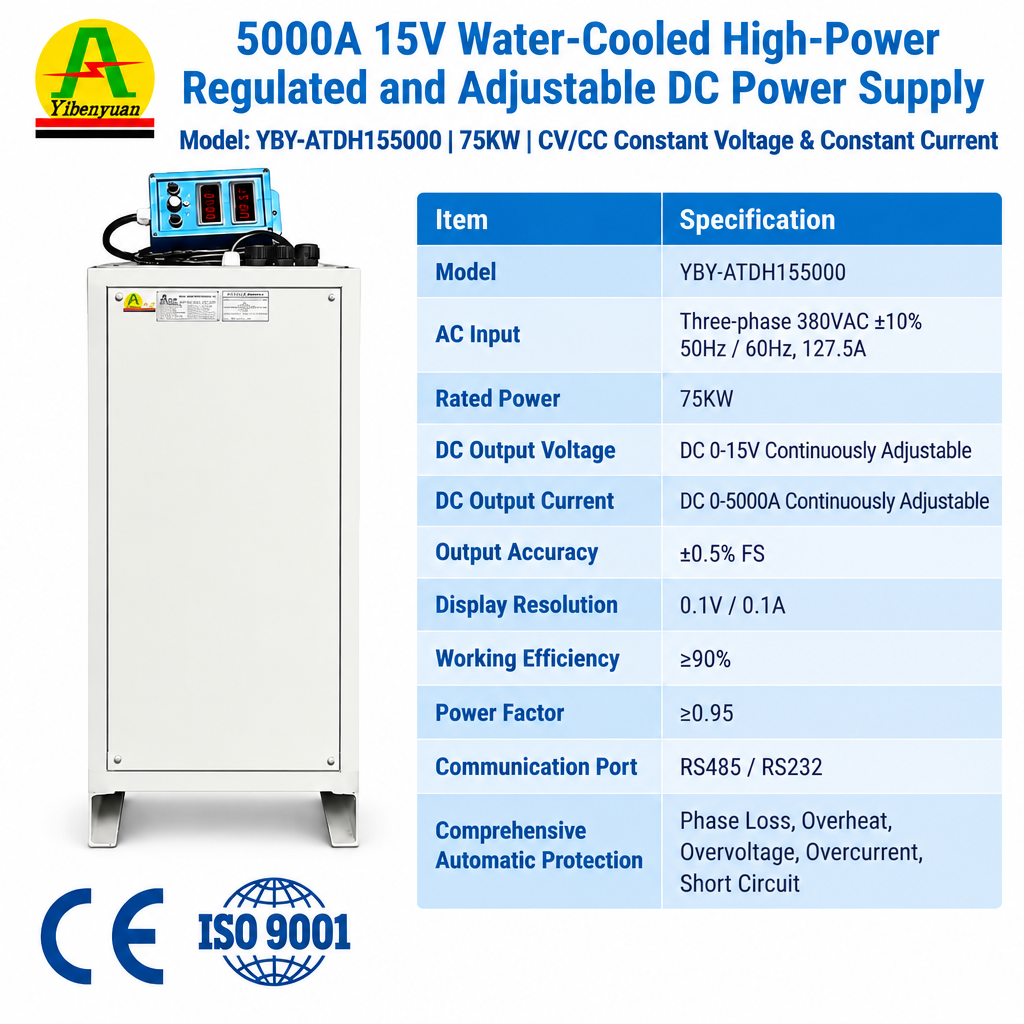
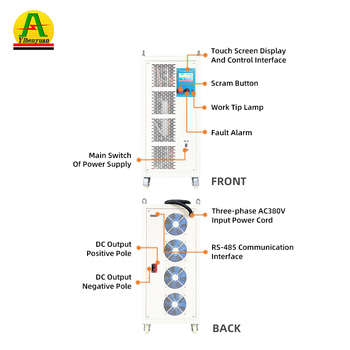
| Cooling Options | Bulky forced-air with high particulate intake | Closed-loop internal water cooling / IP54 cabinet | Protects sensitive electronic gate drivers from acidic plating room fumes |
Inside Fenvix Engineering: Manufacturing Integrity & Proven Advantage
Founded in 2013 and operating out of a specialized 3,000 m² production complex in Guangdong, Guangdong Fenvix Technology Co., Ltd. builds heavy-duty DC and high frequency pulse power supplies designed for continuous industrial operation. Every system undergoes mechanical plate fabrication, high-precision copper busbar stamping, transformer winding, PCB conformal coating, and full-load burn-in testing under one roof.
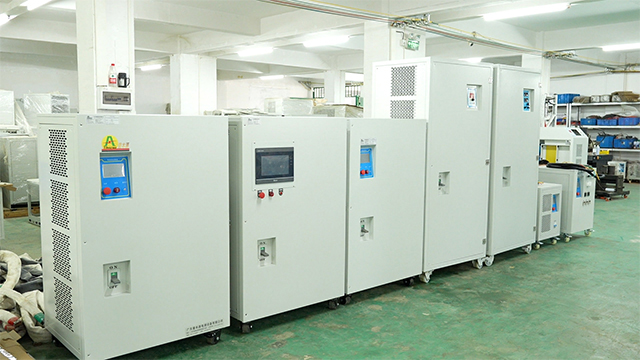
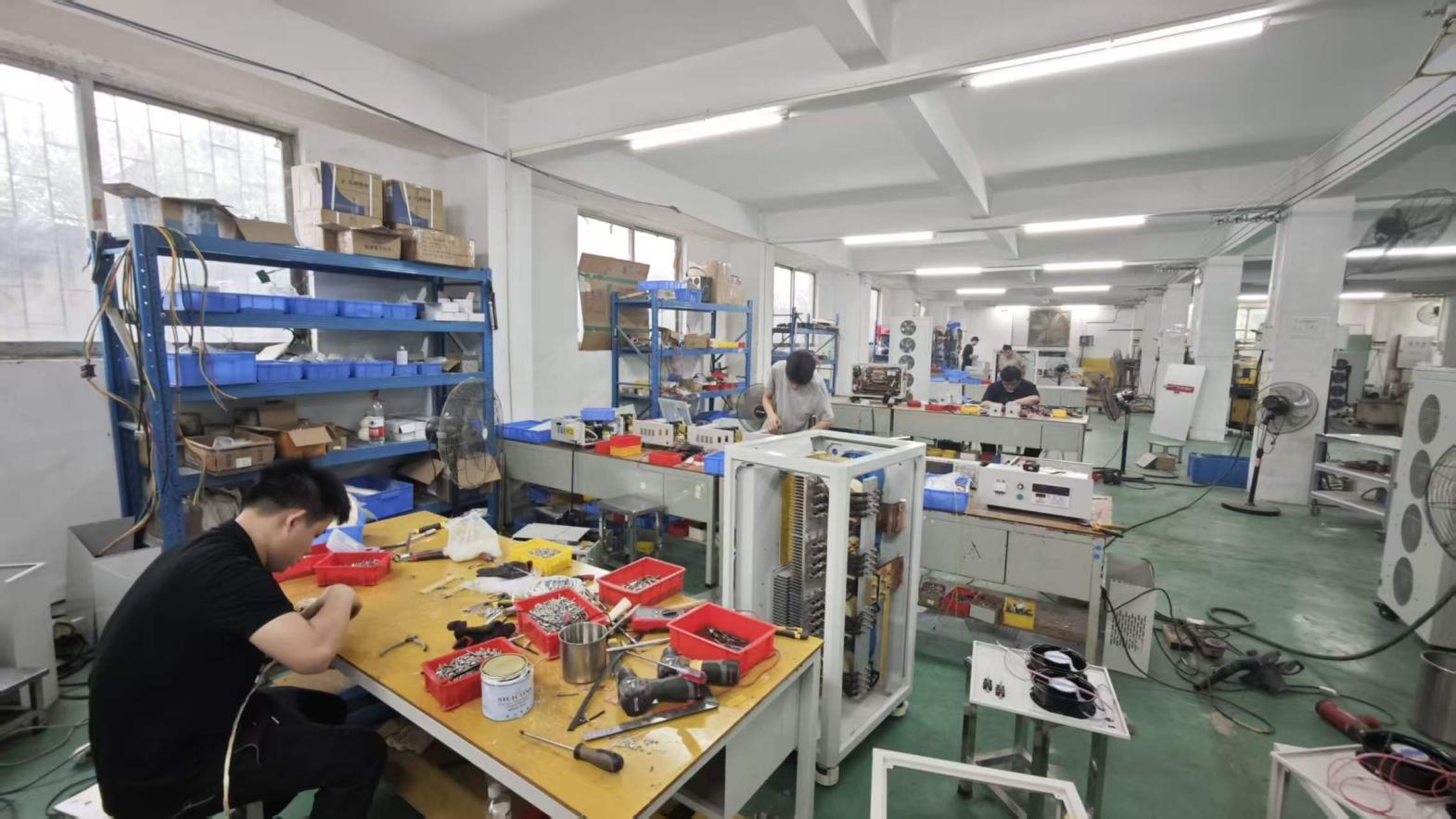
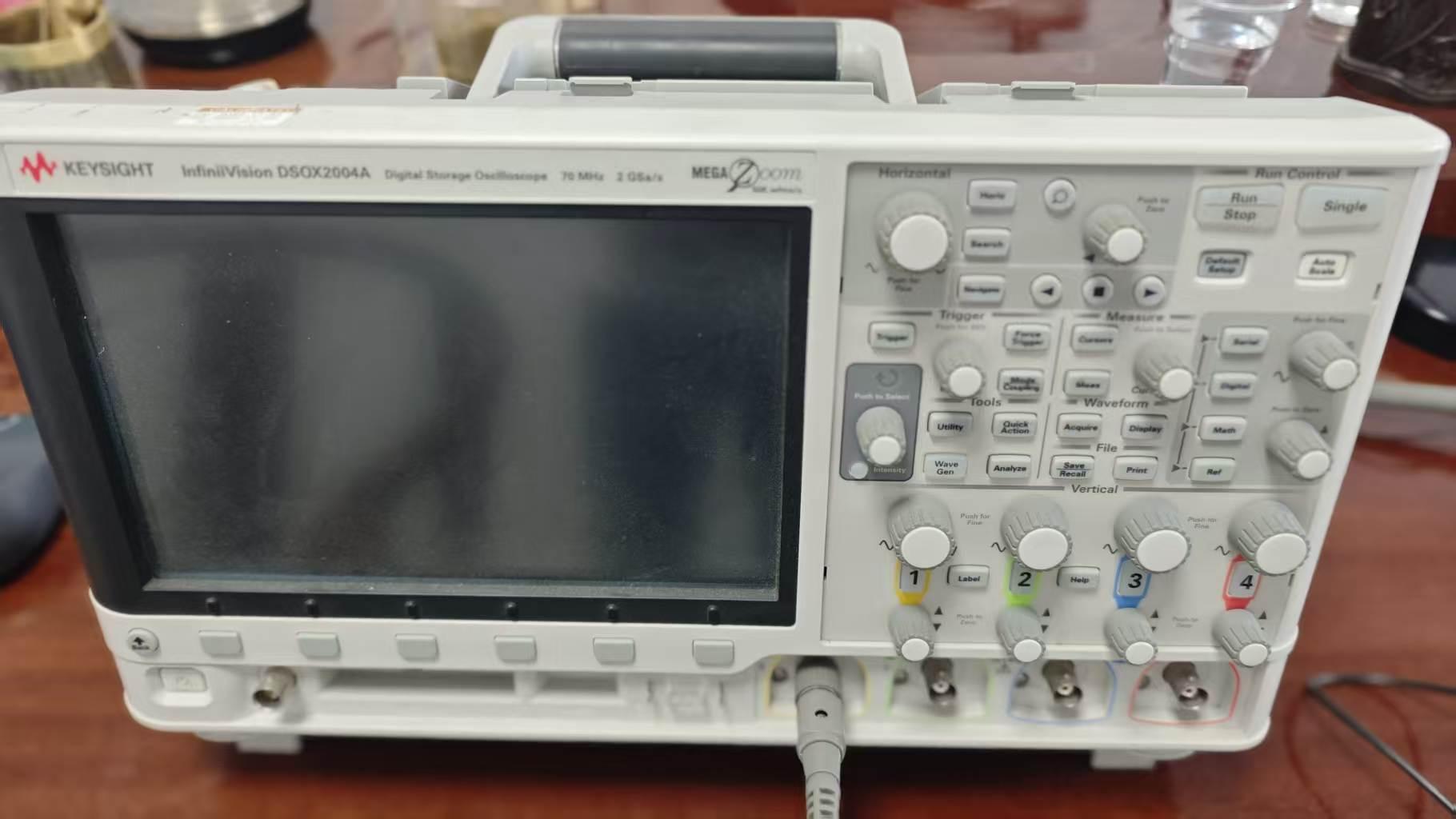
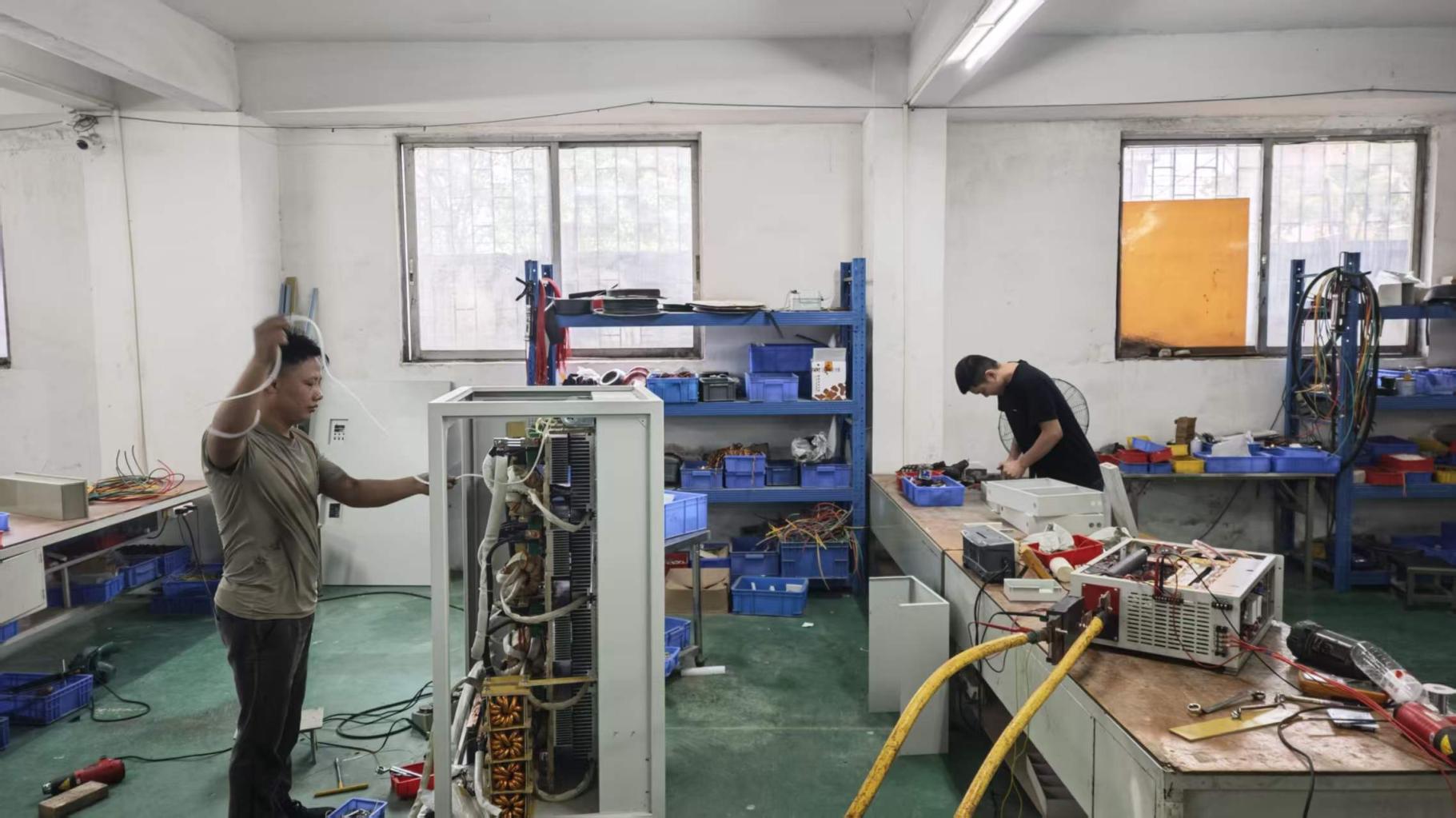
Verified Credentials & Export Compliance: Fenvix operates under a certified ISO 9001 Quality Management System, verified on-site by TÜV Rheinland. Selected power supply lines comply fully with CE, RoHS, Low Voltage Directive (LVD 2014/35/EU), and Electromagnetic Compatibility Directive (EMC 2014/30/EU), facilitating straightforward regulatory acceptance and safe operation across Polish and EU industrial facilities.
Procurement FAQ for Wrocław Industrial Buyers & Electrical Engineers
How does pulse plating improve zinc-nickel and hard chrome deposition over standard DC?
Can Fenvix configure rectifiers for Poland's standard 400V 50Hz grid with industrial harmonics compliance?
Should our Wrocław plating shop select water cooling or forced air cooling?
What is the minimum order quantity (MOQ) and lead time for custom engineered prototypes?
What remote automation interfaces are provided for PLC integration?
What international delivery terms and documentation are supported for Polish imports?
Need Custom Electrical Sizing or a Direct Factory Quotation?
Consult with Fenvix power electronics design engineers. Share your input mains, target current-voltage envelope, wave duty cycle, and cooling preferences to receive a tailored engineering proposal within 24 hours.