Ultra Heavy Duty
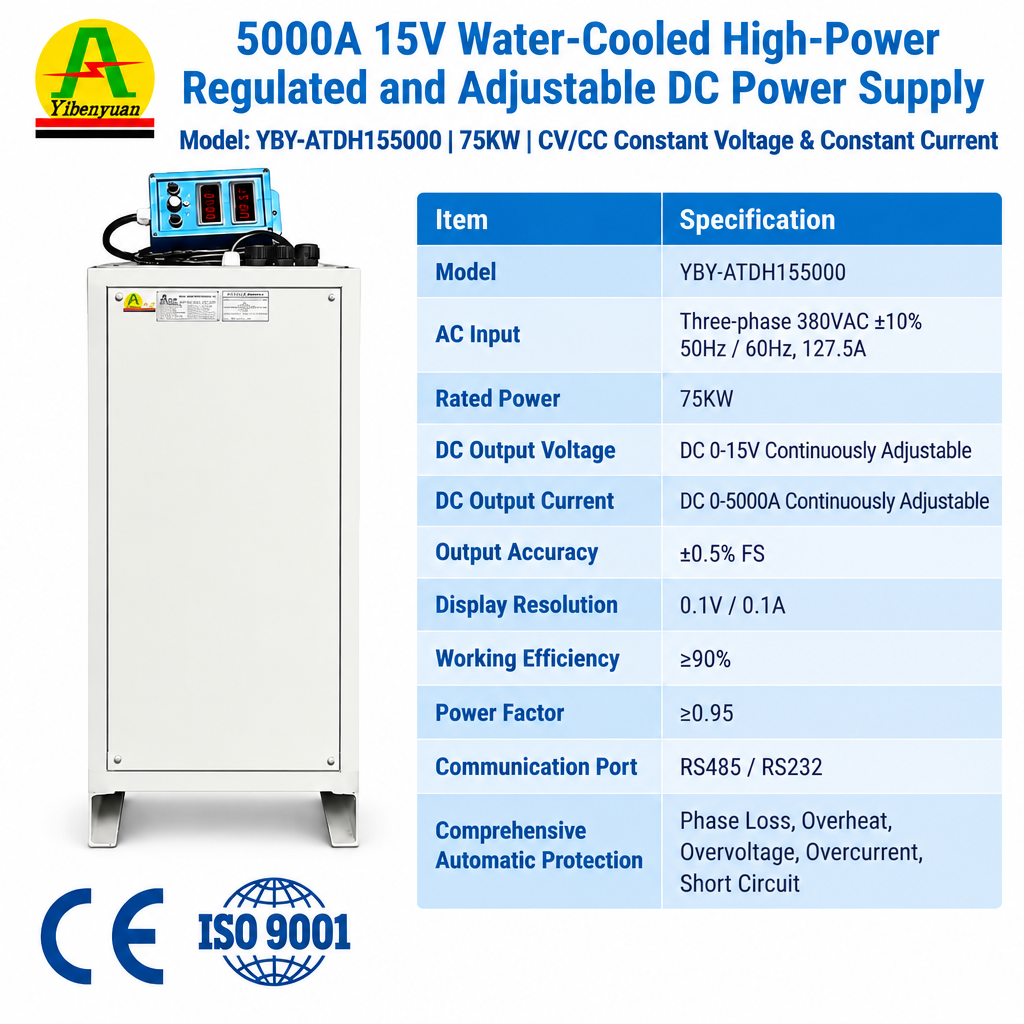
12V-15V 5000A-6000A 75KW Water Cooled High Frequency Rectifier
- Output Rating:12V/15V, 6000A Max
- Topological Class:IGBT Switch-Mode
- Thermal Circuit:Deionized Water-Cooled
- Control Standard:CV/CC Multi-Channel
Direct-factory switch-mode rectifiers built for continuous duty cycles, corrosive airborne chemical environments, and micro-ripple hard chrome and functional deposition.
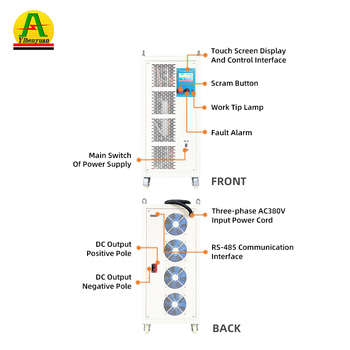
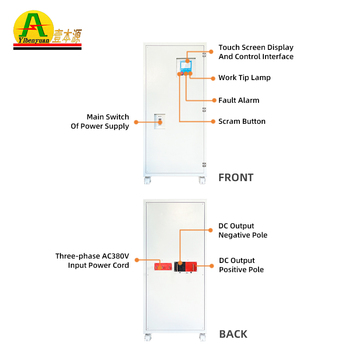
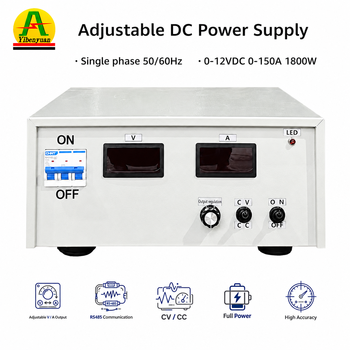
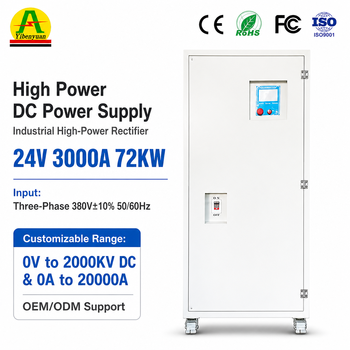
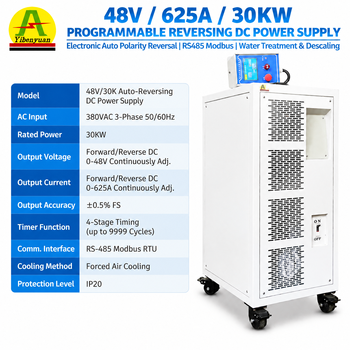
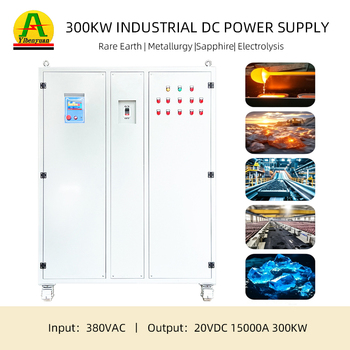
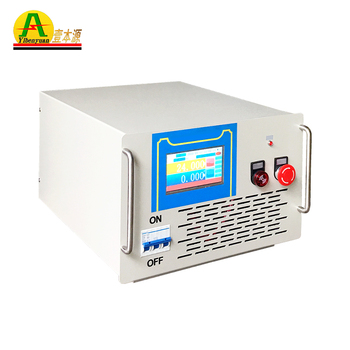
Hard chromium plating (hexavalent or trivalent electrolyte configurations) serves as the backbone of heavy machinery maintenance, aerospace flight cylinder overhaul, and mineral processing infrastructure throughout Myanmar. Operating within Naypyidaw and the greater Mandalay-Bago industrial axis introduces severe operating variables: elevated ambient thermal thresholds frequently surpassing 40°C, high atmospheric relative humidity during the southwest monsoon, and severe line voltage destabilization across local transformer substations. For a hard chrome plating rectifier factory catering directly to the Naypyidaw capital region and regional workshop divisions, standard commercial off-the-shelf power packs are insufficient. High-efficiency Switch-Mode Power Supplies (SMPS) utilizing insulated-gate bipolar transistors (IGBT) are mandatory to maintain metallurgical bonding, surface hardness exceeding 68–72 HRC, and crack-free microscopic crystal matrixes.
In hard chrome plating, current ripple is the defining variable determining the micro-crack density, internal substrate stress, and corrosion resistance of the finished plate. Outdated Silicon Controlled Rectifier (SCR) or thyristor-based power systems traditionally generate a 12-pulse or 6-pulse direct current wave exhibiting 5% to 15% ripple factor without substantial filter choke banks. In functional chromium bath dynamics, ripple values higher than 2% produce layered hexagonal hydride deposits that degrade into brittle crystalline structures with premature microcracking, unacceptably high hydrogen embrittlement, and non-uniform thickness profiles across complex geometric cathodes (e.g., turbine shafts, hydraulic ram sleeves, and extrusion dies).
Our high-frequency IGBT rectifiers chop rectified three-phase AC input at frequencies between 20 kHz and 40 kHz. Through high-frequency transformer coupling and high-speed Schottky diode flyback arrays, the output delivers continuous current with a total ripple factor sustained below 1% across 10% to 100% of the full-scale rating. This ensures that operators in Naypyidaw achieve mirror-bright finishes, exact micro-inch deposition rates, and uniform current distribution without burning edges or creating rough "treeing" nodules on high current-density zones.
Air-cooled rectifiers deployed in metal plating workshops ingest ambient air laden with atomized chromic acid mists (CrO3), sulfuric acid catalysts, and abrasive environmental particulates. Even with conformally coated printed circuit boards (PCBs), forced-air heatsinks within unsealed chassis suffer rapid electrolytic corrosion, thermal runaway, and IGBT gate burnout. In the Naypyidaw market, where industrial ambient workshop conditions exacerbate heat build-up, water-cooled rectifiers enclosed in IP54 or NEMA 4X sealed steel-polyurethane enclosures provide significant total cost of ownership (TCO) advantages:
| Engineering Attribute | Traditional SCR / Air Cooled | Fenvix High-Frequency Water Cooled | Operational Impact in Naypyidaw |
|---|---|---|---|
| Electrical Conversion Efficiency | 70% – 78% (Extensive heat losses) | 90% – 93% (High-frequency switches) | Saves 15%–20% on monthly industrial kWh demand charges. |
| Current Ripple Factor | 5% – 12% (Load dependent) | < 1% Smooth Direct Current | Eliminates nodular chromium formation; lowers grinding hours. |
| Enclosure Atmosphere Protection | Open louvers; acid mist enters chassis | Sealed IP54 cabinet; zero air intake | Stops internal busbar and PCB corrosion from sulfuric fumes. |
| Weight & Physical Footprint | Bulky iron cores; > 1,200 kg | Compact planar topology; < 380 kg | Reduces international freight cost and overhead crane sizing. |
A persistent obstacle for industrial operations operating near Naypyidaw’s special economic zones and municipal engineering complexes is transient voltage instability. Voltage sags and surges from regional transmission corridors often trip under-voltage interlocks or shift operating points during a multi-hour plating cycle. Stopping a hard chrome bath mid-cycle causes layer passivation; re-initiating current without expensive, hazardous chemical surface re-activation results in catastrophic chromium-on-chromium delamination.
Our rectification architectures integrate wide-tolerance three-phase inputs (380V ± 15% standard, configurable to 415V/440V) paired with fast-response microcontroller pulse-width modulation (PWM) control chips. The dynamic closed-loop response compensates for ±10% primary grid voltage transients within 10 milliseconds, maintaining constant current density (CCD) across the bath anodes and cathodes without interrupting plating runs.
Tailored DC power architectures answering the precise infrastructure rehabilitation, mechanical re-chroming, and manufacturing requirements of Myanmar's administrative and technological center.
Extensive reclamation of excavated hydraulic rams, steering arms, and loader pistons employed in regional infrastructure corridors and jade/gemstone earthworks. Delivers zero-stress, wear-resistant hard chrome rebuilds up to 250 microns thick without internal hydrogen pitting.
Supplying the Upper Paunglaung and surrounding hydropower generation assets with hard, erosion-resistant chromium overlays for penstock valve seals, turbine runner journals, and governor shafts subjected to severe river-silt abrasive scour.
Precise functional chromium overhaul for landing gear struts, splines, and hydraulic flight controls at Naypyidaw International Airport (NYT). Precision current steps allow micro-crack management conforming strictly to global flight safety parameters.
Re-chroming of sugarcane rollers, rice-milling expeller screws, and tractor crankshaft components throughout the agricultural basin flanking Naypyidaw, boosting mechanical component lifespans by up to 400% against organic acid erosion.
How ecological standards, power efficiency mandates, and digital control protocols are reshaping industrial purchasing criteria across Naypyidaw.
Industrial utility tariffs in Myanmar continue to penalize low-power-factor consumers. Facilities are migrating systematically away from heavy thyristor units (power factors of 0.65–0.75) toward high-frequency IGBT topologies that consistently yield power factors above 0.94, shrinking plant load demands.
Environmental and bath contamination protocols demand zero cross-contamination. Plating plants in Naypyidaw's developing operational hubs are pairing switch-mode water-cooled rectifiers with external closed-loop cooling towers, preventing airborne electrolyte contamination and reducing plant water draw.
Manual bath regulation is giving way to automated recipe programming. Buyers demand RS485/Modbus or Profinet networking that allows programmable current-ramping (soft-start steps), bath run timers, and amp-hour meters to compute exact chemical consumption and deposition thickness mathematically.
Founded in 2013, Fenvix engineers heavy industrial DC and conversion power systems under an ISO 9001 certified, TÜV Rheinland on-site verified production regime.
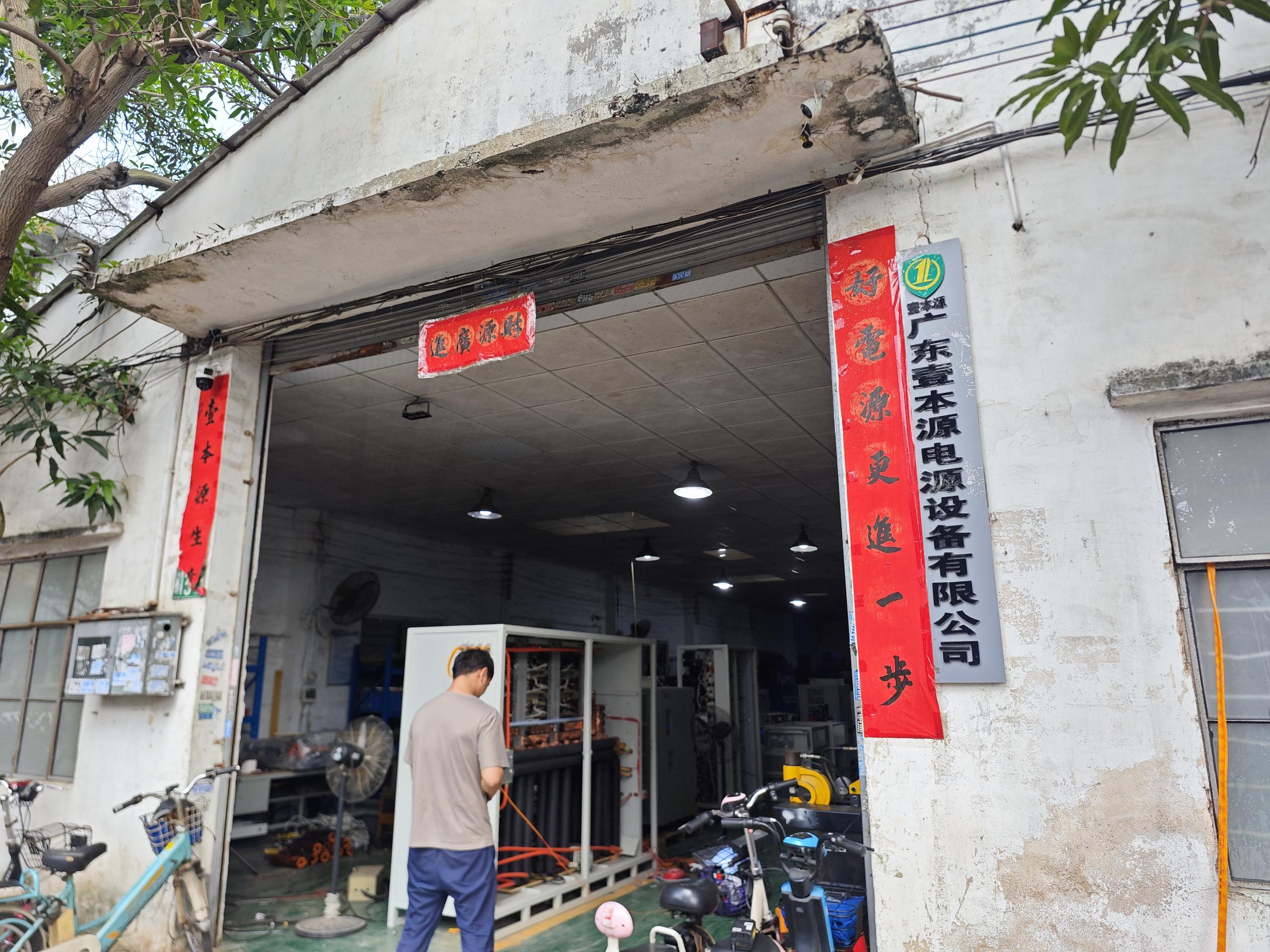
Operating a 3,000 m² state-of-the-art facility in Guangzhou, Guangdong Fenvix Technology Co., Ltd. handles every critical manufacturing step in-house: sheet metal shear, CNC laser cabinet punching, heavy-gauge pure electrolytic copper busbar milling, transformer winding, SMD control board assembly, and dynamic 100% full-load burn-in testing.
Critical engineering, electrical, and commercial answers for project managers, plant directors, and procurement specialists.
Consult directly with Fenvix power engineers. We configure specific voltage, amperage, cooling circuits, and remote communication architectures to match your exact workshop infrastructure in Naypyidaw.