The Transition from Chemical Coagulation to Electrochemical Direct Current Systems
The industrial landscape across Bosnia and Herzegovina—anchored by major steel rolling mills in Zenica, aluminum reduction facilities in Mostar, chemical processing complexes in Tuzla, and coal-mining basins across the Neretva, Bosna, and Vrbas river basins—faces tightening environmental thresholds under the Sava River Basin Commission and alignment with European Union water frameworks (Directive 91/271/EEC and the Industrial Emissions Directive 2010/75/EU).
Conventional physical-chemical water treatment, characterized by massive consumption of alum, polyaluminum chloride (PAC), and polyacrylamide flocs, creates substantial secondary hazardous sludge. Transport and disposal costs for contaminated sludge have escalated severely in the Balkan region. Electrochemical wastewater purification—incorporating electrocoagulation (EC), electro-oxidation (EO), electro-Fenton, and electrodialysis reversal (EDR)—removes reliance on consumable chemicals by producing coagulation species in situ via controlled sacrificial dissolution of iron (Fe) or aluminum (Al) anodes driven by high-frequency DC electrical energy.
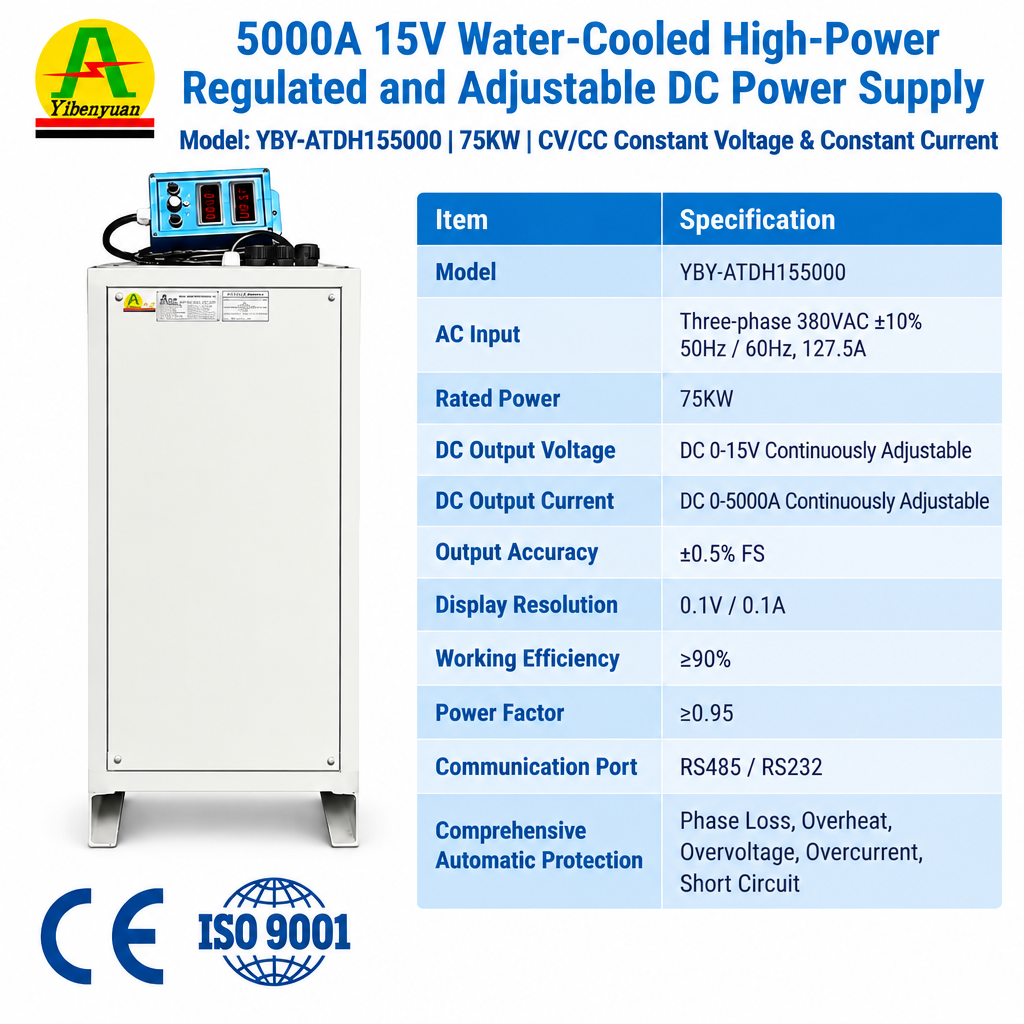
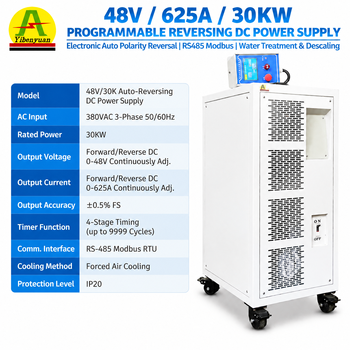
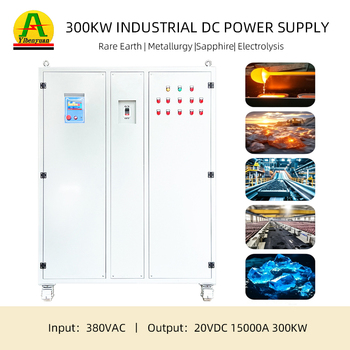
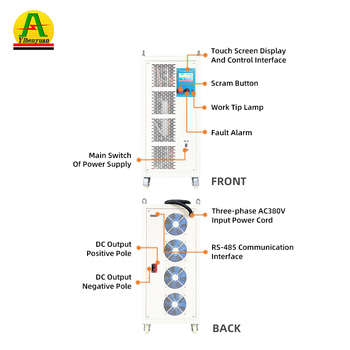
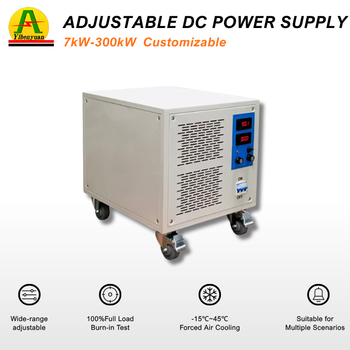
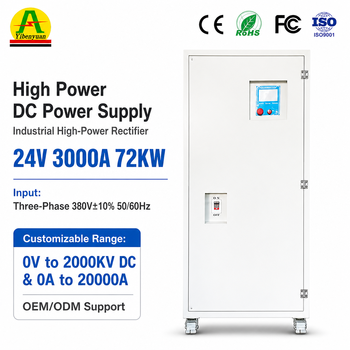
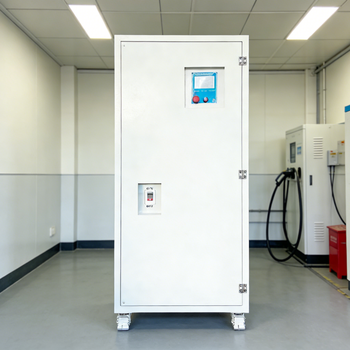
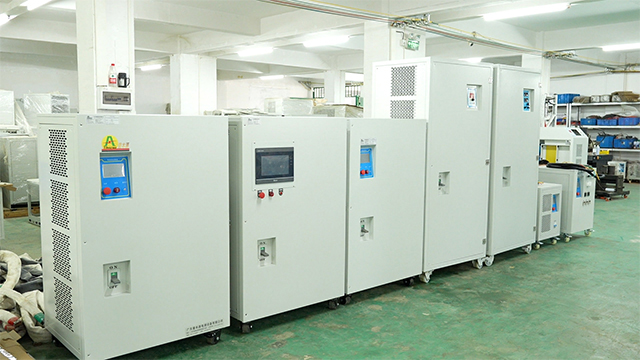
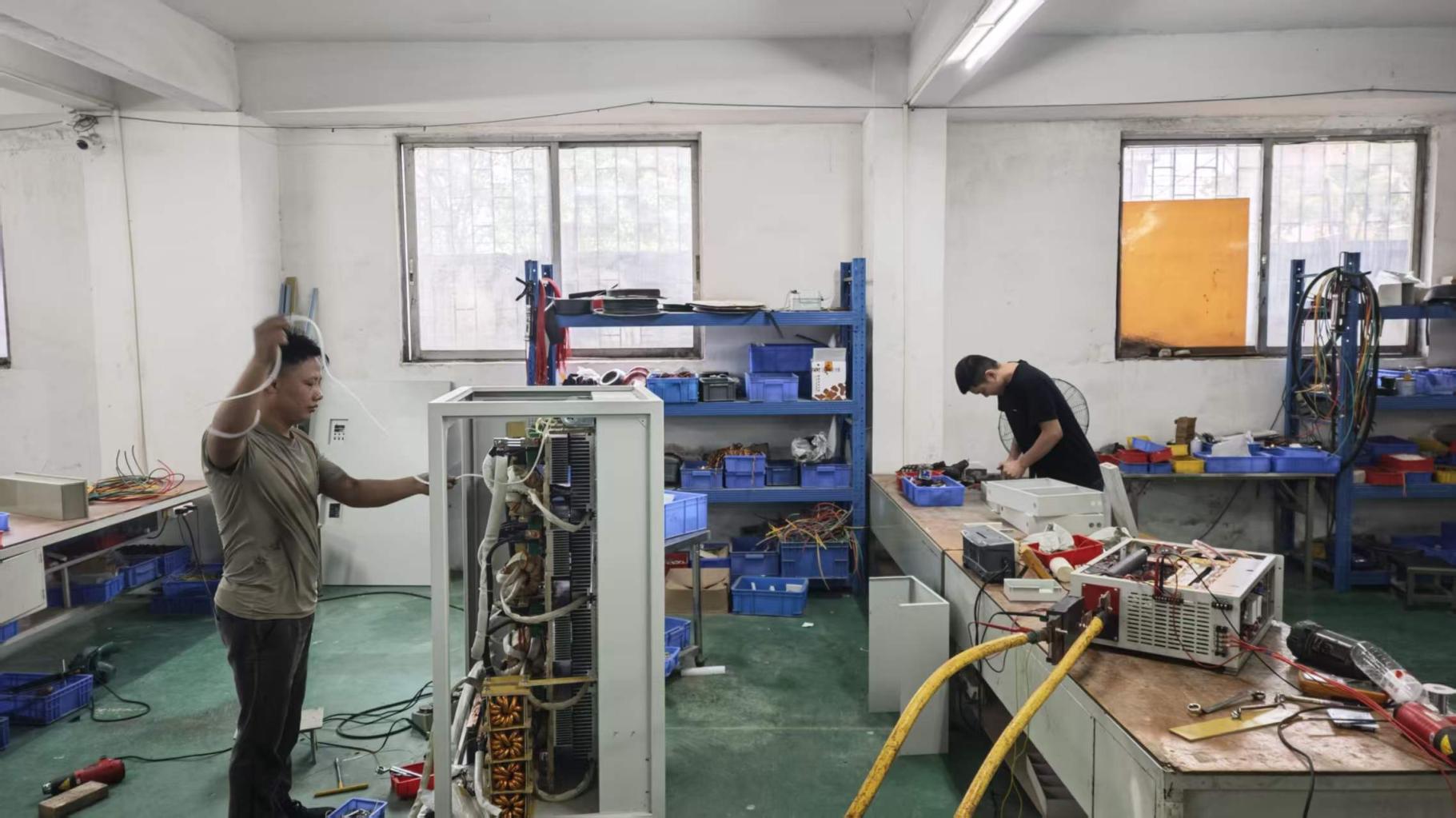
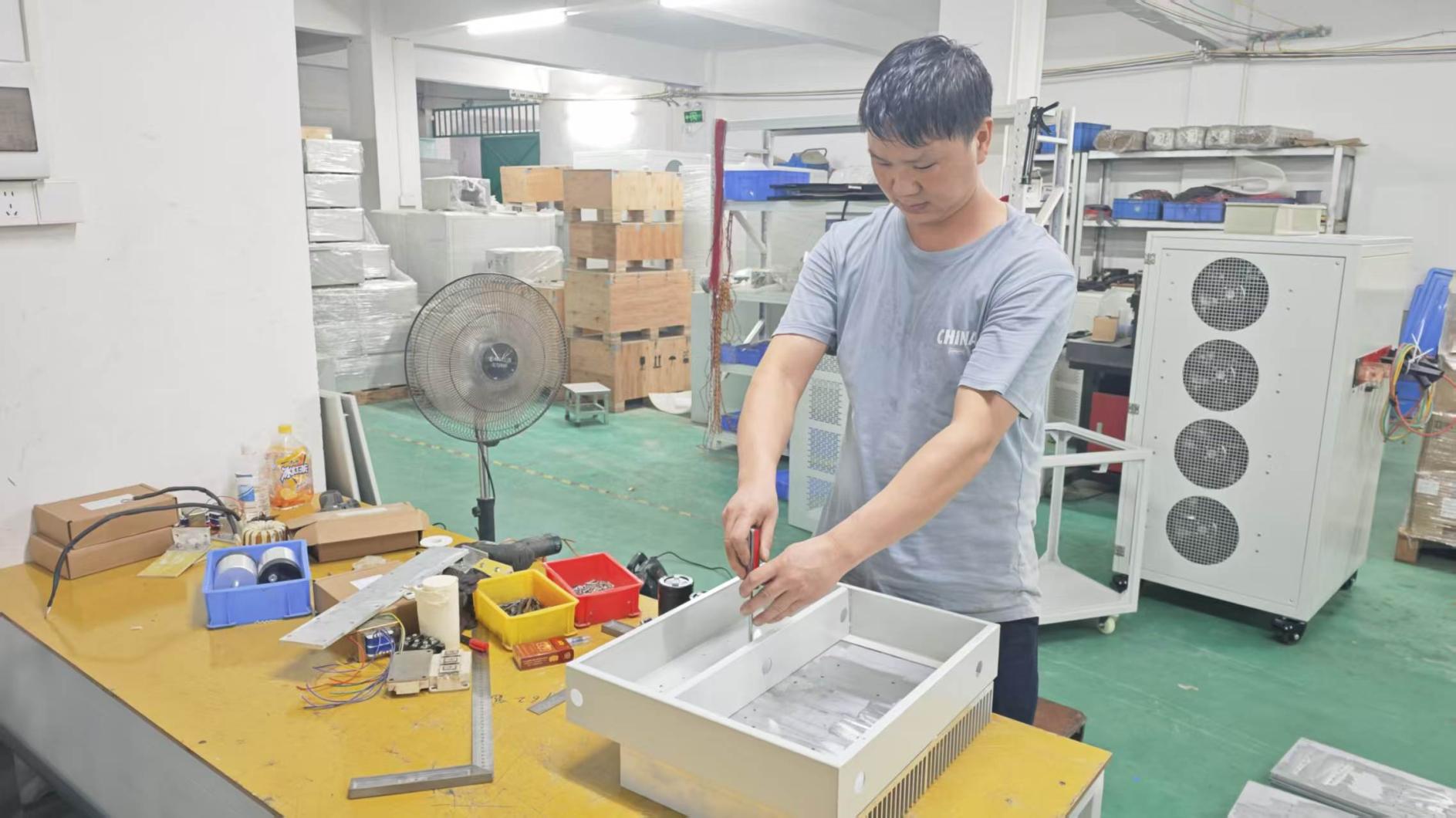
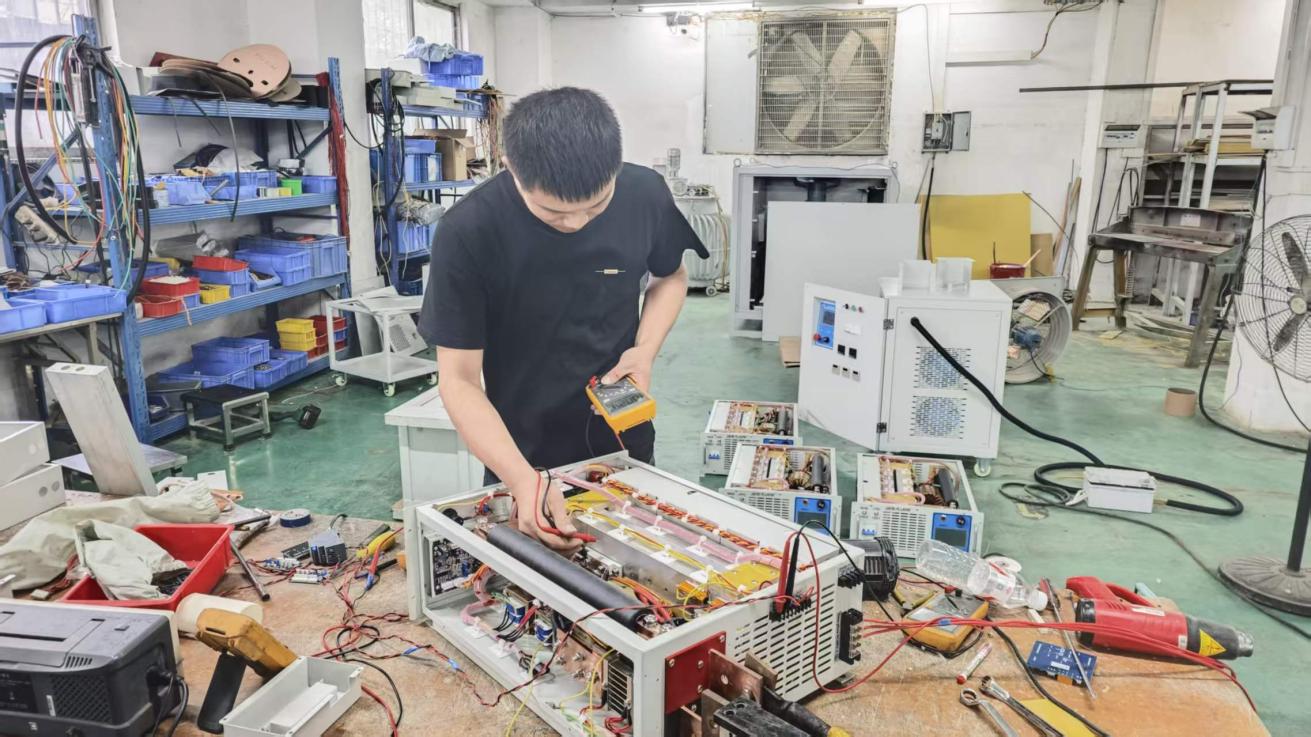
However, the stability, energy-efficiency, and electrode lifecycle of an electrochemical plant directly depend on the electrical precision of the powering switch-mode DC rectifier. Fenvix supplies industrial high-frequency IGBT-based DC power systems directly to engineering contractors, EPC integrators, and plant operations throughout Bosnia and Herzegovina, replacing cumbersome legacy 50Hz silicon-controlled rectifiers (SCR) with modern switch-mode systems demonstrating ~90% electrical efficiency and harmonic factors under 5%.