



Engineering High-Current DC Stability for Surface Finishing Plants in Zagreb
In modern industrial galvanic applications, the direct current power supply is not merely a transformer of electricity; it is the fundamental metallurgical determinant of deposit micro-structure, substrate adhesion, and coating micro-hardness. Across the manufacturing enclaves of Zagreb, Sesvete, Jankomir, and adjacent industrial corridors in Zagreb County (Zagrebačka županija), electroplating operators face demanding regulatory tolerances and rigorous mechanical benchmarks. Whether plating heavy hydraulic cylinders for construction machinery or applying micro-cracked hard chromium to precision moulds, the current delivery must be laminar, ripple-free, and dynamically controlled against aggressive bath impedance variations.
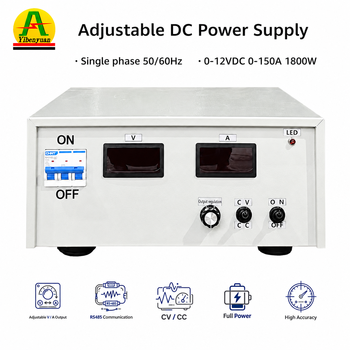
Guangdong Fenvix Technology Co., Ltd. serves industrial buyers and engineering contractors throughout Zagreb with specialized high-frequency switch-mode power supplies (SMPS) based on Insulated-Gate Bipolar Transistor (IGBT) architectures. Unlike legacy Silicon-Controlled Rectifiers (SCR) or thyristor systems that display sluggish transient response and unacceptable current ripple when dialed down below rated outputs, Fenvix high-frequency rectifiers maintain a stable output ripple factor of less than 2% across 10% to 100% of the operational window. This performance prevents burning at sharp corners, eliminates excessive nodular growth, and curtails energy dissipation through parasitic bath heating.
Localized Industrial Applications Across Zagreb & Central Croatia
Zagreb functions as the operational core of Croatia's heavy mechanics, rail assembly, aerospace components, and specialized tooling sectors. Surface finishing plants in this region operate under distinctive operating pressures where bath chemistry balance must interface directly with power supply behavior:
1. Hard Chrome Plating for Automotive and Rail Engineering
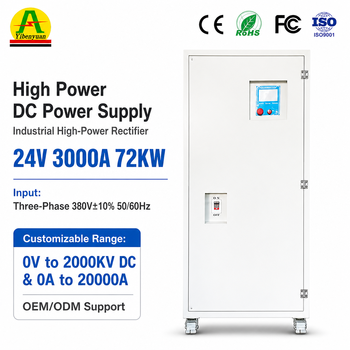
Zagreb hosts established manufacturers and repair hubs supporting rolling stock, rail bogies, hydraulic actuators, and driveline infrastructure. Hard chrome deposition in these applications demands sustained current densities between 30 to 60 A/dm² under operating voltages typically spanning 9V to 15V. Using our 12V 4000A and 15V 6000A water-cooled rectifiers, galvanic lines achieve consistent Vickers microhardness levels exceeding 950–1100 HV0.1. By guaranteeing negligible AC ripple on the DC output, operators prevent premature pinhole development and mitigate hydrogen embrittlement on safety-critical steel substrates.
2. Tool & Die Micro-Cracked Functional Chromium
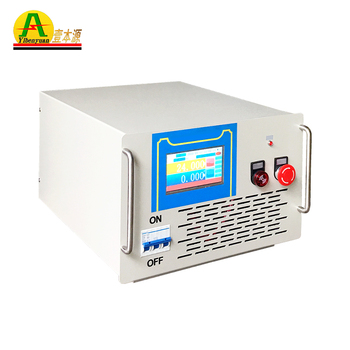
Tooling and plastic injection moulding facilities in Jankomir and Špansko rely on engineered micro-cracked hard chromium deposits to maintain lubricant retention and reduce ejection friction. The Fenvix line of programmable DC switching power supplies features multi-segment ramp-up sequences, permitting plating technicians to apply initial soft-start polarization. This gradual voltage ramp prevents substrate passive attack while establishing uniform initial strike layers before ramping up to the full electrolytic deposition current density.
3. Decorative Chrome & Sanitary Ware Over Multi-Layer Base Metal
Decorative chrome applications on brass and zinc die-cast parts, such as sanitary fittings and architectural hardware manufactured around Zagreb, require rapid flash chrome deposition (0.25 to 0.5 μm) over bright nickel undercoats. The rapid switching speed and dynamic response (≤10ms) of Fenvix IGBT rectifiers prevent "burning" or "milky" passivated defects caused by current overshoot when the rack enters the chromic acid electrolyte.
Technical Consideration for Zagreb Platers: Chromic acid electrolytes (CrO&sub3; / H&sub2;SO&sub4;) possess relatively poor throwing power and an electro-chemical efficiency ranging between 12% and 22%. The remaining 80%+ of electrical energy converts directly to bath heat. By installing an IGBT rectifier with over 90% operating efficiency and minimal electrical phase displacement, Croatian operators dramatically lower ambient heat release and chiller plant electrical load, yielding significant power savings under European industrial energy tariffs.
Regional Trends Driving Power Electronics Upgrades in Zagreb
The manufacturing ecosystem in the Republic of Croatia is moving rapidly toward integration with Industry 4.0 frameworks and adherence to strict European Union environmental directives. Several local developments dictate the current acquisition patterns for DC rectifiers:
Energy Efficiency Upgrades & Decarbonization Mandates
With industrial energy tariffs subject to fluctuations across Europe, legacy oil-cooled or air-cooled thyristor rectifiers—which typically operate at 68% to 75% efficiency and present poor power factors (<0.80) at low-voltage settings—are progressively decommissioned. Fenvix IGBT architectures maintain an efficiency curve above 90% alongside a power factor ≥0.93 across varying loads, enabling platers in Zagreb to achieve tangible reductions in total electrical consumption.
EU Industrial Emissions & RoHS Compliance
While the hard chrome sector works within the stringent parameters of EU REACH authorization for hexavalent chromium (Cr VI) formulations, alternative trivalent chromium (Cr III) processes are emerging. Trivalent baths require exceptionally stable current regulation and tighter volt-ampere envelopes. Fenvix units offer ±0.5% precision current control, providing the necessary operational window should plating facilities adjust chemistry to comply with evolving environmental standards.
SCADA Integration & Automated Plating Lines
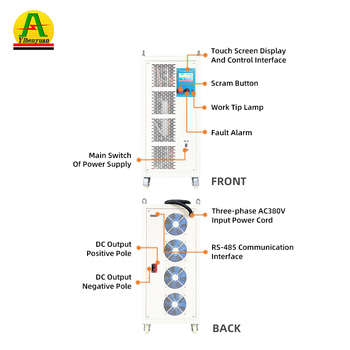
Modernization projects in Zagreb's mechanical finishing sector increasingly demand centralized PLC control. All Fenvix rectifiers integrate standard RS-485 digital communication protocols supporting Modbus-RTU, alongside standard 0-10V or 4-20mA analog interfaces. This enables line operators to automate bath timing, log amp-hour metrics for chemistry replenishment, and execute remote polarity reversal without manual operator intervention at the tank.
Comparative Analysis: IGBT High-Frequency vs. Traditional Thyristor Rectifiers
The following performance benchmark illustrates why surface finishing lines in Zagreb are transitioning from legacy transformer-thyristor topologies to Fenvix IGBT power supplies:
| Engineering Metric | Traditional SCR / Thyristor Units | Fenvix IGBT High-Frequency Switch Mode |
|---|---|---|
| Electrical Conversion Efficiency | 68% – 76% (drops further at reduced current) | ≥ 90% (consistently high across wide operating window) |
| DC Output Ripple Factor | 5% – 10% (exceeds 15% when dialed down) | ≤ 2% full scale (prevents laminar defects and burning) |
| Cabinet Footprint & Mass | Bulky; heavy core transformers; high floor load | Compact; reduced footprint up to 60%; lighter installation |
| Dynamic Step Response Time | Slow (>100 ms to 300 ms response) | Ultra-fast (≤ 10 ms transient recovery) |
| Power Factor (cos φ) | 0.65 – 0.80 (requires external power factor correction) | ≥ 0.93 – 0.96 across varying load states |
| Internal Cooling Design | Frequently open air; vulnerable to acid mist | Fully sealed water-cooling loops or isolated air ducts |
Verified Manufacturing Capabilities: Guangdong Fenvix Technology Co., Ltd.
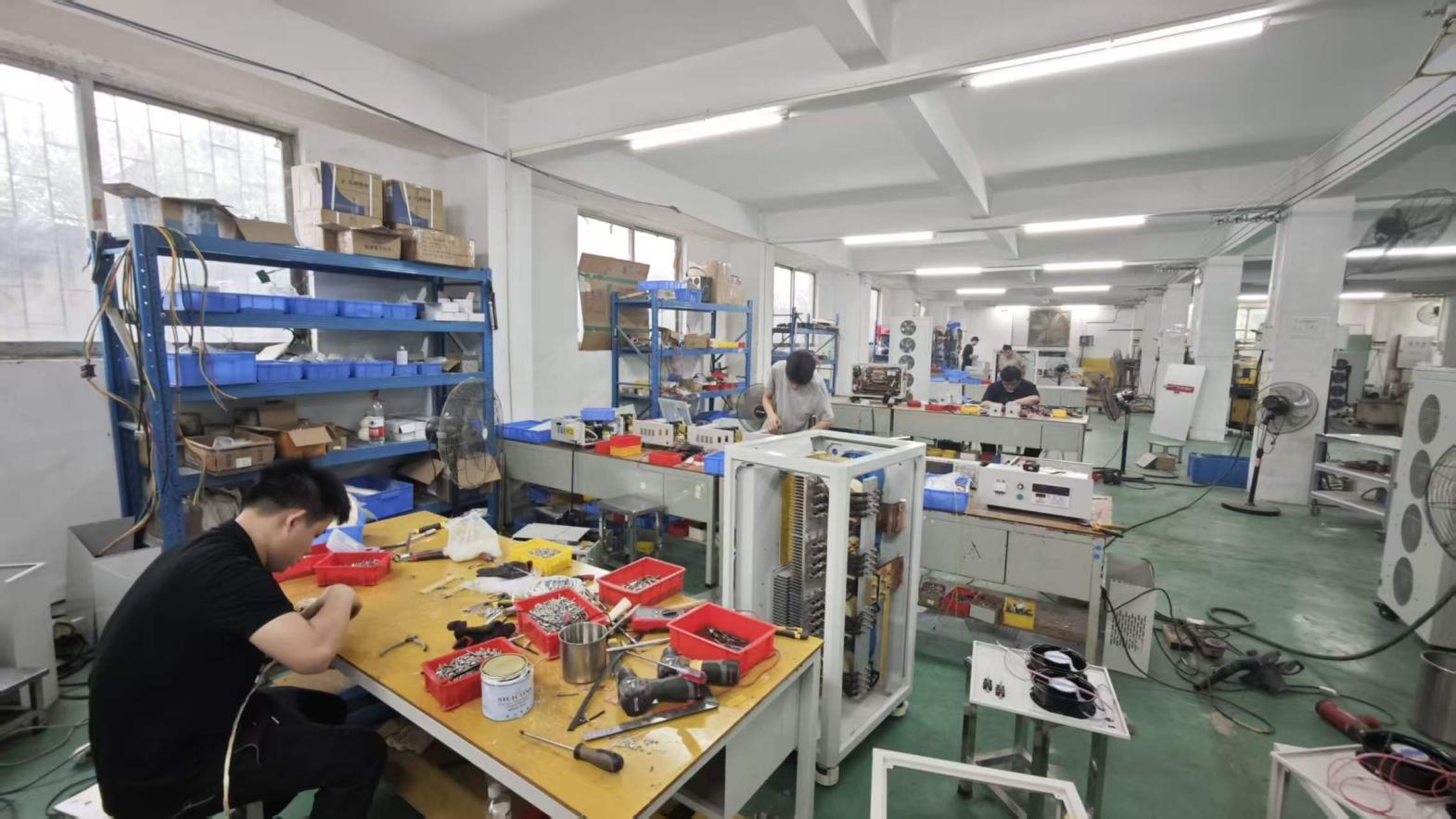
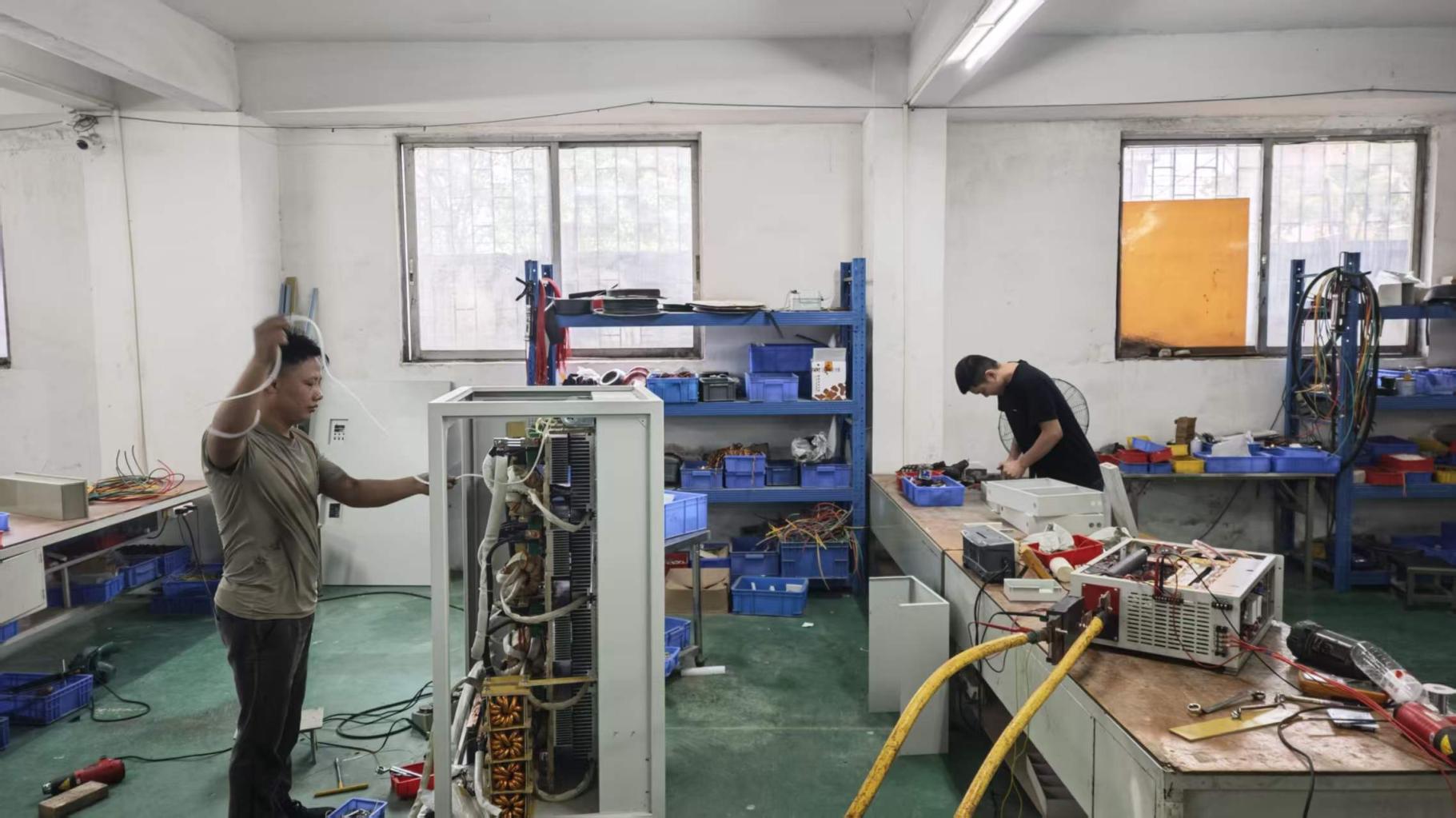
Operating from an established ISO 9001:2015 quality-managed industrial production facility in Guangdong, China since 2013, Guangdong Fenvix Technology Co., Ltd. builds heavy-duty power supplies engineered for demanding operating environments. We handle sheet-metal processing, busbar stamping, winding, and PCB assembly in-house, ensuring mechanical integrity and rigorous quality control over every unit exported to Europe.
TÜV Rheinland Verified
Our manufacturing capacity, production facilities, and operational reliability are independently verified on-site by TÜV Rheinland, providing complete auditing transparency for overseas engineering procurements.
In-House Copper & Metal Fabrication
We operate dedicated plate shearing, CNC punching, milling, drilling, and copper busbar processing units, ensuring that structural cabinets and high-amperage conductors minimize thermal hotspots.
Full-Load Burn-In Validation
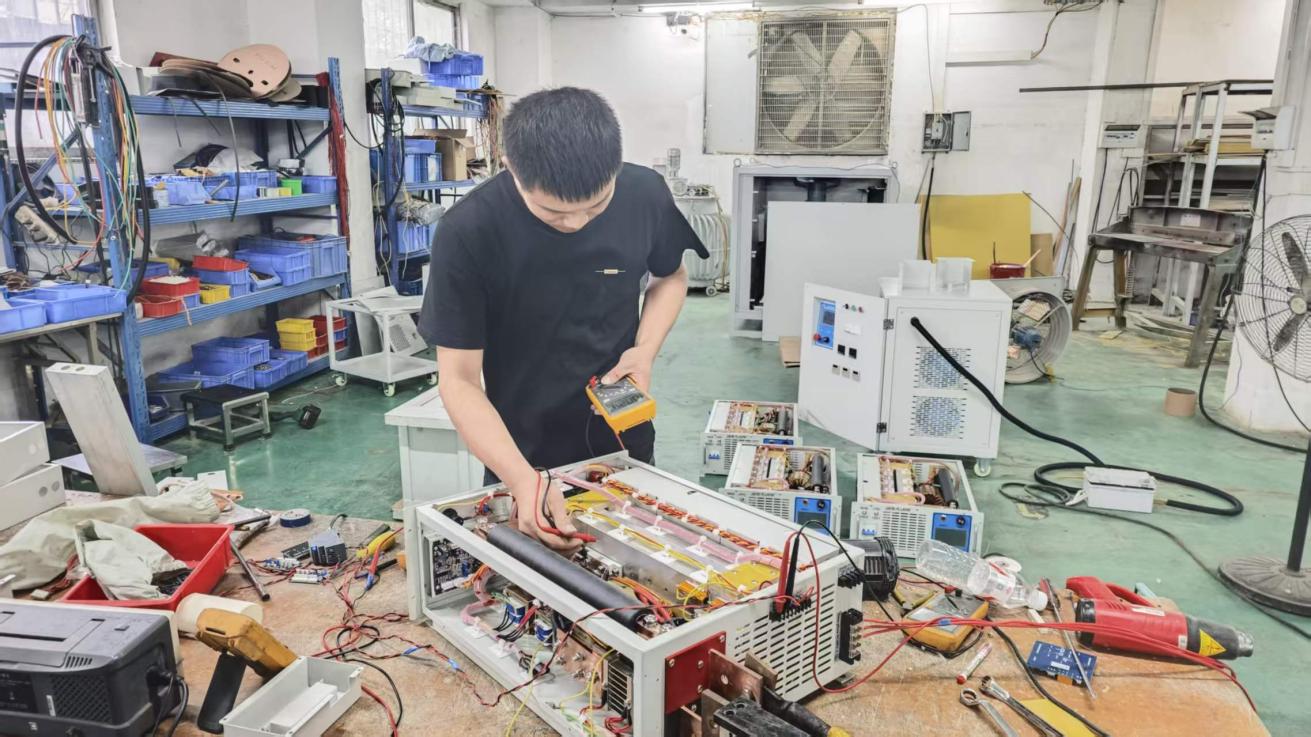
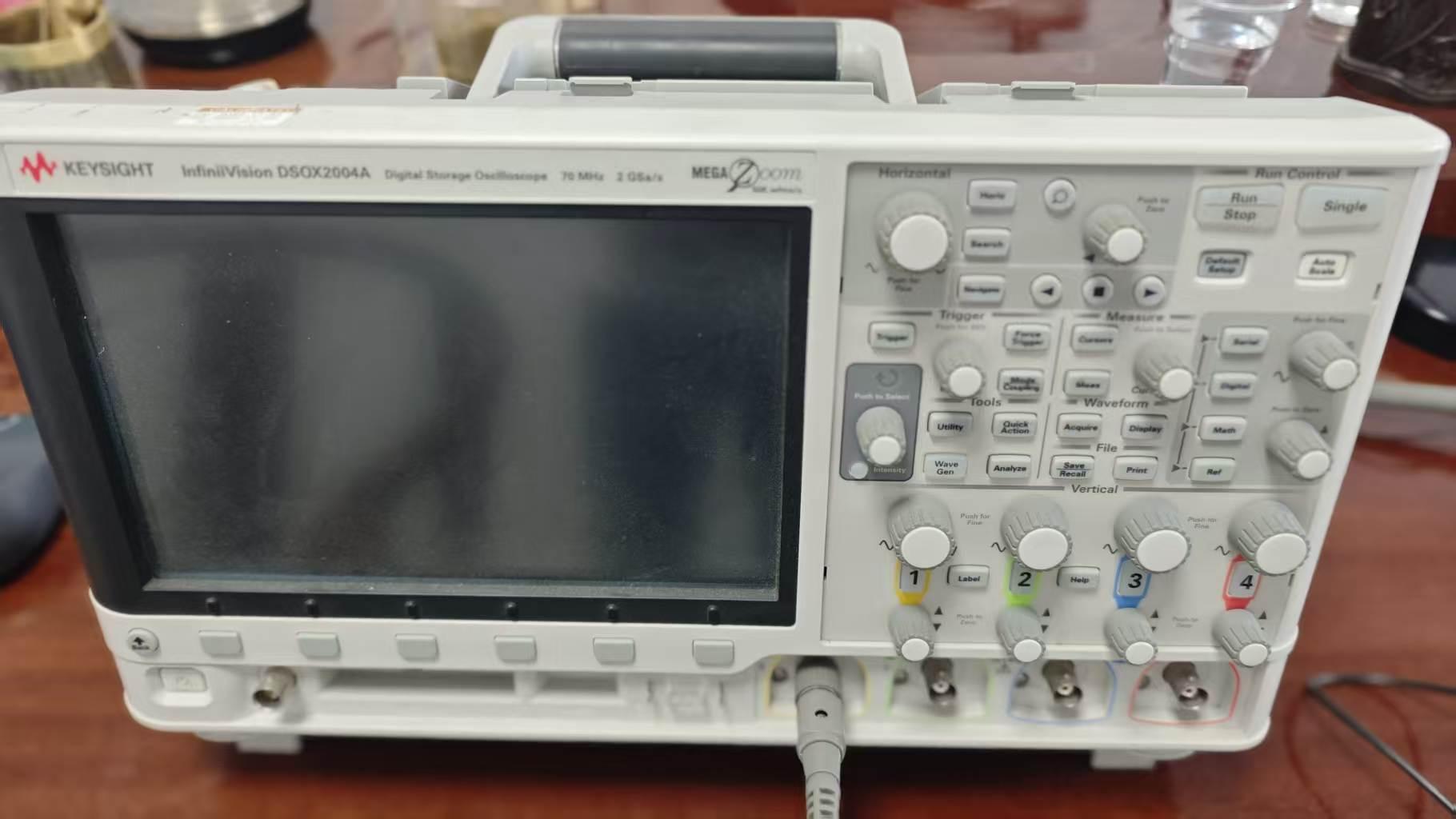
Every rectifier undergoes rigorous oscilloscope ripple verification, insulation resistance testing, and prolonged thermal burn-in under resistive water-load benches prior to export packing.
Frequently Asked Questions: Purchasing Industrial Rectifiers in Zagreb
What specific electrical parameters should platers in Zagreb specify for a chrome line?
1. Input parameters: Standard European industrial grid (typically 380V/400V AC, 3-Phase, 50Hz).
2. DC output profiles: Maximum required operating voltage (e.g., 12V or 15V for chrome) and maximum current (e.g., 3000A, 5000A, or up to 15,000A).
3. Cooling requirement: Forced air-cooling or fully enclosed water-cooling.
4. Communication controls: RS-485 Modbus, Profibus, or standard 0-10V analog signals.
5. Process parameters: Constant Current (CC) or Constant Voltage (CV), periodic reverse requirements, or soft-start profiles.
Why is water cooling recommended over forced air cooling in chrome plating environments?
How do Fenvix power supplies comply with European safety and EMC standards?
What shipping terms, logistics handling, and documentation are provided for deliveries to Croatia?
Does Fenvix enforce a Minimum Order Quantity (MOQ) for custom units?
Modernize Your Surface Finishing Facility in Zagreb
Discuss your operational parameters with our power electronics engineers to determine the optimal current density, ripple performance, and cooling topology for your plating lines.
Get Catalog