Precision Anodic Oxidation & Industrial Finishing Rectifiers
Explore field-tested IGBT switch-mode DC power supply units configured for ultra-dense oxide layer creation, titanium anodizing, hard-coat sulfuric baths, and automated continuous metal finishing.
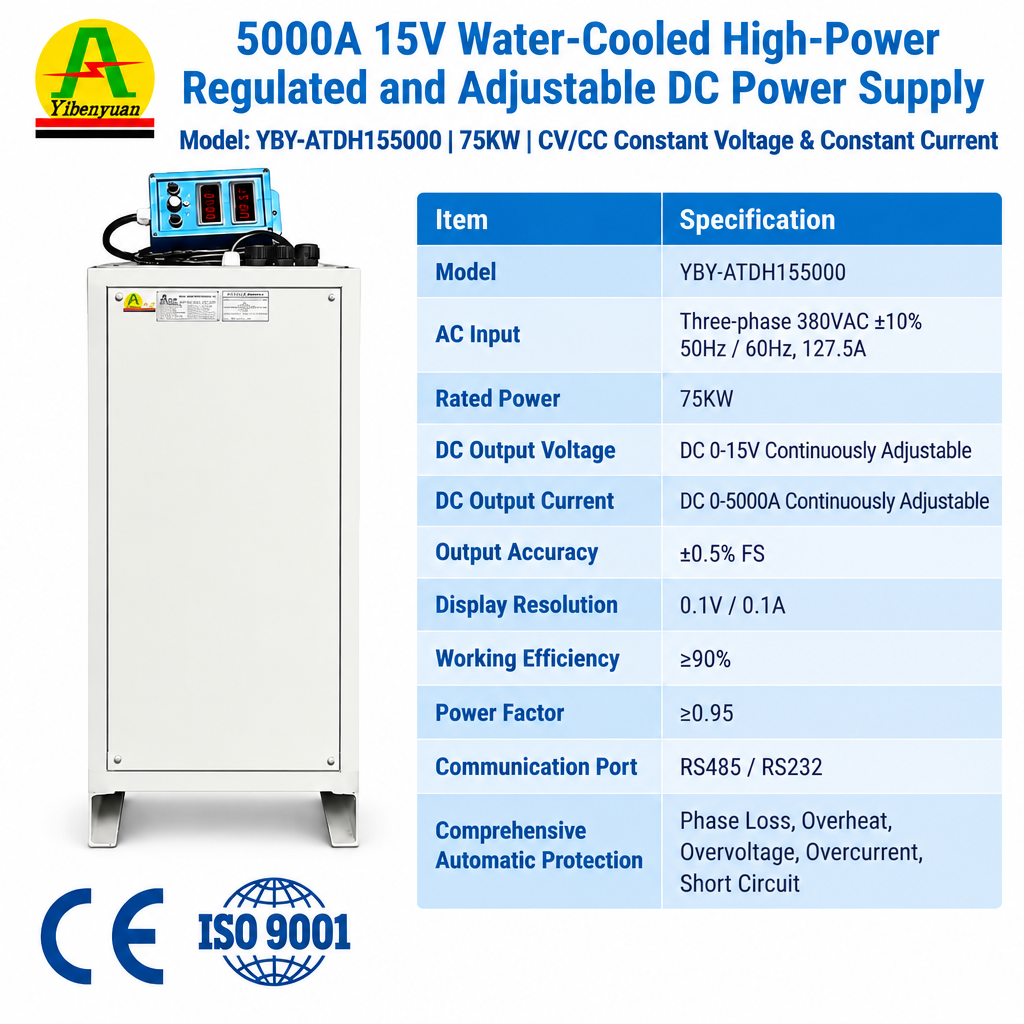
12V/15V 5000A-6000A 75KW High Frequency Rectifier
- Output Rating12V-15V | 5000A-6000A
- Cooling SystemDeionized Water-Cooled
- Control ModesConstant Voltage / CC
- Efficiency Rating≥ 90% at Rated Load
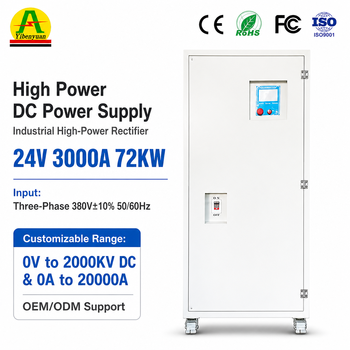
100A–3000A Modular Anodic Oxidation Rectifier
- Voltage Output12V / 24V / Custom DC
- Current DensityRamp-Profile Programmable
- InterfaceRS485 Modbus / Analog
- ApplicationType II & III Hard Anodizing
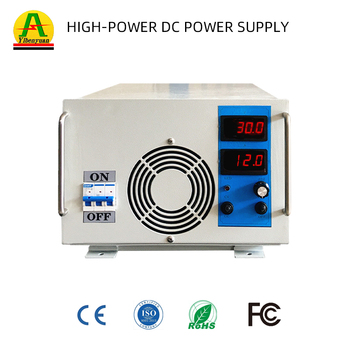
150V 50A Titanium Alloy Anodizing DC Power Supply
- Output Precision150V DC / 50A Steady
- Process CapabilityAMS 2488 Titanium Treatment
- Cooling TopologyForced Air with Air Guide
- Protection TierOVP, OCP, OTP & Phase-Loss
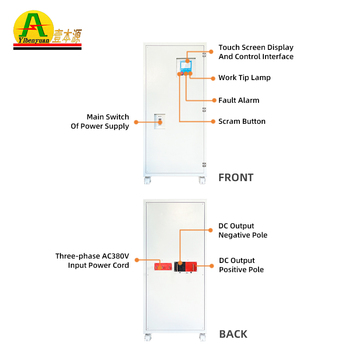
8000A 12V High-Output Water-Cooled Cabinet
- Full Load Output12V DC / 8000A Continuous
- Thermal LoopFully Sealed Liquid Cooling
- Chassis EnclosureAnti-Corrosion Epoxy Steel
- Duty Cycle100% 24/7 Heavy Operation
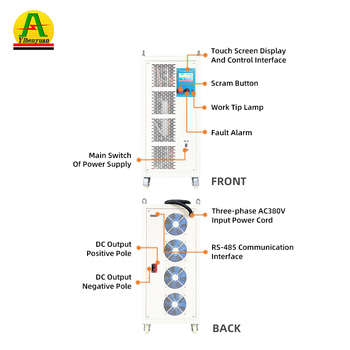
12V 4000A 48kW High-Frequency DC Rectifier
- Output Limits0–12V / 0–4000A Adjustable
- Ripple Factor≤ 2% Full Scale RMS
- Dynamic Response≤ 10ms Step Compensation
- CertificationCE, EMC, LVD Verified
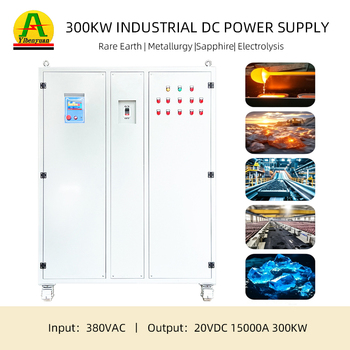
300kW 20V 15000A Heavy Electrolytic Rectifier
- Max Output20V DC / 15,000A
- Power ConversionMulti-Module Interleaving
- Primary Supply3-Phase 380V/480V 60Hz
- Cabinet IngressIP54 Dust & Fume Protected
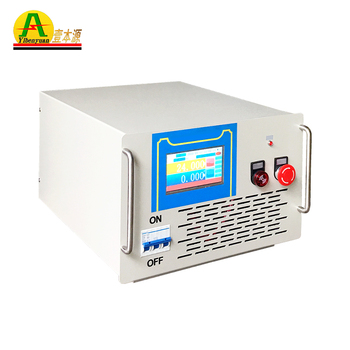
5000W High-Precision Constant-Voltage Power Unit
- Input Compatibility220V / 380VAC Dual Phase
- Voltage Stability±0.5% Load Regulation
- Display TerminalDigital LED Micro-Adjustment
- Coating TypeE-Coat & Micro-Arc Oxidation
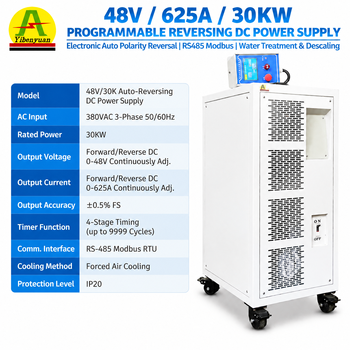
48V 625A 30kW Auto-Polarity Reversing System
- Reversing PeriodProgrammable 1s to 999min
- Power Density30kW High-Efficiency Package
- Network BusRS485 PLC Direct Interface
- ElectrochemicalDescaling, Pickling & Anodic Clean
Engineering Whitepaper: Power Conversion Demands in San Antonio’s Industrial Corridor
A deep-dive technical assessment into anodic oxidation rectifier performance requirements across Bexar County, South Texas, and the Interstate 35 manufacturing ecosystem.
1. Localized Application Landscapes: Aerospace, Defense, and Heavy Commercial Fabrications
The San Antonio, Texas industrial sector has firmly cemented its reputation as a powerhouse for aerospace maintenance, repair, and overhaul (MRO), defense logistics, military installations (Joint Base San Antonio, Kelly Field), and specialized automotive manufacturing along the southern manufacturing triangle. Within this operational footprint, the technical criteria for aluminum finishing, chemical film application, and titanium surface modification are governed by demanding specifications such as MIL-A-8625 Type II (sulfuric acid anodizing), Type III (hard-coat anodizing), and AMS 2488 (aerospace titanium anodizing).
Surface finishing plants in the San Antonio basin frequently encounter challenges associated with thermal stress, power grid fluctuations during high-summer air conditioning loads, and the necessity to sustain micro-toleranced oxide barrier growth across complex structural aerospace extrusions. Legacy silicon-controlled rectifiers (SCR) or thyristor-based power systems—still widely found throughout older Texas finishing shops—suffer from substantial ripple currents (>5% to 8% RMS) at reduced output voltages. In hard anodizing baths where current density control is paramount, excessive ripple generates localized micro-arcing, burning of deep fillet radii, and uncontrolled thermal dissipation within the delicate anodic cell wall.
Direct supply from specialized Chinese OEM factories provides San Antonio surface treaters with advanced High-Frequency Switch-Mode Rectification (SMPS) utilizing high-speed Insulated Gate Bipolar Transistors (IGBT). Operating at carrier frequencies between 20kHz and 50kHz, these rectifiers constrain voltage and current ripple to below 2% across the entire linear load envelope. This high-frequency stability guarantees uniform pore initiation and controlled oxide column growth, preventing localized burning in critical parts destined for civil aircraft components, defense ground vehicles, and heavy-duty industrial assemblies.
2. Strategic Market Trends Shaping San Antonio Surface Finishing (2025–2030)
Three principal macroeconomic and technological vectors are reshaping the procurement parameters for industrial DC power supplies throughout the San Antonio and wider Texas manufacturing markets:
A. Decarbonization and Grid Operational Efficiency: Industrial energy costs across ERCOT (Electric Reliability Council of Texas) grids have experienced sharp peak-rate escalation during extended summer heatwaves. Industrial finishing operations operating SCR units operate at average power efficiencies between 70% and 78%, dumping thousands of kilowatts into ambient shop air as waste heat—drastically increasing facility chiller loads. Fenvix IGBT rectifiers maintain ≥90% operating efficiency across 40% to 100% duty cycles, drastically reducing primary kilowatt-hour consumption and lowering ambient heat loading around critical chilled sulfuric tanks.
B. SCADA Automation and Digital Traceability (Industry 4.0): San Antonio's primary aerospace contractors demand end-to-end parametric tracking of voltage ramp profiles, bath current densities, and dwell temperatures. Direct PLC integration via RS485 Modbus-RTU, Profibus, or standard 0-10V / 4-20mA analog buses is mandatory. Modern Chinese wholesale manufacturers integrate multi-step automatic ramp-up sequences, permitting plating engineers to establish linear, stepped, or exponential current-density profiles without human operator intervention, yielding infallible process repeat-accuracy for Nadcap audits.
C. Water-Cooled Protection Against Hostile Environments: Atmospheric humidity combined with aggressive airborne sulfuric, chromic, and nitric acid fumes in San Antonio facilities quickly degrades typical air-cooled electronics, corroding fan bearings, heat sinks, and PCB traces. The growing regional trend is the adoption of totally enclosed, deionized water-cooled cabinet architectures (IP54 to IP55 ratings). Liquid-cooling removes electrical components from the corrosive chemical vapor path, prolonging equipment operational lifespans beyond 10–15 years of continuous multi-shift production.
| Performance Dimension | Legacy SCR / Thyristor Rectifier | Fenvix High-Frequency IGBT Rectifier | Benefit to San Antonio Facilities |
|---|---|---|---|
| Conversion Efficiency | 70% – 78% (Substantial Heat Loss) | 90% – 93% High Efficiency | Cuts monthly ERCOT electricity usage; saves chiller capacity |
| Ripple Factor (RMS) | 5% – 12% (Particularly at Low Voltages) | ≤ 2% Full Range Smooth DC | Prevents burning; produces tighter, denser oxide pores |
| Current Ramp Control | Manual / Analog Stepped Controls | Microprocessor-Controlled Digital Profile | Full compliance with Nadcap & MIL-A-8625 Type III schedules |
| Cabinet Footprint & Mass | Massive Heavy Core / High Space Occupancy | 60% Smaller / Lightweight Enclosure | Frees floor space for additional process tanks & rinse stations |
| Fume & Heat Resistance | Exposed Air Blower Configurations | Sealed Water-Cooled Direct Heat Exchanger | Impervious to hot, acid-laden plant atmospheres |
Enterprise Advantages: Direct China OEM/ODM Manufacturing
Guangdong Fenvix Technology Co., Ltd. eliminates third-party supply chain friction, offering deep engineering agility, audited quality control, and custom integration for global commercial and military projects.
ISO 9001 & TÜV Rheinland On-Site Audited
Our production facilities in Guangzhou, Guangdong undergo thorough on-site verification by TÜV Rheinland. Certified to ISO 9001 standards, our processes guarantee strict incoming raw-material inspection, sub-assembly staging, and verified component traceability.
In-House Mechanical & Electrical Fabrication
We execute internal CNC shearing, laser punching, milling, drilling, and busbar bending in our dedicated workshop. By managing cabinet metalwork and heavy copper busbar fabrication internally, we guarantee rigid thermal tolerances and shorter lead times.
Full Load Burn-In & Oscilloscope Validation
Every single power unit is subjected to sustained dynamic load testing under rigorous temperature conditions. We verify waveform stability, ripple suppression, peak switching behaviors, and safety interlocks prior to crating for ocean or air freight.
Zero Minimum Order Quantity (No MOQ)
We acknowledge that specialized aerospace finishing frequently demands bespoke prototyping or replacement of a single legacy cabinet. Fenvix provides end-to-end engineering, custom programming, and factory support starting at a single unit quantity.
Engineered for Texas Electrical Protocols
Standard export topologies are specifically built for North American grid standards: 480VAC 3-Phase 60Hz or 240VAC 3-Phase inputs. Control systems include UL/CE-grade components with isolated electronics, reducing sensitivity to local grid voltage spikes.
Complete International Logistics Handling (DDP San Antonio)
From FOB Shenzhen to direct Delivered Duty Paid (DDP) freight handling to your loading dock in San Antonio, Austin, or Schertz, our logistics desk manages customs clearance, ISF filings, export packaging, and sea container dispatch seamlessly.
San Antonio Procurement FAQ: Anodic Oxidation Rectifiers
Essential engineering and logistical considerations compiled for plant managers, electrical engineers, and purchasing directors in the South Texas market.
What parameters must San Antonio buyers supply for custom rectifier engineering?
Why is water-cooled IGBT technology preferable to air-cooled in South Texas facilities?
How does low current ripple impact MIL-A-8625 Type III Hard Coat compliance?
What international trade terms (Incoterms) and payment structures are supported?
How is technical commissioning, remote support, and spare parts handling structured?
Request a Factory-Direct Technical Specification & Quotation
Whether you are outfitting a high-volume aerospace anodizing line in San Antonio, upgrading an automotive galvanizing line, or commissioning an electro-cleaning bath, our Guangdong engineering center delivers custom DC power systems built to exact process specifications.
Send an Inquiry