Precision Pulse & High-Current Rectification Units
Engineered in our Guangdong manufacturing facility for direct deployment in mining hydrometallurgy, hard anodizing, surface electro-finishing, and test bench automation across Mongolia.
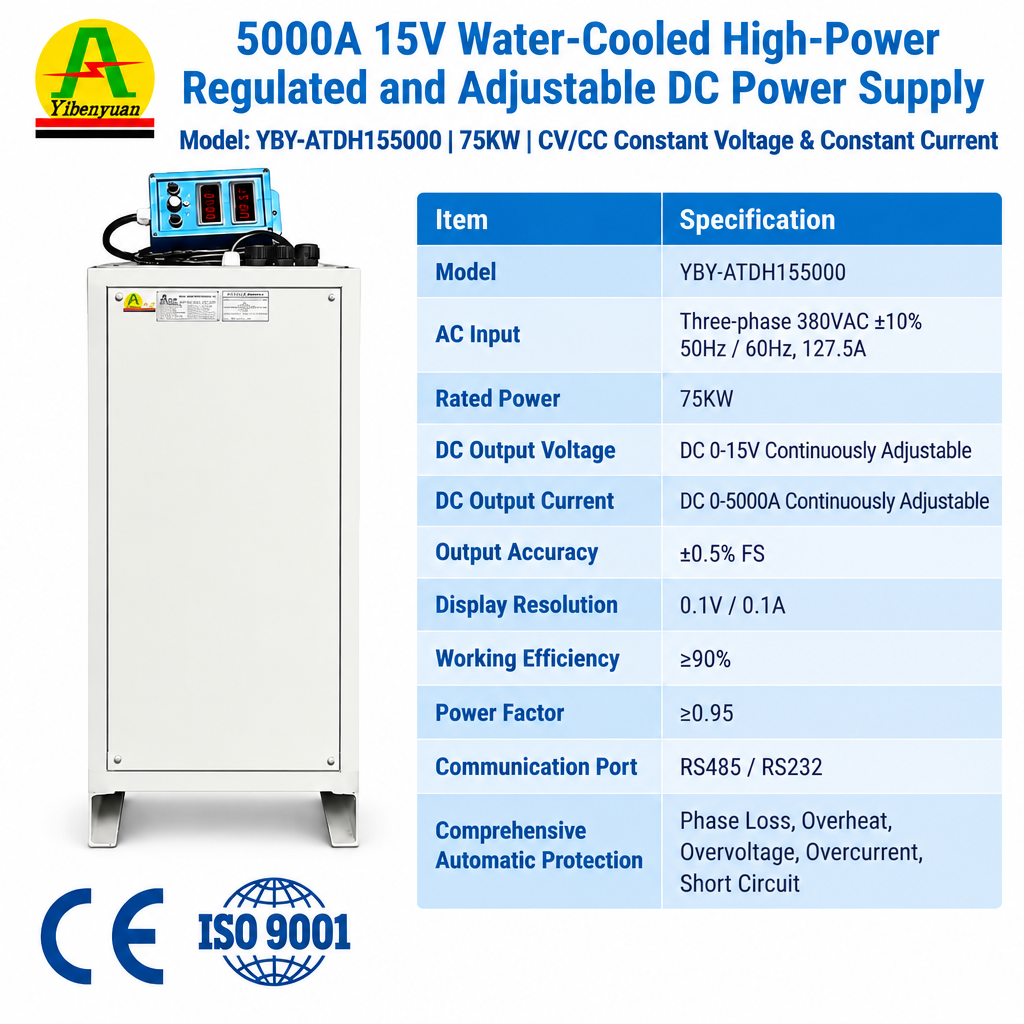
12V/15V 5000A–6000A 75kW Water-Cooled Rectifier
- Topology: High-Frequency IGBT
- Output Range: 0–15V / 0–6000A
- Cooling: Deionized Closed-Loop Water
- Protection: IP54 Sealed Cabinet
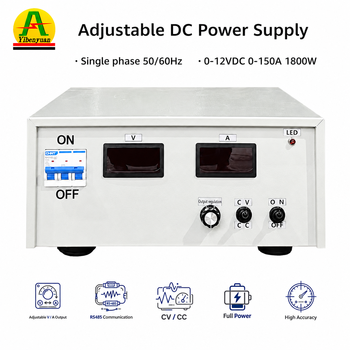
12V 150A High-Frequency Pulse Plating Unit
- Control Mode: Constant Current / Constant Voltage
- Application: Precious Metals, Gold/Silver
- Ripple Factor: < 1% Low Ripple
- Certification: CE, LVD, EMC Compliant
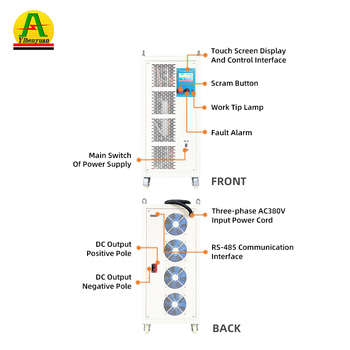
12V 4000A 48kW Continuous Plating Rectifier
- Power Capacity: 48kW Full Load Rated
- Input Compatibility: 380V ±15% 3-Phase AC
- Interface: RS485 Modbus RTU / Analog
- Duty Cycle: 100% 24/7 Continuous Duty
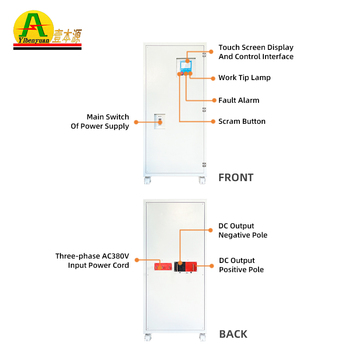
8000A 12V High-Output Galvanizing Rectifier
- Cooling Medium: Industrial Water Circulation
- Current Output: Stepless 0–8000A Adjustable
- Thermal Protection: Multi-Zone Overheat Cutoff
- Chassis: Anti-Corrosive Epoxy Powder Coat
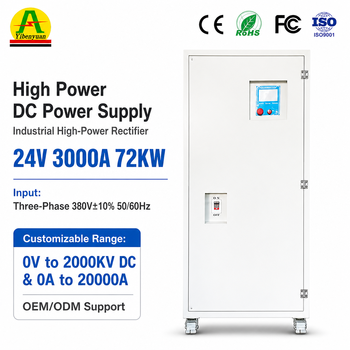
100A–3000A Anodic Oxidation Pulse Rectifier
- Voltage Setup: 12V / 24V / 60V Scalable
- Waveform: Programmable Pulse / DC Hybrid
- Soft Start: 0–999s Adjustable Ramp
- Target: Aluminum Hard Coating & Titanium
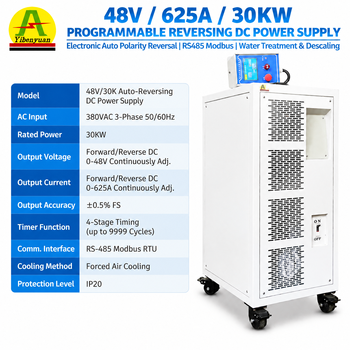
48V 625A Auto-Polarity Reversing Pulse Unit
- Reversing Speed: Microsecond Electronic Switch
- Timer Cycles: Independent Forward/Reverse Set
- Power Capacity: 30kW Industrial Module
- Function: Descaling, Mine Water Flocculation
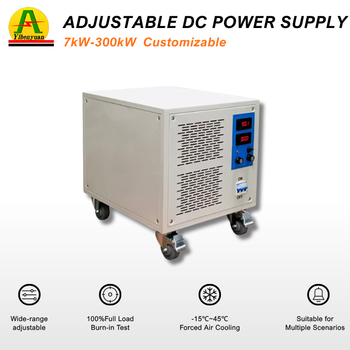
800V 50A 20kW Programmable HV DC Source
- Output Configuration: 0–800V / 0–50A Wide Range
- Efficiency: ≥ 92% at Full Thermal Load
- Interface: Ethernet, RS485, 0–10V Analog
- Usage: Mine Equipment EV & Traction Test
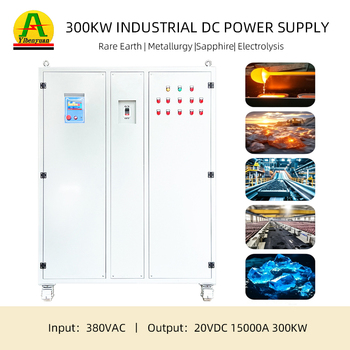
300kW 20V 15000A Heavy Electrolysis Rectifier
- Ultra-Current: 15,000A Continuous Rating
- Primary Architecture: Modular Dual-Loop IGBT
- Cooling Standard: Forced Pure Water Heat Exchanger
- Busbar: T2 Grade Pure Red Copper Assembly
Sourcing High-Reliability Pulse Power Supplies: China to Mongolia
In modern industrial electrochemical refinement, pyrometallurgy conversion, and specialized surface modification, switching from obsolete Silicon Controlled Rectifiers (SCR / Thyristors) to high-frequency pulse-width modulated (PWM) insulated-gate bipolar transistor (IGBT) power systems represents a critical technological pivot. For enterprises operating within Mongolia—spanning the mineral-dense corridors of the South Gobi (Ömnögovi), the heavy metallurgical clusters of Erdenet, and industrial manufacturing sites surrounding Ulaanbaatar and Darkhan—procuring heavy-duty, customized pulse power supplies directly from premier Chinese manufacturing facilities has become the gold standard for operational efficiency, equipment longevity, and capital return on investment.
Guangdong Fenvix Technology Co., Ltd. (operating since 2013) stands at the forefront of this industrial transition. By synthesizing advanced high-power power electronics engineering with rigorous ISO 9001:2015 quality control systems and third-party verified on-site standards (TÜV Rheinland), Fenvix manufactures bespoke power supply solutions capable of surviving Mongolia’s uniquely punishing environmental realities. This whitepaper serves as an exhaustive technical and procurement evaluation framework for Mongolian project managers, metallurgical engineers, plant directors, and supply chain executives seeking high-performance rectification architectures directly from China’s leading industrial power supply manufacturing hub.
"Mongolia’s severe continental swings—ranging from -40°C winter permafrost to +38°C arid summer dust storms—demand power conversion electronics that transcend off-the-shelf consumer or light-industrial assemblies. True operational survivability requires custom conformal coatings, integrated de-icing cabinet thermals, sealed loop heat exchangers, and expansive harmonic tolerance."
1. The Electrification of Mongolian Industrial Sectors
Mongolia’s economic acceleration is inextricably bound to high-energy industrial processing. The historic paradigm of shipping unrefined raw concentrates across international borders is actively giving way to domestic hydrometallurgical processing, solvent extraction-electrowinning (SX-EW), gold electro-chlorination, copper refining, and downstream maintenance infrastructure. These advanced chemical and metallurgical reactions depend heavily upon the precision of applied electromagnetic energy.
Copper & Gold Hydrometallurgy
SX-EW copper facilities and precious metal recovery circuits require ultra-high current densities with programmable microsecond forward and reverse pulsing to eliminate dendritic nodulation and accelerate cathode throughput.
Mine Effluent Water Recovery
Water conservation across the arid Gobi requires electrochemical descaling and electrocoagulation. Fast-polarity-reversing pulse supplies automatically strip calcification and mineral scaling off reactor plates without toxic acid washes.
Surface Hardening & Machinery MRO
Mining heavy machinery repair facilities in Ulaanbaatar and Darkhan deploy high-current hard chrome electroplating and hard anodizing to rehabilitate high-wear bucket teeth, hydraulic rams, and oversized turbine assemblies.
When applying direct current (DC) in complex electrolytes, high-mass ion migration builds boundary-layer concentration polarization, resulting in uneven crystalline lattice formation, pinholes, thermal runaway, and significant power wastage. High-frequency pulse power supplies resolve this by interrupting current flow with microsecond precision. During the "pulse-off" or reverse-polarity phase, ion concentrations in the diffusion layer recover, permitting extraordinarily dense, homogenous, and defect-free metallic deposition while cutting overall electrical usage by 15% to 28% compared with legacy transformer architectures.
2. Engineering Challenges: Deploying Power Electronics in Mongolia
Procuring electronic capital assets for Mongolian installations involves technical constraints unfamiliar to coastal or temperate operations. Chinese manufacturers with pure catalogue trading models frequently encounter high field failure rates when exporting generic equipment to Ulaanbaatar or regional aimags. Fenvix addresses these specific localized stressors at the root engineering phase:
Sub-Zero Thermal Stresses & Extreme Temperature Fluctuation
Ambient conditions in winter drop below -35°C to -45°C. At these extreme low temperatures, conventional electrolytic capacitors experience drastic electrolyte viscosity increases, leading to a catastrophic collapse of capacitance and spiking equivalent series resistance (ESR). Standard soldering joints become embrittled, and liquid cooling channels freeze and rupture. Fenvix engineers integrate internal thermostatically managed anti-condensation ceramic strip heaters, industrial solid-state film capacitors rated down to -50°C, and secondary glycol/water heat exchange systems that prevent phase transition within cooling pathways during line shutdowns.
Airborne Dust & Coal Ash Particulates
In proximity to open-pit mining complexes like Oyu Tolgoi, Tavan Tolgoi, or Baganuur, ambient air contains elevated concentrations of conductive carboniferous coal dust and abrasive silica particles. Standard forced-air cooled power supplies pull these particulates directly across gate-driver electronics and IGBT heatsinks, inducing dielectric breakdown and short circuits. Fenvix solves this by manufacturing totally isolated, IP54/IP55-rated enclosures utilizing closed-circuit liquid cooling plates. The internal air volume remains completely segregated from the exterior environment, dumping internal heat directly into a secondary heat exchanger.
Remote Grid Instability & Harmonic Interference
Mongolian regional substations—frequently fed through extensive single-circuit overhead transmissions spanning hundreds of kilometers—exhibit notable phase imbalance, severe line sags, harmonic distortion, and voltage spikes when large draglines or ball mills spin up. Fenvix pulse rectifiers integrate oversized 3-phase diode/thyristor input stages capable of continuous operation across a wide voltage window (380V ±20%), paired with internal EMI/RFI filtration and active power factor correction (PFC ≥ 0.95), shielding the system from severe grid harmonics.
| Operational Metric | Traditional SCR / Diode Rectifier | Generic Commercial Inverter | Fenvix Engineered Mining-Grade Pulse |
|---|---|---|---|
| Electrical Efficiency | 68% – 74% (Significant thermal waste) | 84% – 88% (Moderate efficiency) | 90% – 94% (Optimized IGBT Stage) |
| Current Output Ripple | High (≥ 5% to 15%) | Standard (~ 3%) | Ultra-Low (≤ 1% True Pulse Shape) |
| Cold Start Performance | Poor (Prone to diode failure below -10°C) | Fails (Capacitor ESR triggers fault) | Pre-Heated Enclosure to -45°C Rated |
| Environmental Ingress | Typically IP20/IP31 (Open Vent) | IP40 (Fan Filtered Only) | IP54 Sealed Cabinet + Water-Cooled Loops |
| Process Deposition Rate | Baseline standard speed | Moderate improvement (+10%) | +25% to +40% Throughput via Pulse Timing |
| Footprint & Cabinet Mass | Excessive (Heavy copper transformers) | Compact but fragile | 60% Smaller Mass, Modular Redundancy |
3. Specialized Applications Across Mongolia’s Strategic Corridors
Copper & Rare Earth Solvent Extraction-Electrowinning (SX-EW)
Mongolia’s massive copper porphyry deposits necessitate high-current continuous electrowinning cells. Traditional DC application often generates rough, nodular copper deposits that trap lead and sulfur impurities from anodes, lowering cathode grade below London Metal Exchange (LME) Grade A standards. By implementing Fenvix high-current IGBT pulse rectifiers (such as our 15,000A / 20V modules), operators introduce precise micro-interruptions that disperse hydrogen bubbles from the cathode face, suppress dendrite growth, and achieve smooth, ultra-dense copper plating with lower specific energy consumption (kWh per ton of metal deposited).
Gold Carbon-in-Leach (CIL) and Zadra Desorption Electrowinning
In gold recovery operations throughout the Zaamar and North Khentii gold belts, pregnant eluate solutions require high-recovery electrochemical stripping onto steel wool cathodes. Fenvix supplies digital constant-current/constant-voltage (CC/CV) pulse rectifiers that allow metallurgical operators to program exact voltage thresholds, preventing iron precipitation while maximizing gold recovery rates even at low electrolyte concentrations.
Electrochemical Effluent Remediation & Descaling in Arid Zones
Water stewardship in the Gobi desert is legally and environmentally stringent. Industrial mine dewatering and processing plants generate hypersaline, heavy-metal laden effluent. Deploying Fenvix automated polarity-reversing power supplies allows electrocoagulation systems to operate autonomously. By reversing the polarity every few seconds or minutes (via microprocessor-controlled IGBT bridge switching rather than mechanical contactors), mineral scale build-up on titanium/iron electrode plates is continuously self-cleansed, providing 24/7 uninterrupted flocculation without plant stoppages.
Aviation & Defense Static Ground Power at Ulaanbaatar Hubs
Beyond mining, Mongolia’s aviation gateways—including Chinggis Khaan International Airport (UBN)—require robust solid-state 400Hz frequency converters and 28.5V DC Ground Power Units (GPUs). Fenvix systems convert raw utility inputs into pure sine-wave 115V/200V 400Hz power to support civilian airliners, cargo transports, and emergency helicopters during sub-zero tarmac operations without needing fossil-fueled auxiliary power units (APUs).
4. Behind the Build: Guangdong Fenvix Factory Strengths
When sourcing mission-critical equipment from China, overseas buyers must differentiate between commercial trading aggregators and authentic manufacturing enterprises. Guangdong Fenvix Technology Co., Ltd. operates a dedicated 3,000-square-meter modern production facility located in Guangzhou, Guangdong Province—the epicenter of China's advanced power electronics and precision hardware supply network.
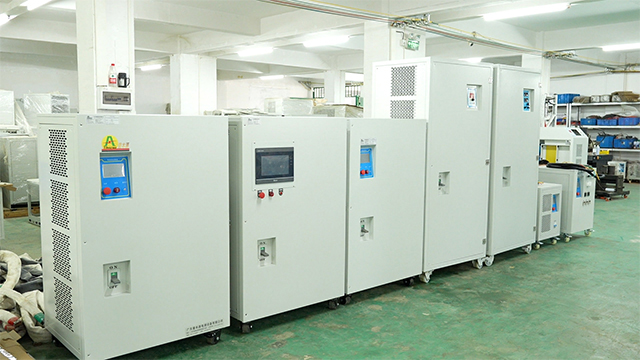
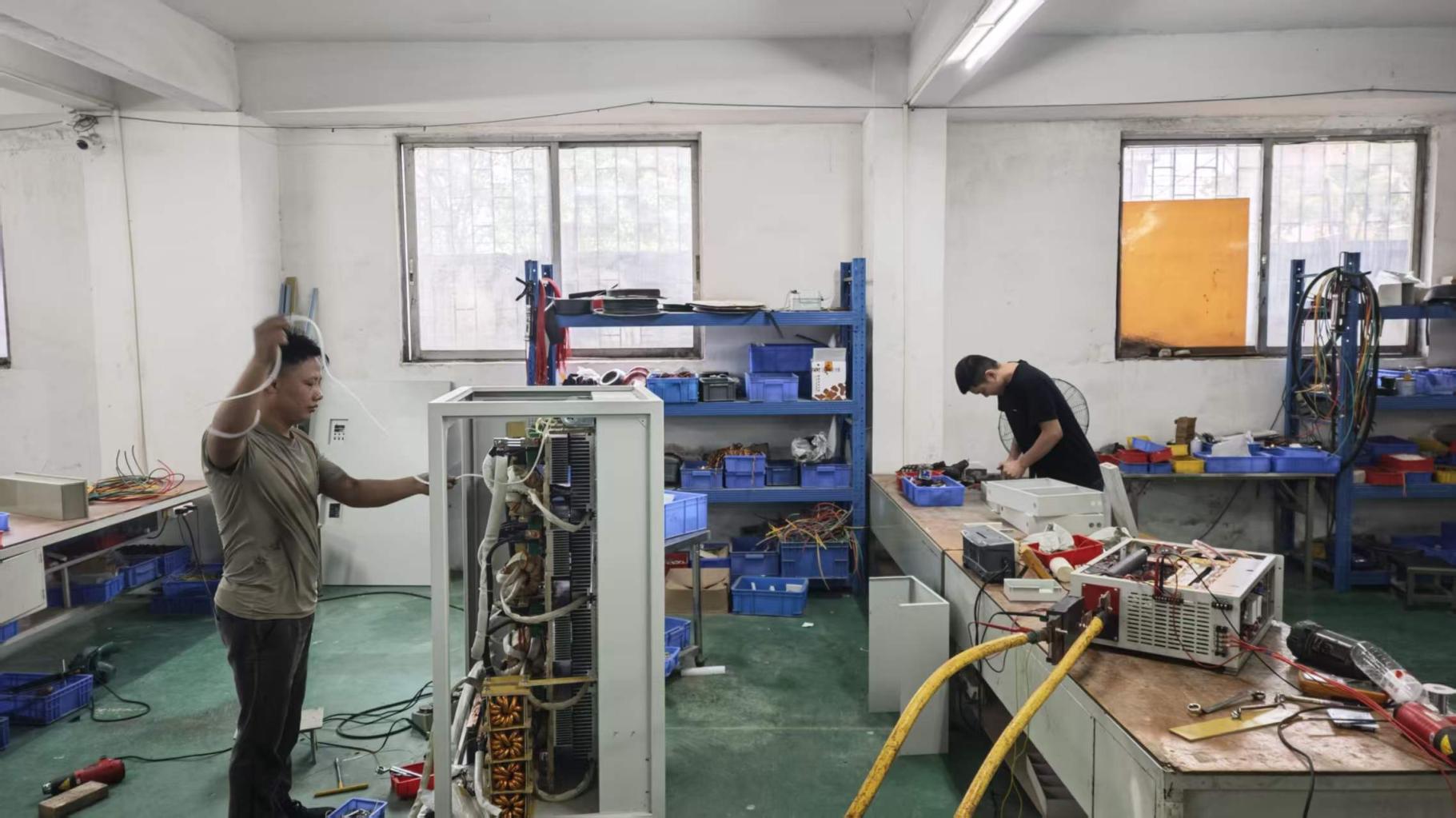
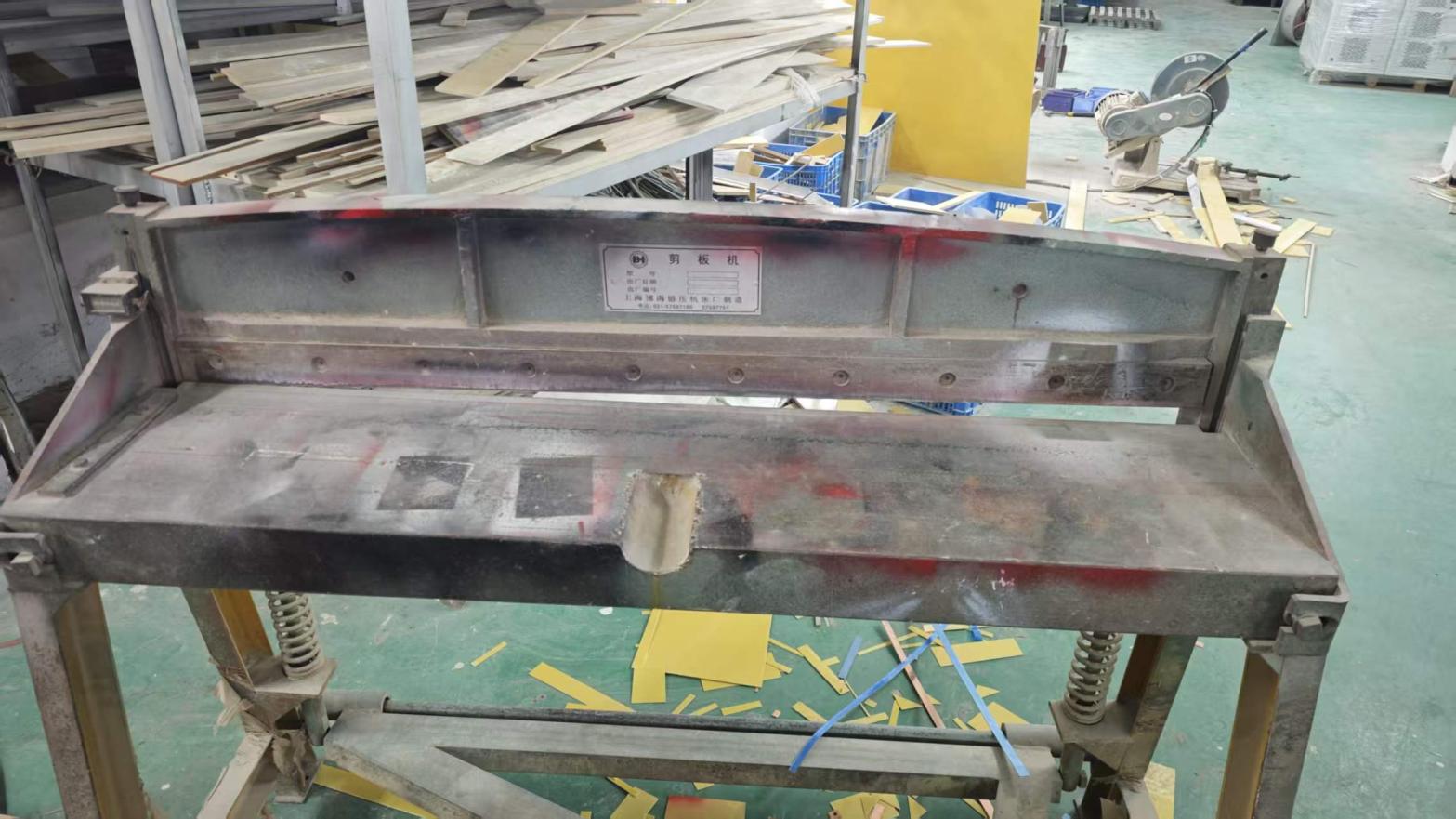
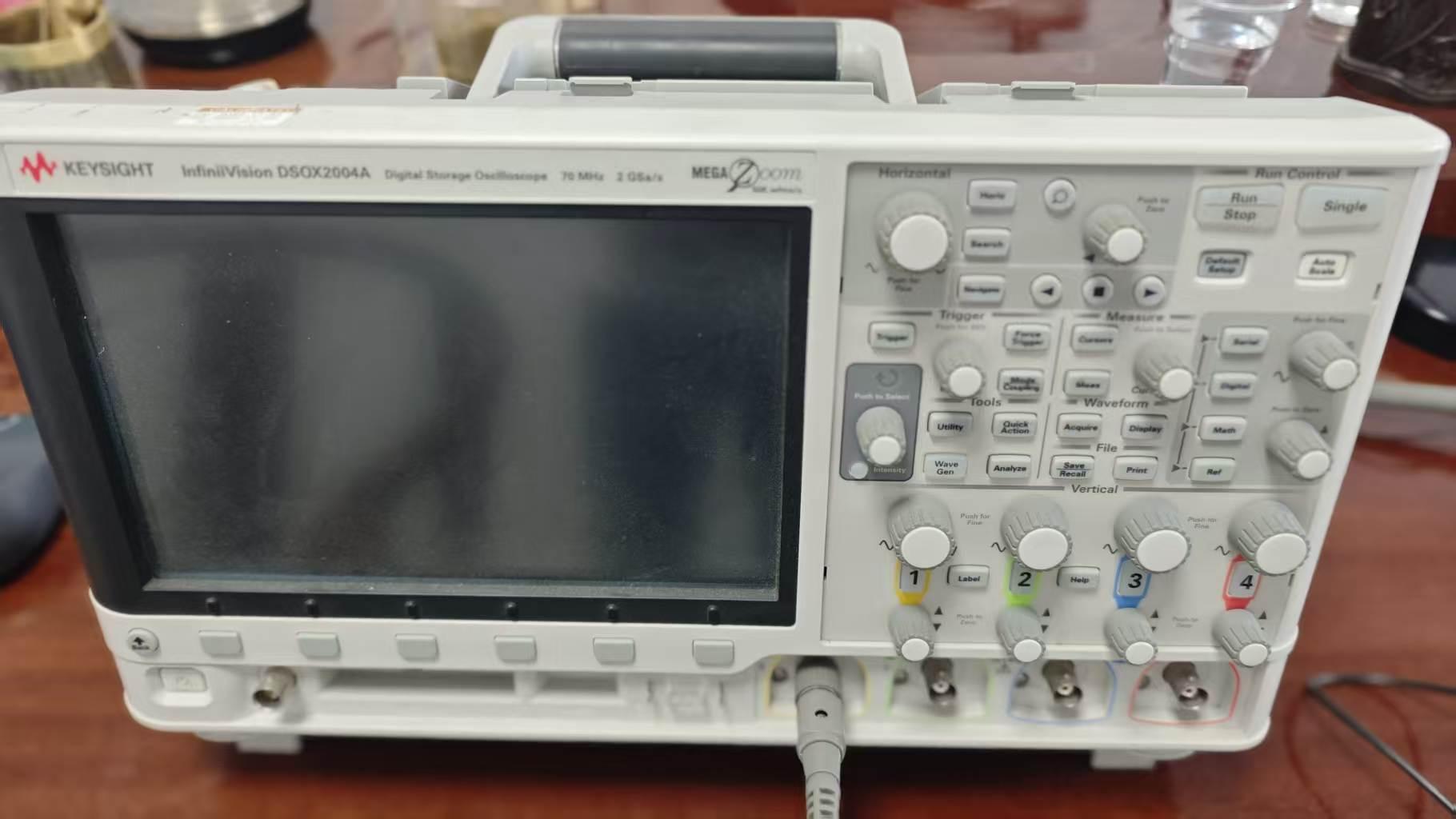
Unlike assemblers who outsource sheet metal and busbar production, Fenvix controls every phase in-house. Our workshop houses precision plate shearing machinery, CNC punching stations, milling beds, high-speed drilling and tapping gear, and specialized copper fabrication machines. This direct vertical integration provides definitive advantages for Mongolian procurement:
- Bespoke Heavy Copper Busbar Machining: For systems handling thousands of amperes, our high-purity T2 electrolytic copper conductors are CNC milled, silver-plated at contact points, and engineered to minimize internal resistance and thermal degradation.
- Full In-House Load Simulation: Every single unit undergoes a rigorous 100% full-load burn-in protocol using water-cooled resistive banks and digital oscilloscopes prior to sign-off, confirming peak waveform purity and protection circuit triggers.
- Zero Minimum Order Quantity (0 MOQ): Whether your project requires a single 1.5kW precision unit for laboratory assays at the Mongolian University of Science and Technology (MUST) or an array of 300kW industrial rectifiers, we support prototyping through to large-scale fleet deployments.
- International Credentialing: Backed by an audited ISO 9001:2015 management system, on-site verified by TÜV Rheinland, and compliant with European CE, Low Voltage Directive (LVD), and Electromagnetic Compatibility (EMC) regulations.
5. Strategic Logistics Corridor: Guangdong to Mongolia
Transporting sensitive, heavy electronic equipment across national borders requires experienced supply chain coordination. Fenvix operates direct cross-border trade operations optimized for Mongolian transport geography:
Rail & Road Multimodal Freight: Consignments are packed inside custom heat-treated wooden crates with internal shock mounts and desiccant barriers. Shipments move seamlessly via domestic rail or road corridors from Guangdong to the primary border crossing at Erenhot (Inner Mongolia) / Zamiin-Uud (Mongolia). From Zamiin-Uud, freight transitions directly via the Ulaanbaatar Railway (UBTZ) network or heavy flatbed road convoys straight to project locations across Dalanzadgad, Sainshand, Ulaanbaatar, or Erdenet.
Complete Documentation & Trade Terms: We regularly execute shipments under DAP (Delivered at Place, Ulaanbaatar / Site), DDP, CPT, CIF, or FCA terms, complete with Russian and English technical schematics, customs declaration packing lists, certificate of origin documentation, and testing reports, ensuring smooth customs processing at Mongolian ports of entry.