Certified Aircraft Ground Power Units & 400Hz Frequency Converters
From ultra-compact hangar maintenance 28.5V DC mobile units to multi-cubicle central 930kVA 400Hz apron substations, Fenvix delivers low-THD, high-overload power architectures engineered to international aviation standards.
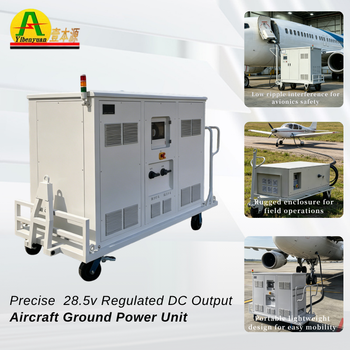
Portable 28.5V DC Ground Power Unit
- Output Current100A / 200A / 400A / 500A
- Peak Starting CurrentUp to 2,000A (3 sec surge)
- Cooling & EnclosureForced Air / IP54 Rugged
- Primary StandardsMIL-STD-704F, ISO 6858
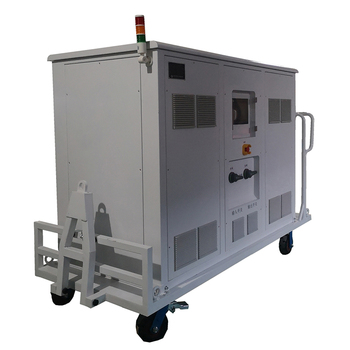
Triple Output 28.5V 100–600A Aircraft GPU
- ArchitectureIndependent Dual/Triple Bus
- Voltage Regulation±0.5% Load Regulation
- Control InterfaceRS485 Modbus / Analog 0-10V
- ApplicationHelicopter & Turboprop MRO
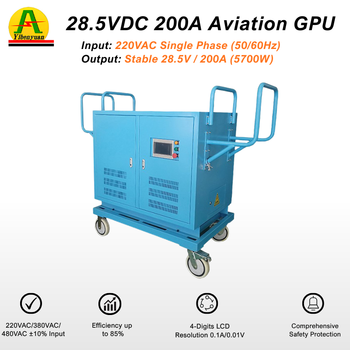
Single-Phase 220V to 28.5V DC 200A GPU
- Input Power220VAC ±15%, 50Hz / 60Hz
- Continuous Rating5.7kW Continuous Hangar Run
- Ripple & Noise≤100mV Vrms Low Ripple
- PortabilityCastors & Towing Bar Setup
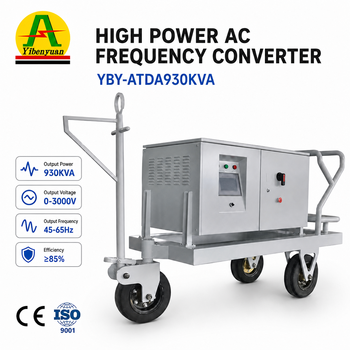
930kVA 3-Phase 400Hz Apron Central GPU
- Output WaveformPure Sinusoidal 115V / 200V
- Harmonic DistortionTHD < 2.5% at Linear Load
- Inverter StageActive IGBT 12-Pulse Bridge
- DeploymentFixed Centralized Airport Substation
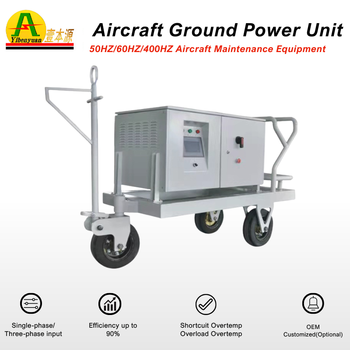
630kVA 400Hz Aviation Ground Power Unit
- Output Voltage115V – 450V Programmable AC
- Transient Recovery< 5ms for 100% Load Step
- Line Drop CompensationAutomatic 0–10% Cable Drop
- Protection StandardOver/Under Voltage, Short Circuit
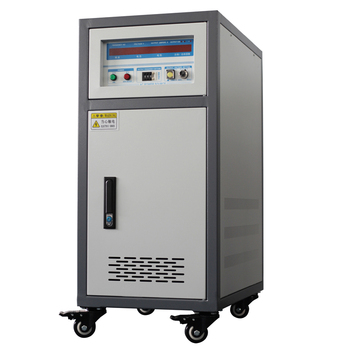
115V 400Hz Frequency Converter 15–300kVA
- Frequency Stability±0.01Hz Quartz Crystal Ref
- Efficiency Rating>93% at Full Operational Load
- CertificationsCE, LVD, EMC Conformity
- Usage ProfileAvionics Test Benches & R&D
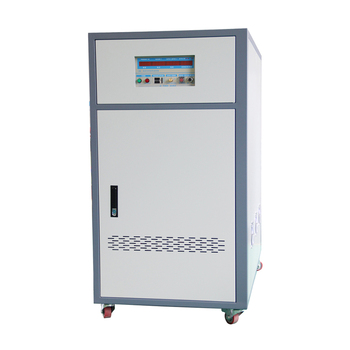
40–500kVA Solid-State Frequency Converter
- Conversion Topology50Hz / 60Hz to 400Hz Fixed
- Galvanic IsolationBuilt-in Copper Dry Transformer
- Acoustic Noise< 65 dBA at 1 meter
- MaintenanceZero Rotational Wear Parts
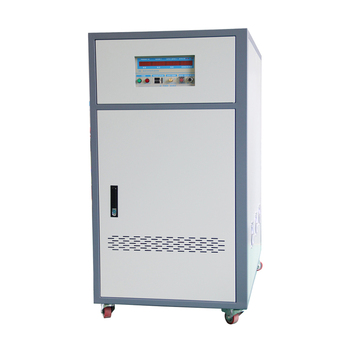
45kVA 400Hz Static Converter for Hangars
- Input Grid Match3-Phase 200V / 380V / 415V
- Phase Balance100% Unbalanced Load Tolerant
- Display & MetersDigital True-RMS V/A/kW/PF/Hz
- Enclosure StyleIndoor Roll-around / Under-bridge
Aviation Power Integrity: Solid-State 400Hz and 28.5V DC Architectures vs Legacy Rotary M-G Sets
Modern military, commercial, and regional airframe assemblies rely on pristine electrical architectures to power sophisticated mission avionics, fly-by-wire flight control computers, and environmental control subassemblies during ground servicing and pre-flight commissioning. The interface between ground power units (GPUs) and on-board power distribution networks is strictly governed by rigorous international standards, including MIL-STD-704F, ISO 6858, SAE ARP1247, and EN 2282.
Historically, aircraft ground power across aviation manufacturing complexes and flightlines relied upon motor-generator (M-G) rotary converters or noisy diesel ground carts. While mechanically resilient, rotary equipment suffers from significant drawbacks: mechanical friction wear, poor voltage regulation during sudden load switching, high acoustic output exceeding 85 dBA, lower operational efficiency (frequently below 75%), and unacceptable harmonic content that can perturb sensitive solid-state radar and navigation electronics. Furthermore, rotary sets cannot dynamically compensate for reactive cable drops over extensive apron cable runs.
Active 12-Pulse & PWM Inversion
Fenvix solid-state static converters use high-frequency IGBT bridges controlled by 32-bit digital signal processors (DSP), producing a pure sinusoidal 400Hz wave with Total Harmonic Distortion (THD) under 2.5%.
Dynamic Line Drop Compensation
Equipped with automatic voltage regulation (AVR) and integrated remote voltage sensing, the system counteracts line impedance drops along lengthy aircraft apron service umbilical cables.
Instantaneous Transient Response
During 100% instantaneous load steps (such as starting auxiliary hydraulic pumps or cooling fans), voltage recovery is achieved within 5 milliseconds, completely preventing avionics bus dropouts.
For DC power architectures, the 28.5V DC output requirement demands equal precision. During engine spooling and turbine ignition, starting currents can spike to 1,500A–2,400A for several seconds. A compliant aviation GPU must sustain continuous current at exact nominal voltage while effortlessly delivering heavy overload surge factors without triggering premature overcurrent lockouts or inductive back-EMF damage.
Application Scenarios in the Kawasaki Industrial Belt & Greater Tokyo Bay Aerospace Cluster
Kawasaki City and the wider Kanagawa-Tokyo Bay littoral represent one of East Asia’s densest epicenters of advanced precision manufacturing, heavy machinery, and aerospace engineering. Operating within the immediate vicinity of Tokyo International Airport (Haneda), the Keihin Industrial Zone, and close logistical links to Kawasaki Heavy Industries’ Aerospace Systems facilities, local engineering teams face stringent operational and environmental requirements.
| Industrial Operating Scenario | Typical Aircraft / Equipment | Electrical Load Requirements | Recommended Fenvix GPU Configuration |
|---|---|---|---|
| Aerospace Subassembly & Component Rig Testing (Kawasaki/Kanagawa plants) | Commercial jet wing sections, turbofan engine gearboxes, hydraulic actuators | 115V / 200V AC 400Hz, continuous clean power, RS485 automated test bench logging | 15kVA–100kVA Solid-State Converter (Benchtop / Rack-Mount) |
| Rotary-Wing & Light Fixed-Wing Hangar MRO (Keihin littoral heliports) | BK117, H145, AW139, multi-mission law enforcement & utility helicopters | 28.5V DC continuous (300A–600A) with turbine start surges up to 2,000A | Portable 28.5V DC GPU (100A–500A with Engine Start Mode) |
| Defense Aerospace Hangar Support (Subcontractor maintenance bays) | Transport aircraft (C-2), maritime patrol (P-1) components, trainers | Dual-channel 115V 400Hz 90kVA + 28.5V DC 400A auxiliary systems | Custom Dual-Output Static Frequency Converter & DC GPU |
| Regional eVTOL & Advanced Air Mobility (AAM) Testbeds | Next-generation electric passenger drones, tilt-rotor prototypes | High-voltage DC fast-charging (400V–800V) + 28.5V low-voltage avionics supply | Programmable HV DC Power Supply + 28.5V DC Ground Unit |
Operating ground electrical equipment within the maritime coastal environment of Kawasaki and Tokyo Bay demands robust protection. Atmospheric salt mist, humidity, and airborne industrial particulates can rapidly degrade exposed electrical components. Fenvix addresses these localized environmental hazards by utilizing anti-corrosive electro-galvanized cabinet steels, specialized conformal PCB coating (polyurethane-based to resist salt spray and moisture), and heavy-duty IP54 weatherproofing with isolated thermal air ducts that keep sensitive switching electronics sealed from ambient air intake.
Decarbonization Trends: The Transition to Green GSE Across Japanese Airports and Hangars
Under the Ministry of Land, Infrastructure, Transport and Tourism (MLIT) "Eco-Airport" roadmap and Japan's Net-Zero 2050 targets, civil airports and industrial aerospace hangars throughout Tokyo Bay, Chubu, and Kansai are actively replacing internal combustion diesel-engine ground carts with zero-emission, all-electric static power infrastructure. The strategic drivers for this transition include:
Zero Apron Emissions & Decarbonization
By connecting directly to commercial three-phase utility lines (200V 50Hz/60Hz), solid-state static GPUs eliminate 100% of NOx, particulate matter, and CO2 emissions produced by idling diesel engines during prolonged aircraft servicing.
Acoustic Health in Confined Hangars
Diesel GPUs commonly generate noise levels between 85 and 95 dBA, violating indoor occupational health thresholds. Fenvix static solid-state units maintain noise levels under 65 dBA, drastically improving technician safety and communications.
Drastic OPEX and Lifecycle Savings
With no engine oil, fuel filters, glow plugs, or mechanical bearings to service, static frequency converters deliver a typical 65% reduction in annual maintenance expenditure while raising overall conversion efficiency to over 94%.
Furthermore, Japan presents a unique electrical challenge: eastern Japan (including Tokyo, Kawasaki, and Yokohama) operates on a 50Hz utility frequency, while western Japan (including Nagoya, Osaka, and Kobe) operates on 60Hz. Fenvix solid-state GPUs are built with universal wide-frequency input stages (45Hz–65Hz auto-sensing at 200V, 380V, or 415V AC), allowing seamless redeployment across regional facilities throughout Japan without internal rewiring or costly hardware adaptations.
Aviation Ground Power Unit Selection Matrix: Detailed Parameters
The following engineering guide provides certified parameters for selecting the appropriate ground power converter based on airframe class, hangar power infrastructure, and operational duty cycle.
| Model Series | Nominal Output | Input Voltage / Freq. | Overload Capacity | Aviation Compliance | Typical Aircraft Compatibility |
|---|---|---|---|---|---|
| GPU-DC28-200M | 28.5V DC, 200A Cont. | 1-Phase 200V/220V 50/60Hz | 600A for 5 sec (engine start) | MIL-STD-704F, ISO 6858 | Cessna Caravan, Bell 407/429, Eurocopter EC135 |
| GPU-DC28-600T | 28.5V DC, 600A Cont. | 3-Phase 200V/380V 50/60Hz | 1,800A for 5 sec / 2,400A peak | MIL-STD-704F, SAE ARP1247 | BK117 D-3, AW139, King Air 350, ATR 42/72 |
| SFC-400-45K | 115V/200V AC, 400Hz, 45kVA | 3-Phase 200V/380V ±15% | 125% for 10 min, 150% for 60s | EN 2282, ISO 6858, CE LVD/EMC | Regional jets, business jets (Challenger, Falcon) |
| SFC-400-90K | 115V/200V AC, 400Hz, 90kVA | 3-Phase 200V/380V/415V | 125% for 10 min, 200% for 10s | MIL-STD-704F, DFS 400, CE | Boeing 737 series, Airbus A320 series, P-1 patrol |
| SFC-400-180K | 115V/200V AC, 400Hz, 180kVA | 3-Phase 200V/380V/480V | 125% for 10 min, 300% for 2s | SAE ARP5015, ISO 6858, CE | Wide-body aircraft, dual-bridge gate installations |
| GPU-COMBO-90D | 90kVA 400Hz AC + 28.5V DC | 3-Phase 200V/380V 50/60Hz | Independent simultaneous load | MIL-STD-704F, CE, RoHS | Multi-mission hangars, military aviation depots |
* Custom output configurations (including 270V DC for advanced fighter jet and drone programs) and extended temperature ratings (-30°C to +55°C) are engineered on an OEM/ODM basis.
Guangdong Fenvix Technology: Factory Direct Aerospace Power Engineering
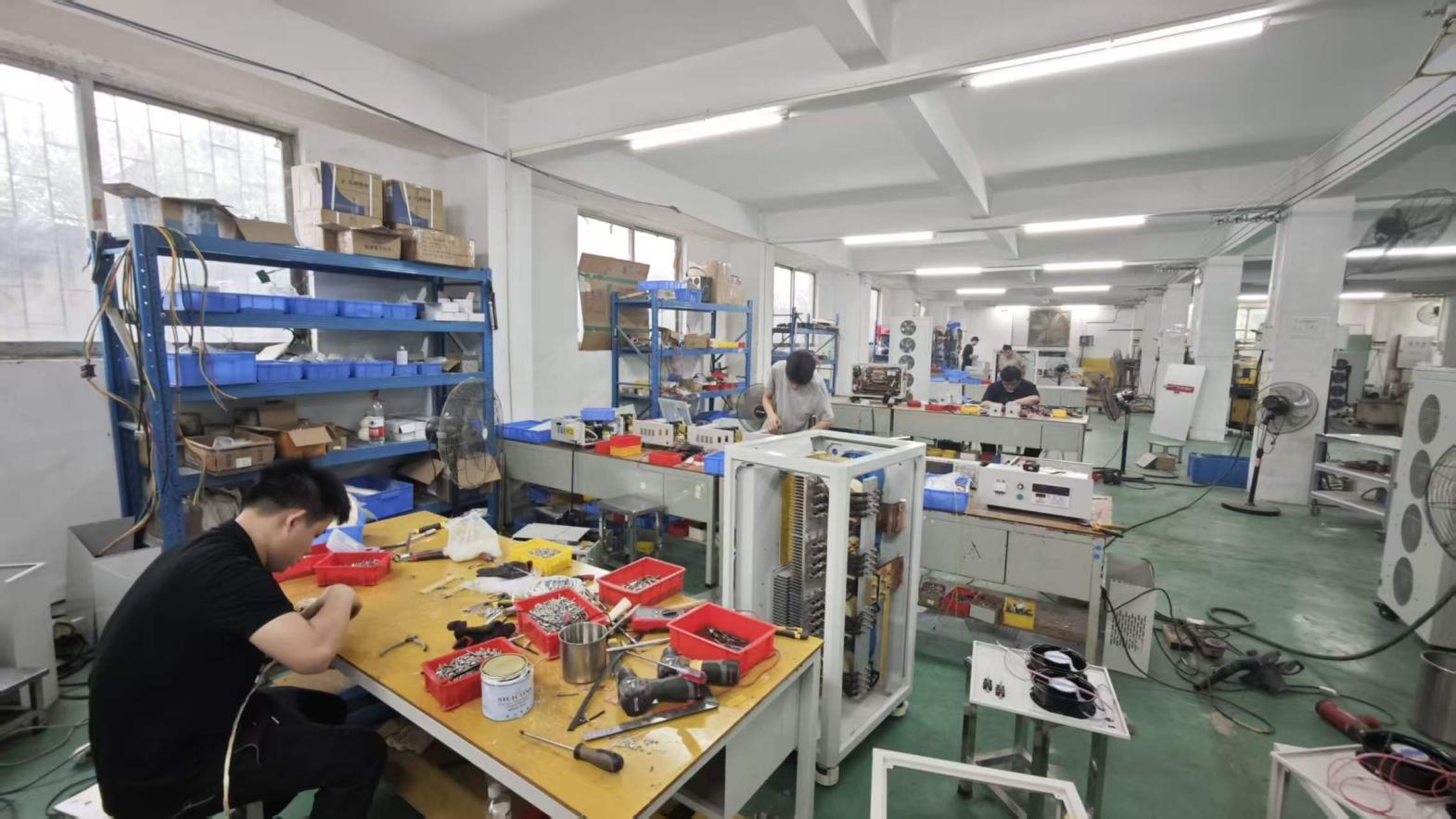
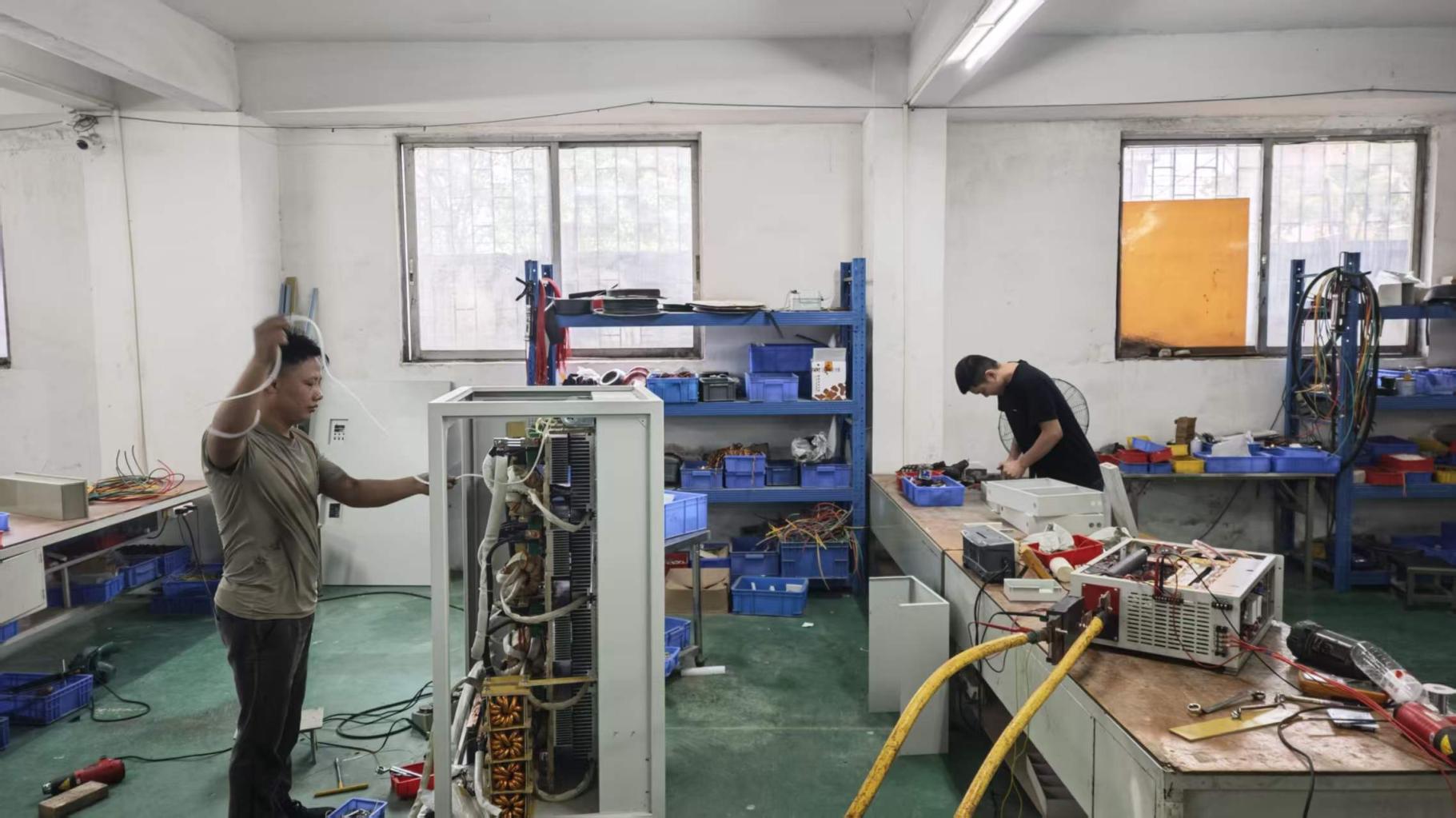
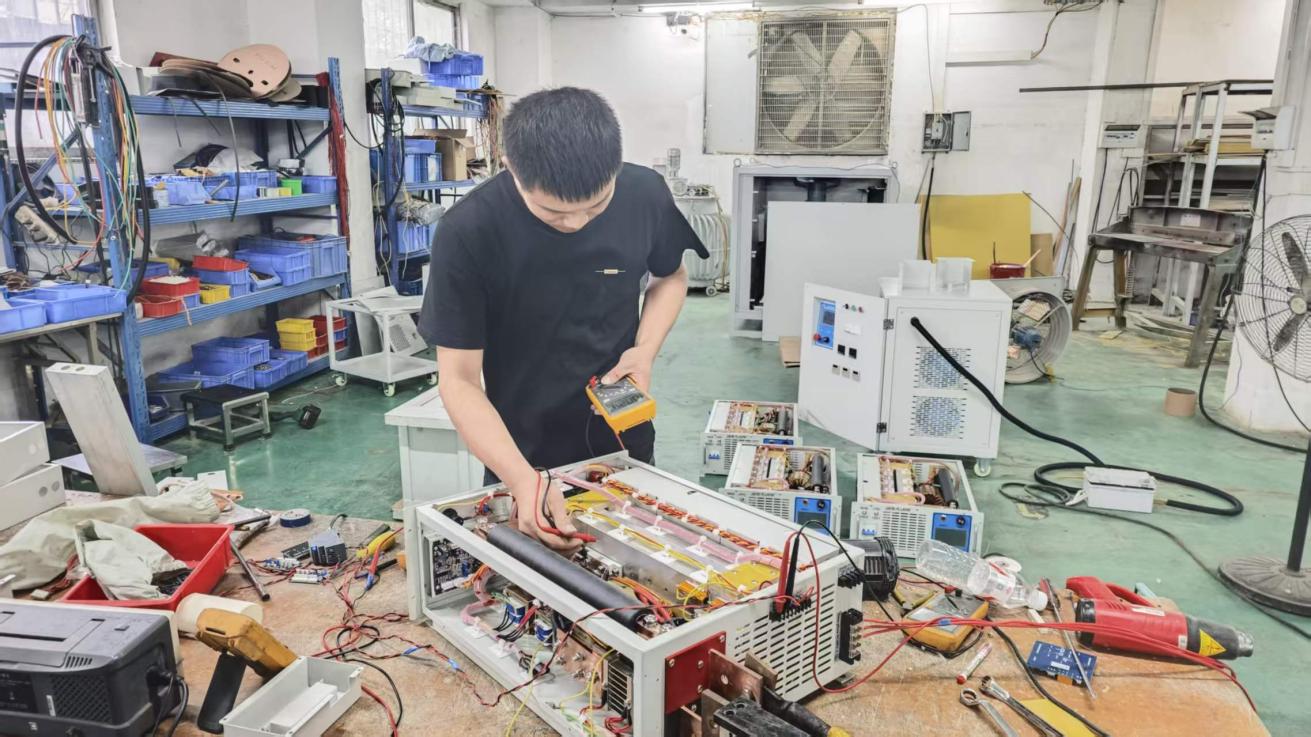
Founded in 2013, Guangdong Fenvix Technology Co., Ltd. operates an integrated 3,000 m² production complex dedicated to precision power electronics, high-power DC rectifiers, and solid-state frequency conversion equipment. Unlike commercial intermediaries or brand resellers, Fenvix maintains 100% in-house control over mechanical metalworking, electromagnetic fabrication, electronic assembly, and final burn-in validation.
ISO 9001:2015 Audited
Strict quality control from incoming raw materials to stage-gate subassembly and final packaging.
TÜV Rheinland Verified
On-site physical factory verification confirming trade capability, facilities, and production capacity.
100% Full-Load Burn-In
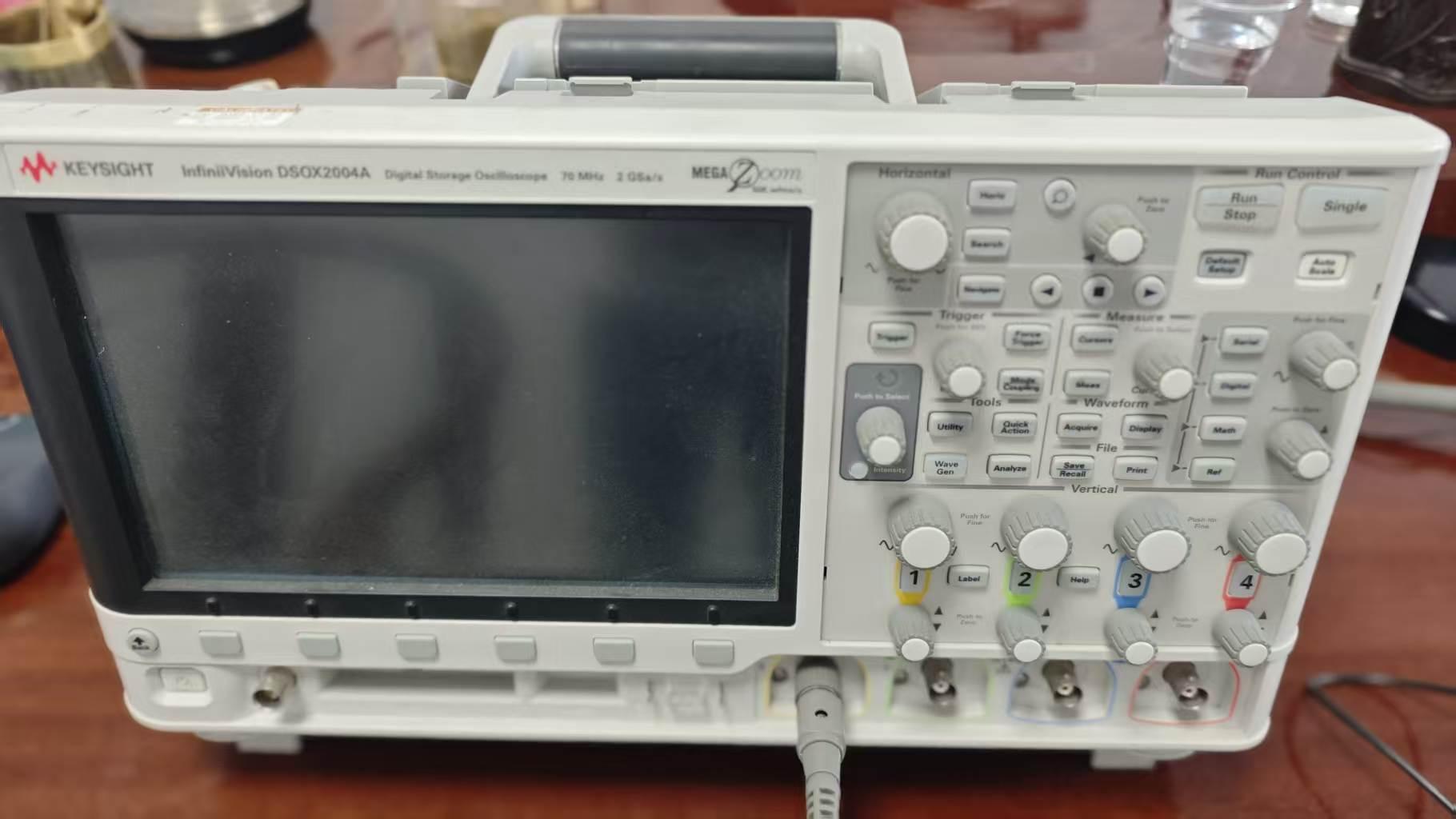
Every single aviation unit is subjected to severe full-load resistor-inductor step tests prior to dispatch.
No Minimum Order (MOQ: 1)
Engineering customized prototypes for specialized research lines without restrictive minimums.
In-House Fabrication & Stage-Gate Testing Capabilities
Inside our Guangdong workshop, our production workflow combines precision sheet-metal plate shearing, punching, milling, drilling, and tapping for custom electrical cabinets and heavy copper busbar routing. We do not outsource enclosure mechanics, allowing us to rapidly adapt cabinet dimensions, caster mountings, cable storage brackets, and ingress protection (IP ratings) to match our clients' hangar dimensions and physical footprint constraints.





Frequently Asked Questions by Industrial Buyers & Aviation GSE Engineers
Can Fenvix GPUs adapt to Japan's dual 50Hz (Eastern) and 60Hz (Western) commercial grid standards?
How does the GPU prevent voltage drops over 15 to 30-meter apron umbilical cables?
What certifications and compliance documents accompany each shipment?
What is the surge and overload capacity for starting turboprop or turbofan auxiliary power?
What trade terms and shipping options are available for delivery into Kawasaki or Tokyo ports?
How do we initiate a non-standard or bespoke OEM power unit specification with your engineering team?
Consult an Aviation Power Supply Application Engineer
Whether you require a single bespoke 28.5V DC starting cart for helicopter MRO or a centralized 930kVA 400Hz static conversion system for an aerospace assembly facility in Kawasaki, our senior engineering group is ready to assist.
Inquire Now