[email protected]
ISO 9001 Certified Manufacturer Exporting to 4 Continents
Front Range Advanced Engineering Solutions

Capacitor Charging High Voltage Power Supply Manufacturers & Factories Serving Denver

Precision Megawatt & Kilovolt Pulsed Power Engineering Built to Withstand High Altitude Flashover and Support Colorado’s Advanced Defense, Laser Optics, Fusion Research, and High-Energy Physics Laboratories

Industrial Capacitor Charging & High-Voltage Power Solutions

Configured for pulsed-forming networks (PFN), rapid burst repetition, laser excimer pumping, and precision DC busbars serving laboratory and OEM plants across the Denver metro area.
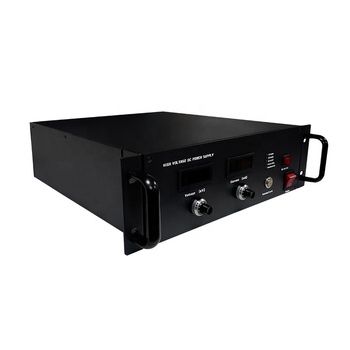
Ultra-HV Repetition 0-100kV High Voltage Capacitor Charging and Discharging Power Supply

0-100kV Capacitor Charging & Discharging HV Supply

  • Voltage Span: 0 – 100 kV Controllable
  • Peak Power: 1,000 W – 10 kW Scalable
  • Regulation Mode: Constant-Current (CC) Charge
  • Repeatability: < 0.1% Shot-to-Shot
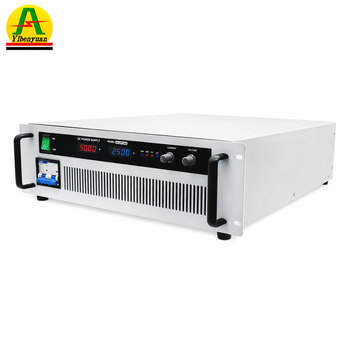
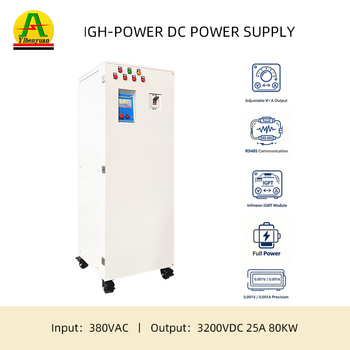
3.2kV Rapid Bank High Precision 80KW 1000V 2000V 3200V HV DC Power Supply for Capacitor Charging

80kW 1000V–3200V High Precision HV DC Source

  • Output Envelope: 1,000V / 2,000V / 3,200V
  • Current Delivery: 16A to 25A Continuous
  • Topology: Phase-Shifted Resonant Bridge
  • Efficiency: ≥ 92% at Full Thermal Load
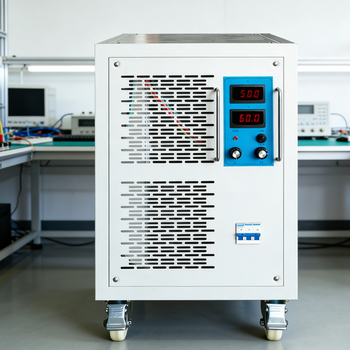
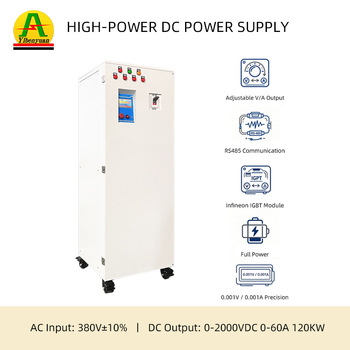
120kW Megawatt Burst 90KW 100KW 120KW High Voltage Test Power Supply

90kW–120kW 2000V Programmable HV Test Source

  • Output Range: 0–2,000 V / 0–60 A Dynamic
  • Interface Bus: Isolated RS485 / Modbus RTU
  • Transient Recovery: < 200 μs under 80% Step Load
  • Cooling Format: Industrial Forced Air Cooling
Electrospinning & HV 30KVDC High Voltage Power Supply 5mA for Electrospinning

30kV DC 5mA Precision Corona & Dielectric Source

  • Voltage Polarity: Positive / Negative / Reversible
  • Output Ripple: < 0.05% P-P Full Spectrum
  • Safety Circuit: Instant Flashover Arc Quench
  • Standard Footprint: Compact 19-Inch Rack Adaptable
Pulsed & Continuous 16kW High Voltage DC Power Supply 0-4000V

16kW 0–4000V Multi-Tap Adjustable HV Supply

  • Configurable Output: 1A / 2A / 4A Discrete Modes
  • Main Grid Input: 380V – 480VAC 3-Phase Direct
  • Short Circuit: Sustained Dead-Short Tolerance
  • Thermal Margin: Designed for > 5,280 ft Barometric
ATE & Battery EV 800V 400V 50A 20KW High Voltage Adjustable DC Power Supply

800V 50A 20kW High-Speed EV & Stored Charge Tester

  • Bi-Range Operation: 400V / 800V Scalable Rail
  • Current Maximum: 50A Continuous Output
  • Slew Control: Programmable V/I Slew Ramp Profiles
  • Certifications: CE, LVD, EMC, RoHS Compliant
Automated Switching 1500W to 5000W Programmable DC Switching Power Supply

1.5kW–5kW Programmable DC Switching Station

  • Target Impedance: Fast Dynamic Pulse Loading
  • Efficiency Rating: ≥ 90% across Full V-Curve
  • Remote Programming: Analog 0-5V/10V & RS485 Dual
  • Safety Topology: Dual Galvanic Isolation Barriers
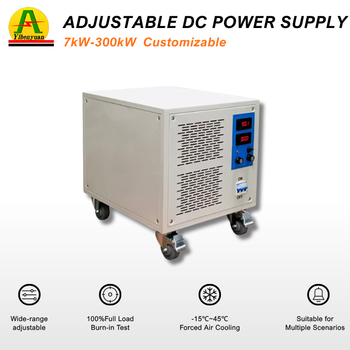
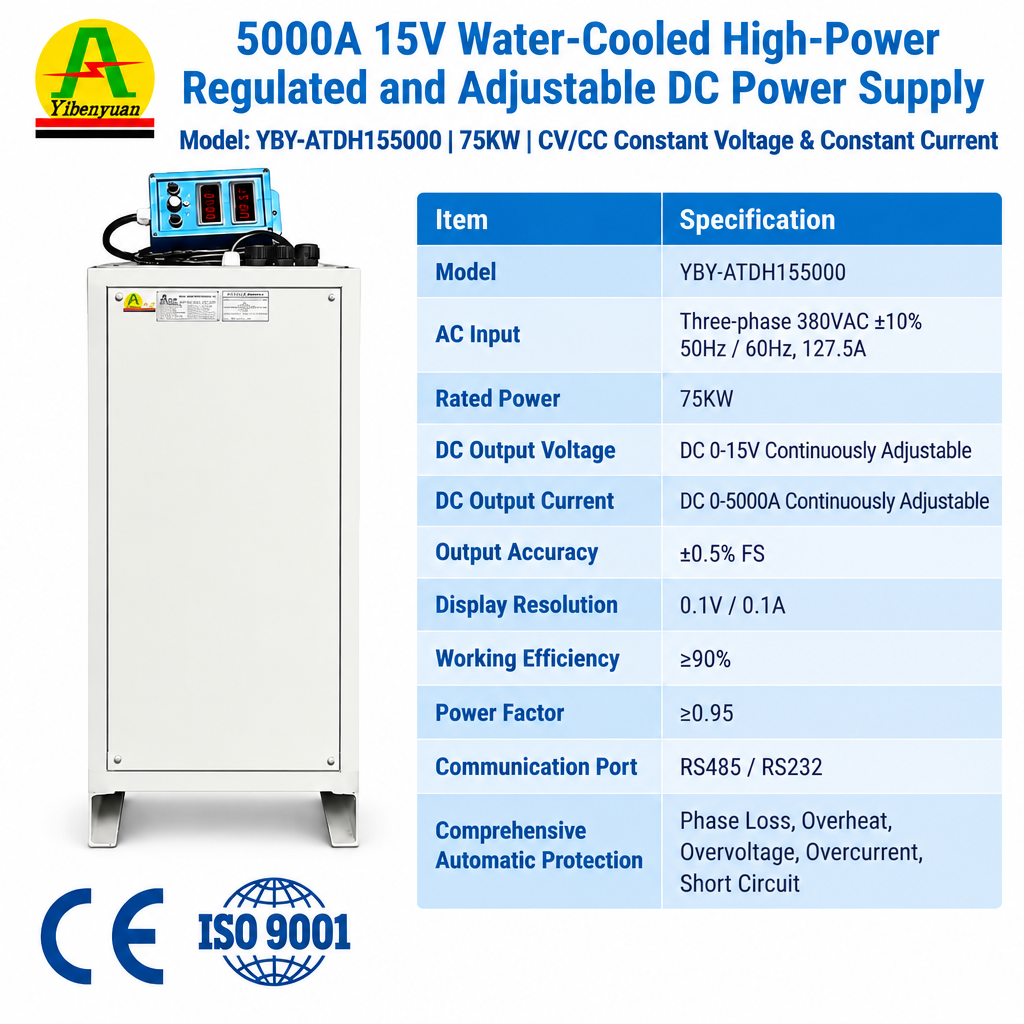
Heavy Megawatt Platform 12V 15V 5000A 6000A 75KW Water Cooled High Frequency DC Power Supply

75kW–300kW Water-Cooled High-Current Magnet Driver

  • Low-Side Drive: 5,000A – 15,000A High Frequency
  • Cooling Medium: Deionized Closed-Loop Water Circuit
  • Current Ripple: ≤ 1% Full Load Peak-to-Peak
  • Ruggedization: Sealed Cabinet for Dust & Corrosives

Engineering High-Voltage Capacitor Charging for the Denver Front Range: Physical Considerations & Application Architecture

Procuring capacitor charging high voltage power supplies (CCPS) within Denver, Aurora, Boulder, Lakewood, and the wider Front Range technological corridor presents unique environmental and engineering hurdles that standard catalogue switchers cannot resolve. Because Denver sits at an average elevation of 5,280 feet (1,609 meters) above sea level, atmospheric pressure drops from standard sea level values (101.3 kPa) to approximately 83.4 kPa. According to Paschen’s Law, the breakdown voltage of air is a non-linear function of the product of pressure (p) and electrode gap distance (d). At elevated Front Range altitudes, the dielectric strength of ambient air decreases by roughly 17% to 20%, significantly increasing the probability of corona inception, surface tracking, and catastrophic dielectric flashover in unsealed high-voltage topologies.

The Altitude Derating Factor (Paschen's Shift in High-Voltage Systems):

For custom capacitor charging supplies rated between 10kV and 100kV operating in Denver labs, design engineers must widen creepage and clearance distances across printed circuit boards, high-voltage transformers, and spark-gap switchgear by a factor of 1.25 to 1.30. Alternatively, our factory utilizes high-dielectric vacuum potting, pressurized SF6/dry-nitrogen enclosures, or high-grade transformer oil submersion to preserve insulation integrity regardless of regional atmospheric depression.

Precision Constant-Current (CC) Charging Versus Constant-Voltage Exponential Curves

Conventional DC power supplies behave as pure voltage sources: when applied directly to a discharged capacitor (which momentarily acts as a zero-impedance dead short), the instantaneous inrush current can trigger internal thermal runaway or continuous over-current fault trips. In contrast, Fenvix high-voltage capacitor charging architectures operate as true constant-current, constant-frequency resonant inverter sources. Our series-resonant topology regulates energy transfer on a cycle-by-cycle basis, providing a linear voltage ramp profile across the capacitor bank:

  • Energy Rate Formula: Stored Joules defined by E = 0.5 × C × V² are replenished at an ultra-stable charge rate J/s (Joules per second) across repetitive duty cycles.
  • Zero Voltage Switching (ZVS) & Zero Current Switching (ZCS): Phase-shifted IGBT H-bridges ensure internal switching losses are held to an absolute minimum, mitigating thermal saturation under high-frequency continuous pulsing (1 Hz to over 5 kHz).
  • Shot-to-Shot Voltage Repeatability: Advanced analog-to-digital DSP feedback loops terminate the charging cycle with millivolt precision (< 0.1% repeatability), preventing pulse amplitude drift in sensitive high-energy physics and laser pumping runs.

Localized Industrial & Scientific Applications in Denver & Boulder

The Colorado tech corridor is home to premier federally funded research institutes, defense aerospace primes, and medical-technology innovators. Our factory customizes high-voltage capacitor chargers specifically aligned with local operational environments:

  • Atmospheric Plasma & Fusion Research (Boulder & Golden): Powering capacitive pulse-forming networks (PFN) and Marx generators designed for high-density plasma pinches, magnetohydrodynamic simulation, and high-intensity microwave (HPM) weaponization testing.
  • Aerospace & Satellite Component Testing (Centennial & Littleton): Simulating deep-space cosmic electrostatic discharge (ESD) and evaluating space-grade solar array insulation under localized vacuum chambers across Colorado's expansive satellite integration facilities.
  • Pulsed Excimer & Solid-State Laser Systems: Providing continuous flashlamp charging at kilovolt potential with zero voltage overshoot, extending capacitor lifespan in additive metal manufacturing and LIDAR instrumentation.

Localized Front Range Application Environments

Targeted pulse power systems engineered to meet the exact load conditions of Denver’s leading high-tech ecosystems.

Directed Energy & Defense

Engineered for high-rate electromagnetic pulse (EMP) testing, railgun simulation, and rapid-discharge antenna networks. Designed to accommodate sustained short-circuit transients during spark-gap ionization without component breakdown.

Aerospace Environmental Labs

Customized high-potential (Hi-Pot) insulation breakdown test benches and vacuum chamber capacitor charging, calibrated for Denver’s low atmospheric density and high altitude thermal dissipation gradients.

Laboratory & Quantum Physics

Ultra-low ripple, multi-stage constant-current charging units with fiber-optic isolated control channels. Completely neutralizes electromagnetic interference (EMI) in high-sensitivity cryogenic and optical research benches.

Trends in High-Voltage Pulse Power Across Colorado

Strategic technological evolutions driving capacitor charging specifications in modernized manufacturing and R&D centers.

Silicon Carbide (SiC) Resonant Topologies

Transitioning legacy silicon IGBTs to wide-bandgap Silicon Carbide (SiC) MOSFETs allows high-voltage charging units to switch beyond 50kHz–100kHz. This dramatically shrinks ferrite core volumes, boosting power density in standard 19-inch laboratory racks.

Fiber-Optic Interfacing for High-EMI Hardening

Modern Denver pulse installations demand absolute galvanic separation between kilovolt pulse lines and low-voltage control hardware. Fiber-optic trigger lines and remote Modbus/CAN-bus networks eliminate ground loop transient corruption during discharge.

Factory Direct Sourcing Over Brokered Re-Sellers

Procurement teams are actively bypassing domestic re-labelers to work directly with certified ISO 9001 original equipment manufacturers capable of altering winding insulation, cabinet sheet metal, and firmware timings at zero tooling surcharge.

Guangdong Fenvix Technology: Factory Prowess & Build Integrity

Providing direct OEM/ODM engineering since 2013 with complete internal manufacturing control from sheet metal stamping to full-load burn-in.
13+ Years of Power Innovation
3,000m² Modern Production Floor
100kV Maximum High-Voltage Testing
TÜV On-Site Verified Facility
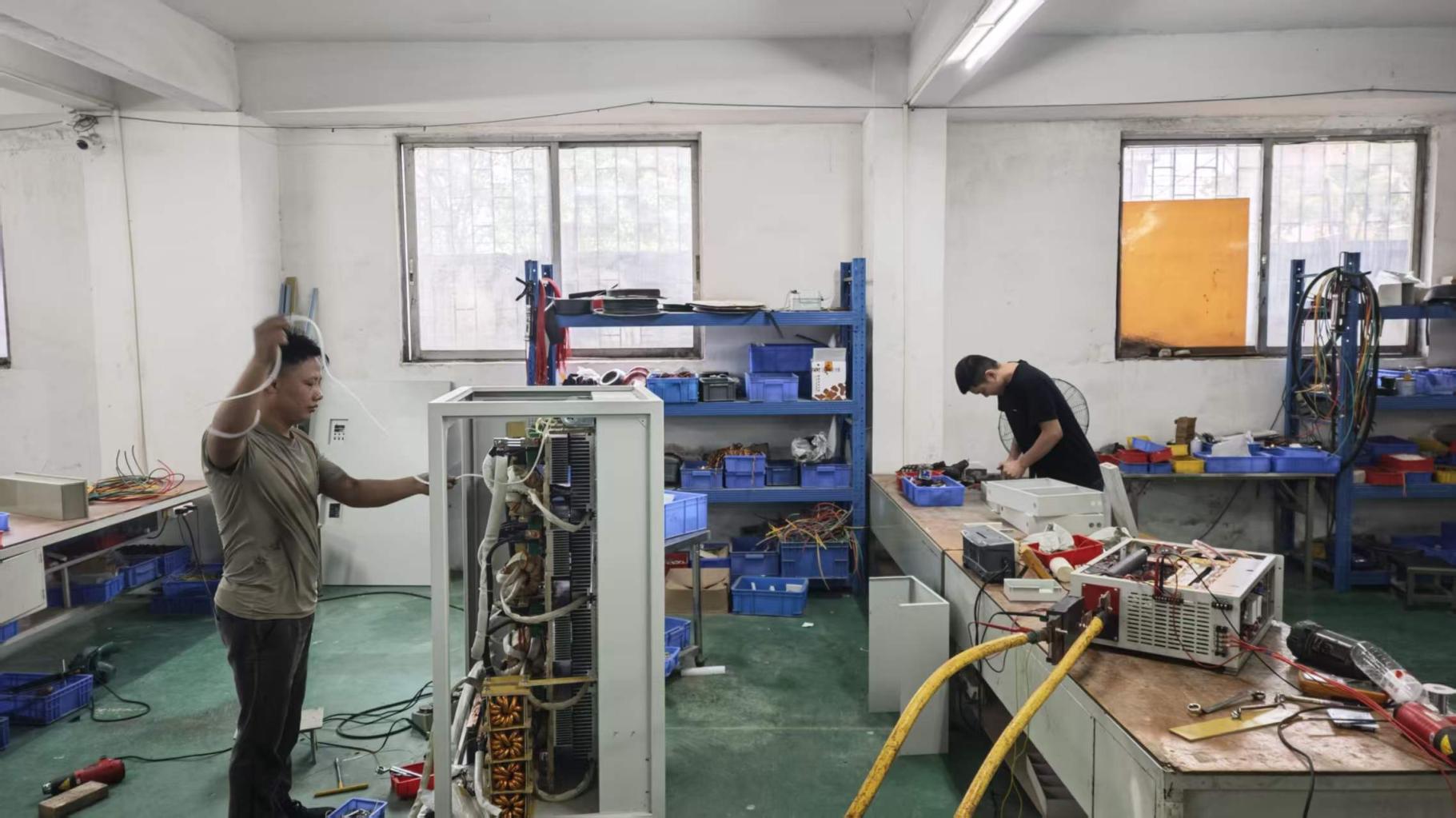
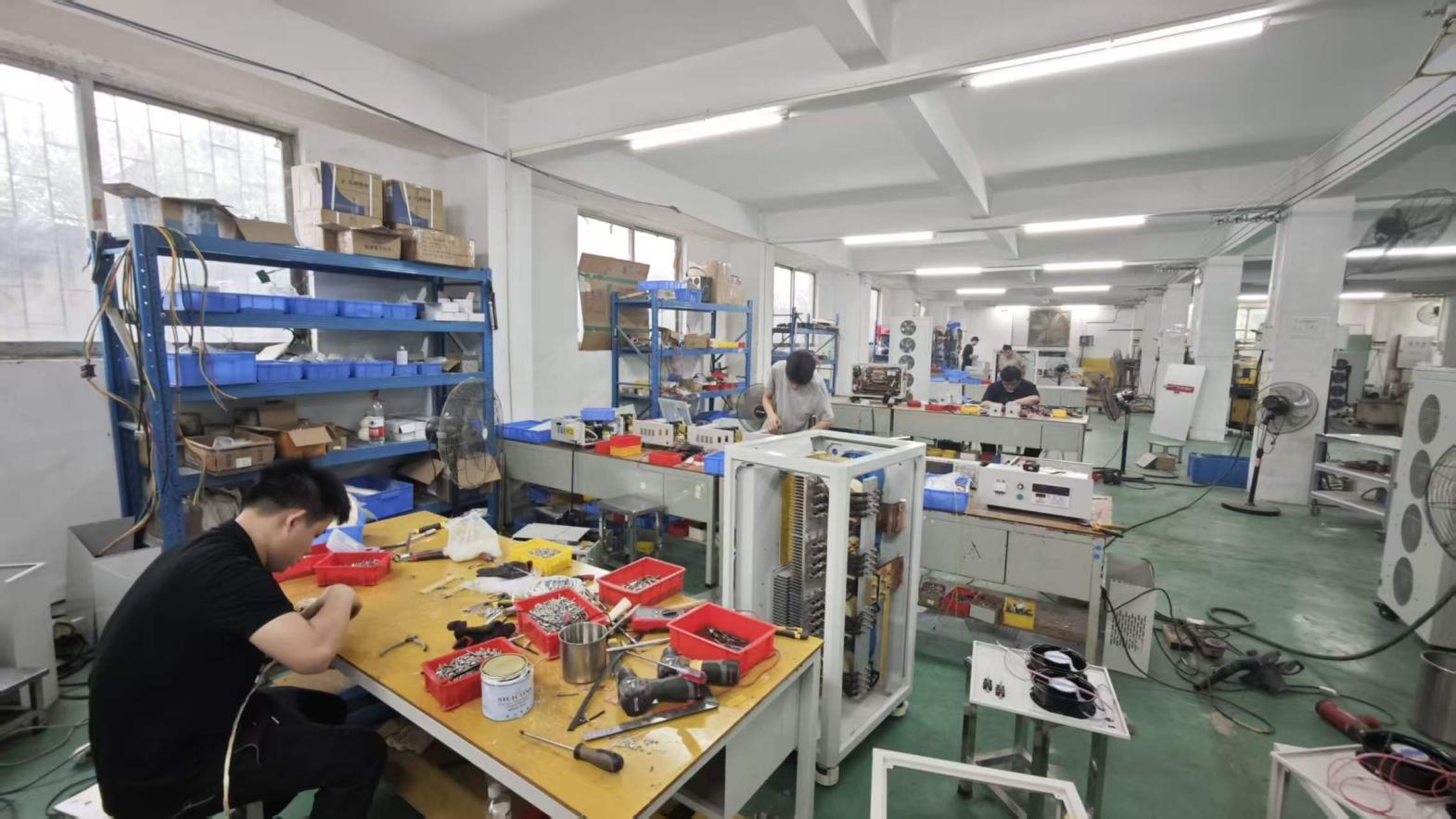
Fenvix Production Workshop Floor
Integrated Electronics Workshop
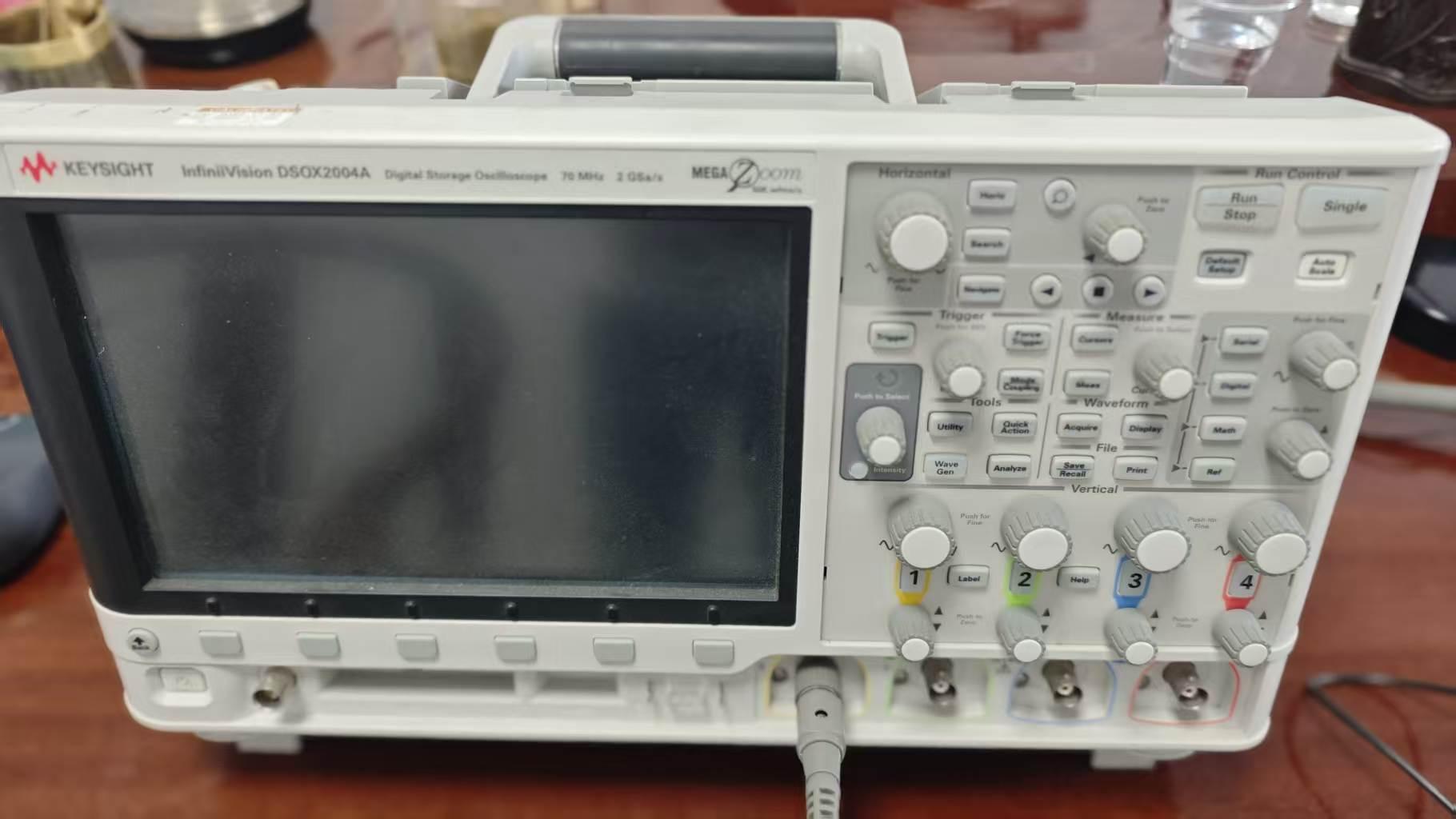
Oscilloscope Calibration and Testing
Rigorous Oscilloscope Load Test
Finished High-Voltage Power Cabinets
Finished Cabinets Prior to Packing
Direct Quality Control (Zero Middlemen):

Guangdong Fenvix Technology Co., Ltd. operates in-house plate shearing, CNC punching, milling, copper busbar bending, transformer potting, and automated load burn-in. Every capacitor charging system is tested with high-power resistive and capacitive banks to verify peak Joules/second transfer rates, thermal dissipation under repetitive pulses, and voltage overshoot suppression before export crating.

Frequently Asked Questions: High-Voltage Capacitor Charger Procurement

Practical technical, operational, and commercial answers for project engineers, lab directors, and sourcing managers.

Why does Denver’s altitude require specific derating for capacitor charging power supplies?
At Denver’s 5,280 ft altitude, atmospheric density is roughly 20% lower than at sea level. According to Paschen's Law, lower gas density facilitates earlier dielectric ionization, reducing air insulation breakdown voltage. Additionally, reduced air mass significantly degrades forced-air convective cooling efficiency. Fenvix compensates by expanding internal electrical creepage distances, upgrading insulation barriers, and sizing thermal heat sinks to ensure 100% rated duty performance across the Front Range.
How do constant-current (CC) capacitor chargers prevent power grid instability?
When an uncharged capacitor begins charging, an ordinary constant-voltage supply experiences a momentary dead short, pulling excessive inrush current spikes that trip circuit breakers and introduce destructive harmonics into facility lines. A dedicated CCPS utilizes high-frequency resonant inverter topologies to deliver an electronically governed, perfectly linear current ramp. This keeps grid demand stable, smooth, and predictable throughout continuous rapid firing.
What exact data do Fenvix engineers require to design a customized CCPS unit?
To provide an exact engineering proposal, our team requires: (1) Total capacitance bank rating (μF or nF), (2) Target terminal voltage (kV), (3) Desired repetition rate or charge time window (Hz or milliseconds), (4) Available input supply (e.g., 208V, 380V, 480VAC 3-Phase), (5) Preferred cooling scheme (forced air or closed-loop water), and (6) Remote control protocol (RS485, Modbus, 0-10V analog, or fiber optic).
Is there a Minimum Order Quantity (MOQ) for custom scientific prototypes?
No. Guangdong Fenvix operates with a strict No-MOQ policy. We support single-unit custom engineering orders for university laboratories, research prototypes, and aerospace pilot lines with the identical technical commitment and quality validation applied to multi-hundred unit OEM production contracts.
How are units protected against catastrophic back-EMF and spark-gap discharge arcs?
Capacitor bank discharges frequently cause rapid voltage reversals and oscillatory ringing due to load parasitic inductances. Fenvix high-voltage power supplies integrate high-speed series blocking diodes, reverse-energy shunt snubbers, and instant microsecond crowbar circuits. If an arc or terminal short-circuit occurs, inverter switching stages shutdown within microseconds to insulate internal power semiconductors from destructive back-surges.
What shipping terms and international certifications accompany exports to the United States?
We provide full Incoterms including DDP (Delivered Duty Paid directly to your Denver facility), CIF, and FOB. Fenvix operates under audited ISO 9001 quality management systems, holds on-site factory verification from TÜV Rheinland, and builds equipment in compliance with CE, LVD, EMC, and RoHS directives, accompanied by serialized factory load-test reports.

Need a Custom Capacitor Charging Solution for Your Denver Facility?

Consult directly with Fenvix power conversion engineers. Send us your bank capacitance, target voltage, and pulse frequency requirements for a full engineering assessment and custom schematic proposal within 24 hours.

Get Catalog