Industrial Burn-In & Precision DC Power Systems
Proven topologies deployed across Southeast Asia for continuous high-temperature operating life (HTOL), accelerated life testing (ALT), semiconductor qualification, and electrochemical stress tests.
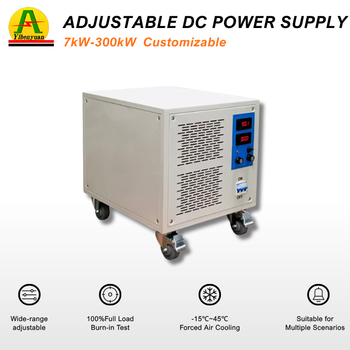
800V 50A 20kW Programmable DC Test Supply
- Output Range0–800V / 0–50A
- Control ModesCC / CV / CP Digital
- InterfacesRS485 Modbus / Analog
- ComplianceCE, LVD, EMC, RoHS
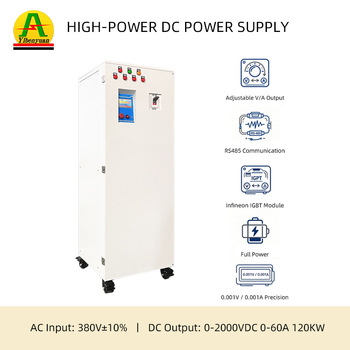
90kW–120kW 2000V High-Voltage Test Source
- Output Range0–2000V / 0–60A
- Input Line380V/440V AC 3-Phase
- Dynamic Response< 2ms Step Recovery
- Thermal ProtectionRedundant Air Cooled
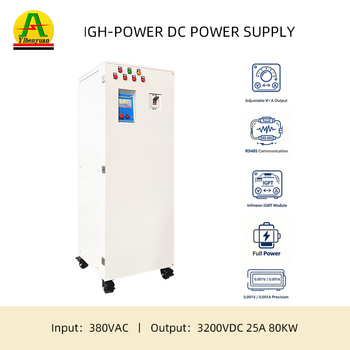
80kW 3200V Precision Dielectric Stress Supply
- Voltage Rating1000V / 2000V / 3200V
- Current Output16A – 25A Adjustable
- Ripple & Noise< 0.2% RMS Full Scale
- ApplicationsCapacitor Aging, Cables
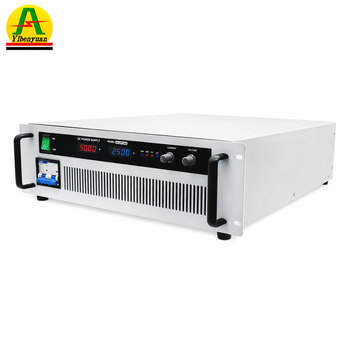
1.5kW–5kW Programmable Benchtop / Rack Supply
- Power Factor> 0.98 Active PFC
- DisplayHigh-Contrast Digital LED
- EfficiencyTypical 90% at Full Load
- Form Factor19-inch Standard Rack
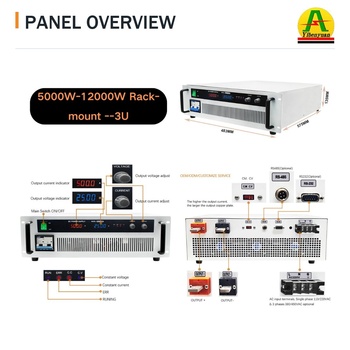
6kW 0–60V 100A Stress Screening DC Source
- Output Range0–60V / 0–100A
- Voltage Stability≤ 0.05% Line & Load
- Metering4-Digit Voltage & Amp
- Duty Cycle100% 24/7 Continuous
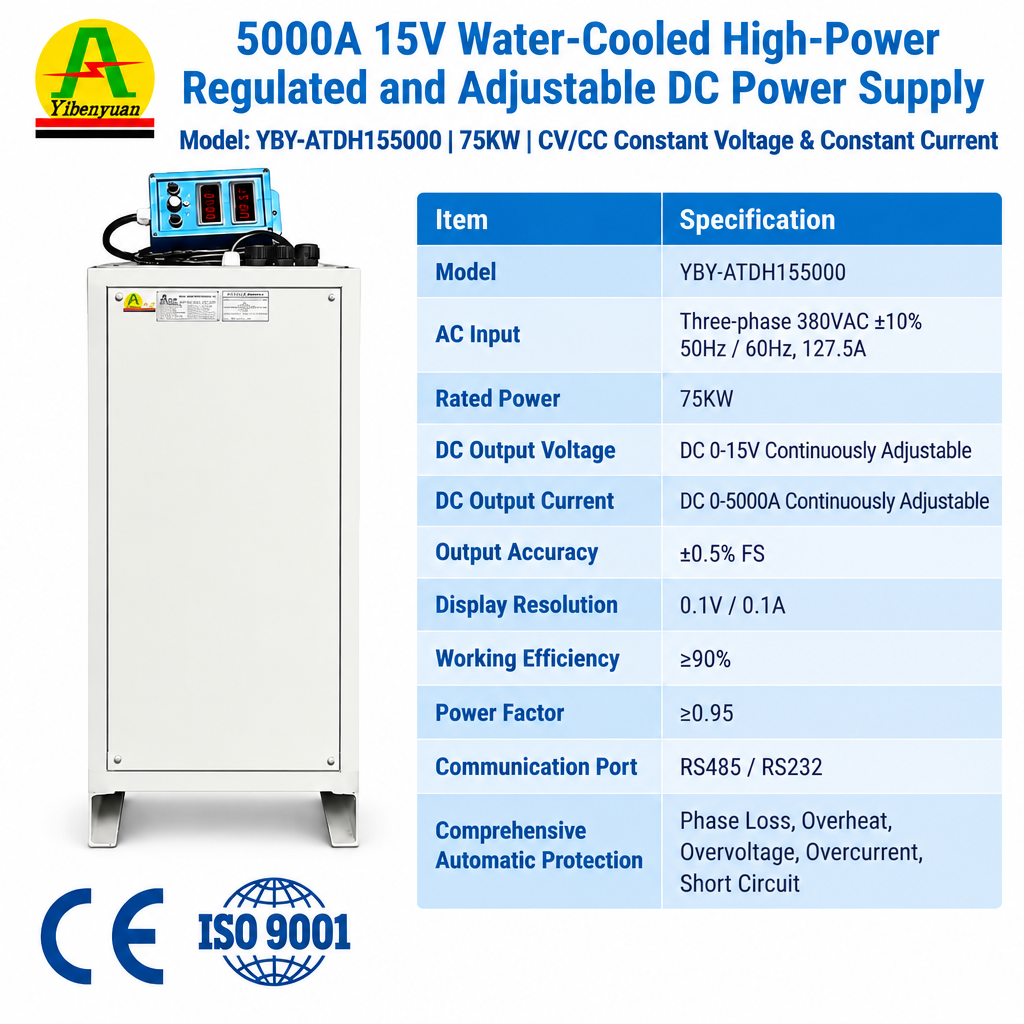
12V/15V 6000A 75kW Water-Cooled DC Rectifier
- Current OutputUp to 6000A Continuous
- Cooling SystemClosed Water Heat Exchange
- Operating ModeCV / CC Auto Transition
- EnvironmentCorrosion & Humidity Proof
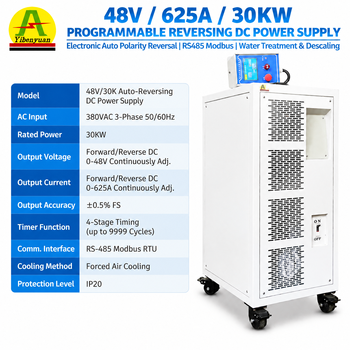
48V 625A 30kW Programmable Dynamic Aging Supply
- Special FunctionForward / Reverse Cycling
- ProgrammabilitySegment Timer Sequence
- ProtectionOVP, OCP, OTP, Short Auto
- ApplicationsWater Treatment & Cells
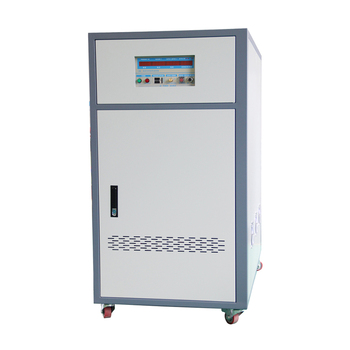
40kVA–500kVA Solid-State Static Frequency Source
- Conversion50Hz ↔ 60Hz / 400Hz Output
- THD Distortion< 2.5% Pure Sine Wave
- TopologyIGBT PWM High Frequency
- ApplicationsExport Device Line Testing
Engineering Whitepaper: Burn-In Test Power Supply Architectures for Philippine Semiconductor & Electronics Manufacturing
In modern high-reliability electronics manufacturing, the burn-in screening process represents the critical threshold separating infant-mortality component failures from dependable mission-critical deployment. Within the semiconductor fabrication, outsourced assembly and test (OSAT), and printed circuit board assembly (PCBA) corridors flanking Metro Manila—including the Laguna Technopark, Cavite Export Processing Zone (CEPZ), First Philippine Industrial Park (FPIP) in Batangas, and the Clark Freeport Zone—burn-in testing is governed by stringent international qualifications such as MIL-STD-883, JEDEC JESD22-A108, and AEC-Q100/Q101 standards.
A burn-in test power supply is fundamentally distinct from a standard benchtop laboratory direct current source. Where a general lab supply operates under nominal laboratory climates with variable intermittent duty cycles, a dedicated industrial burn-in power supply must maintain strict current regulation, low voltage ripple, and unyielding thermal stability under full continuous load for durations ranging from 48 to 1,000 hours inside or directly coupled to high-temperature environmental burn-in chambers (operating from 85°C to 150°C).
AF = exp[(Ea / k) × (1/T_use - 1/T_stress)]
An uncontrolled drift of just ±1.5% in the burn-in supply's regulated terminal voltage can elevate device-under-test (DUT) junction temperatures beyond thermal runaway limits, skewing failure data and generating catastrophic false-positive batch rejections.
Localized Industrial Realities: Navigating Grid & Climatic Challenges in Greater Manila
Specifying and sourcing burn-in test rectifiers and programmable power systems in the Philippines introduces unique localized operational considerations that foreign off-the-shelf catalog equipment often fails to survive:
1. Tropicalized Thermal & High Humidity Tolerances
Metro Manila, Calabarzon, and Central Luzon experience ambient temperatures routinely surpassing 38°C during peak dry season, accompanied by relative humidity levels climbing beyond 85% to 95% during monsoon periods. Conventional air-cooled power chassis lacking conformal PCB coating succumb rapidly to electrolytic dendrite growth, dust deposition, and galvanic corrosion on high-voltage planar busbars. Guangdong Fenvix Technology mitigates this by integrating triple-coated conformal polyurethane or silicone layers across all internal driver boards, isolated airflow channels that shield sensitive microcontrollers from external air contaminants, and optional closed-loop liquid-cooled heat exchangers for ultra-high-density burn-in racks.
2. Industrial Utility Power Grid Volatility (220V/230V 60Hz 3-Phase Infrastructure)
Unlike standard 50Hz continental European or 100V Japanese factory configurations, Philippine industrial zones predominantly operate on a 230V single-phase or 220V/230V/440V/480V 60Hz three-phase distribution system. Grid fluctuations, localized power sags from heavy neighboring motor loads, and harmonic distortion are prevalent across Cavite and Laguna feeder lines. Fenvix burn-in power supplies feature an ultra-wide AC input range (±15% to ±20% nominal tolerance) paired with active Power Factor Correction (PFC > 0.98) and robust transient voltage surge suppression (TVSS) stages capable of absorbing up to 20kA transient surges without dropping out of constant-current (CC) burn-in mode.
3. Continuous High-Frequency IGBT Inversion vs. Outdated SCR Topologies
Legacy burn-in racks commonly deployed bulky, line-frequency silicon-controlled rectifiers (SCR). While robust, SCR designs deliver sluggish transient recovery times (>50ms), poor conversion efficiency (often under 75%), high harmonic distortion (THD > 25%), and pronounced low-frequency 360Hz ripple that induces premature gate dielectric breakdown during high-temperature gate bias (HTGB) stress testing of MOSFETs and SiC/GaN power switches. Fenvix systems utilize high-speed insulated-gate bipolar transistor (IGBT) and planar ferrite switching topologies operating at 20kHz to 100kHz, yielding efficiencies upwards of 92%, ripple voltages under 0.1% RMS, and instantaneous dynamic response times under 1 millisecond.
Architectural Topology Comparison for Manila Reliability Testing Facilities
| Engineering Parameter | Fenvix High-Frequency IGBT Burn-In Source | Standard SCR / Thyristor Rectifier | Conventional Laboratory Bench Supply |
|---|---|---|---|
| Energy Efficiency (Full Load) | 90% – 94% (Lower AC heat overhead) | 70% – 78% (Massive HVAC heat burden) | 82% – 86% |
| Dynamic Step Response (10%-90%) | < 1.0 ms step recovery | 30 ms – 80 ms (Lagging control) | 5 ms – 15 ms |
| Ripple & High-Frequency Noise | ≤ 0.1% RMS Full Scale | ≥ 1.5% – 3.0% RMS (360Hz ripple) | ≤ 0.2% RMS |
| Continuous Operation Duty Cycle | 100% 24/7/365 Non-Derated Burn-In | Continuous, but thermally prone | Intermittent (Derates above 30°C ambient) |
| SCADA / Chamber Automation | Isolated RS485, Modbus-RTU, SCPI, CAN | Crude analog 0-10V or manual pot | USB / Ethernet (consumer tier) |
| Tropical Conformal Protection | Standard Military-grade anti-sulfur coat | Rarely treated; prone to oxidation | Uncoated standard commercial PCB |
Localized Application Scenarios in Metro Manila & Luzon Export Corridors
Guangdong Fenvix Technology customizes and provisions burn-in test DC power systems across several dominant manufacturing sectors strategically distributed throughout the National Capital Region (NCR) and adjacent Special Economic Zones governed by the Philippine Economic Zone Authority (PEZA):
Semiconductor OSAT & Power IC HTOL
Critical HTOL, HTRB (High Temperature Reverse Bias), and dynamic gate stress testing of discrete IGBTs, MOSFETs, and analog power ICs in Laguna Technopark and Carmona. Systems provide nanosecond arc detection, modular multi-channel current monitoring, and automatic clamping to safeguard multi-device load boards.
Automotive Harness & ECU Stress Screening
Endurance testing of 12V, 24V, and 48V automotive electronic control units (ECUs), sensor suites, and wire harness assemblies in Calamba and Batangas facilities. Programmable transient voltage sequences simulate crank surges, load dump (ISO 7637-2), and high-vibration environmental endurance.
Server PSU & Telecommunications Burn-In
High-density electronic load burn-in rooms within Cavite and Clark manufacturing zones. Fenvix supplies deliver dynamic programmable cycling from 12V to 400V DC at high efficiency, slashing utility cooling electrical bills by generating up to 40% less thermal waste compared to outdated rectifiers.
Renewable Energy Inverter Aging Racks
High-voltage direct current (HVDC) testing up to 1000V–2000V for solar string inverters, energy storage battery management system (BMS) contactors, and high-voltage DC film capacitors undergoing accelerated damp-heat lifetime validation under UL 1741 and IEC 62109 standards.
Electrochemical Cell & Capacitor Burn-In
Heavy-duty, low-voltage, continuous current rectifiers delivering up to 6000A for aluminum foil forming, dielectric breakdown stress testing, and electrolytic cell stabilization. Equipped with automatic polarity reversal and sub-millisecond digital overcurrent shut-off.
Aerospace & Avionics Static 400Hz Burn-In
Serving aircraft maintenance, repair, and overhaul (MRO) facilities at Ninoy Aquino International Airport (NAIA) and Clark International Airport. Solid-state 115V/200V 400Hz frequency converters perform extended pre-flight avionics stress testing without combustion fumes or mechanical noise.
Verified Factory Production: Inside Guangdong Fenvix Technology
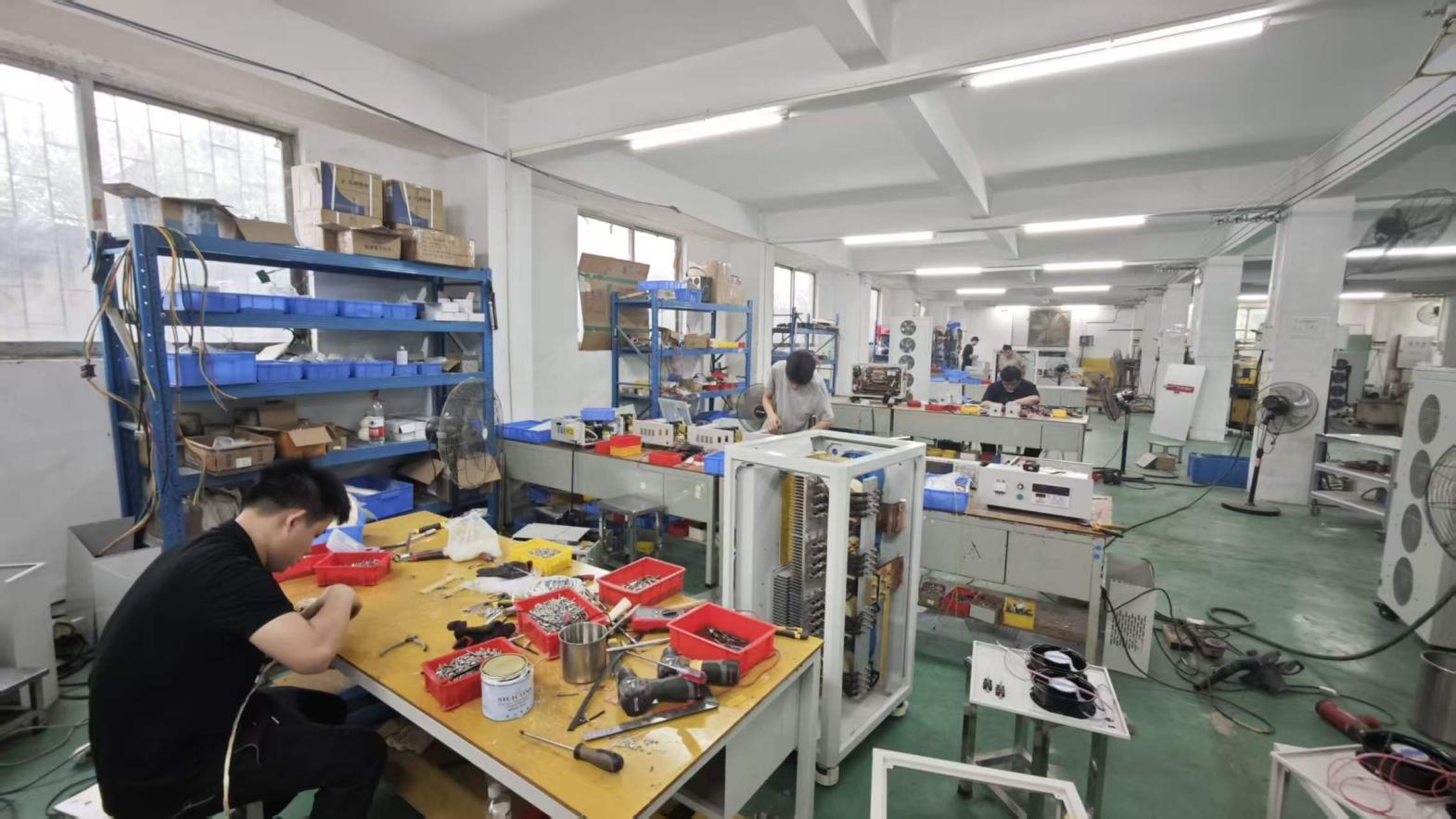
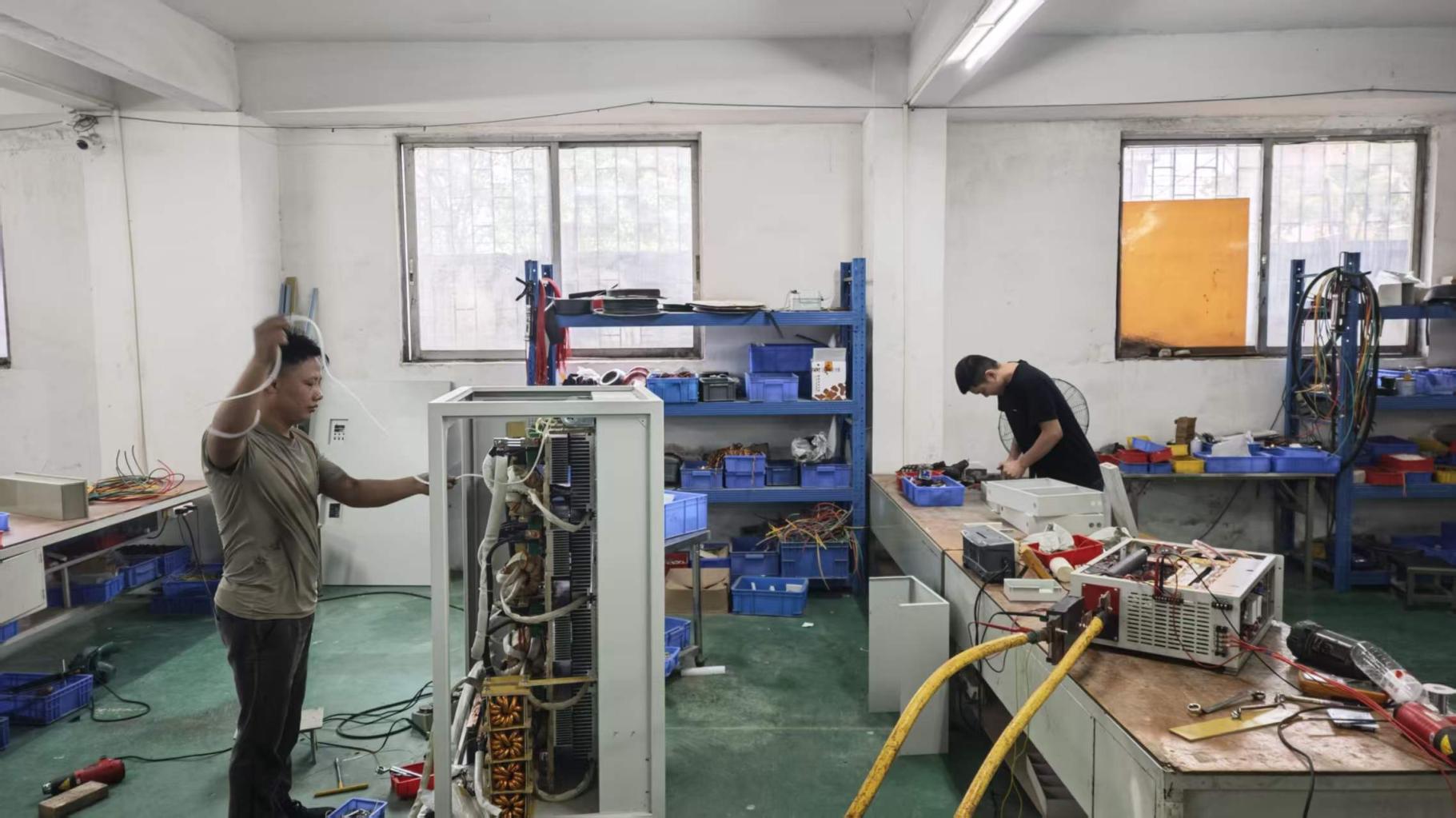
When sourcing industrial capital equipment for Philippine manufacturing lines, working with an original equipment manufacturer (OEM) rather than a trading reseller is paramount for custom electrical design, rapid component delivery, and accountable warranty fulfillment. Founded in 2013 in Guangzhou, Guangdong, China, Fenvix maintains complete vertical control over its 3,000m² manufacturing facility.
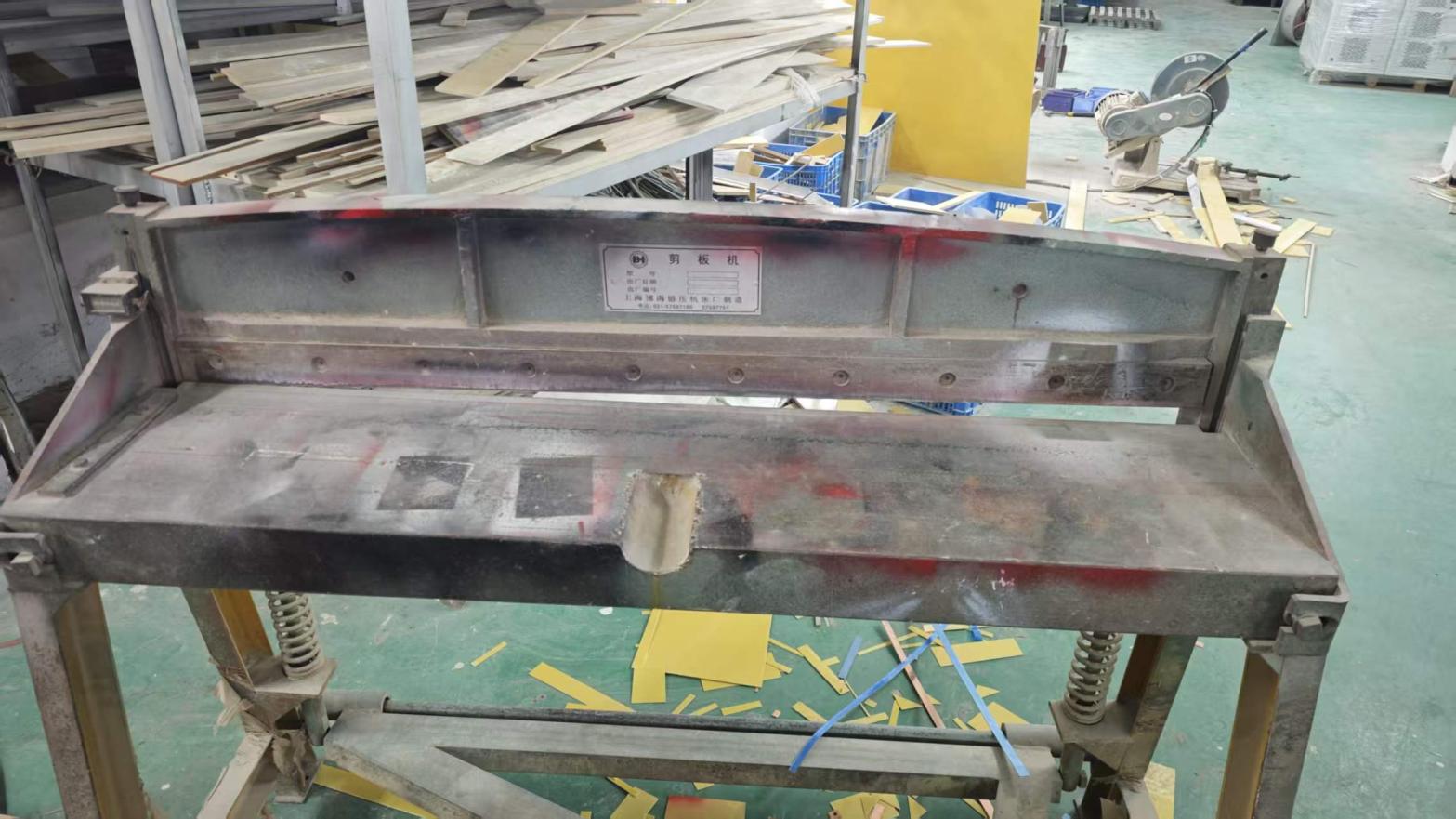
Unlike integrators who purchase third-party enclosures and pre-wound magnetics, Fenvix engineers and fabricates cabinet sheet metal, executes CNC punching, milling, drilling, and bends heavy high-conductivity electrolytic copper busbars in-house. This internal supply chain control ensures precision thermal mating with custom heat sinks, reduced lead times on non-standard voltage cabinets, and certified conformance to ISO 9001 quality management benchmarks audited independently on site by TÜV Rheinland.
Strategic Sourcing Advantages for Philippine Procurement & Engineering Teams
Direct procurement from our Guangdong manufacturing plant to the Port of Manila (South Harbor / MICT) or Batangas International Port provides exceptional supply chain velocity and cost efficiency:
- Zero Minimum Order Quantity (0 MOQ): We support single-unit bespoke pilot runs for R&D reliability labs, university engineering institutes, or specialized defense test jigs, scaling seamlessly to 50+ unit batch lines for multi-chamber factory expansions.
- PEZA Duty-Free Documentation Support: We routinely provide specialized export documentation including Certificate of Origin (Form E for ASEAN-China FTA preferential zero-tariff clearance), certified commercial invoices, packing lists, and test certificates to ensure frictionless tax-free processing through the Philippine Economic Zone Authority.
- Direct Engineering Collaboration: Discuss your specification directly with power electronics design engineers rather than sales intermediaries. We calculate cooling requirements, cable busbar ampacity drops, and harmonic mitigation tailored specifically to your facility's physical floor layout.
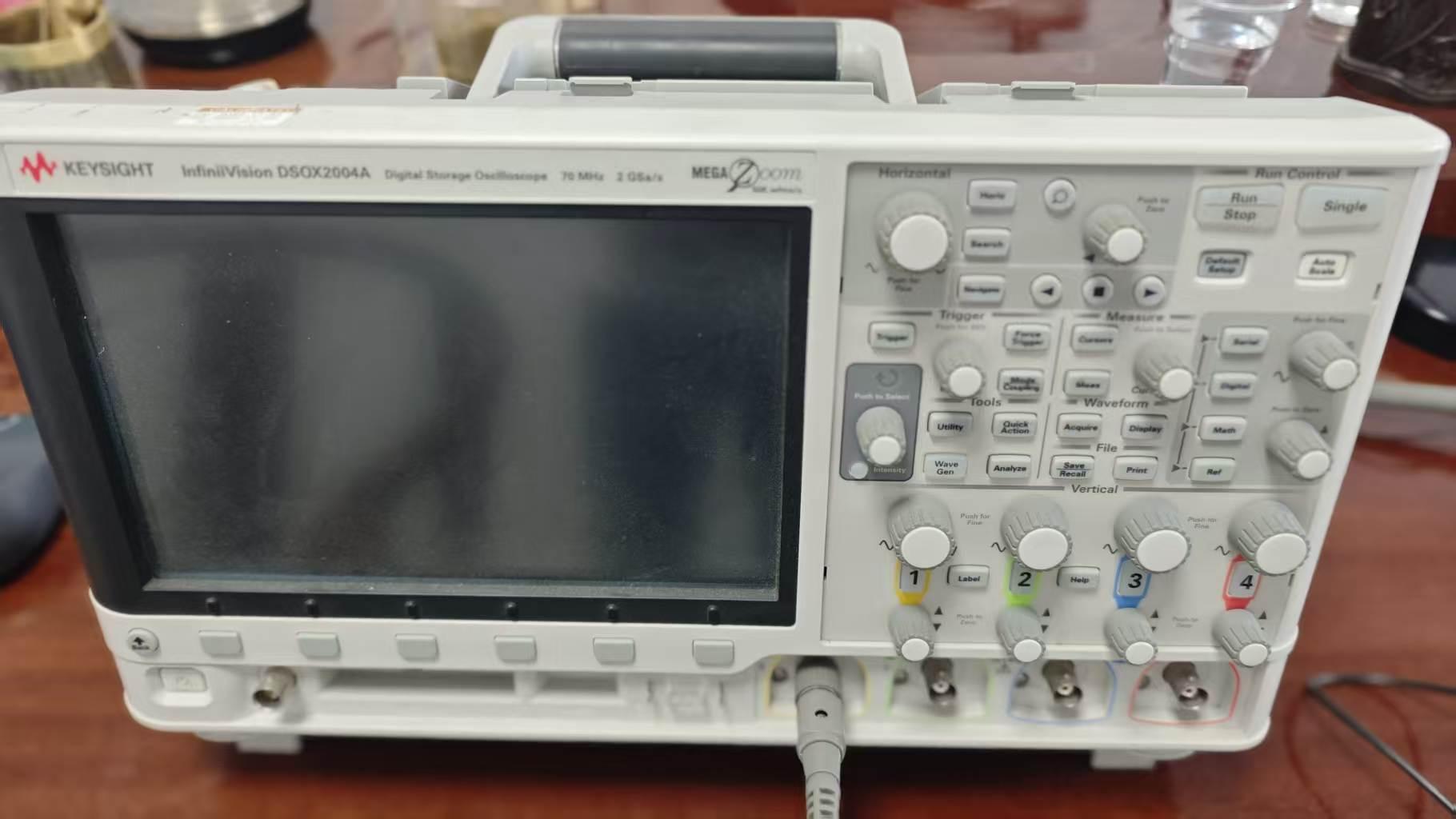
- Comprehensive Factory Burn-In Prior to Dispatch: Every custom power cabinet undergoes a documented 24- to 72-hour full-load, elevated-temperature burn-in procedure in our workshop before crating in seaworthy, fumigated wooden packaging.
ISO 9001 & CE Certified
Rigorous multi-stage quality control from raw sheet metal and copper purity verification to finished electrical compliance.
TÜV Rheinland Audited
Independent third-party on-site inspection verifies production line capability, assembly workmanship, and testing jigs.
Rapid Direct Transit
Only 3–5 days maritime transit from Guangzhou/Shenzhen ports to Manila, minimizing project delays and air freight overhead.
Dedicated Tech Support
Full schematic provisioning, step-by-step video commissioning guidance, and readily available modular spare parts.
Frequently Asked Questions: Manila & Philippine Buyers
Clear, direct technical and commercial answers regarding specifications, electrical standards, customs clearance, and long-term support.