Precision Heavy-Duty Industrial Rectifier Systems
High-efficiency, low-ripple IGBT rectifiers and static power supplies engineered for harsh electrochemical, industrial testing, and continuous manufacturing environments.
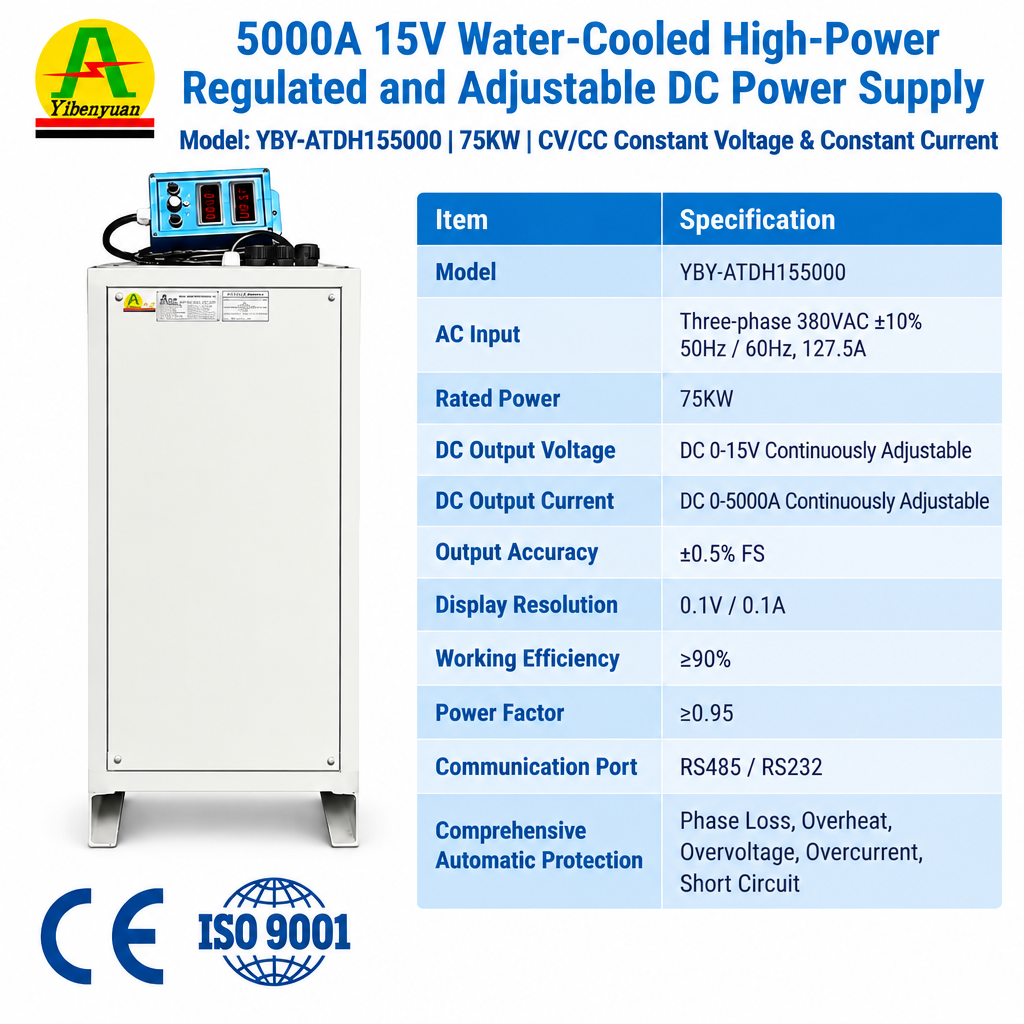
- Output Range12V–15V / 5000A–6000A
- Cooling TopologyDeionized Liquid Chilled
- Control ModeCV / CC Digital Switching
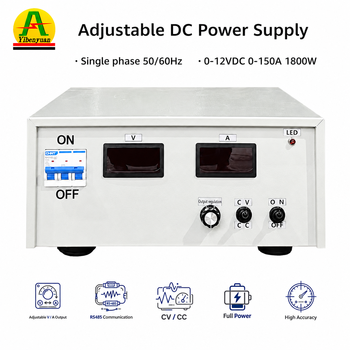
- Output Capacity12V / 150A Continuous
- Ripple Factor≤ 1% Low Ripple
- ComplianceCE, LVD, EMC Directives
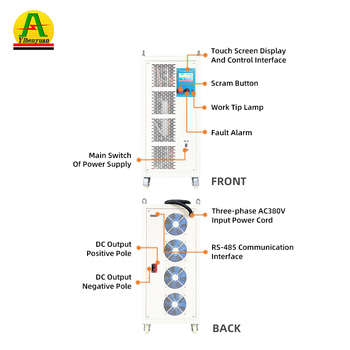
- Power Rating48 Kilowatt Continuous
- Duty Cycle100% 24/7 Operation
- InterfaceRS485 Modbus / 4-20mA
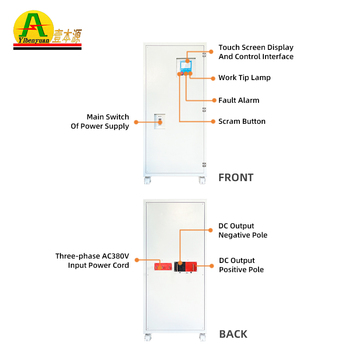
- Current OutputUp to 8000A Adjustable
- Cooling MatrixPure Copper Water Block
- EnclosureSealed Anti-Corrosion IP54
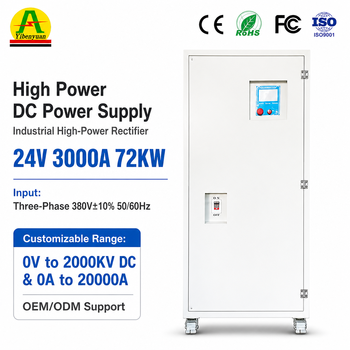
- Voltage Taps12V / 18V / 24V / Variable
- Ramp ProfilesMulti-Step Auto Ramping
- Target MetalHard Anodizing Alloys
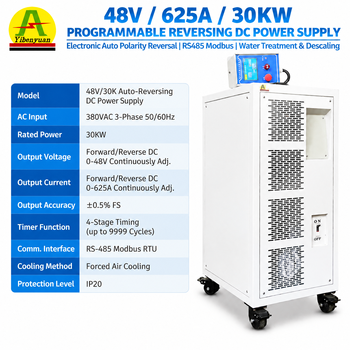
- Reversal CyclingElectronic H-Bridge Bridge
- Efficiency Level> 91% High Efficiency
- Primary RoleElectro-Descaling & Water
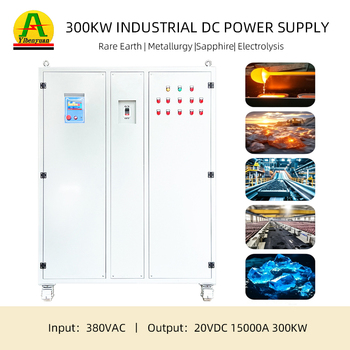
- Continuous Output20V / 15,000A Mega-Amperage
- Power Factor> 0.95 Active PFC Topology
- IsolationOptical Fiber Bus Gate
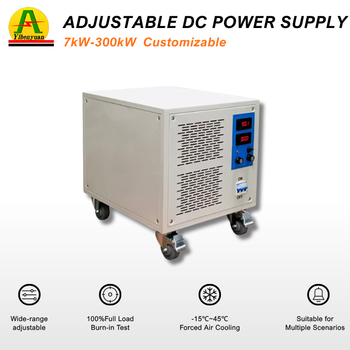
- Voltage Dynamic0–800V Continuous Trimming
- Transient Response< 2ms Step-Load Recovery
- CertificationCE, EMC, RoHS Approved
Comprehensive Strategic Whitepaper: Evaluating Industrial Rectifier Factories
Modern industrial direct current conversion has evolved far beyond rudimentary analog transformer assemblies. Global electrochemical production lines, advanced anodizing lines, industrial electrolysis arrays, and precision automated testing benches demand power conversion systems that merge rugged high-amperage durability with microsecond-grade semiconductor regulation. Selecting an industrial rectifier manufacturer demands an engineering-driven assessment of electrical design, thermal dynamics, harmonic suppression, and lifecycle component provenance.
Information Gain Benchmark: Top-tier industrial rectifier facilities differentiate themselves by internalizing mechanical cabinet metalworking, high-frequency copper busbar distribution, pulse-width modulation programming, and high-load thermal stress burn-in under real corrosive-load simulations.
1. Advanced Architectural Topologies: Silicon-Controlled Rectifiers (SCR) vs. High-Frequency IGBT
When engineering high-volume direct current equipment, the trade-off between legacy phase-controlled Silicon-Controlled Rectifiers (thyristors) and high-frequency Insulated Gate Bipolar Transistors (IGBT) switch-mode power supplies dictates both spatial requirements and long-term operating costs (OPEX):
Phase-controlled SCR units rely on massive iron-core 50/60Hz transformers. While intrinsically rugged against gross input over-voltages, their low frequency converts electrical power with high ripple content (frequently between 5% and 15% without secondary capacitive smoothing banks) and degraded operational power factor under partial loading (often dropping below 0.70). This induces parasitic energy loss, elevated line heating, and harmonic distortion back into plant substations.
Conversely, high-frequency switch-mode IGBT systems convert three-phase AC input into smooth, tightly regulated DC via high-frequency pulse-width modulation (PWM) operating from 20kHz to over 40kHz. This architecture yields multiple quantifiable engineering advantages:
- Sub-1% Current Ripple Factor: Guarantees uniform metal deposition in electroplating, eliminating microscopic dendritic grain formation and structural porosity across gold, silver, nickel, and chrome surfaces.
- Thermal Volume Reductions Exceeding 60%: Compact nanocrystalline core transformers supersede bulky iron cores, slashing factory floor footprint and enabling localized installation adjacent to dipping vats.
- High Power Factor (>0.93 to 0.98): Mitigates dynamic reactive power penalties imposed by utility grids, diminishing overall plant power loss by roughly 15% to 30% compared with aging thyristor stacks.
| Conversion Attribute | Legacy 12-Pulse SCR / Thyristor | High-Frequency IGBT Switch-Mode |
|---|---|---|
| Typical Electrical Efficiency | 72% – 82% (Load Dependent) | 90% – 94.5% Continuous |
| Standard DC Current Ripple | 5% – 12% RMS (Higher at Phase-Back) | ≤ 1% to 2% Peak-to-Peak Ultra-Low |
| Dynamic Slew Rate / Response | Slow (100ms – 300ms) | Sub-millisecond (< 2ms) Closed-Loop |
| Cabinet Footprint & Mass | Heavy (Heavy Iron Transformer) | Ultra-Compact Modular (1/3 Weight) |
| Input Power Factor | 0.65 – 0.78 at Reduced Amperage | 0.92 – 0.98 Consistent Across Band |
2. Thermal Dissipation Mechanics: Forced-Air vs. Closed-Loop Liquid Chillers
The lifespan of high-density power semiconductor modules relies on active junction temperature containment. A continuous 10°C increase in IGBT operating temperature degrades mean time between failures (MTBF) by roughly half.
Forced-Air Cooling: Ideal for dry testing bays and localized electronics laboratories. However, in aggressive surface finishing, chemical anodizing, and electrowinning plants, forced-air pulls airborne sulfuric acid mists, alkaline vapors, and conductive metallic particulates directly through internal power boards. Even high-grade conformal varnishes degrade over time, triggering catastrophic short circuits.
Closed-Loop Liquid / Water Cooling: Designed for high-current applications exceeding 3,000A to 15,000A. Liquid-cooled rectifiers channel treated deionized coolant through precision copper cooling channels mounted directly to isolated power semiconductors. This enables fully enclosed IP54 or IP65 sealed cabinet configurations, separating high-frequency gate circuits from ambient acid fumes and significantly extending field longevity.
Future Technology Trends Shaping Industrial DC Procurement
Strategic purchasing decisions require anticipation of regulatory evolutions, digital interface transformations, and modern power electronics advancements.
Wide Bandgap Semiconductors (SiC & GaN)
Commercial high-power rectifiers are progressively integrating Silicon Carbide (SiC) MOSFET switches. SiC delivers higher breakdown field strengths, lower thermal dissipation, and elevated switching frequencies up to 100kHz, driving system efficiency past 96% while reducing cooling requirements.
Modular Parallel Redundancy (N+1 Matrix)
Single massive centralized rectifier stacks are being replaced by hot-swappable N+1 modular architectures. If one 2,000A sub-rack goes offline, adjacent modules automatically balance the load, preventing plant downtime and expensive plating tank crystallization.
Industry 4.0 & Industrial IoT Telemetry
Modern rectifiers must interface seamlessly with SCADA systems. Legacy isolated 0-10V analog wiring is transitioning toward secure industrial Ethernet (EtherCAT, Modbus-TCP, Profinet), delivering real-time current logging, preventive ripple analysis, and automated self-calibration.
Evaluating Overseas Rectifier Factories: Auditing Manufacturing Integrity
Sourcing directly from manufacturing powerhouses in Guangdong, China provides notable cost and customization advantages, provided the facility maintains in-house engineering and systematic quality control. Discerning industrial buyers evaluate prospective factory partners through rigorous verification criteria:
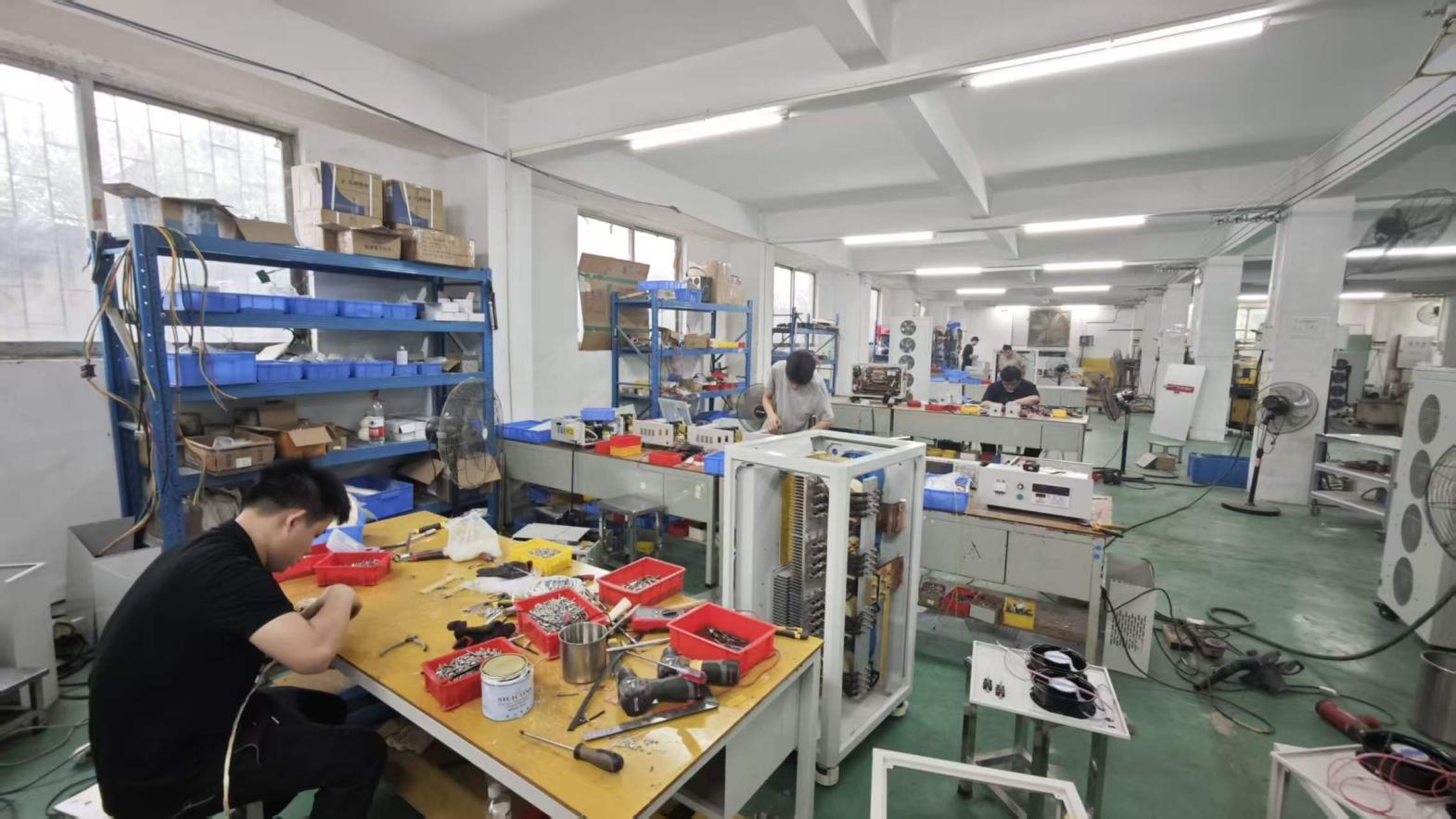
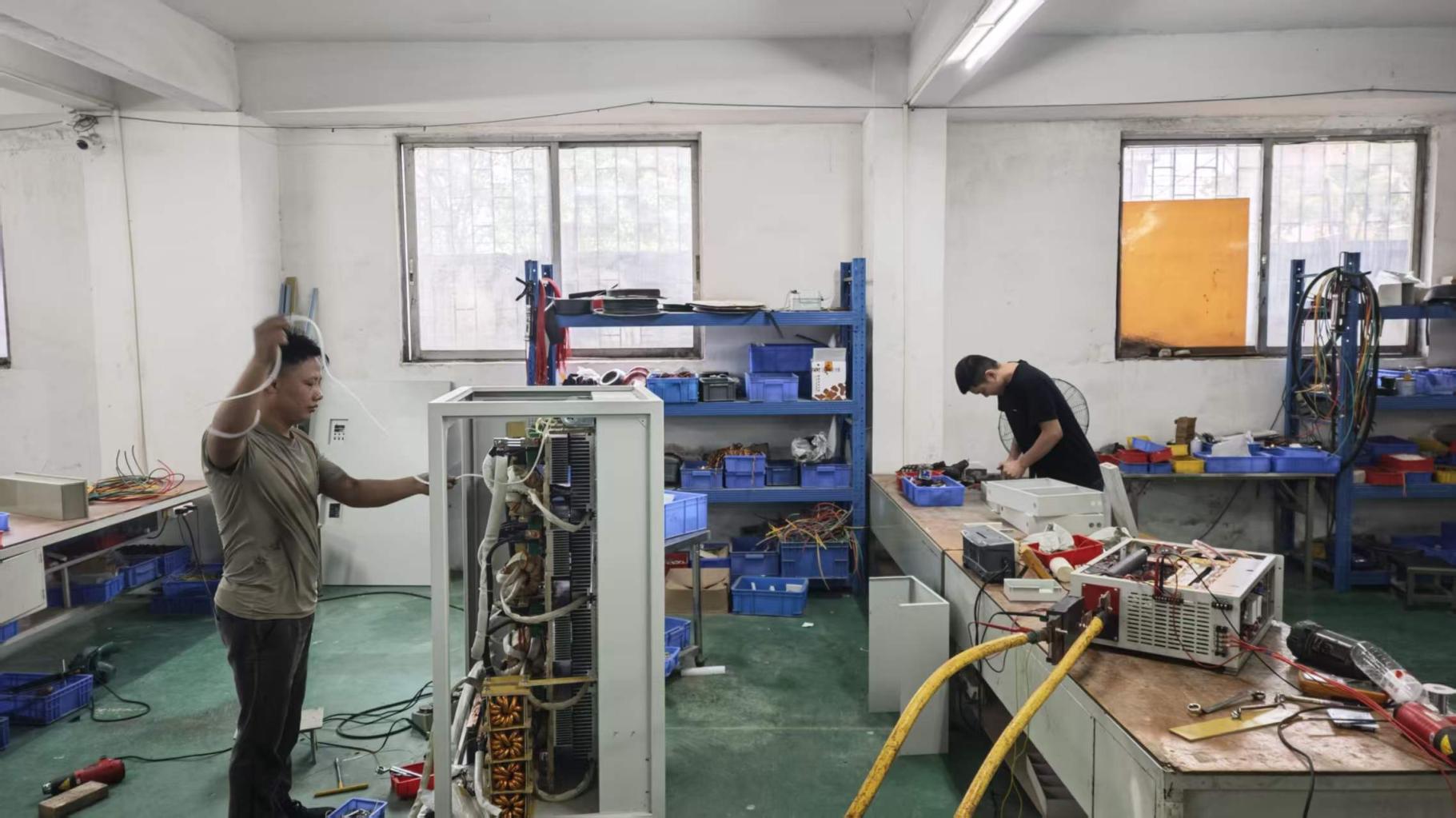
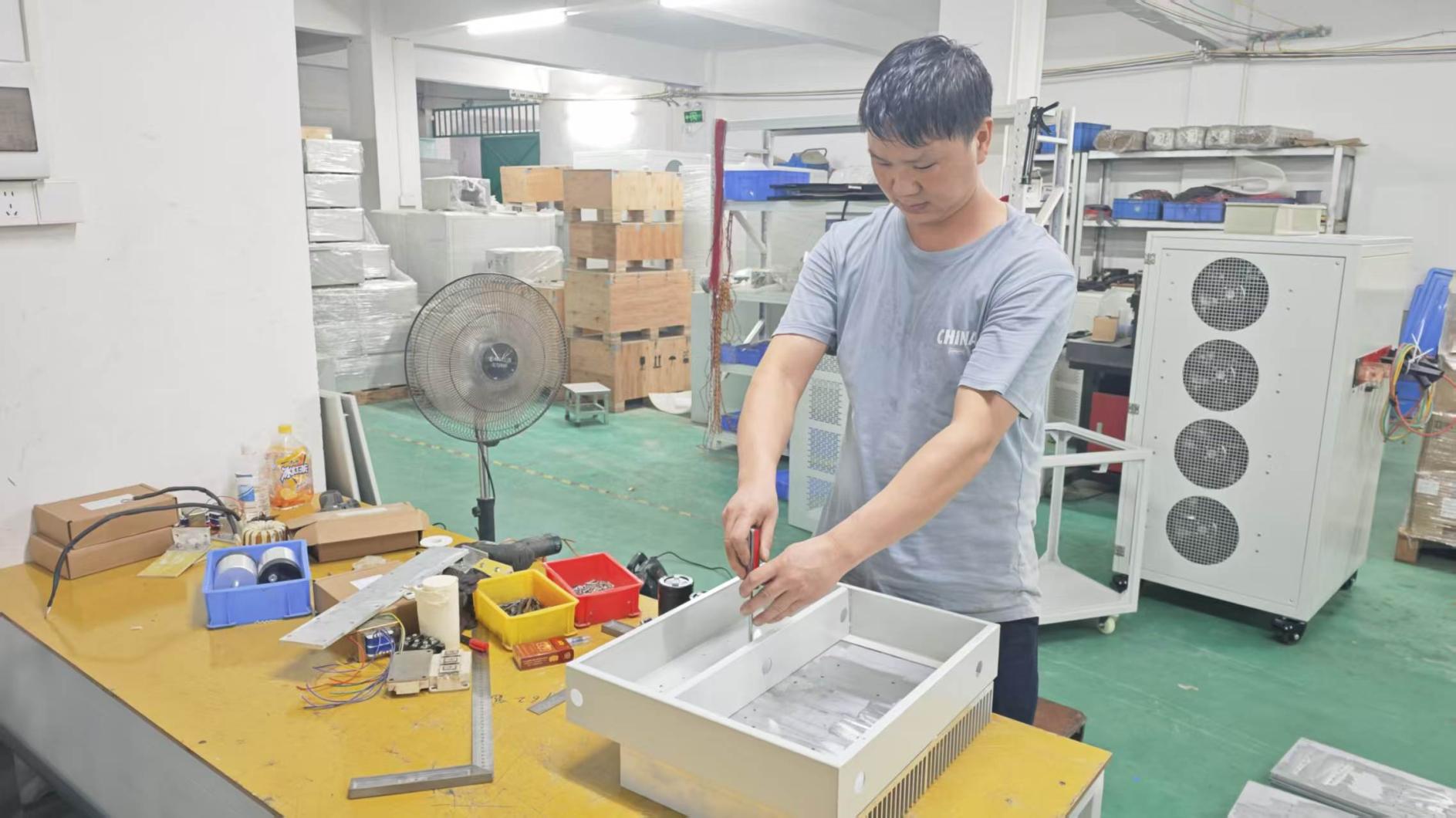
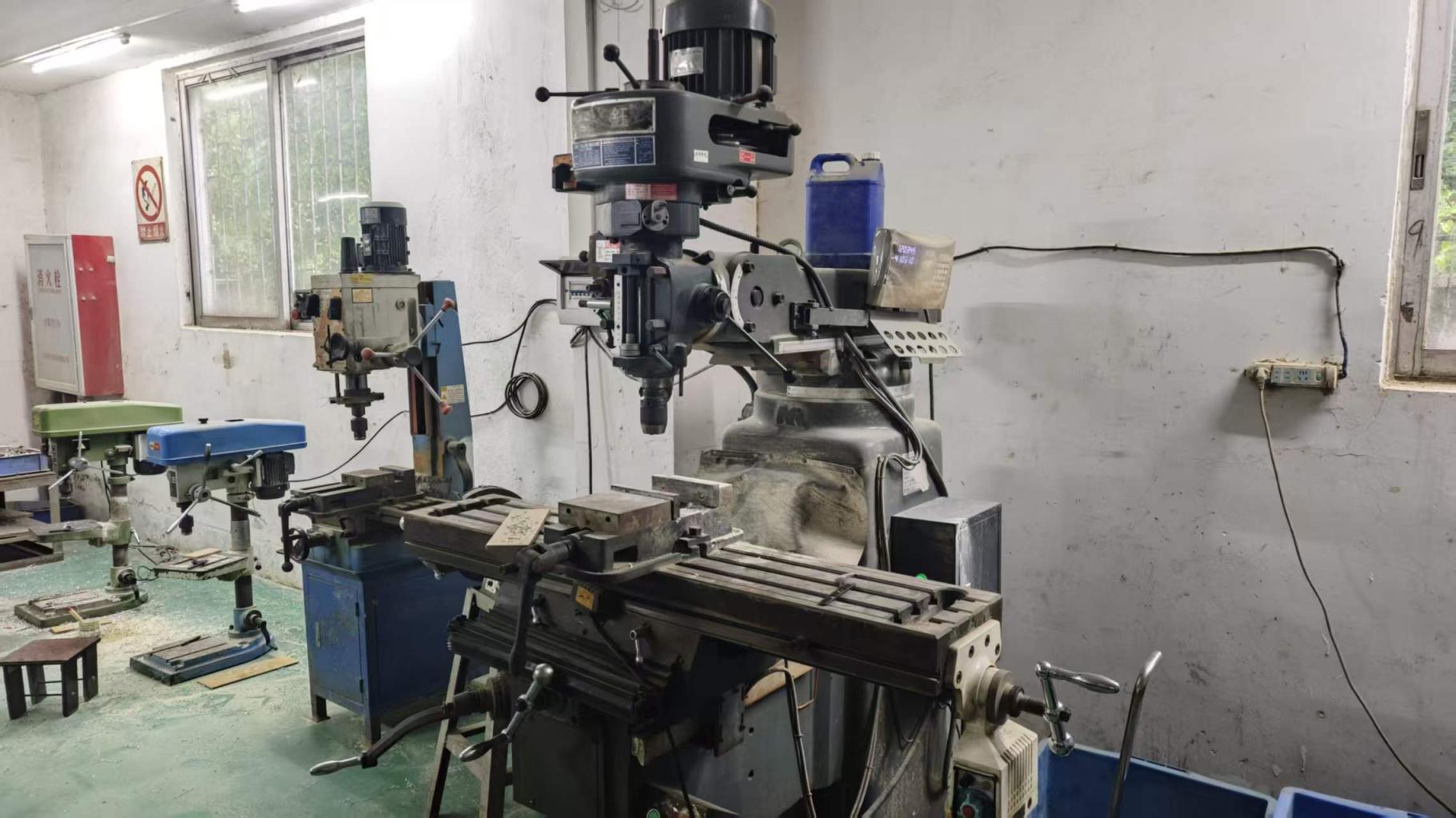
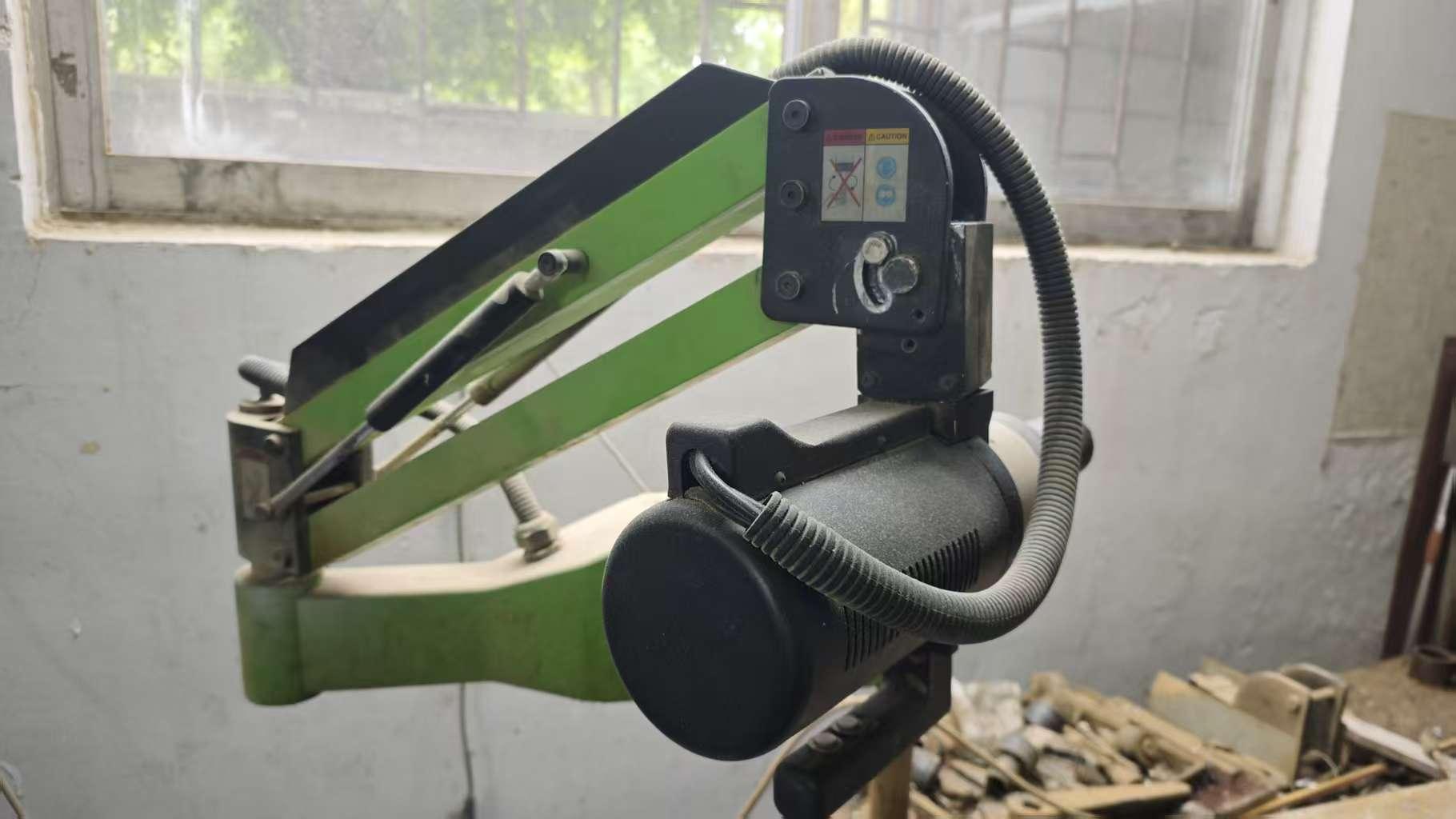
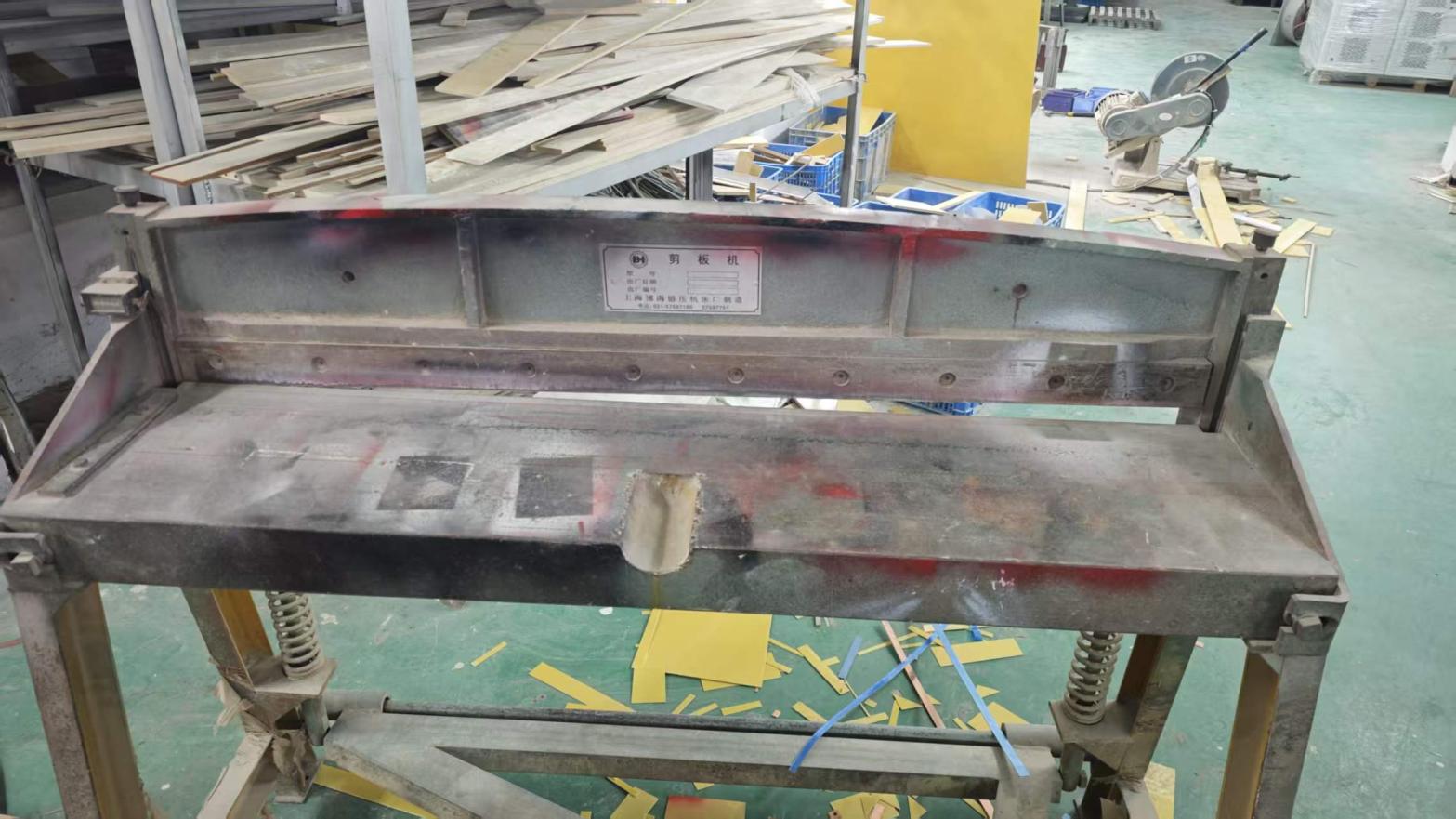
Complete In-House Mechanical & Electrical Assembly: Many intermediary trading companies outsource sub-assemblies across disparate workshops. A credible manufacturing facility like Guangdong Fenvix Technology controls the complete workflow: sheet metal cabinet shearing, automated CNC copper busbar bending and tin-plating, printed circuit board SMD insertion, harness assembly, and finished-product integration within a single ISO 9001 certified environment.
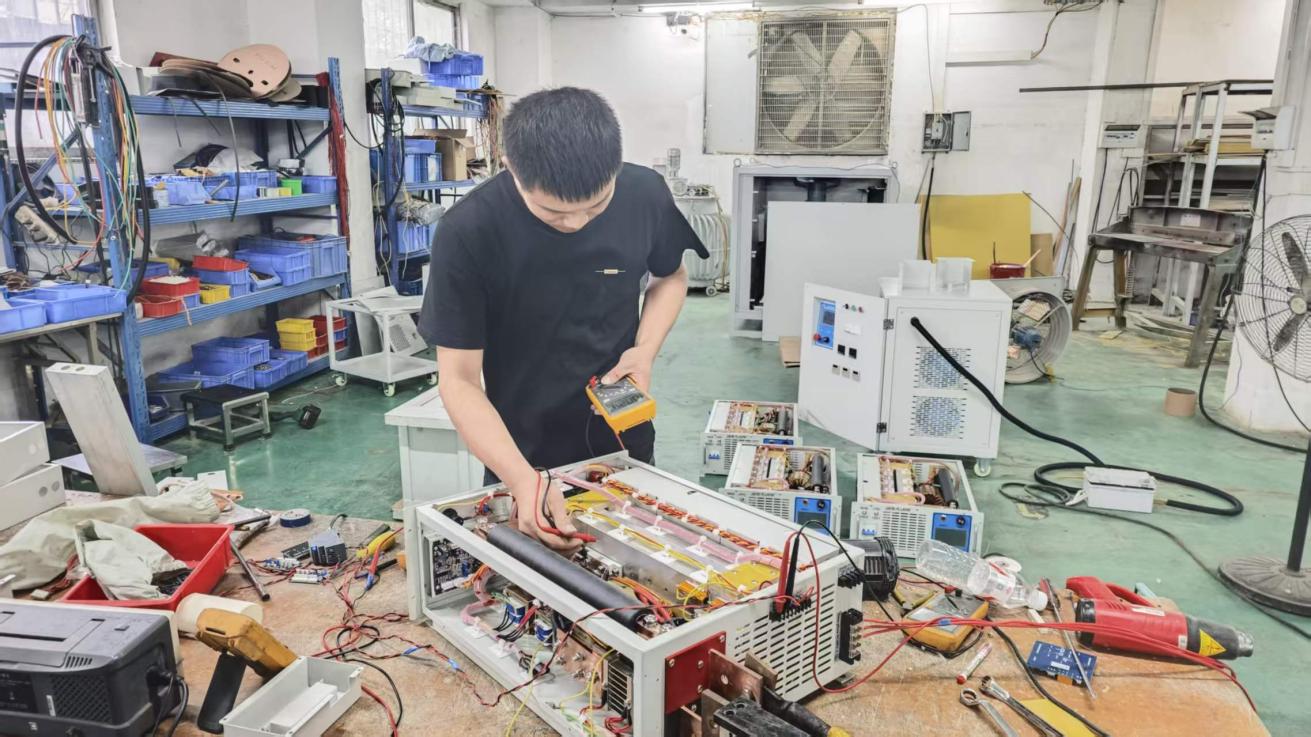
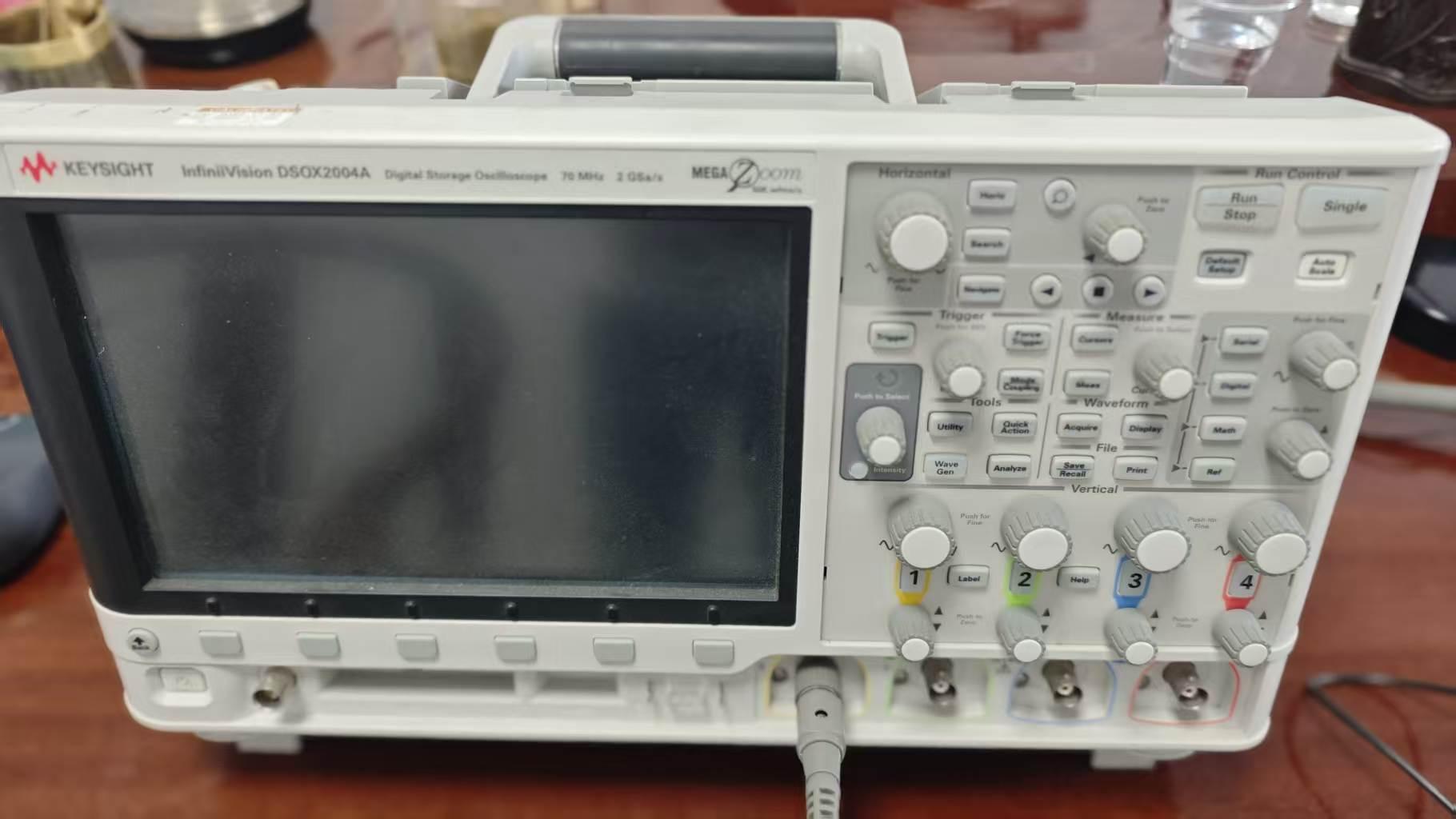
Full-Load Burn-In Qualification: True verification extends beyond basic power-on continuity checks. Authentic factories operate dedicated continuous-duty resistive and inductive load banks, subjecting completed 5,000A to 15,000A water-cooled rectifiers to multi-hour full-load thermal equilibrium testing, oscilloscope ripple mapping, and precision breakdown voltage analysis before packing.
Verified Manufacturing Infrastructure & In-House Engineering
A closer look inside the production floor: comprehensive toolsets and precision machining powering high-reliability industrial power units.
Industrial Rectifier Procurement FAQ
Key technical, financial, and logistical insights for engineering consultants, plant operators, and procurement managers.
What technical parameters are required to configure a custom industrial rectifier? +
Why are high-frequency IGBT rectifiers superior to conventional silicon-controlled thyristors for metal finishing? +
Under what operational conditions is water cooling mandated over forced-air ventilation? +
What quality management certifications and safety compliances govern factory production? +
Does the factory accept low-volume prototype builds, and what are the standard international trade terms? +
Need a Heavy-Duty Custom DC Rectification Solution?
Connect directly with our senior power systems application engineers. We evaluate your process vat dimensions, input grid power, and load curves to provide comprehensive design proposals within 24 hours.
Contact Us