Water-Cooled
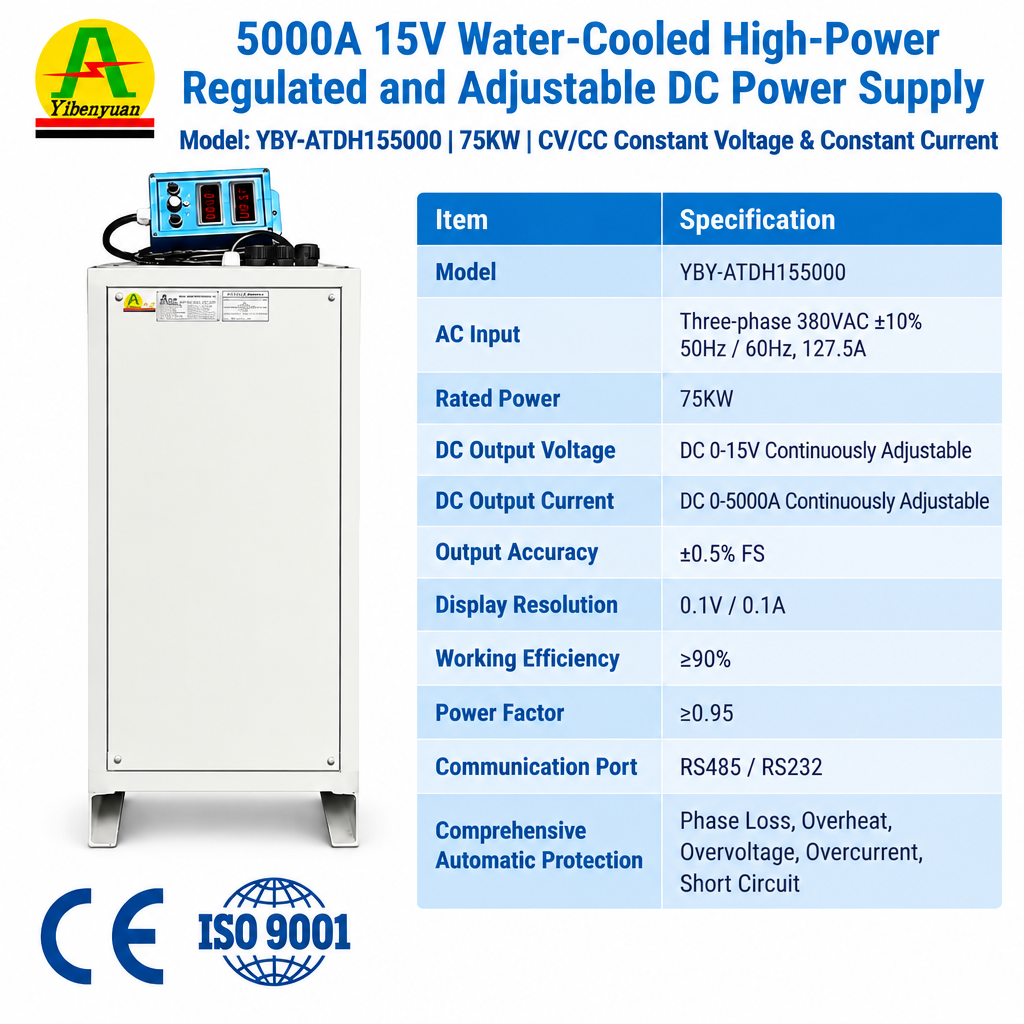
12V–15V 5000A/6000A 75kW Water-Cooled Rectifier
- Topology: IGBT Switch-Mode
- Cooling: Closed-Loop Water
- Ripple Factor: ≤ 2% RMS
- Interface: RS485 / Modbus RTU
Advanced switch-mode architectures engineered for heavy duty surface treatment, precision laboratory characterization, and critical aerospace support.
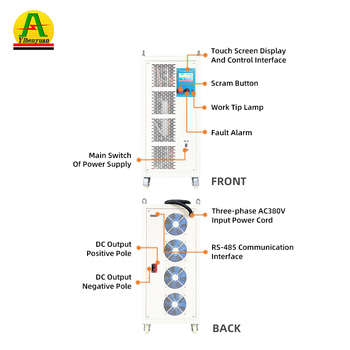
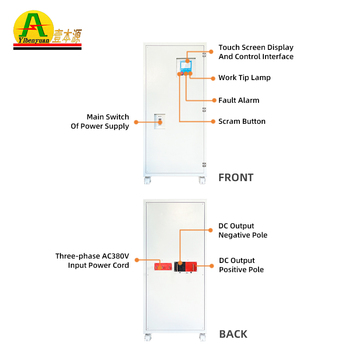
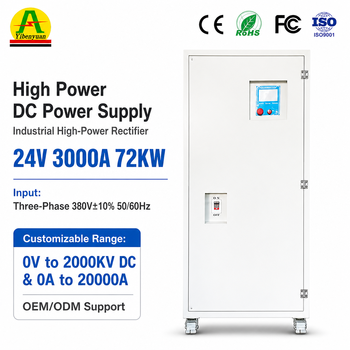
An authoritative analysis into the circuit configurations, pulse-width modulation techniques, and thermal dissipation systems that drive modern OEM power conversion.
Industrial applications requiring high direct current or elevated direct voltages historically relied on silicon-controlled rectifier (SCR) thyristor technology. While SCR architectures offer brute-force survivability, their massive 50/60 Hz line-frequency transformers exhibit severe thermal inefficiency, power factors below 0.70 at low voltage settings, and excessive low-frequency current ripple that accelerates chemical passivity in electrodeposition lines.
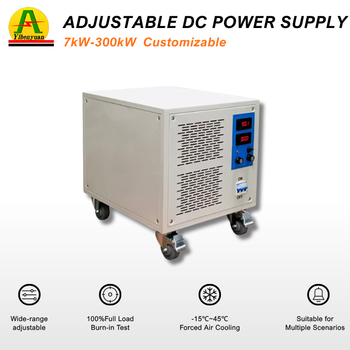
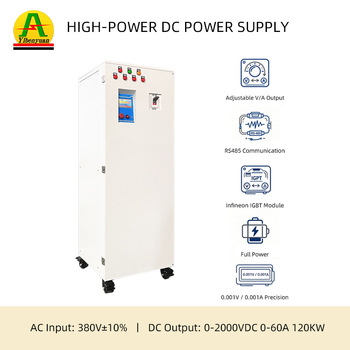
Our OEM regulated architectures employ high-frequency switch-mode rectification based on insulated-gate bipolar transistor (IGBT) and silicon carbide (SiC) MOSFET bridge topologies. Switching at frequencies between 20 kHz and 100 kHz drastically shrinks magnetic core volume, elevates electrical conversion efficiency beyond 92%, and curtails residual output ripple to below 1-2% RMS.
In high-precision manufacturing, transition speed and setpoint stability between Constant Voltage and Constant Current define process yields. When an electrochemical cell, electrolytic tank, or electric motor load shifts resistance dynamically, our high-bandwidth digital feedback loops react within sub-millisecond windows to enforce setpoint stability.
By implementing dual-loop hardware control with secondary high-speed operational feedback, our systems eliminate overshoot during step-load transients. The switch-over between CV and CC is entirely automatic, protecting sensitive semiconductor wafers, aircraft avionics, and high-purity plating substrates from catastrophic current-spiking or voltage runaway.
Thermal mitigation dictates the operational lifespan and reliability of regulated power systems delivering sustained kilowatt and megawatt outputs. In aggressive environments—such as acid-mist plating lines, electro-chlorination facilities, and dusty foundry floors—standard forced-air cooling draws corrosive contaminants directly across sensitive PCB traces and power modules.
To overcome this, we design closed-loop, liquid-cooled cooling topologies using seamless red copper (T2) cold plates and deionized water heat exchangers. By isolating internal power semiconductors inside completely sealed NEMA 4X / IP55-rated enclosures, heat is transferred through non-conductive liquid circuits, eliminating internal corrosion and slashing thermal resistance.
Review performance baselines configured by our engineering department for global plant deployments.
| Topology Category | Input Voltage Window | Output Regulation Precision | Ripple & Noise Factor | Typical Efficiency | Ideal Deployment Scope |
|---|---|---|---|---|---|
| High-Frequency IGBT Switch-Mode | 220V–480V AC ±15%, 3-Phase | ≤ 0.5% Setpoint Fidelity | ≤ 1.5% RMS Peak-to-Peak | 90% – 94% | Electroplating, Anodizing, Descaling |
| Wide-Bandgap SiC Programmable | 380V–480V AC 50/60Hz | ≤ 0.1% Setpoint Fidelity | ≤ 0.05% Full Scale | 94% – 96% | EV Powertrain Validation, Battery Sim |
| High-Voltage Pulse/Capacitor Charging | Single or 3-Phase Standard | ≤ 0.2% Voltage Repeatability | Ultra-Low EMI Filtered | 88% – 92% | Capacitor Banks, Electrospinning, E-Coat |
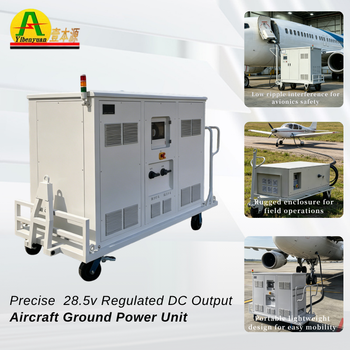
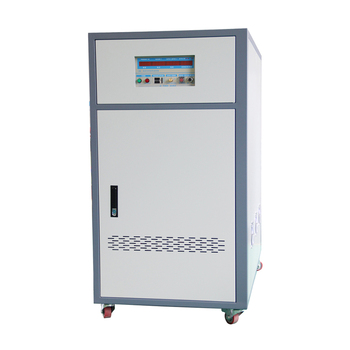
| Solid-State 400Hz Frequency Converter | Three-Phase AC Commercial Grid | ≤ 1.0% Voltage & ≤ 0.01Hz Freq | THD < 2.5% Pure Sine Wave | 89% – 93% | Commercial/Defense Aircraft Hangars |
Market forces, decarbonization mandates, and digitized automation are radically restructuring how industrial enterprises specify and source power supply hardware.
Industrial procurement is shifting rapidly toward Silicon Carbide (SiC) switching matrices. SiC devices handle dramatically higher junction temperatures and breakdown voltages while reducing switching losses by up to 70%. Buyers prioritize these architectures for extreme power-density footprints and lower lifetime cooling expenses.
Stand-alone, unmonitored power supplies are being phased out in modern automated plants. Procurement mandates demand native integration of Modbus-TCP, Profinet, EtherCAT, and CANopen protocols. Real-time telemetry tracking voltage drop, ripple drift, thermal metrics, and runtime hours feeds into predictive maintenance systems.
Global industrial operators are rejecting monolithic power frames where a single internal component failure forces entire production line shutdowns. Next-generation capital investments focus on modular, parallelable power chassis with N+1 active redundancy, allowing rapid in-field replacements without process interruption.
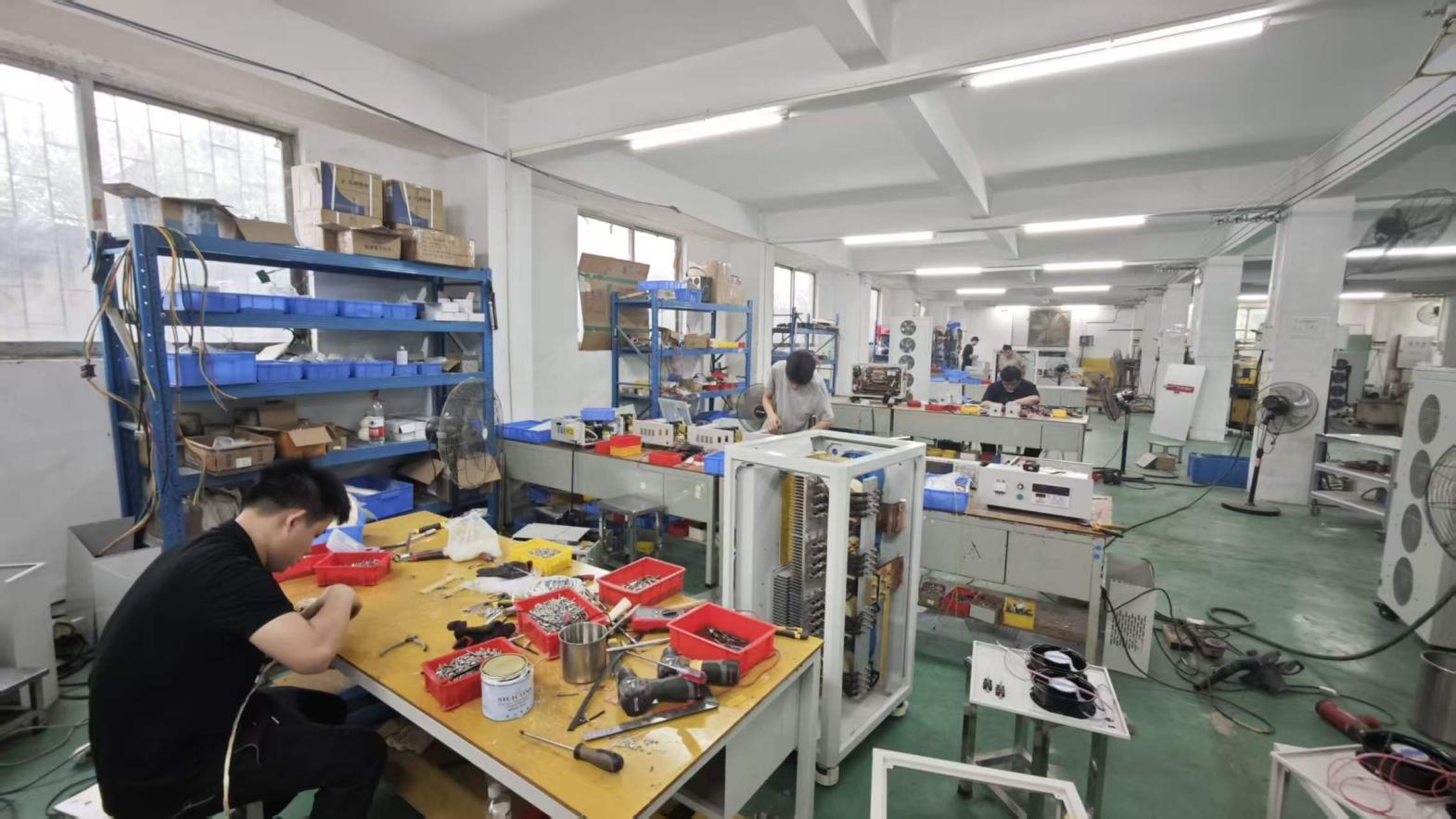
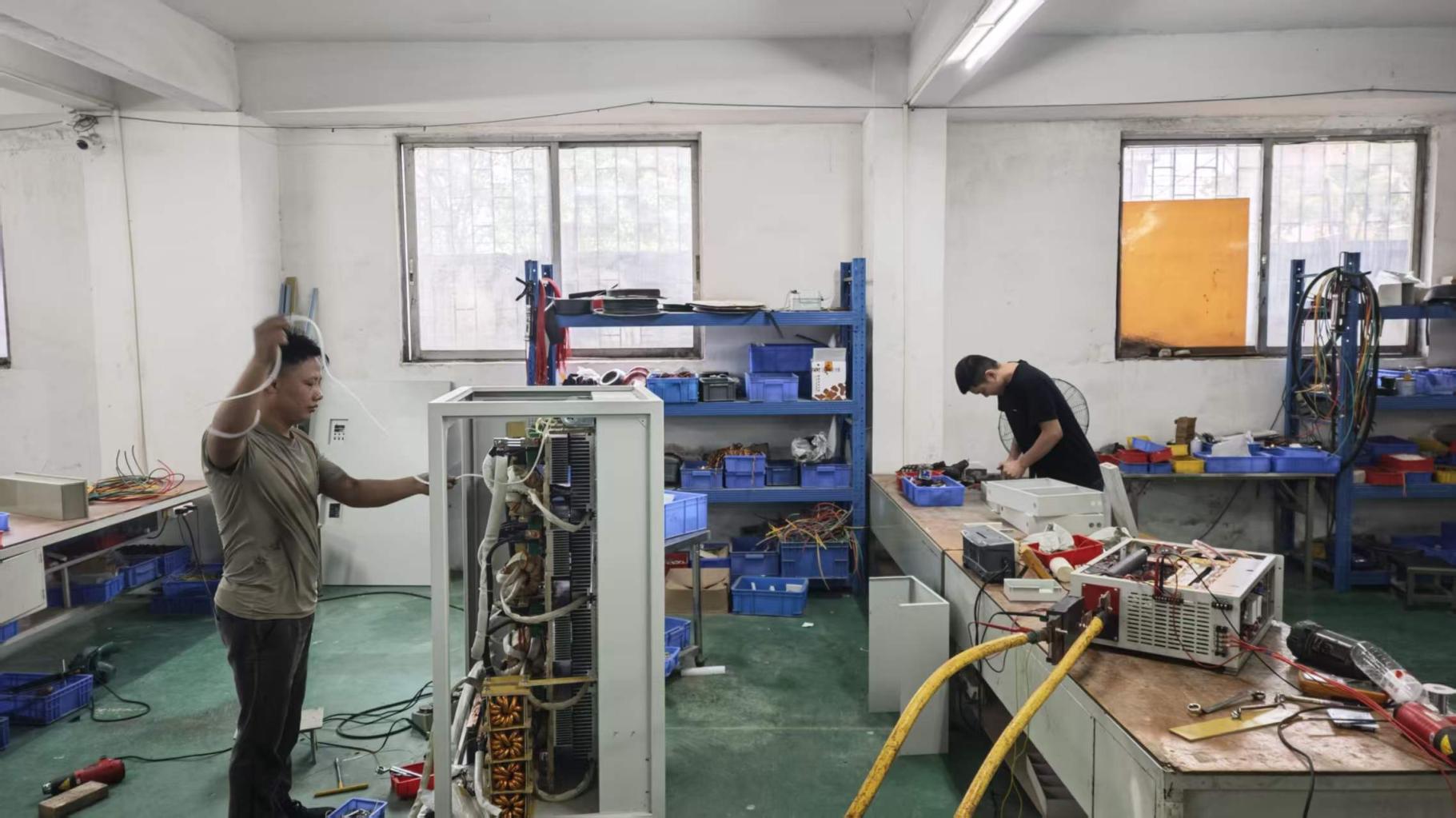
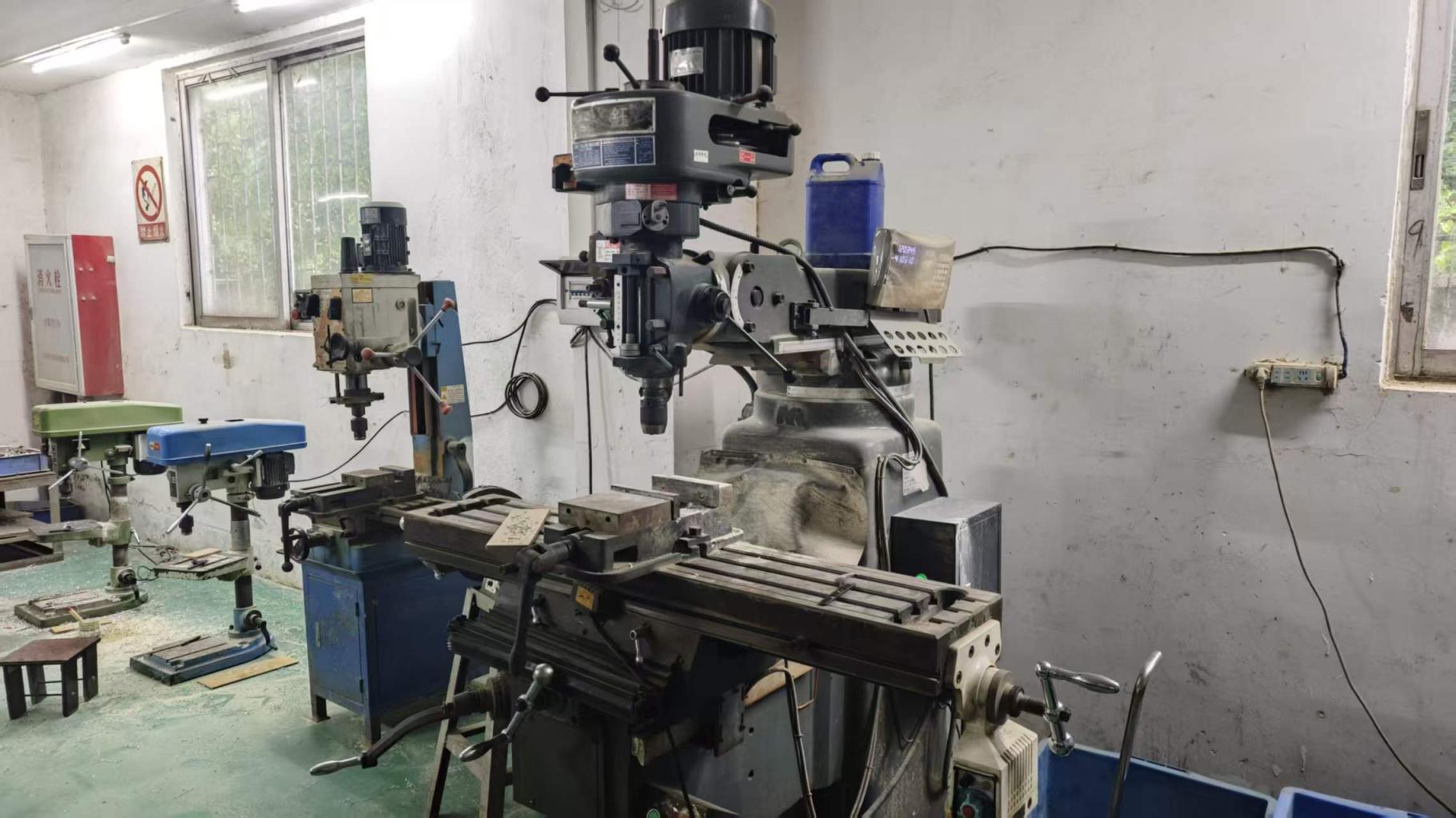
Unlike export traders, Guangdong Fenvix Technology operates complete sheet metal processing, CNC machining, winding, assembly, and full-load burn-in testing under one roof.
Our heavy-duty cabinets and enclosure assemblies are cut, sheared, punched, and welded on site. We control physical tolerances, anti-corrosive powder treatments, and ingress gaskets directly.
We machine high-purity T2 copper busbars utilizing automated punching, drilling, milling, and tin-plating lines to minimize joint resistance and eliminate localized hotspots under extreme currents.
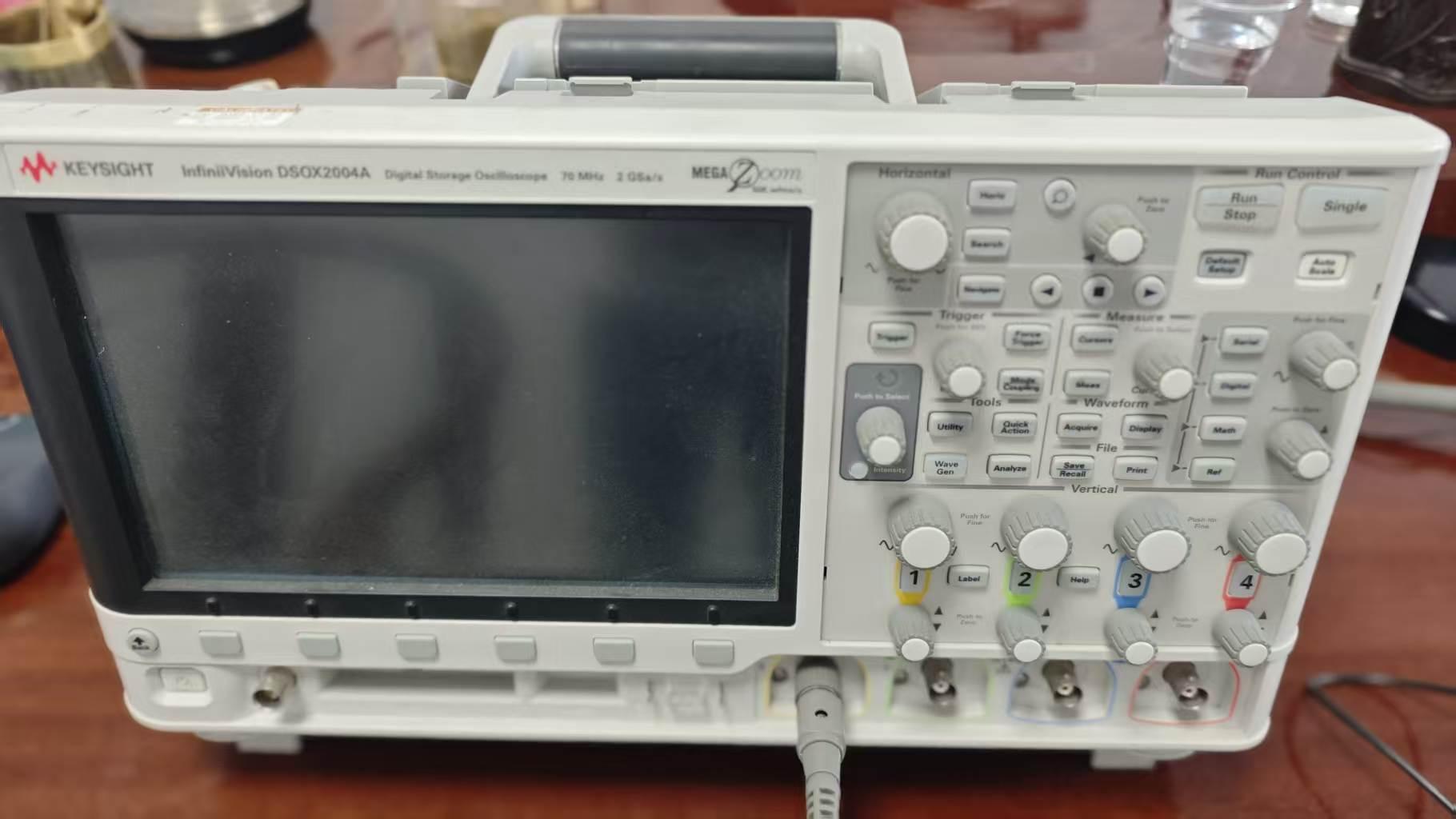
No power system leaves our factory without rigorous load-bank burn-in, oscilloscope harmonic scrutiny, high-voltage breakdown insulation checks, and thermal imaging verification.
From single prototype units for pilot R&D plants to customized high-volume OEM chassis orders, our engineering team tailors voltages, control schemes, physical dimensions, and private labeling.
Direct technical answers addressing electrical parameters, custom configurations, cooling choices, and international logistical terms.
Need a customized voltage curve, specialized polarity-reversing timer, or tailored rack-mount form factor? Share your exact electrical requirements and our engineering team will provide a comprehensive proposal within 24 hours.