Featured

12V/15V 5000A–6000A 75KW Water-Cooled DC Rectifier
- Output Voltage: 0–15V DC Variable
- Output Current: 5000A–6000A Continuous
- Cooling Topology: Deionized Water Cooling
- Ripple Factor: ≤ 2% Full Load
Precision-engineered, low-ripple direct-current power supplies customized for Type II sulfuric anodizing, Type III hard anodizing, continuous electroplating lines, and electrochemistry processes.
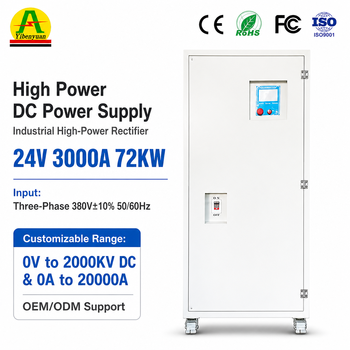
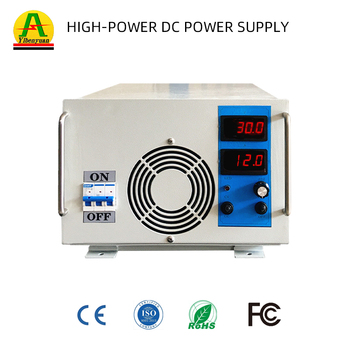

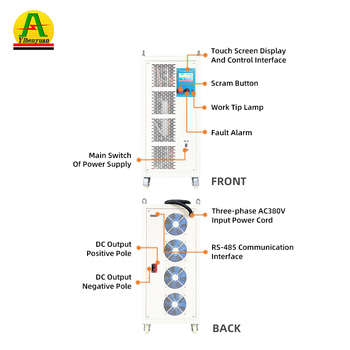


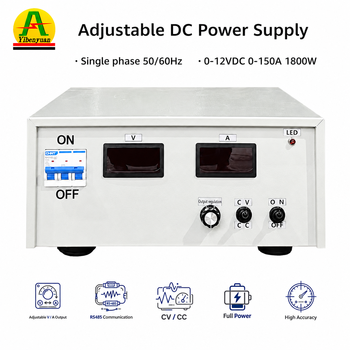
In contemporary electrochemistry and precision metal surface treatment, the transition from conventional Silicon Controlled Rectifiers (SCR / Thyristor) to High-Frequency Insulated Gate Bipolar Transistor (IGBT) Switch-Mode Rectification represents a foundational technological leap. Industrial aluminum anodizing—specifically Type II decorative sulfuric anodizing, Type III hardcoat anodizing (MIL-A-8625), and architectural profile processing—requires strict electrochemical control over current density and pore formation dynamics.
Conventional SCR power units deliver low-frequency (300Hz–360Hz) output wave patterns characterized by significant residual ripple voltage, typically exceeding 5% to 8% RMS unless mitigated by massive LC filter inductors. In contrast, modern switch-mode rectifiers operate at switching frequencies ranging between 20kHz and 50kHz. By transforming the incoming AC supply into DC, inverting it at high frequencies via pulse-width modulated (PWM) IGBT bridges, stepping it down through nanocrystalline transformers, and rectifying it via ultra-fast recovery Schottky diodes, these systems limit DC output ripple to below 1%–2% across total operational envelopes.
Sourcing engineers and plant managers must consider total operational expenditure (OPEX), floor footprint, and electrochemical film consistency. The following engineering comparison outlines the key technical metrics governing power conversion across surface finishing setups:
| Evaluation Parameter | High-Frequency IGBT Rectifier | Legacy SCR / Thyristor Rectifier | Direct Operational Impact |
|---|---|---|---|
| Operating Efficiency | 88% – 92% Typical | 70% – 78% Typical | 15%–20% reduction in plant power consumption |
| Current Ripple Factor | ≤ 1% – 2% Full Spectrum | ≥ 5% – 12% Low End | Uniform oxide cell density, no "burning" at tank edges |
| Power Factor (cos φ) | ≥ 0.93 – 0.96 | 0.65 – 0.75 (Lagging) | Eliminates reactive power utility surcharges |
| Physical Weight & Size | Ultra-compact, modular footprint | Heavy, large transformer cabinets | 60% space conservation; allows overhead mezzanine mounting |
| Dynamic Response Time | < 5 Milliseconds | 40 – 100 Milliseconds | Accurate ramp profiles prevent thermal shock to barrier layers |
| Thermal Rejection Method | Deionized Water or Forced Air | Oil-immersed or natural convection | Complete hermetic sealing against acidic ambient vapors |
The formation of aluminum oxide ($Al_2O_3$) films during hardcoat anodizing involves an equilibrium between electro-chemical oxide growth and chemical dissolution by sulfuric electrolytes. At higher voltages (up to 60V–100V DC) and elevated current densities (2.5A/dm²–4.0A/dm²), excessive ripple creates microscopic localized over-current spikes. These spikes cause localized thermal build-ups at component corners and edges, leading to catastrophic film collapse known as "burning" or "soft coating" defect states.
Precision IGBT switch-mode rectifiers integrate true Constant Current (CC) control with programmable ramp-up capabilities. As oxide layer thickness increases and dielectric electrical resistance rises, the power supply automatically ramps its compliance voltage smoothly, preventing current surges. Furthermore, pulse anodizing sequences allow relaxation periods where heat dissipates from the bottom of microscopic cell pores, enabling deeper micro-hardness (up to 450–550 HV0.05) and tighter dimensional tolerances across architectural profiles and CNC precision parts.
How automation, green energy mandates, and smart metallurgy are restructuring OEM/ODM rectifier equipment design through 2026 and beyond.
Silicon Carbide (SiC) MOSFETs are actively replacing silicon IGBTs in ultra-high-current rectifier blocks, pushing switching frequencies past 100kHz, elevating conversion efficiencies beyond 95%, and slashing heat output by nearly 40%.
Industrial rectifiers are no longer standalone cabinets. Modern units feature integrated Industrial Ethernet (PROFINET, EtherNet/IP, Modbus-TCP) streaming high-resolution voltage, current, and ripple data directly to ERP and MES networks for automated bath tracking.
Rather than procuring massive monolithic power cabinets, global plating lines deploy N+1 hot-swappable modular rectifier banks. If a single module experiences a failure, the remaining units dynamically adjust output without terminating continuous bath cycles.
To eliminate failure points caused by airborne sulfuric or chromic acid aerosols, plant managers are transitioning to closed-circuit liquid-cooled designs (IP55/IP66). Direct water-jacket cooling keeps internal semiconductors completely isolated from corrosive atmospheres.
Anodizing automotive structural alloys and aerospace titanium requires nuanced electrical control. Forward-looking rectifiers store custom recipes with millisecond pulse reversals, bi-polar duty cycles, and stair-step voltage ramps directly on onboard touchscreens.
Global ESG initiatives require surface finishing companies to report the exact kilowatt-hour (kWh) consumption required to finish each square meter of aluminum profile. Integrated precision energy metering provides audit-ready data for green building and automotive supply chains.
Guangdong Fenvix Technology Co., Ltd. operates as a dedicated OEM/ODM designer and turnkey manufacturer of high-power industrial rectifiers and DC power systems. Established in 2013 in Guangzhou, Guangdong, China, our organization bridges non-standard electrical engineering with serial factory manufacturing, operating an expansive 3,000 square meter production facility backed by more than fifty certified material suppliers.
Unlike trading intermediaries, Fenvix maintains full internal control over metal enclosure fabrication, busbar machining, magnetic component winding, control firmware coding, and full-load burn-in testing. Our facility utilizes automated milling, drilling, plate shearing, and precision busbar bending machines to construct low-inductance, solid-copper power distribution arrays capable of handling continuous direct currents up to 15,000A without overheating.
Quality management is anchored in an ISO 9001 certified framework. Our complete system lines are built to fulfill international compliance standards, holding verified Conformité Européenne (CE), Low Voltage Directive (LVD 2014/35/EU), and Electromagnetic Compatibility (EMC 2014/30/EU) testing accreditations. Our facility and manufacturing operations undergo continuous on-site third-party assessment and validation by TÜV Rheinland, providing overseas partners with verified corporate authenticity and production consistency.
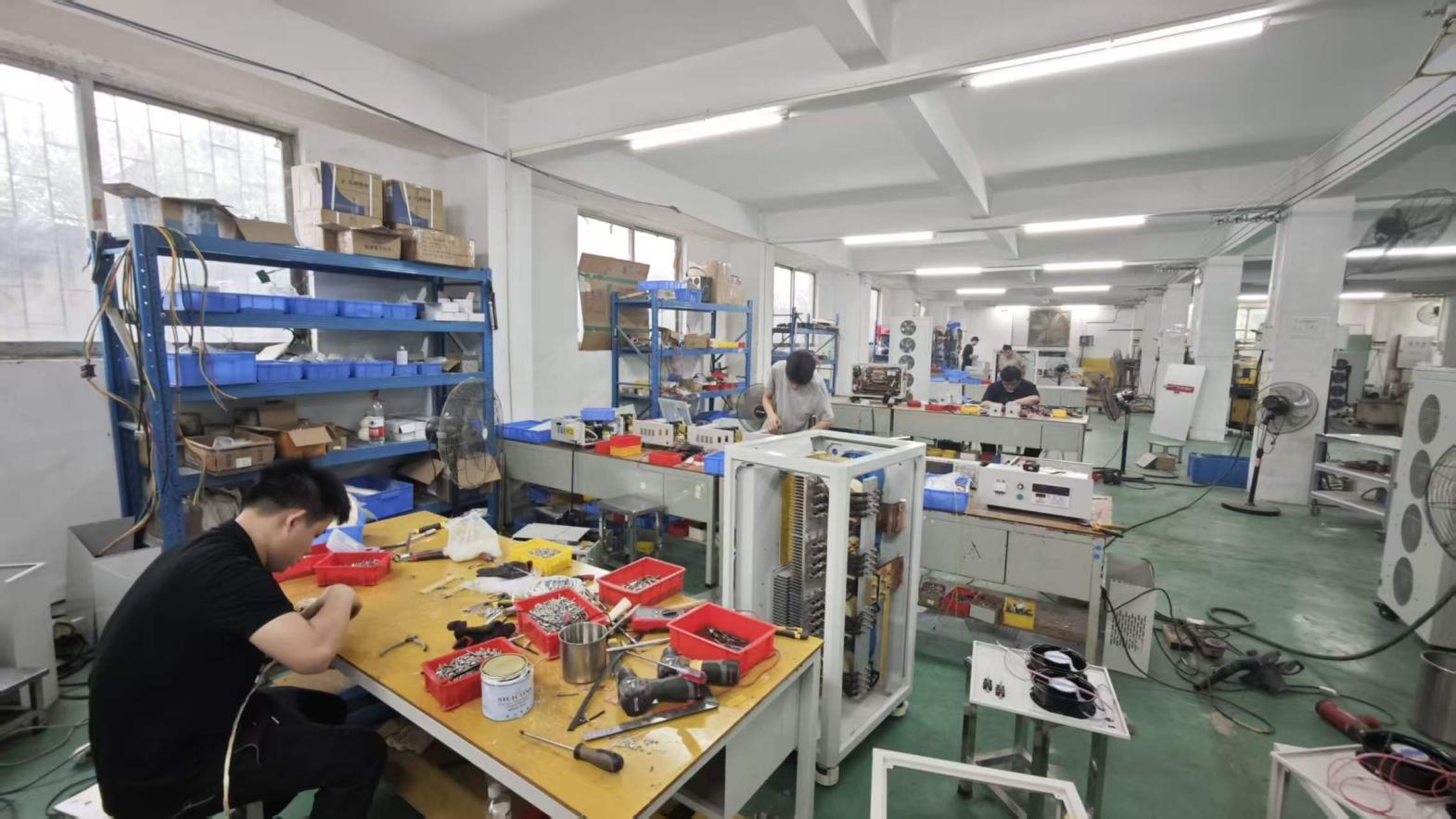 Main Production Workshop
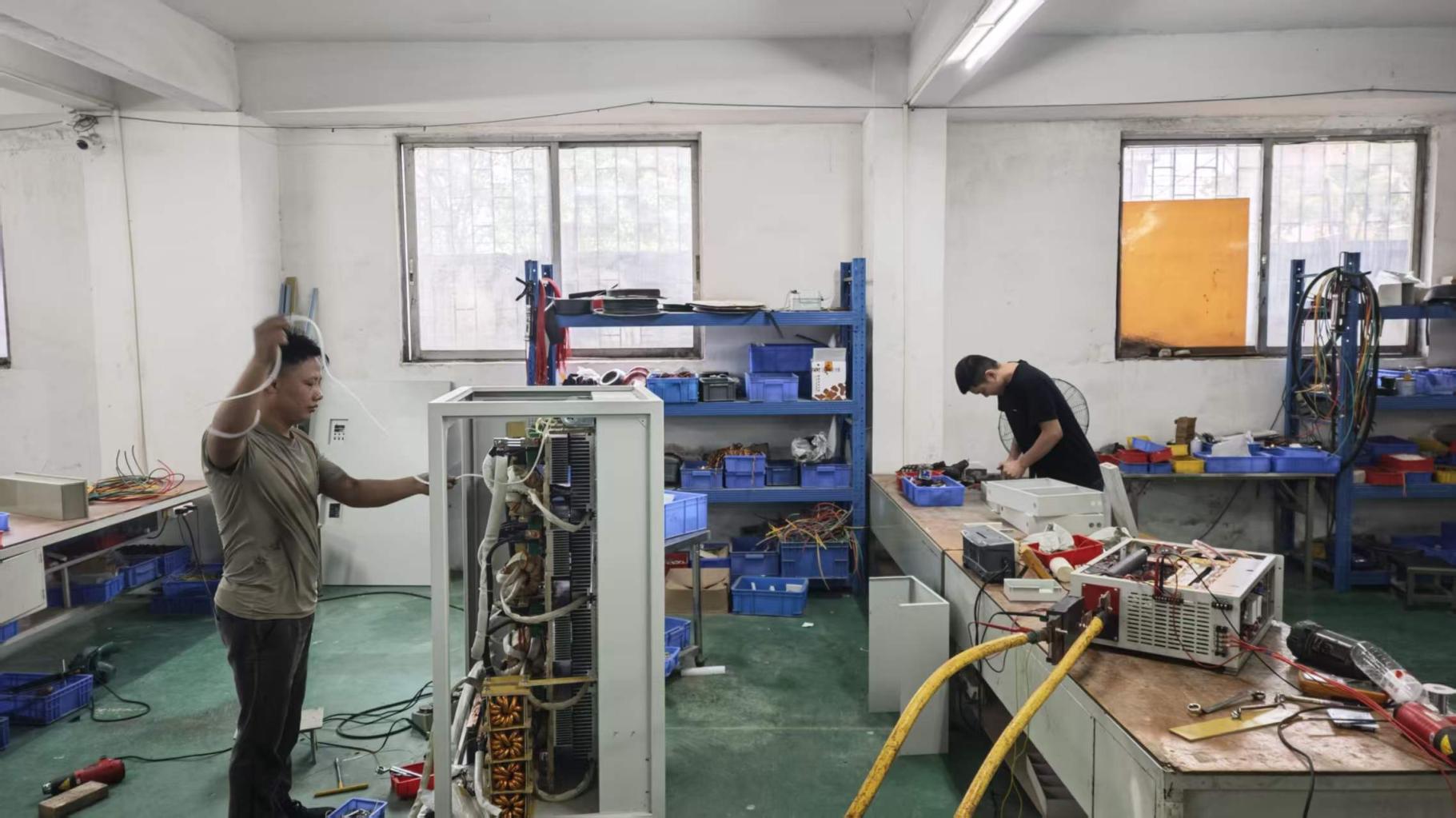 Rectifier Cabinet Assembly
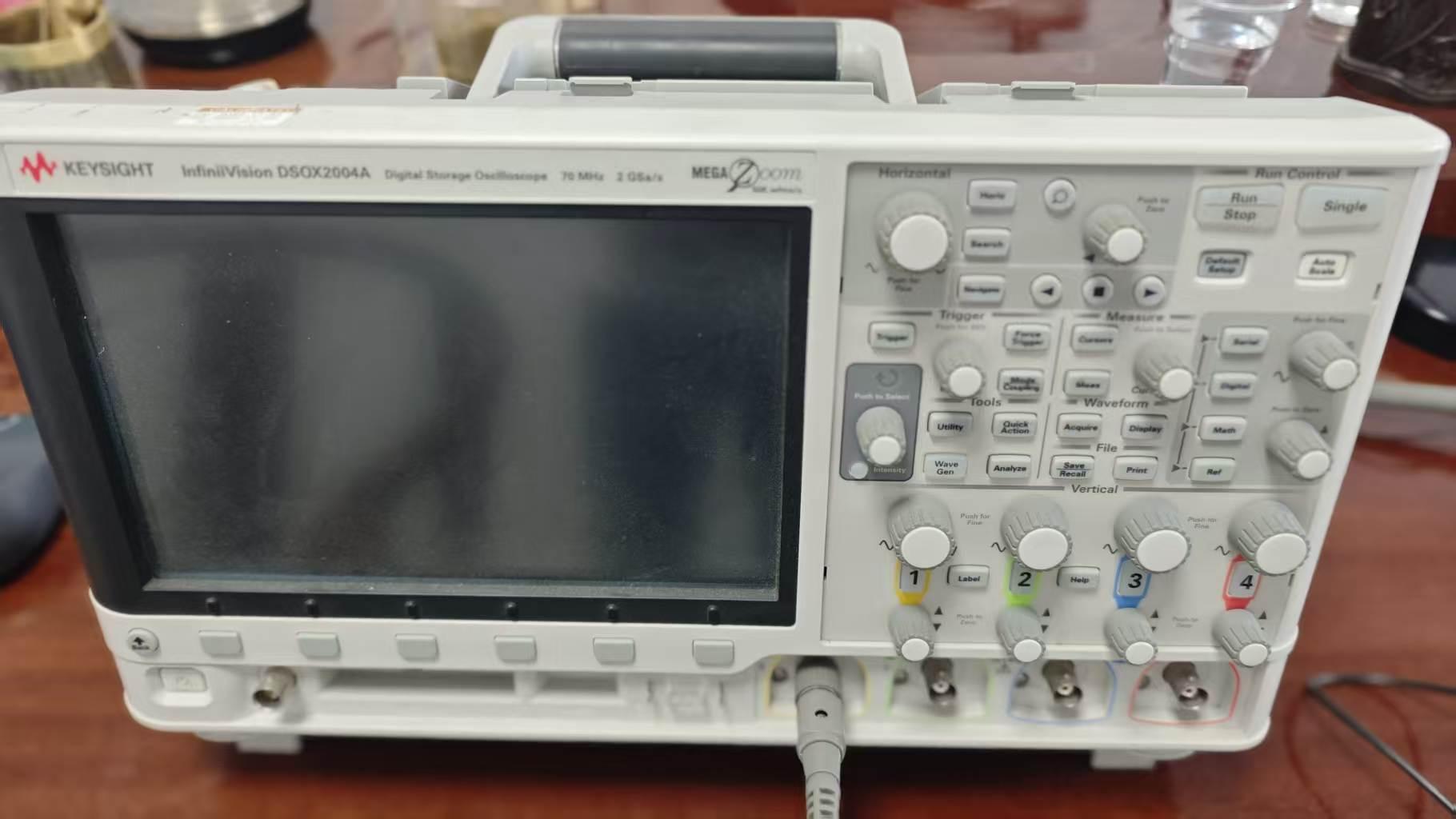 Waveform & Ripple Calibration
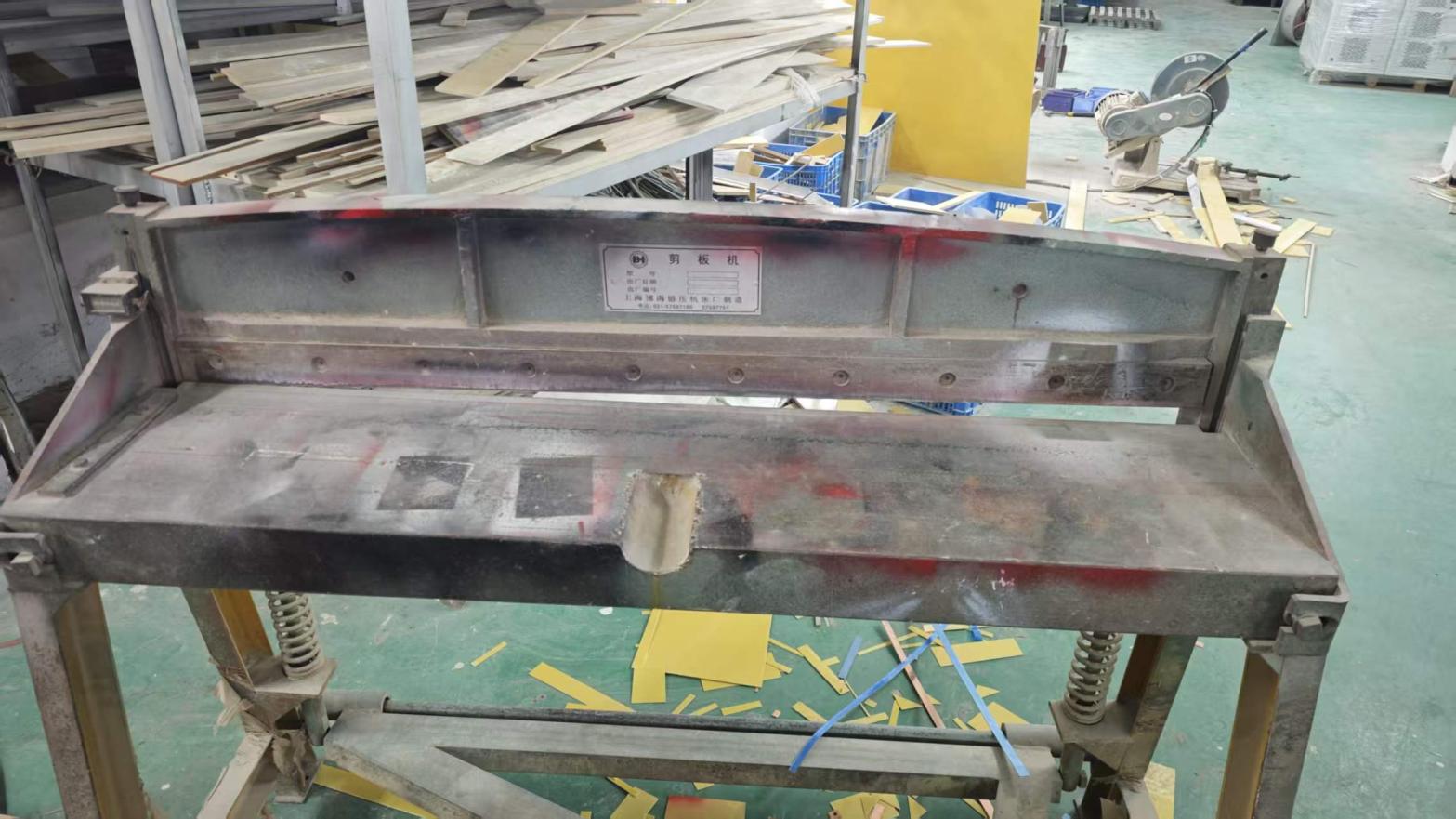 CNC Sheet Metal Fabrication
Key technical, mechanical, and logistical guidance addressing common engineering queries before issuing an RFQ or contract tender.
Need a customized voltage curve, high-amperage water-cooled cabinet, or drop-in replacement rectifier for your surface finishing line? Consult directly with our Guangdong technical engineering group.
Contact Us