High-Frequency Electroplating Rectifier Systems
Direct from our Guangdong assembly facility: ISO 9001 certified, full digital DSP control, CE/RoHS compliant DC switching sources engineered for extreme durability in corrosive plating shop environments.
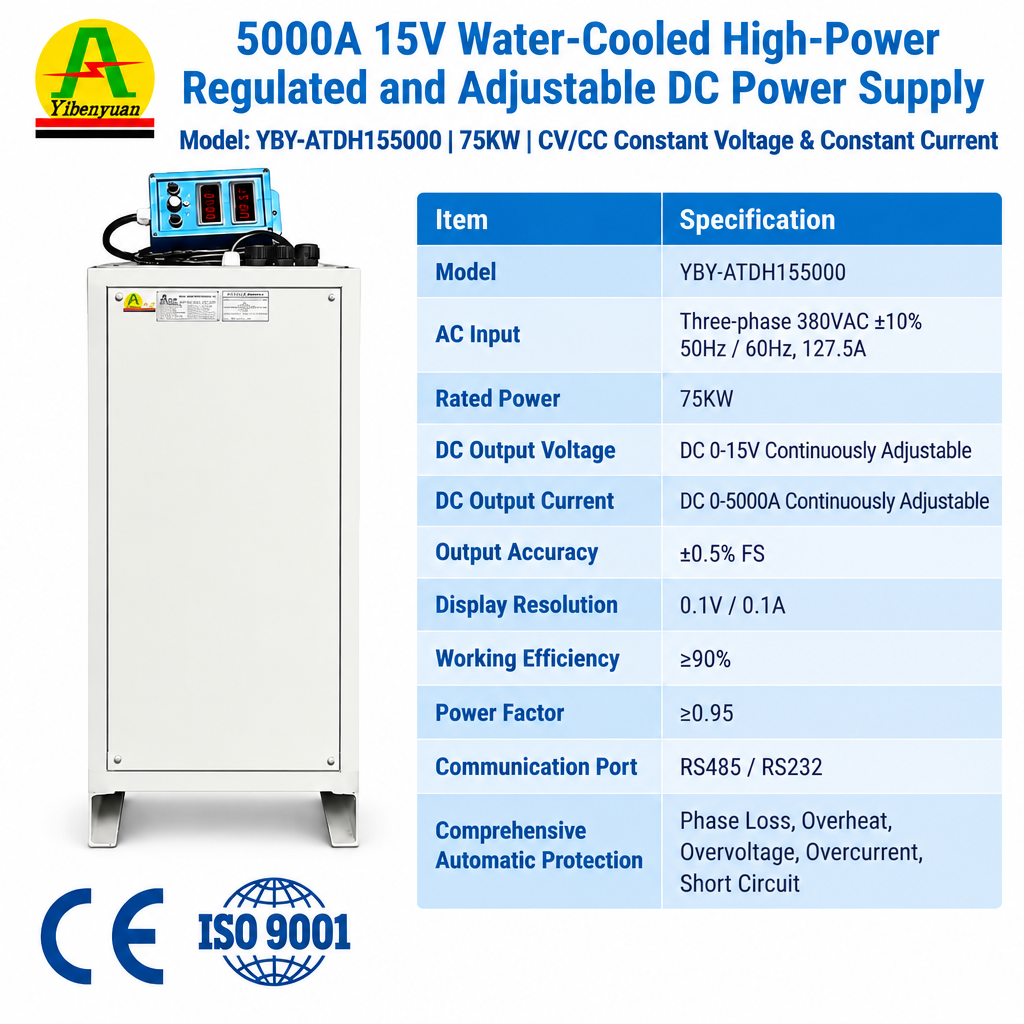
12V-15V 5000A-6000A 75KW Water-Cooled Plating Rectifier
- Output Range12-15V / 5000-6000A
- Cooling ModeDeionized / Closed Water
- TopologyFull-Bridge IGBT Inverter
- Control InterfaceRS485 Modbus / 4-20mA
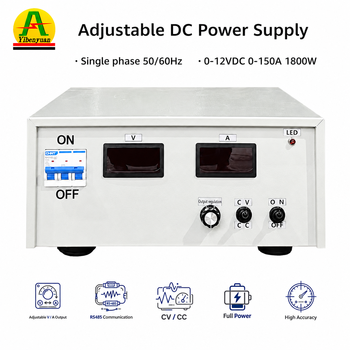
12V 150A High Frequency Au/Ag Barrel Plating Source
- Voltage Ripple≤ 1% Vrms Ultra-Low
- Operating ModeCC / CV Digital Display
- ApplicationPCB Vias, Gold & Silver
- Efficiency≥ 90% at Rated Load
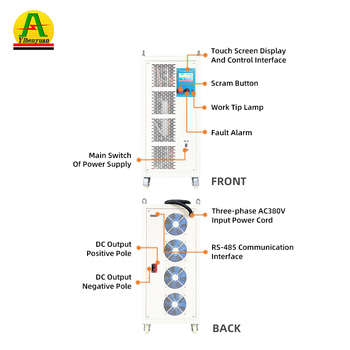
12V 4000A 48KW High-Frequency Plating Rectifier
- Power Rating48kW 3-Phase 380V/480V
- Regulation±0.5% Constant Current
- ProtectionsPhase-Loss, Thermal, Short
- Target MetalZinc, Nickel, Copper, Brass
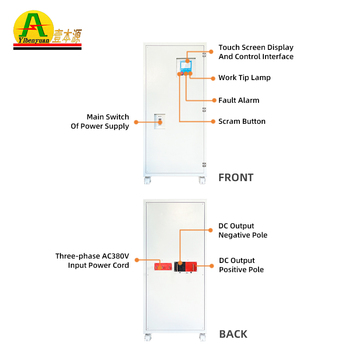
8000A 12V Anti-Corrosive Water-Cooled DC Rectifier
- Cabinet IngressIP54 Sealed Cabinet
- Output Capacity0-12V / 0-8000A Stepless
- Duty Cycle100% 24/7 Hard Industrial
- Internal Busbar99.9% T2 Oxygen-Free Cu
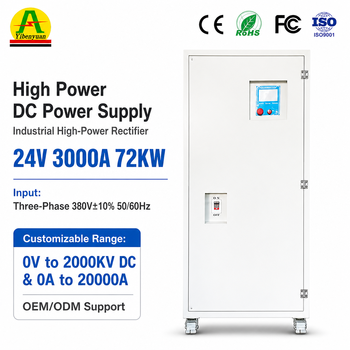
100A–3000A Aluminum Anodic Oxidation Rectifier
- Voltage Ceiling12V / 24V / 36V / 60V Select
- AutomationMulti-Segment Ramp Timer
- Control PanelDigital Touch / Remote Box
- Process TypeHard & Decorative Anodizing
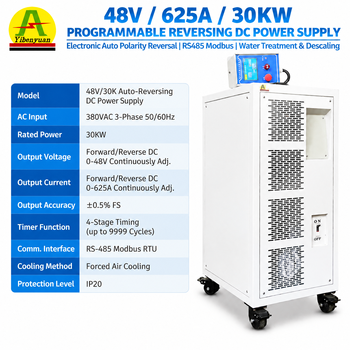
48V 625A 30KW Auto-Polarity Reversing Descaling PSU
- Inversion Speed≤ 50ms Solid-State H-Bridge
- Duty SequenceForward / Reverse Auto Cycle
- ApplicationElectro-Coagulation & Etch
- Remote PortIsolated PLC Analog / Digital
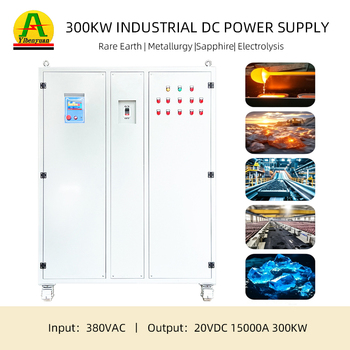
300kW 20V 15000A Water-Cooled Electrolysis Rectifier
- Max Current15,000A Continuous DC
- Thermal CircuitDirect Water-Chilled Plates
- Power Factor≥ 0.94 Active Correction
- Process TypeChlor-Alkali, Continuous Strip
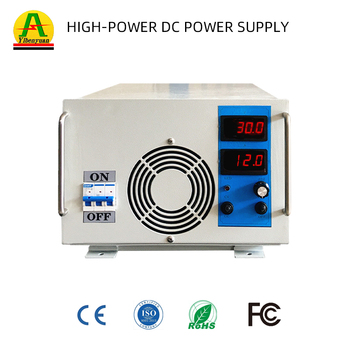
150V 50A Titanium Aerospace Micro-Arc Source
- Voltage Dynamic0-150V High Compliance
- Response Time≤ 5ms Dynamic Load Step
- Standard BuildCE EMC / LVD Directive
- CoolingForced Air with Duct Filter
The Engineering Paradigm Shift in Industrial Electrochemistry
Why global plating facilities are migrating from legacy Silicon Controlled Rectifiers (SCR) to High-Frequency Switch-Mode (SMPS) power supplies, and how it impacts electrodeposition kinetics.
In modern high-precision surface finishing—spanning automotive plating, semiconductor lead frames, aerospace fasteners, and hard chromium hydraulics—the power supply is no longer a simple current dropper. It is the fundamental control mechanism for electrodeposition thermodynamics. Traditional 12-pulse or 6-pulse Silicon Controlled Rectifiers (SCR) operate at mains line frequencies (50/60 Hz), yielding a high ripple coefficient (≥ 5% without bulky filter chokes) and a sluggish transient response (> 100 ms). This leads to coarse crystal nucleation, high nodularity, uneven coating thickness across high and low current density areas, and significant waste of costly noble salts (Au, Ag, Rh, Ni).
Fenvix high-frequency electroplating rectifiers utilize high-power insulated gate bipolar transistor (IGBT) modules switching at frequencies between 20 kHz and 50 kHz. By combining resonant soft-switching topologies with nano-crystalline transformer cores, high-frequency switch-mode power supplies (SMPS) deliver an inherently flat DC output with a current ripple factor strictly controlled below 1% to 2%. This provides distinct metallurgical and operational advantages:
Enhanced Nucleation & Microhardness
The near-zero ripple profile of high-frequency rectifiers prevents localized current surges that induce dendrite growth and micro-cracking in hard chrome and nickel matrices. Faster nucleation kinetics yield smaller crystal grains, increasing coating density, reducing internal stress, and achieving a 15% to 25% improvement in Vickers hardness while eliminating pinholes.
Material Savings & Throwing Power
Constant current (CC) accuracy within ±0.5% significantly tightens plating thickness standard deviations across the entire bath rack. Platers achieve specified minimum thickness on recessed geometries (blind holes and deep cavities) without over-plating edge regions, delivering verifiable precious metal savings of 8% to 18% annually in decorative and electronics plating lines.
Energy Conversion & Grid Decoupling
Operating with typical electrical efficiencies of 90%–94%—compared to 70%–78% for vintage SCRs—a Fenvix 12V 5000A IGBT unit eliminates 15 to 22 kW of thermal losses per hour under full load. Combined with a power factor ≥ 0.94 across wide adjustment ranges, facilities drastically reduce harmonic distortion and kVA billing surcharges from local power utilities.
Thermal Engineering Insight: Forced Air vs. Water-Cooled Systems
In ambient galvanizing and chemical etching plants, airborne hydrochloric (HCl) and sulfuric (H2SO4) acid mists act as aggressive electrolytes that corrode PCB traces and short power semiconductors. For continuous currents exceeding 3,000A or corrosive environments, Fenvix engineers specify Closed-Loop Pure Water Cooling with IP54/IP65 completely sealed electrical enclosures. By routing cooling channels directly through aluminum or copper chill plates bonded to IGBT dies, heat is evacuated externally without internal cabinet air exchange, extending module MTBF beyond 80,000 operating hours.
| Metal Plating Process | Typical Voltage / Current | Critical Ripple Requirement | Recommended Topology & Cooling | Compliance Priority |
|---|---|---|---|---|
| Precious Gold / Silver (PCB) | 6V–12V | 50A–500A | < 1% Peak-to-Peak | SMPS IGBT / Air-Cooled Benchtop | Thickness Uniformity |
| Hard Functional Chrome | 12V–15V | 3000A–15,000A | < 2% (Prevents Micro-cracks) | Modular IGBT / Deionized Water-Cooled | Deposit Hardness |
| Continuous Strip Galvanizing | 15V–24V | 5000A–20,000A | < 3% Dynamic Line Stability | Multi-Module N+1 / Pure Water-Cooled | Zero Downtime |
| Aluminum Hard Anodizing | 24V–100V | 500A–4,000A | Low Ripple + Programmable Ramp | Air/Water IGBT with Solid-State Polarity | Oxide Layer Density |
| Electrochemical Water Descaling | 24V–48V | 200A–1,000A | Tolerant (< 5%) | Integrated H-Bridge Auto-Reversing | Electrode Self-Clean |
Strategic Sourcing Insights: What Plant Directors Must Know
Procuring electroplating power infrastructure in a competitive manufacturing environment requires evaluating total cost of ownership (TCO), smart factory integration, and green manufacturing metrics.
1. Modular N+1 Redundancy
High-volume production lines cannot afford catastrophic line stoppages caused by a single semiconductor failure. Procurement trends are heavily shifting toward hot-swappable modular rectifier architectures. If one 1,000A sub-rack goes offline, the remaining parallel units automatically compensate for the current deficit while allowing technician replacement within 10 minutes without shutting down the plating bath.
2. Industry 4.0 & Digital Fieldbus
Isolated manual potentiometers and analog 0-10V signals are rapidly being superseded by industrial Ethernet, Profinet, EtherCAT, and RS485 Modbus-RTU protocols. Modern plating facilities feed real-time Ampere-hour (Ah) dosing data directly into chemical replenishing pumps and Manufacturing Execution Systems (MES) to maintain automatic traceability for aerospace and automotive audits.
3. Pulse Plating & Periodic Reverse
With the miniaturization of high-density interconnect (HDI) microelectronics and advanced composite alloys, high-frequency pulse electrodeposition is experiencing massive adoption. The ability to program sub-millisecond forward pulse widths combined with brief reverse stripping phases eliminates hydrogen embrittlement and dramatically accelerates filling speeds of microscopic blind vias.
Direct Factory Engineering from Guangdong, China
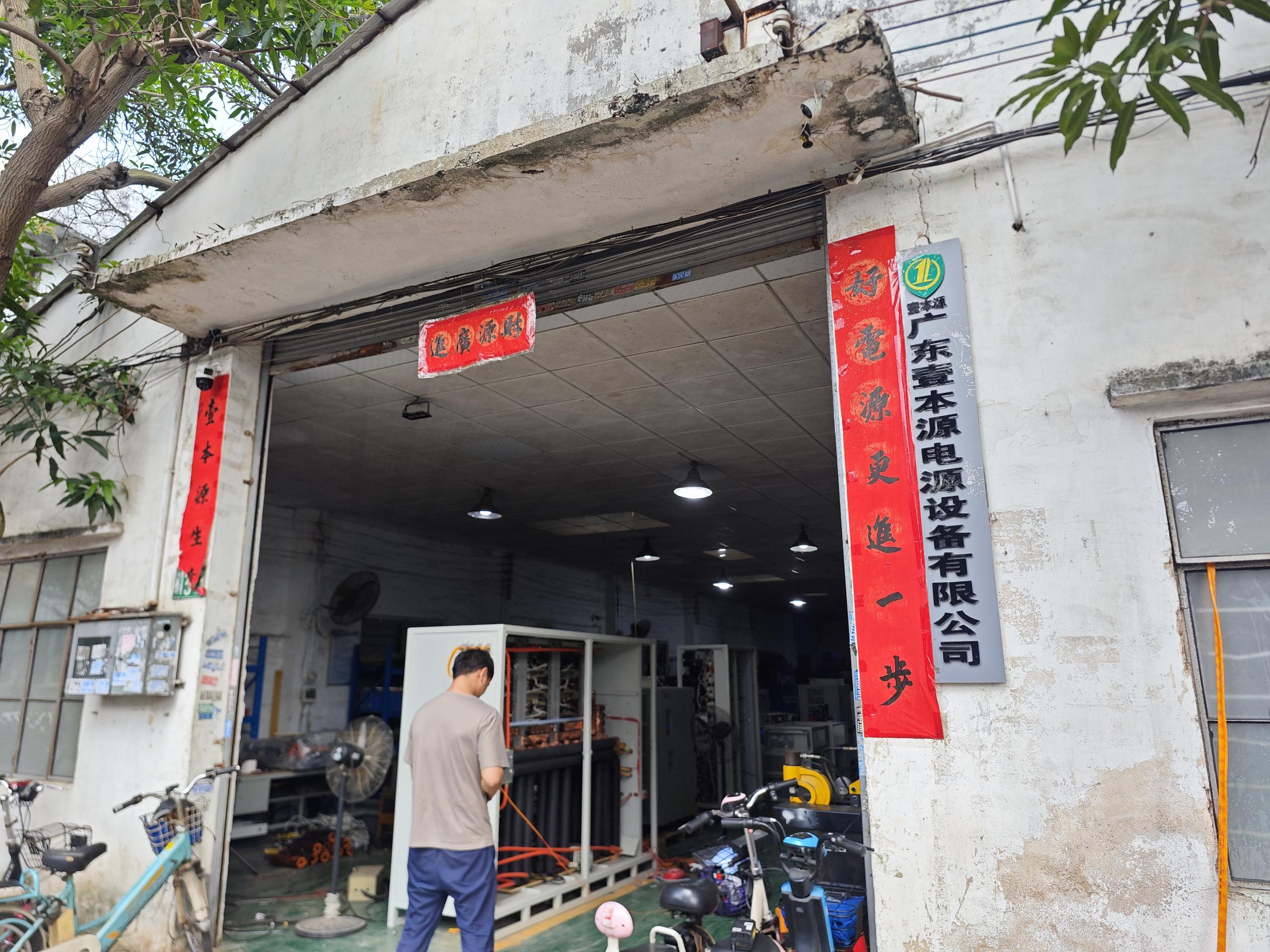
Founded in 2013, Guangdong Fenvix Technology Co., Ltd. operates a vertically integrated industrial power facility verified by TÜV Rheinland, eliminating middleman markups and technical communication barriers.
End-to-End Vertical Control Over Quality
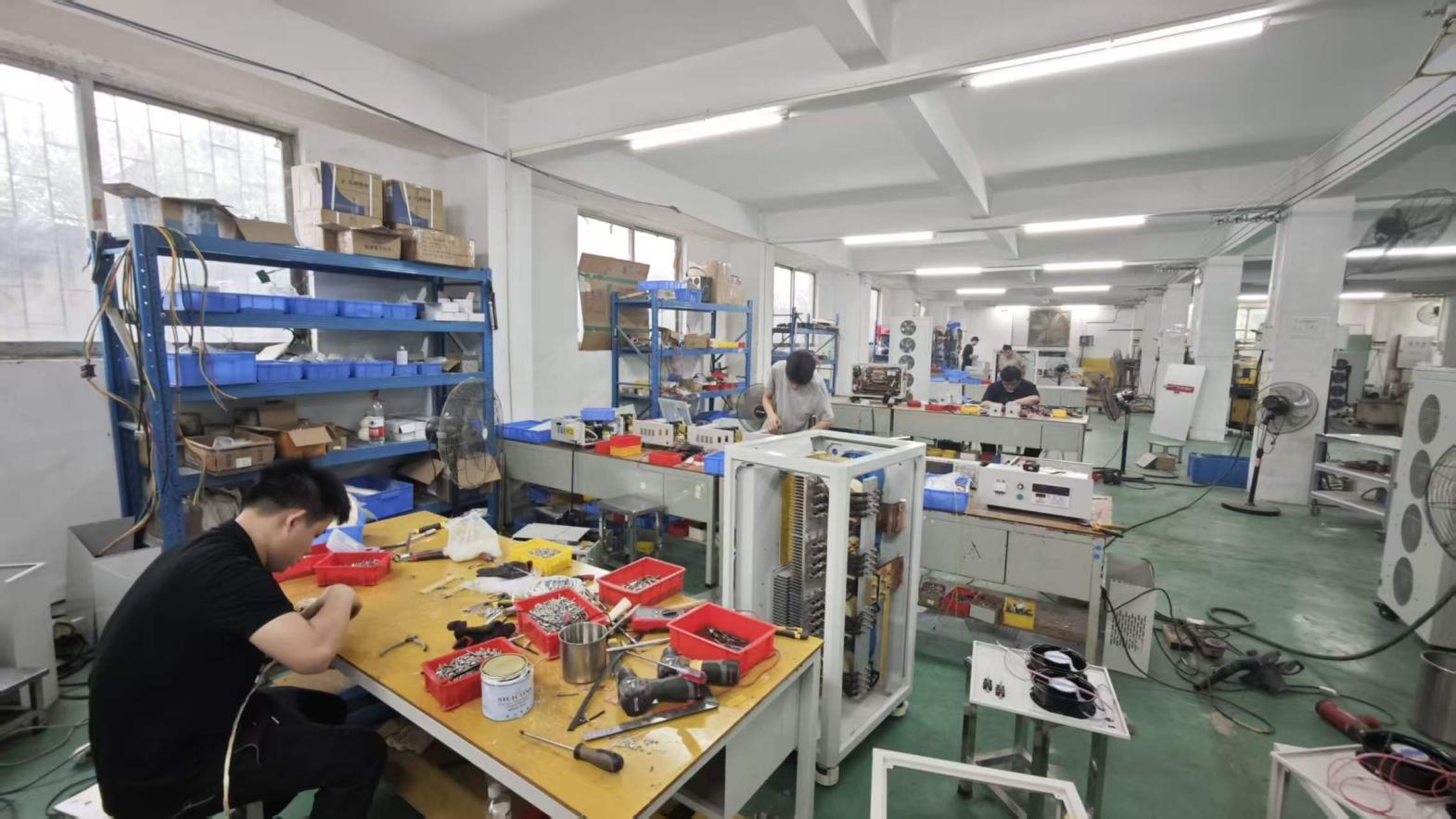
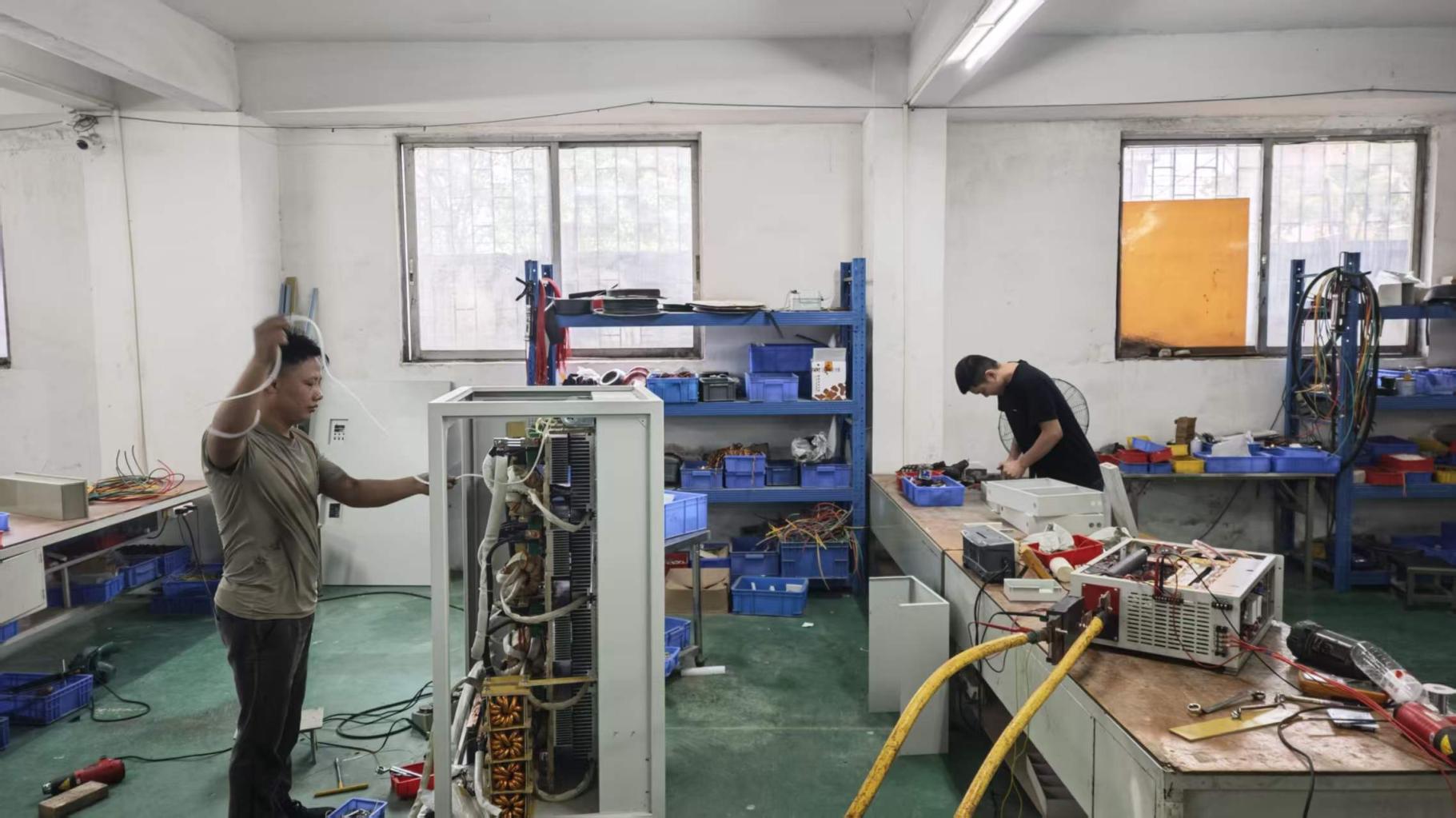
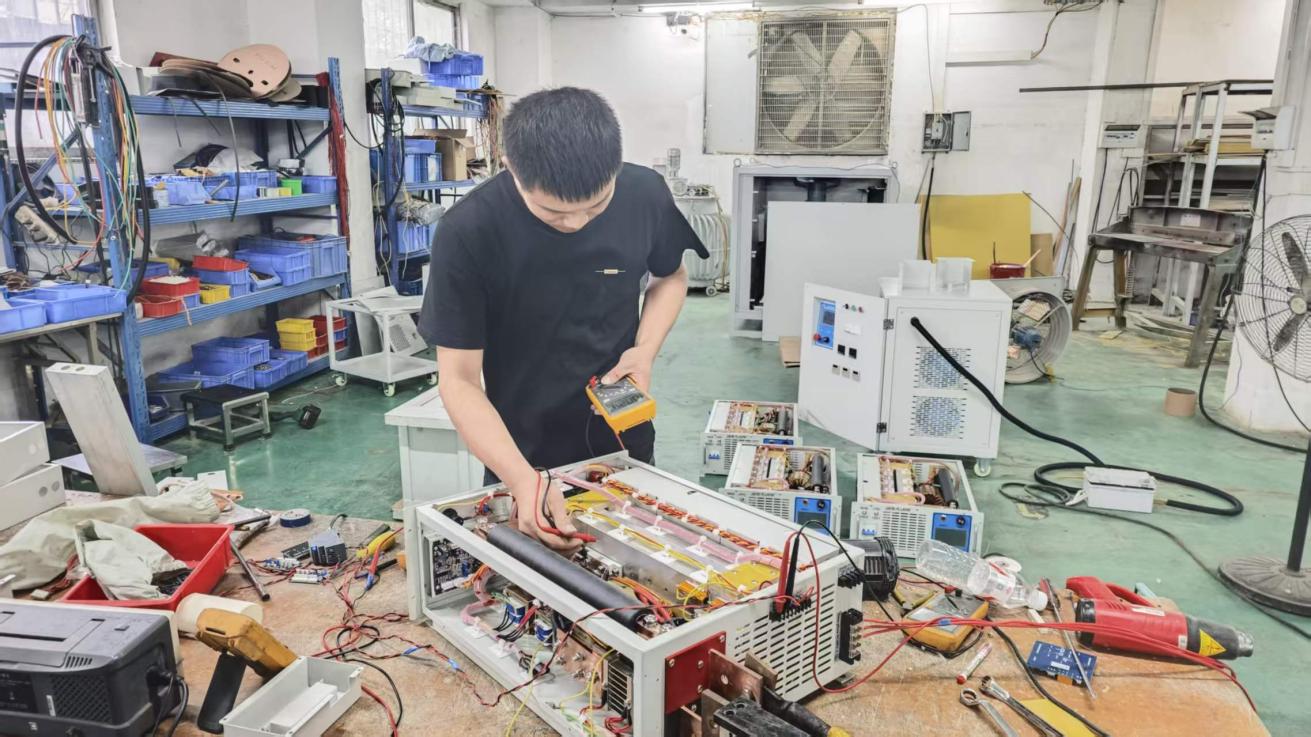
Unlike commercial trading houses that outsource fabrication to multiple independent workshops, Fenvix maintains an in-house metalworking, CNC machining, busbar processing, and transformer winding facility covering over 3,000 m². We control every mechanical and thermal interface directly:
- In-House CNC Fabrication: Precision shearing, stamping, and tapping ensure robust structural cabinet strength and optimal enclosure airflow dynamics.
- High-Purity Copper Conductors: All secondary rectifying loops utilize 99.9% oxygen-free T2 copper busbars, precision-milled and silver-plated to eliminate junction resistance.
- 100% Full-Load Burn-In: Every completed power supply undergoes mandatory full-capacity thermal chamber burn-in and inductive load testing before release.





Frequently Asked Questions by Industrial Sourcing Teams
Direct answers to the key operational, mechanical, and logistical questions international engineering buyers ask before placing orders.
How do I correctly size the voltage and current ratings for a plating line?
What cooling method is recommended for acidic or corrosive plating workshops?
Can Fenvix power supplies interface directly with existing Siemens or Allen-Bradley PLCs?
What is the Minimum Order Quantity (MOQ) and lead time for custom engineered units?
What international certifications and quality guarantees are provided?
What international trade terms and payment methods are supported for global delivery?
Upgrade Your Plating Infrastructure with Direct Factory Engineering
Send us your process parameters (voltage, amperage, line duty cycle, cooling type, and communication requirements). Fenvix senior power engineers will deliver custom circuit diagrams, dimensional CAD files, and competitive factory-direct quotations within 24 hours.