High-Performance Pulse & Industrial DC Rectification Systems
Engineered to deliver exceptional current density control, high electrical conversion efficiency, and continuous stability under heavy corrosive manufacturing loads.
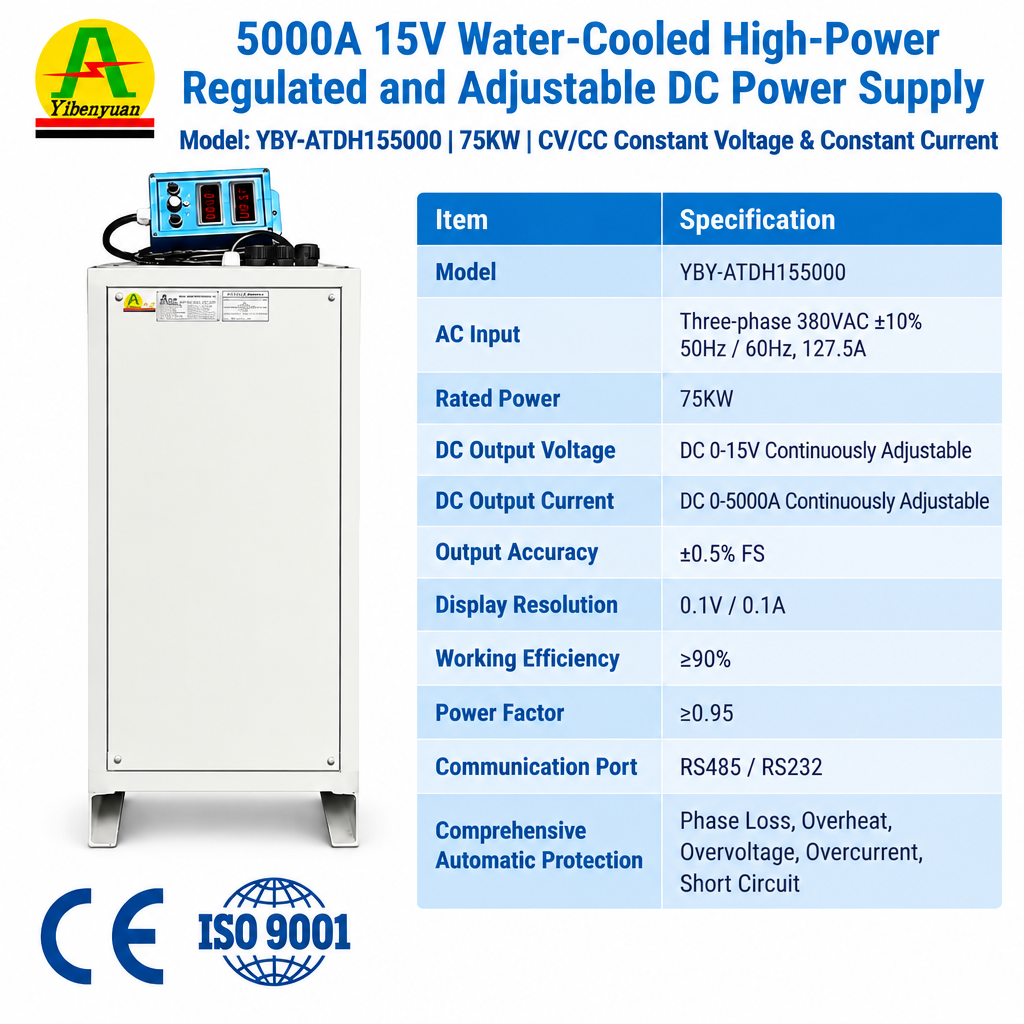
12V/15V 6000A 75KW Water-Cooled DC Rectifier
- Output Range: 12V–15V / 5000A–6000A
- Cooling Method: Closed-Loop Liquid
- Efficiency: ≥ 90% (IGBT Stage)
- Control Protocol: Digital Display / RS485
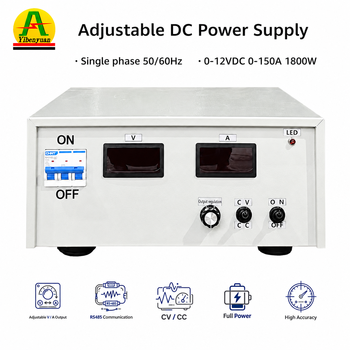
12V 150A High Frequency Pulse Bench Rectifier
- Output Range: 0–12V / 0–150A
- Application: PCB & Precious Metal Plating
- Ripple Factor: ≤ 1% Peak-to-Peak
- Certification: CE, LVD, EMC
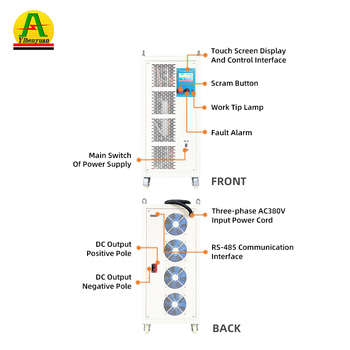
12V 4000A 48kW Industrial Surface Finishing Supply
- Power Rating: 48 kW Continuous
- Operating Mode: Constant Voltage / CC
- Protection: Phase Loss, Thermal, Short
- Duty Cycle: 100% 24/7 Production
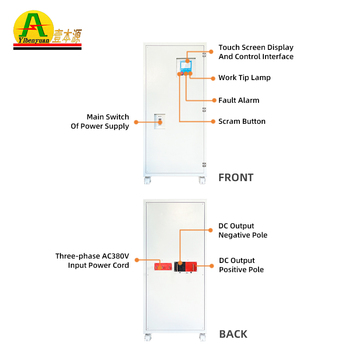
8000A 12V Water-Cooled Galvanizing Rectifier
- Output: 12V / 8000A (96 kW)
- Enclosure: Sealed IP54 Corrosion-Proof
- Transformer: Nanocrystalline Core
- Busbar: T2 High-Conductivity Copper
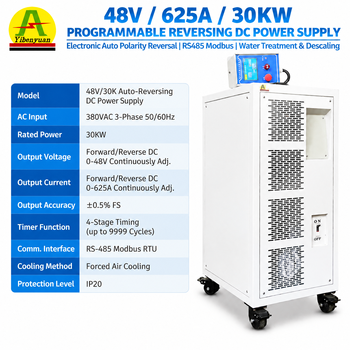
48V 625A 30KW Pulse Periodic Reversing Unit
- Switching Speed: Millisecond Inversion
- Timer Control: Multi-Segment Programmable
- Application: Electrochemical Descaling
- Interface: RS485 Modbus-RTU
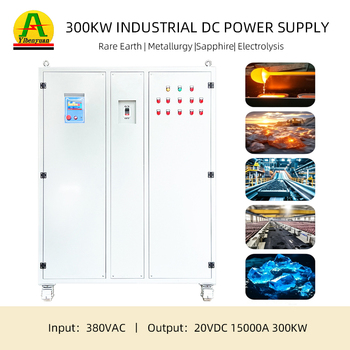
300kW 20V 15000A High-Current DC Electrolyzer
- Max Current: 15,000 Amperes Continuous
- Topology: Multi-Bridge Interleaved PWM
- Thermal Control: Deionized Liquid Circuit
- Standards: ISO 9001 Process Audited
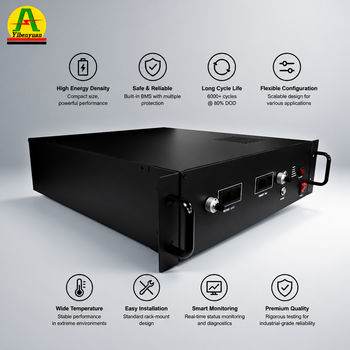
0–100kV High-Voltage Pulse Modulator Supply
- Voltage Output: Continuously Var. 0–100kV
- Charging Rate: High Repetition Rate
- Protection: Arc, Flashover, Quench
- Target Fields: Plasma, Particle Accelerator

28.5V DC Aviation Engine Starting Unit (GPU)
- Instant Peak: Up to 2000A Cranking Current
- Regulation: ±0.5% Load Linearity
- Form Factor: All-Terrain Mobile Enclosure
- Compliance: MIL-STD / Aviation Directives
Engineering Paradigm Shift: Pulse Power Topologies
A rigorous comparative analysis detailing how modern high-frequency forward pulse and periodic reverse pulse switching systems bypass traditional SCR operational boundaries.
Diffusion Layer Depletion Reduction
Traditional continuous direct current produces a thick hydrodynamic boundary diffusion layer at the cathode interface. High-frequency pulse modulation incorporates an 'off-time' (duty ratio control) that allows metal ions to replenish within the Nernst boundary, drastically suppressing dendrite formation and creating fine-grained, pinhole-free crystalline grain structures.
Thermal Dissipation & High Energy Yield
By implementing advanced third-generation Silicon Carbide (SiC) and Insulated Gate Bipolar Transistor (IGBT) switches running at carrier frequencies up to 50kHz, dynamic junction switching losses are lowered by 34%. System designers achieve lower ambient cabinet thermal rise, significantly diminishing the total kilowatt-hour cost per ton of deposited alloy.
Periodic Reverse Pulse (PRP) Kinetics
In high-aspect-ratio blind hole plating and electrochemical descaling, positive/negative alternating polarity dissolves micro-protrusions at high localized electric field points during the reverse pulse. The resulting self-healing leveling effect reduces noble metal consumption (gold, platinum, ruthenium) by up to 22% compared to constant voltage systems.
| Performance Vector | Legacy Thyristor (SCR) Systems | Standard High-Frequency Switch Mode | Fenvix Programmable High-Frequency Pulse |
|---|---|---|---|
| Dynamic Conversion Efficiency | 68% – 76% (High line losses) | 84% – 88% | 91.5% – 94.2% (SiC/IGBT Hybrid Stage) |
| Current Ripple Distortion | 5% to > 10% under light loads | < 3% typical | ≤ 0.8% RMS (Optimized for plating density) |
| Pulse Waveform Rise Time | Sluggish (> 2 milliseconds) | Not applicable (DC steady-state) | < 15 microseconds (Square-wave profile) |
| Cooling Footprint | Massive oil or forced-air chambers | Standard airflow chassis | Compact closed-circuit deionized liquid manifold |
| Total Harmonic Distortion (THDi) | > 30% (Requires passive filtering) | 12% – 15% | < 5% with Active Power Factor Correction (APFC) |
Next-Generation Pulse Power Sourcing Trends (2025–2030)
Global procurement heads are transitioning from catalogue commoditization to process-tailored, digitally integrated power infrastructure.
Total Cost of Ownership (TCO) Prioritization
Industrial energy consumption represents 68% of the lifetime cost of high-current power supplies. Modern buyers evaluate power supplies on calculated thermal losses and efficiency ratings rather than purchase capital expenditure alone. Systems featuring sub-microsecond pulse cutoff significantly shorten bath dwell times, driving direct manufacturing cost reduction.
Deterministic IoT & Fieldbus Integration
Factory automation standards demand that power modules act as intelligent IoT endpoints. Discrete analog signaling (0-10V) is rapidly migrating toward deterministic digital interfaces: EtherCAT, Profinet, and Modbus TCP/IP. Real-time logging of impedance shifts, peak-to-base current ratios, and duty cycle tracking enables automated fault detection.
Harsh Environment Packaging
Acid mists, cyanide vapor, high humidity, and airborne particulates destroy conventional fan-cooled electronics. Sourcing trends prioritize fully isolated, IP55-to-IP65 sealed cabinets where sensitive power electronics are cooled via dual-channel copper cooling plates, entirely decoupling ambient corrosive air from internal power circuitry.
Guangdong Fenvix Technology Co., Ltd.
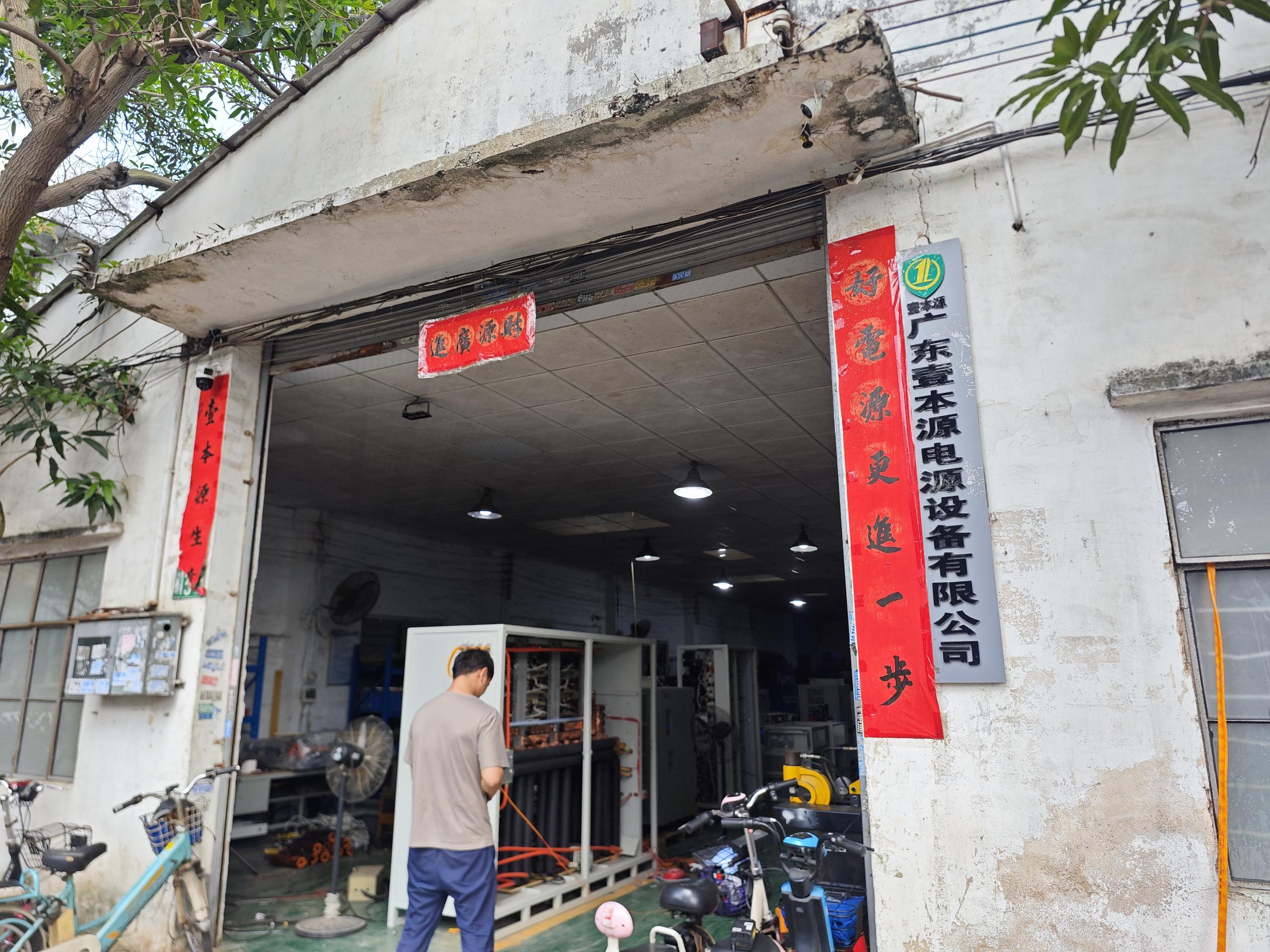
Established in 2013 in the heart of Guangdong's advanced industrial electronics corridor, Fenvix specializes in non-standard, heavy-duty DC and high-frequency pulse power conversion equipment. Operating within an ISO 9001:2015 certified infrastructure verified on-site by TÜV Rheinland, we serve international buyers requiring tailor-made engineering rather than mass-market compromises.
By operating our own sheet metal shearing, CNC punching, milling, drilling, and busbar processing workshops, our engineering team maintains complete configuration control over thermal dissipation, mechanical strength, and electromagnetic shielding. Every unit undergoes multi-hour full-load burn-in and dynamic oscilloscope validation before export crating.
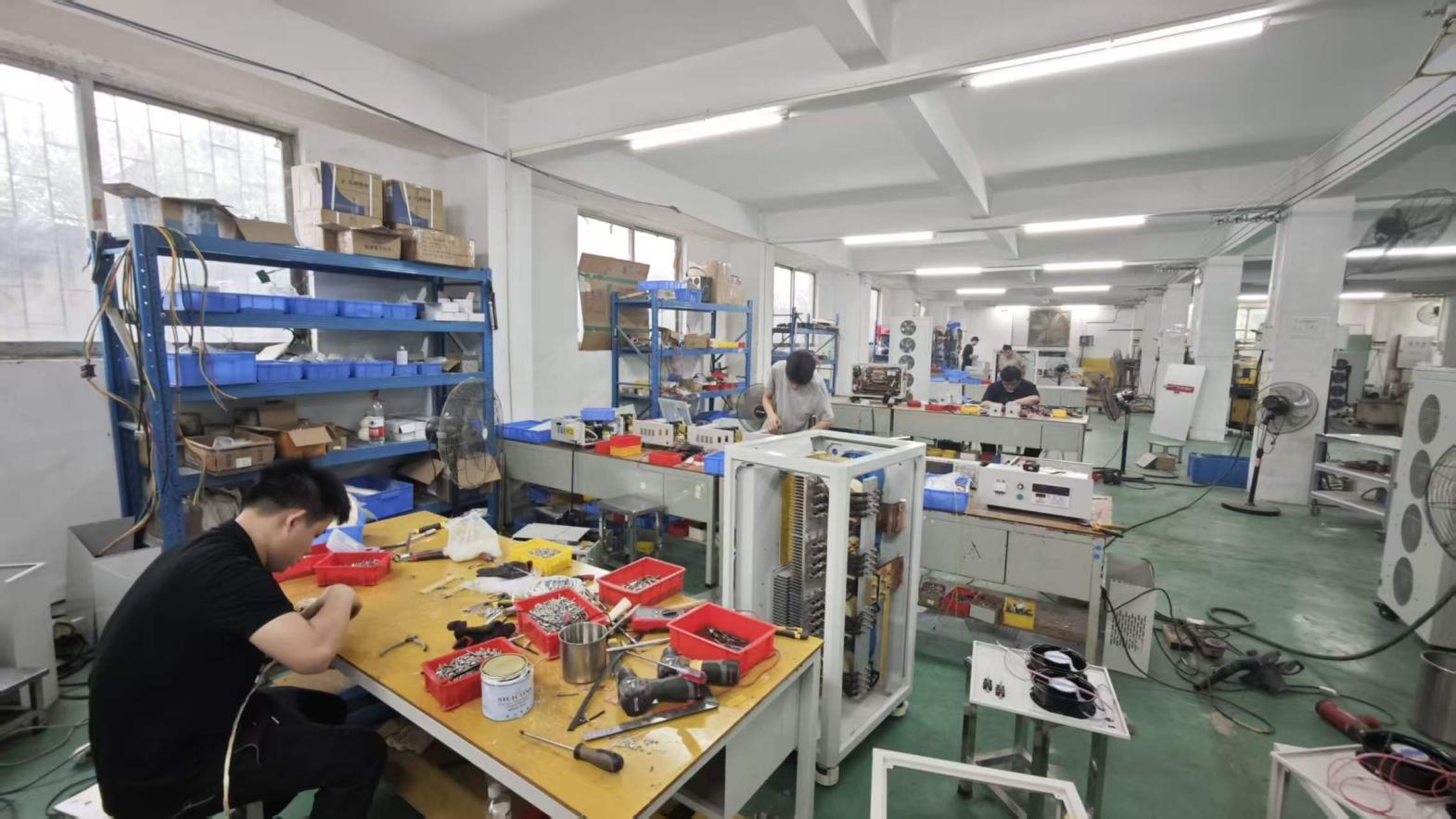 Assembly Bay
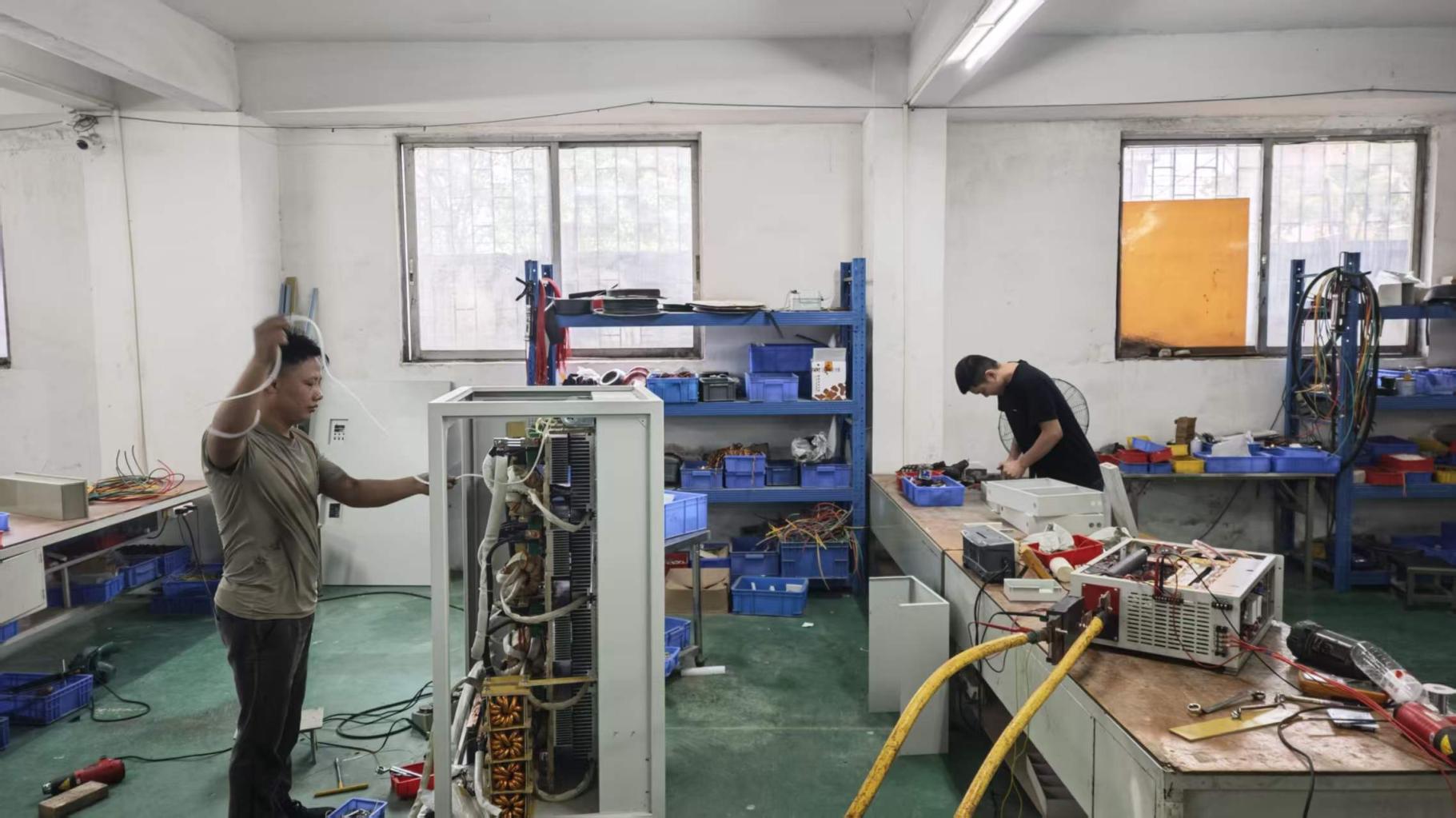 Cabinet Testing
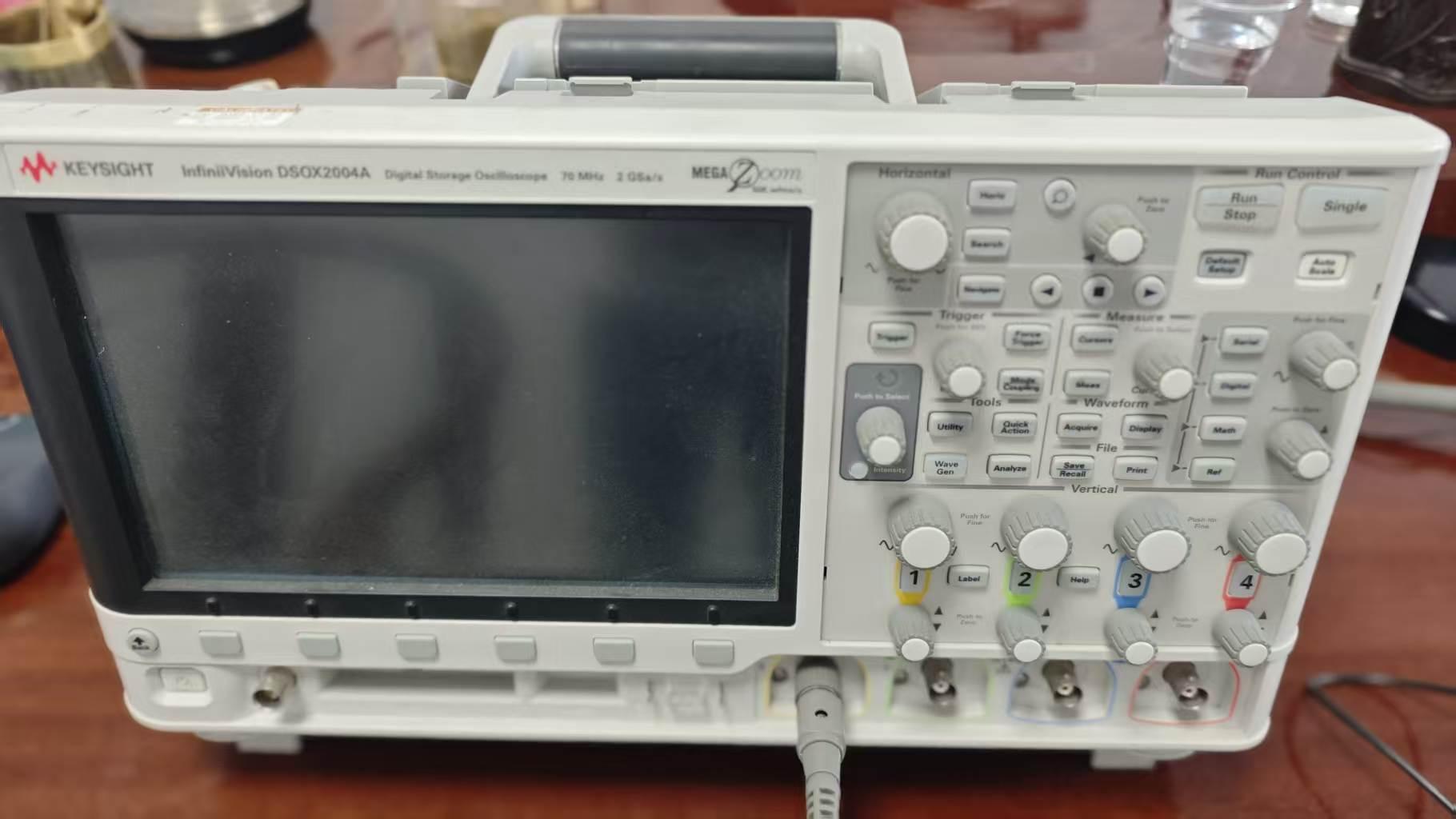 Oscilloscope QC
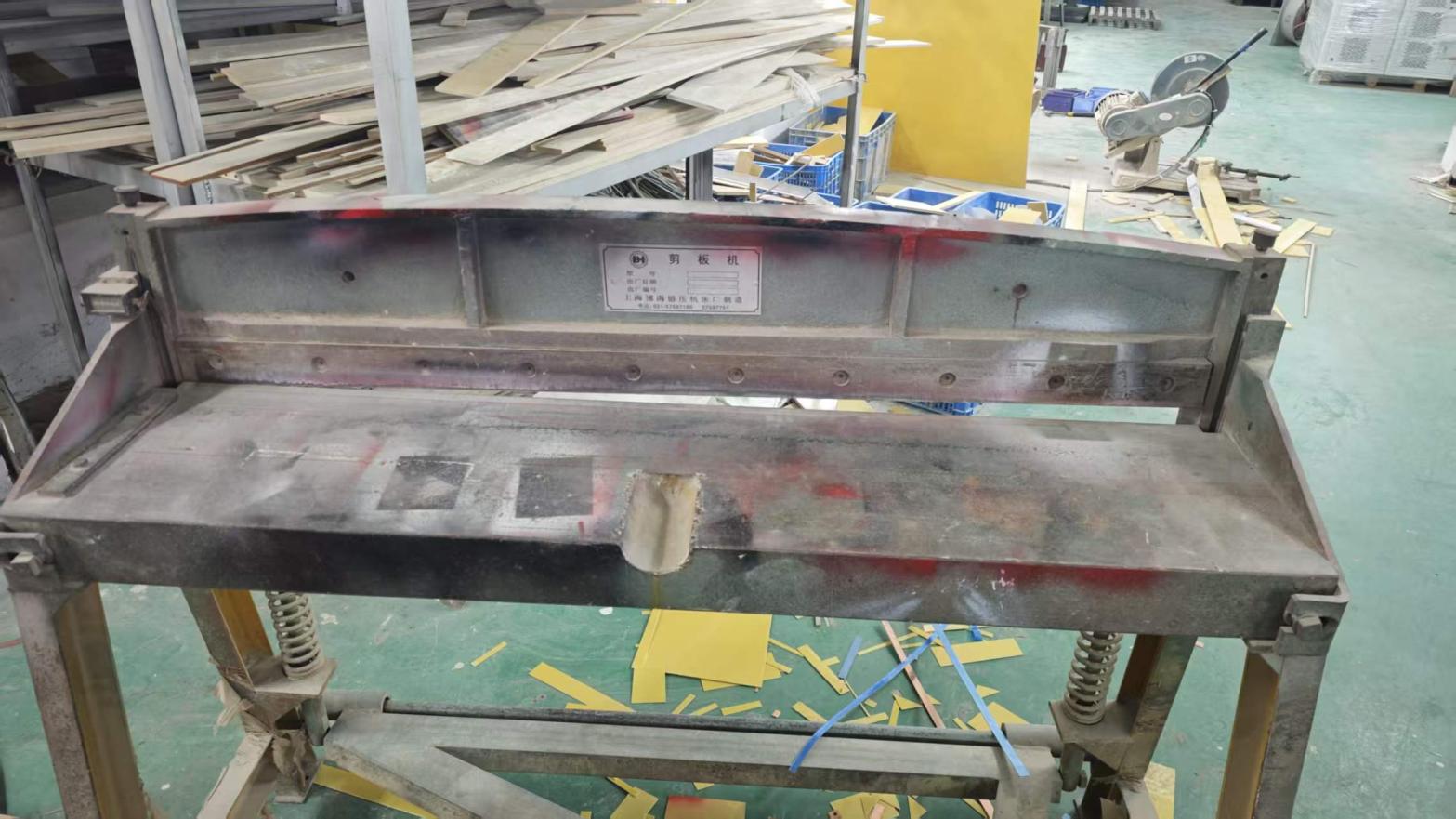 CNC Fabrication
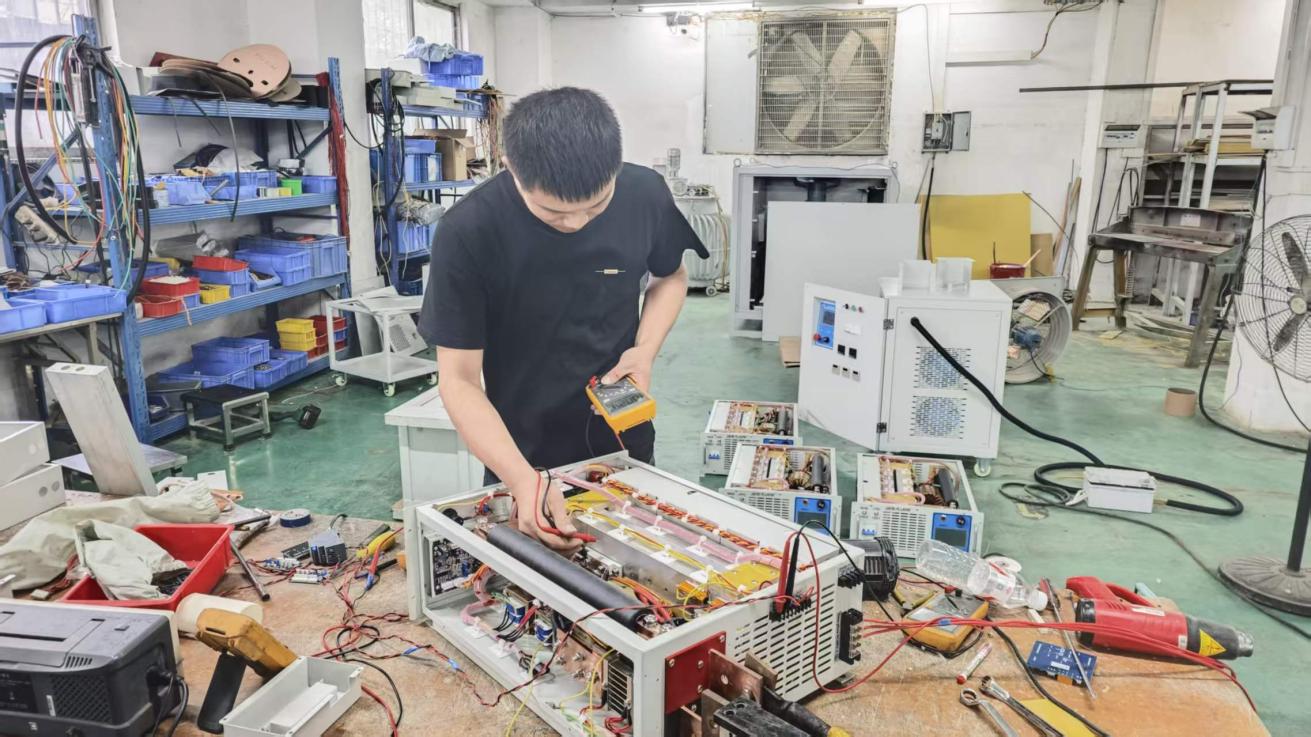 Burn-In Rack
 ISO 9001 Facility
Frequently Asked Questions on Industrial Pulse Power Procurement
Detailed technical, compliance, and logistics responses direct from our senior engineering group.
What fundamental parameters are needed to size a pulse power supply correctly?
To establish accurate transformer stages, busbar sizing, and switching modules, we require: Rated primary input AC voltage/phase/frequency; Target output peak voltage and current; Base continuous current requirements; Pulse frequency range (Hz to kHz); Target duty cycle (percentage of on-time versus total period); Forward vs. Reverse polarity switching needs; Enclosure cooling preference (forced air or deionized water circulation); and plant automation protocols (RS485 Modbus, Profinet, Analog 0-10V/4-20mA).
Why is water cooling preferable over air cooling for high-current pulse units?
For applications exceeding 3000 Amperes or high-temperature ambient plating environments (above 40°C), forced air circulation pulls corrosive chemicals, acidic aerosols, and conductive metal dust directly across internal PCB traces and heatsinks. A sealed water-cooled cabinet operates with IP54/IP55 isolation, conducting heat away through pure copper manifolds, extending electronics longevity and stabilizing internal junction temperatures.
What is Fenvix's Minimum Order Quantity (MOQ) and prototype policy?
We maintain a flexible zero-MOQ (Minimum Order Quantity: 1 Unit) policy across all custom and catalog power systems. We frequently build solitary units for university laboratories, specialized aviation hangars, automotive pilot production lines, and prototype testing rigs before proceeding to full-scale multi-bay batch production.
How does pulse plating lower precious metal consumption?
Continuous direct current creates non-uniform electric field distribution, depositing excessive metal at outer edges and protrusions ('dog-boning'). High-frequency pulse waveforms interrupt concentration polarization at the boundary layer, producing uniform throwing power in deep micro-vias, reducing required gold or nickel deposit thickness by 15% to 25% while meeting corrosion resistance thresholds.
Which quality certifications and electrical directives back your export units?
Our manufacturing facility is audited and certified under ISO 9001:2015 quality management procedures. Finished machines comply with European Union Low Voltage Directive (LVD 2014/35/EU) and Electromagnetic Compatibility Directive (EMC 2014/30/EU), bearing CE marks and RoHS compliance. Our manufacturing facility has been on-site verified by TÜV Rheinland.
What international trade, currency, and warranty provisions apply?
We routinely manage trade terms including FOB, CIF, CFR, EXW, FCA, CPT, and DDP with destination customs clearance. Transactions are supported via T/T, L/C at sight, and commercial channels across USD, EUR, GBP, AUD, and CNY. Equipment includes a standard 12-month non-wear warranty, full schematic documentation, and lifetime remote engineering troubleshooting.
Require a Custom-Engineered Pulse Power Configuration?
Consult with our lead power electronics engineers to match output topologies, wave frequencies, and liquid cooling configurations to your exact electrochemical or testing requirements.