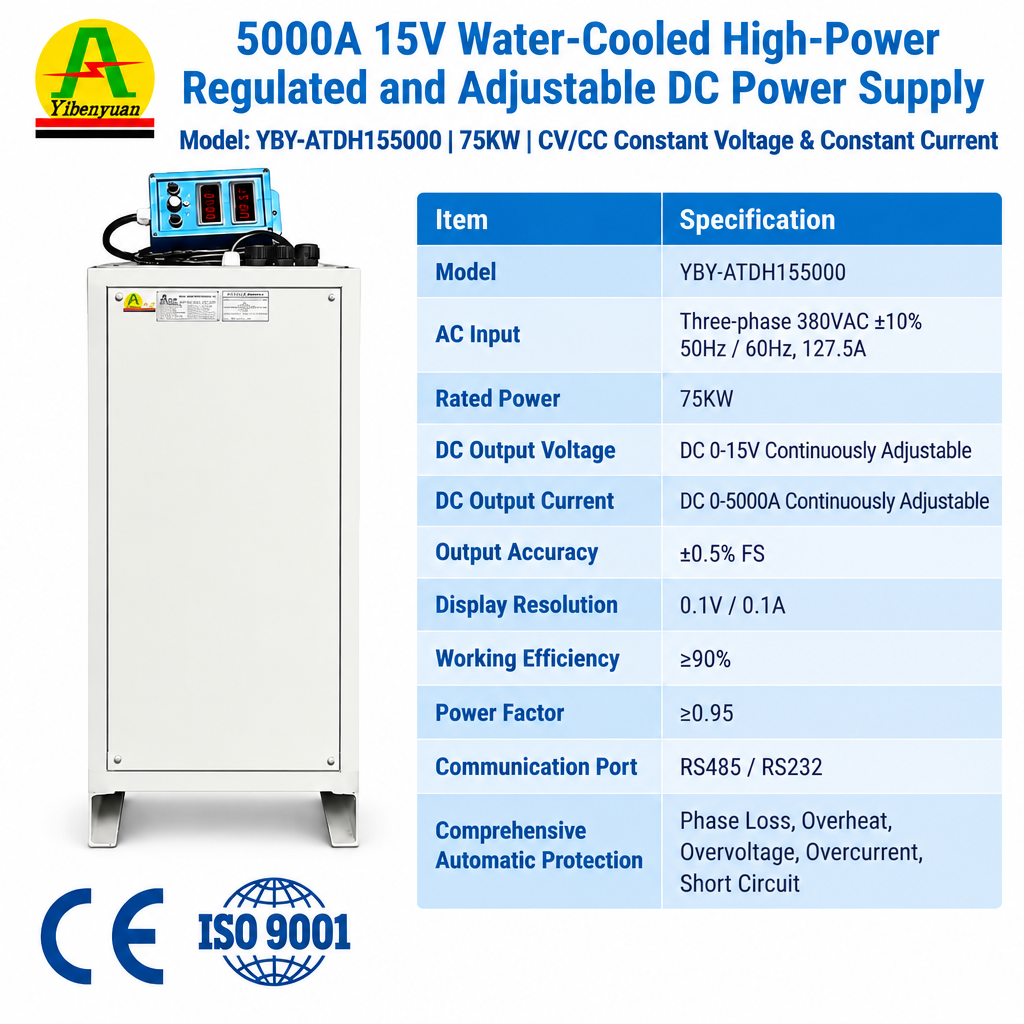
12V 15V 5000A 6000A 75KW Water Cooled Rectifier
- Output Rating: 12V–15V / 5000A–6000A
- Cooling Topology: Direct Deionized Water Cooling
- Operating Mode: CV / CC Digital Switching
Verified configurations built for harsh operating environments, electrolytic processing, and high-frequency aviation testing.
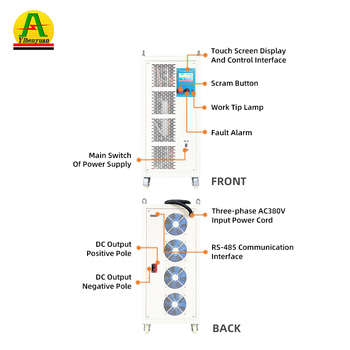
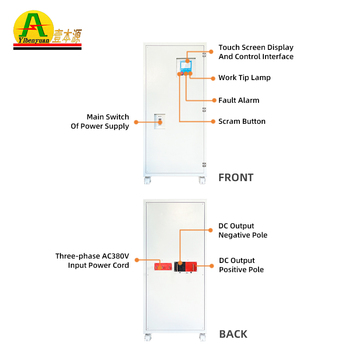
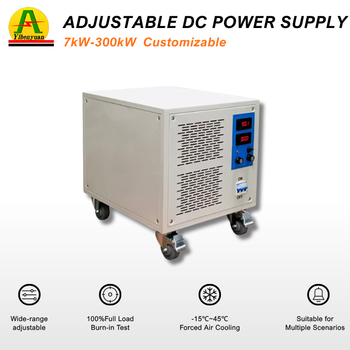
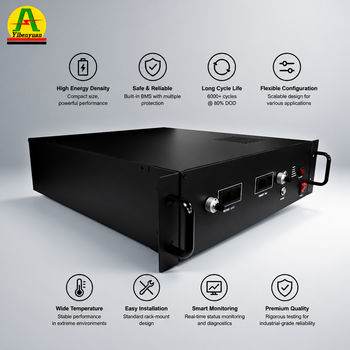
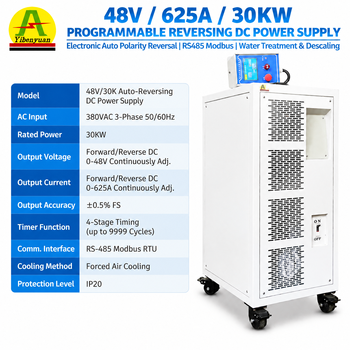
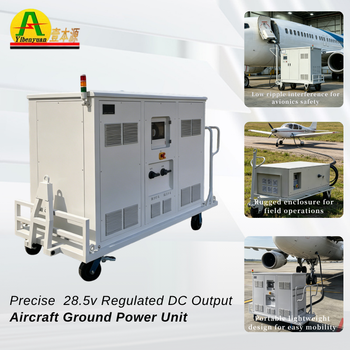
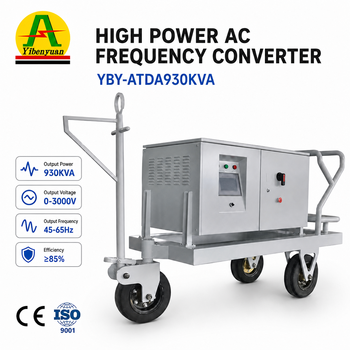
A rigorous examination of high-frequency power electronics, thermal mitigation vectors, and long-term electrical asset optimization for international procurement teams.
Historically, the global industrial rectification sector was dominated by Silicon-Controlled Rectifiers (SCR) operating at line frequency (50/60Hz). While mechanically resilient, line-commutated SCR topologies rely on massive iron-core transformers, inherently yielding sluggish dynamic responses, excessive current ripple (often exceeding 5% without secondary filtering), and poor phase-angle power factors (λ < 0.75 under phased firing angles).
Modern Chinese manufacturing facilities have driven an industry-wide transition toward Pulse-Width Modulated (PWM) High-Frequency IGBT Switching Topologies operating within switching frequencies of 20kHz to 50kHz. By synthesizing direct current via high-frequency resonance, current ripple is suppressed to ≤ 1% RMS, dramatically mitigating thermal localized skin effects in electrolytic solutions and electroplating tanks. This topological shift reduces cabinet footprints by over 60%, improves total dynamic conversion efficiency to greater than 90%, and enables microsecond-level transient fault trip responses that protect high-value electrolytic cathodes from arc-induced destruction.
In electrolytic finishing and continuous testing facilities, premature power unit failure is predominantly attributed to thermal cycling fatigue and environmental contamination. Industrial buyers must weigh forced-air cooling versus liquid deionized cooling based on continuous ambient air chemistry and current density requirements.
| Engineering Vector | Forced-Air Cooling (Standard / Duct) | Closed-Loop Liquid / Water Cooling |
|---|---|---|
| Optimum Current Regime | Up to 3,000A continuous DC | 3,000A to 15,000A+ heavy-duty DC |
| Corrosive Environment Tolerance | Requires conformal PCB coatings and positive duct isolation; risk of internal copper bus oxidation. | Hermetically sealed NEMA 4X / IP56 enclosures; total isolation of sensitive silicon modules from acidic vapors. |
| Mean Time Between Failures (MTBF) | 45,000 – 60,000 Operating Hours | 85,000 – 110,000 Operating Hours |
| Lifecycle Maintenance Overhead | Periodic filter cloth replacement, blower fan motor maintenance, dust vacuuming. | Coolant conductivity surveillance, chiller heat exchanger cycling, zero airborne particulate servicing. |
International procurement teams often prioritize upfront capital expenditure (CapEx), inadvertently overlooking the severe long-term impact of rectifier parasitic losses and electrical inefficiency. Industrial AC-DC power supplies in electrochemistry run under continuous 24/7 duty cycles. An efficiency improvement of just 4% (e.g., from an antiquated 86% SCR system to an advanced 90% IGBT system) on a 100kW load translates directly into an annual reduction of over 35,000 kWh in wasted energy. Over a five-year equipment lifecycle, the electrical savings surpass the initial procurement price of the machine.
Key technological disruptions reshaping high-power AC-DC infrastructure across global industrial procurement channels.
Silicon Carbide (SiC) MOSFETs are actively replacing conventional Silicon IGBTs in high-voltage programmable systems. They reduce switching losses by up to 70%, permit operational junction temperatures exceeding 175°C, and facilitate ultra-compact modular cabinet packaging.
Analog 0-10V control lines are rapidly yielding to isolated fieldbus communications: Modbus-TCP, Profinet, and EtherCAT. Real-time logging of DC internal junction thermals, ripple frequency shifts, and electrolytic bath impedance allows cloud predictive analytics to intercept catastrophic faults before downtime occurs.
Next-generation heavy-industry sites require rectifiers capable of absorbing fluctuating DC bus power generated from on-site industrial solar installations and energy storage systems (BESS), requiring flexible wide-range AC and direct DC-bus input options.
Tier-1 automotive and aerospace projects enforce strict component chain-of-custody protocols. Procurement now emphasizes certified semiconductor provenance, ISO-controlled burn-in documentation, and third-party verified on-site facility audits.
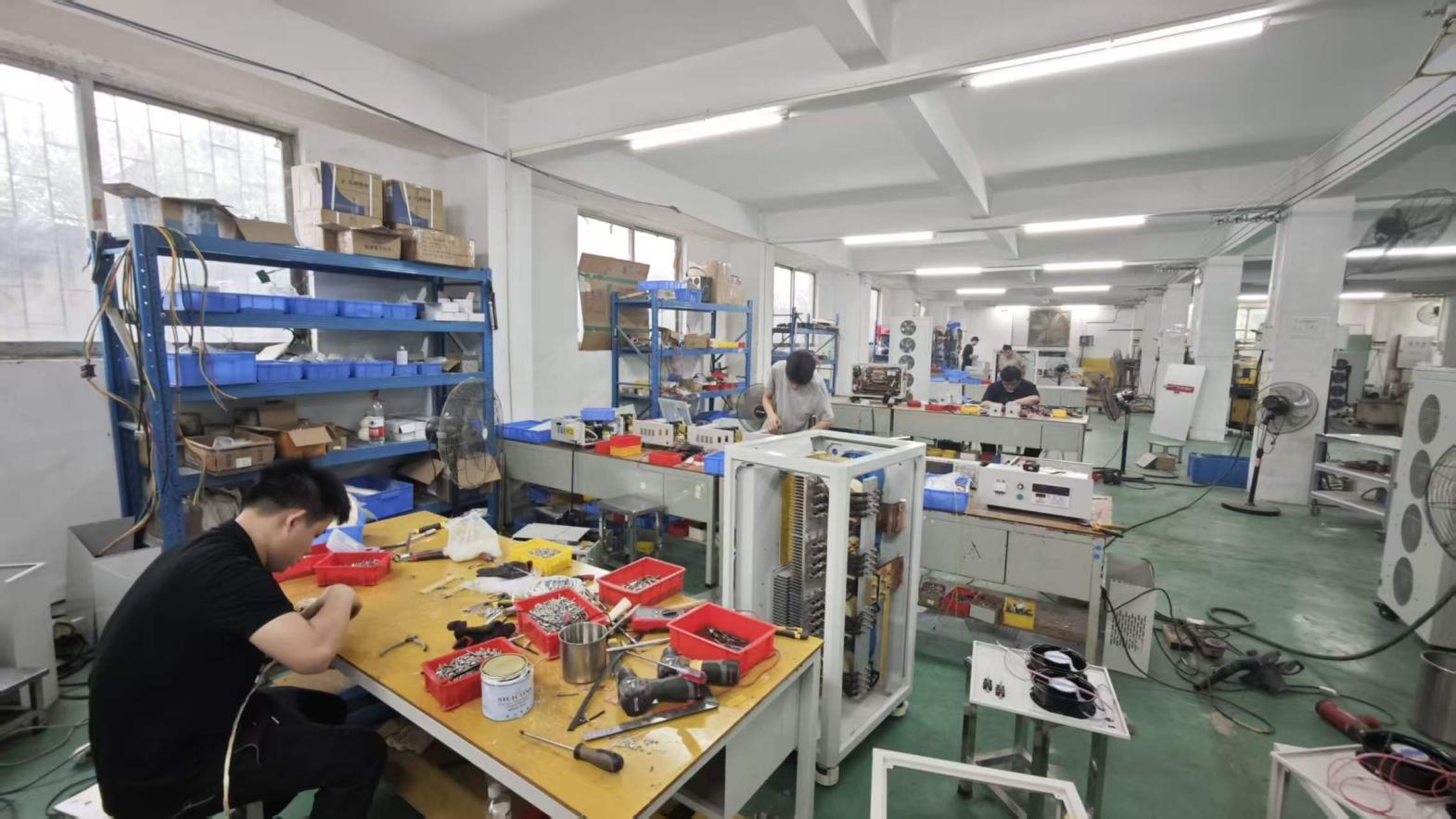
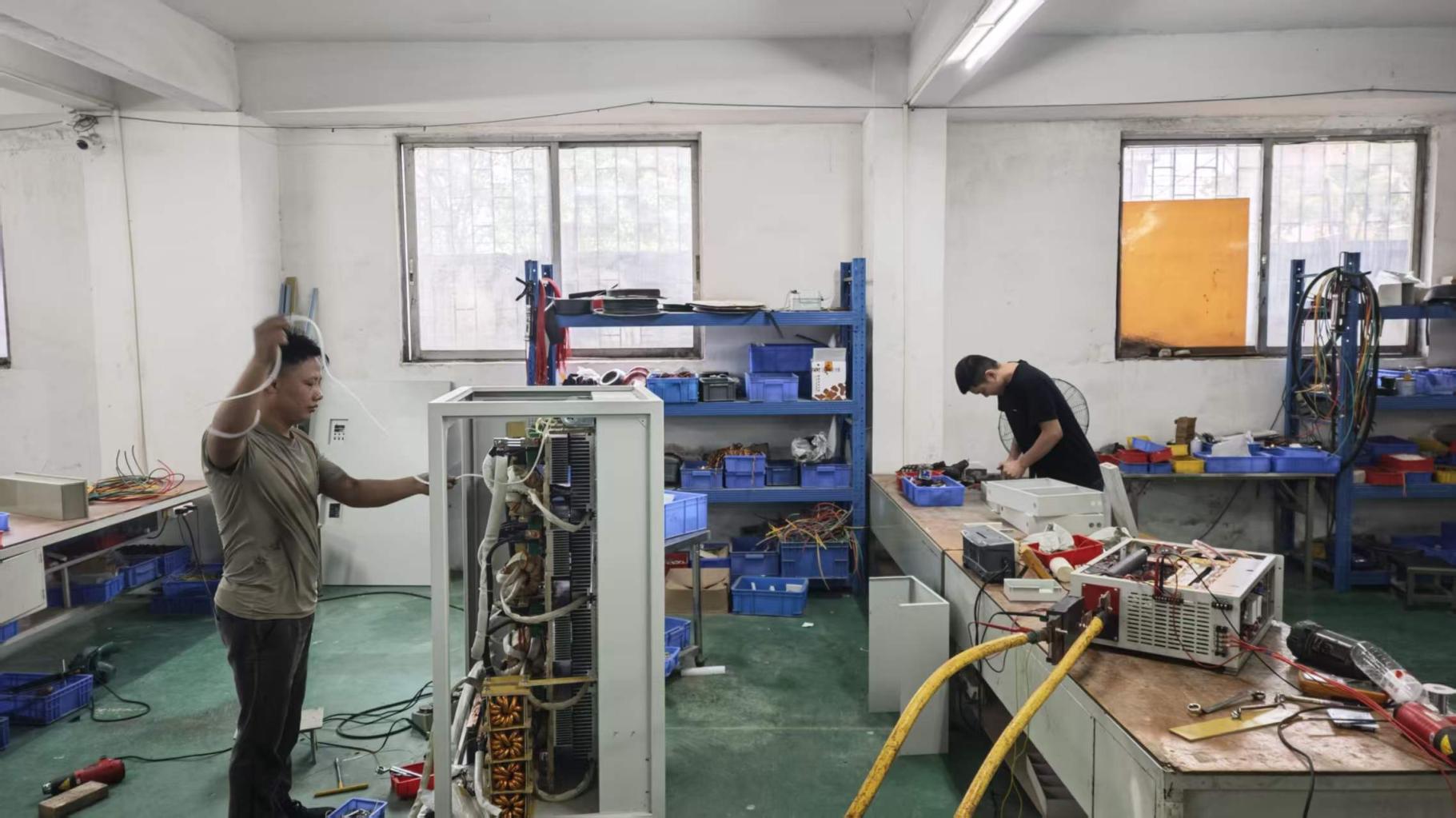
Direct factory engineering from raw metal fabrication and copper busbar routing to final full-load burn-in validation.
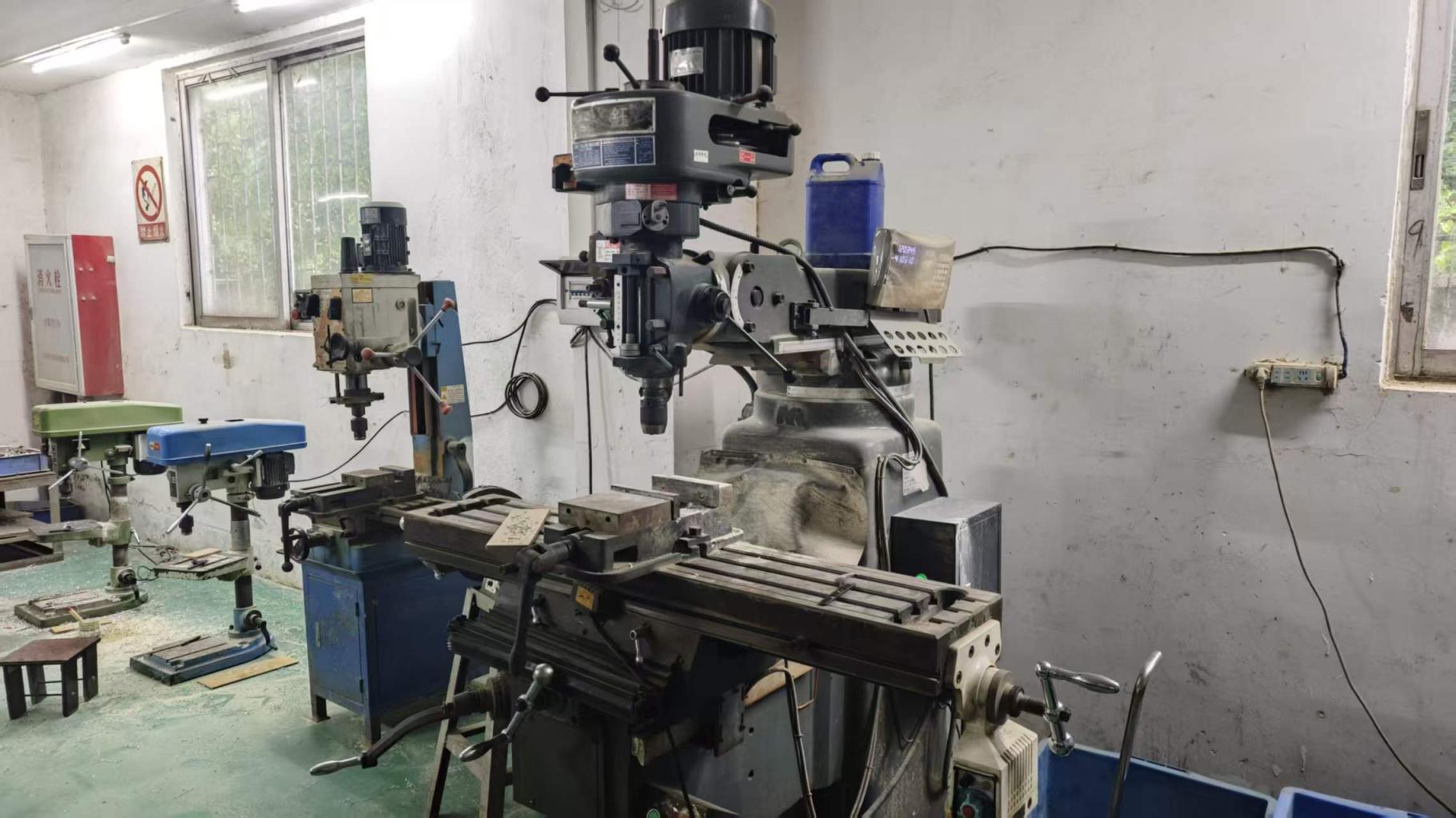
Our 3,000m² production floor features dedicated plate shearing, CNC punching, milling, drilling, and busbar tapping machines. Manufacturing the cabinet mechanics in-house guarantees structural rigidity, IP protection ratings, and direct control over customization lead times.
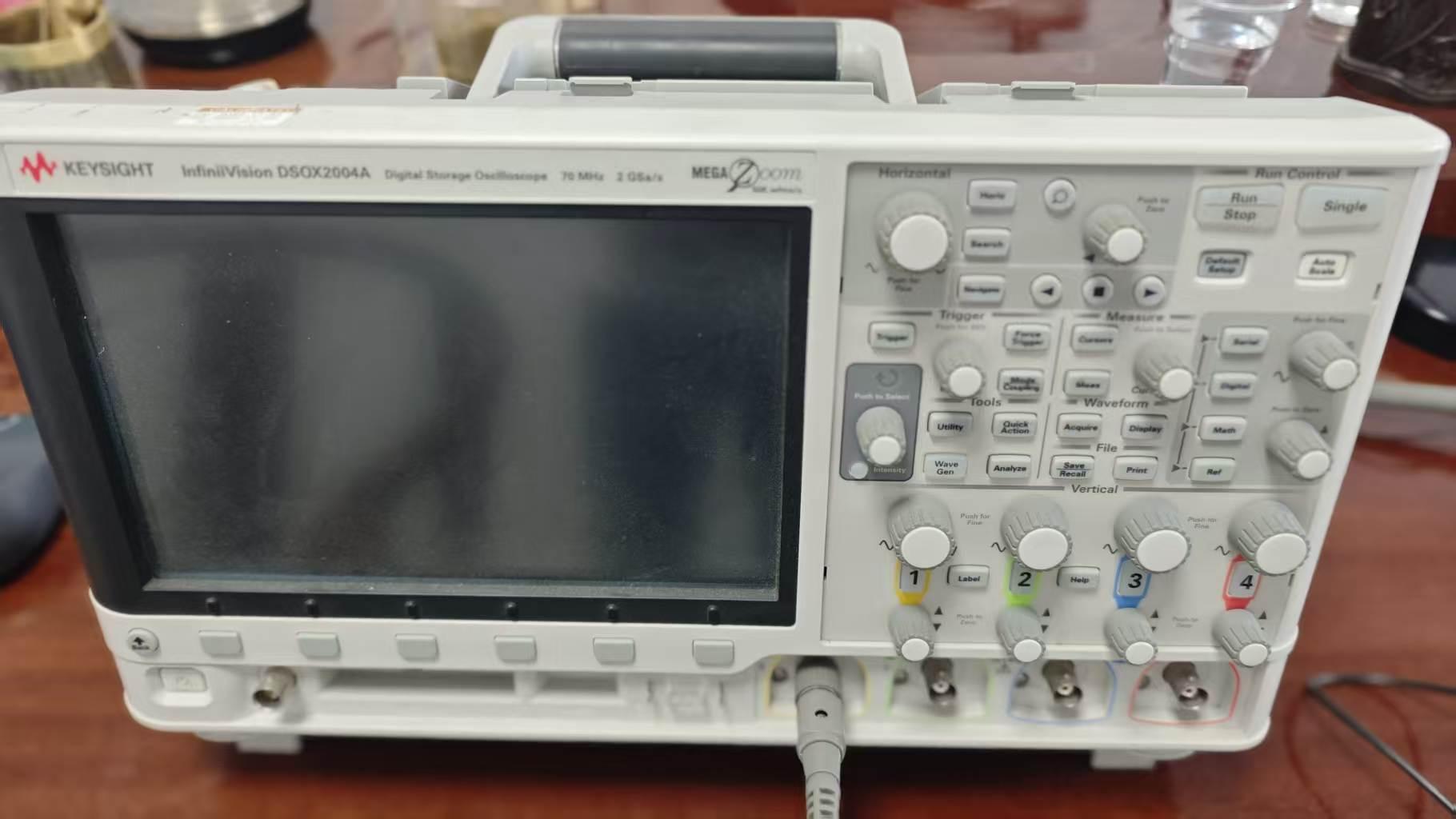
No unit exits the facility without undergoing full-load burn-in cycles. Utilizing precision digital oscilloscopes, spectrum analyzers, and dynamic resistive banks, our senior engineering team rigorously records temperature delta-t profiles and ripple metrics against specification.
Engineered flexibility is a foundational standard. We fully support single-unit builds (MOQ: 1 Set) for specialized laboratory prototypes, bespoke pilot testing rigs, and rapid OEM/ODM trial projects, supported by free pre-order schematic design consultations.
Direct technical answers addressing engineering configurations, international standards compliance, and worldwide delivery logistics.
Connect immediately with our Guangdong application engineering desk. Submit your load profile, input voltage limits, and environmental parameters for a formal engineering assessment and competitive manufacturer quotation.
Contact Us