Water-Cooled

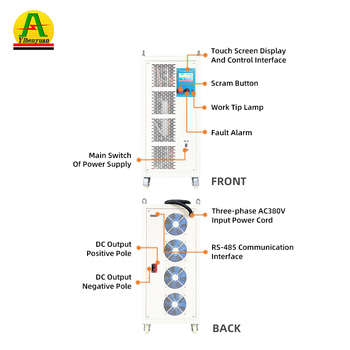
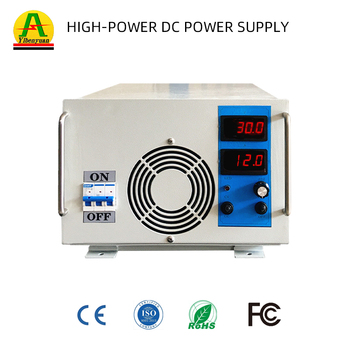
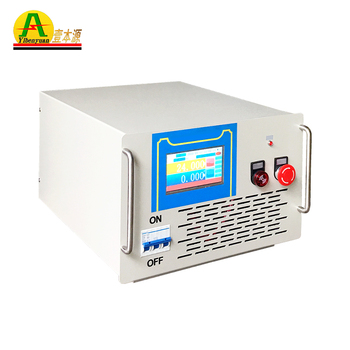
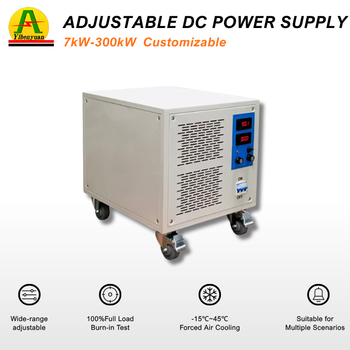
12V/15V 5000A–6000A 75kW Water-Cooled Switch-Mode Rectifier
- Topology: High-Frequency IGBT
- Cooling: Deionized Liquid / Water
- Modes: CV / CC Digital Setting
- Efficiency: ≥ 90% at full load
Industrial Engineering Insight: In heavy electrochemical extraction, chloro-alkali generation, chlorate processing, industrial electroplating, water electro-descaling, and green hydrogen water electrolysis, the continuous efficiency, harmonic distortion rejection, and long-term thermal endurance of direct-current power supplies determine process profitability. As global operations switch from high-maintenance legacy thyristor (SCR) architectures to high-frequency switch-mode IGBT power topologies, precision conversion guarantees sub-2% current ripple, higher current density, and reduced plant power consumption.
Operating from our modern 3,000m² manufacturing facility in Guangdong since 2013, Guangdong Fenvix Technology Co., Ltd. has established itself as an authoritative Chinese manufacturer of custom industrial DC rectifiers. From high-capacity 15,000A water-cooled busbar assemblies to modular 100kV laboratory systems, our engineering capability ensures rapid prototyping, zero minimum order quantity (No MOQ), rigorous internal load-banking, and direct factory-to-industry export reliability across North America, Europe, the Middle East, and Southeast Asia.
Explore our field-proven power supplies specifically built for non-stop electrochemical processing, heavy electrodeposition, precision anodizing, and harsh industrial environments.



Understanding why leading modern electrochemical plants and hydrogen electrolysis developers are phasing out silicon-controlled rectifiers (SCR) in favor of high-frequency switch-mode IGBT power conversion.
| Performance Dimension | Legacy Thyristor (SCR) Rectifier | High-Frequency IGBT Switch-Mode Rectifier | Electrochemical Operational Advantage |
|---|---|---|---|
| Electrical Efficiency | 72% – 82% (Significant line losses) | 89% – 94% (Optimum stage conversion) | Reduces kWh consumed per kilogram of generated chemical or deposit. |
| Current Ripple Factor | High (> 5% to 15% without huge chokes) | Ultra-Low (≤ 1% to 2%) | Prevents micro-pitting, ensures uniform grain boundary formation and minimal electrode dissolution. |
| Power Factor (PF) | Poor (0.65 – 0.78, worsening at low load) | High (≥ 0.94 across full range) | Eliminates harmonic penalty surcharges from electrical utility grids. |
| Physical Volume & Weight | Massive oil-immersed or copper tanks | 1/3 to 1/4 Compact Footprint | Allows close positioning to tanks/cells, drastically reducing expensive copper busbar voltage drops. |
| Control Dynamic Response | Slow (100ms – 300ms phase lag) | Ultra-Fast (< 2ms to 5ms) | Instantaneous reaction to cell short circuits, load surges, and hydrogen generation fluctuations. |
Global supply chain directors and engineering EPC contractors are focusing on four key technical evolutions when evaluating China-based rectifier manufacturers.
Modern continuous chemical plants cannot afford unscheduled outages. Procurement specifications increasingly require hot-swappable or parallel sub-rack architecture. If an individual 1,000A power module requires service, the master system throttles gracefully without interrupting chemical reactions.
Benefit: Near-zero downtime and lower lifecycle maintenance costs.
Analog 0-10V control has been superseded by isolated RS485 Modbus RTU, Profinet, and Ethernet/IP protocols. Plant operators now demand millisecond-level telemetry monitoring for DC real-time ripple, internal heatsink thermal gradients, diode health, and cumulative ampere-hour calculation directly into DCS dashboards.
Benefit: Predictive maintenance and automated process logging.
With industrial electricity tariffs climbing globally, an efficiency gain of just 4% in a continuous 300kW electrolysis setup saves tens of thousands of dollars annually. Buyers now perform rigorous Levelized Cost of Hydrogen (LCOH) or energy per metric ton calculations prior to selecting OEM factories.
Benefit: Rapid payback amortized within the initial 12–18 months of operation.
How Fenvix integrates state-of-the-art power electronics, wide bandgap semiconductors, and thermodynamic isolation into heavy industrial production.
Fenvix engineering is transitioning high-power switching stages into hybrid IGBT-SiC combinations. By increasing switching frequencies from 20kHz to upwards of 45kHz without thermal derating, magnetic cores and transformers become 40% lighter while practically eliminating audible hum on factory floors.
In harsh acid-mist, chlorine, and dust environments common to copper foil production or gold stripping, ambient forced-air cooling introduces aggressive corrosives to sensitive PCBs. Our proprietary closed-loop water cooling channels coolant directly through copper busbars and IGBT baseplates, completely isolating critical electronics inside IP55/IP65 sealed cabinets.
Electrochemical descaling and heavy water conditioning applications require fast polarity transition without sparking or component stress. Fenvix incorporates electronic microsecond H-bridge reversal logic, enabling automated de-calcification cycles that extend electrode lifespan by 300% without human intervention.
Unlike trading middlemen, Guangdong Fenvix controls the entire production chain under an ISO 9001:2015 quality management system verified on-site by TÜV Rheinland.
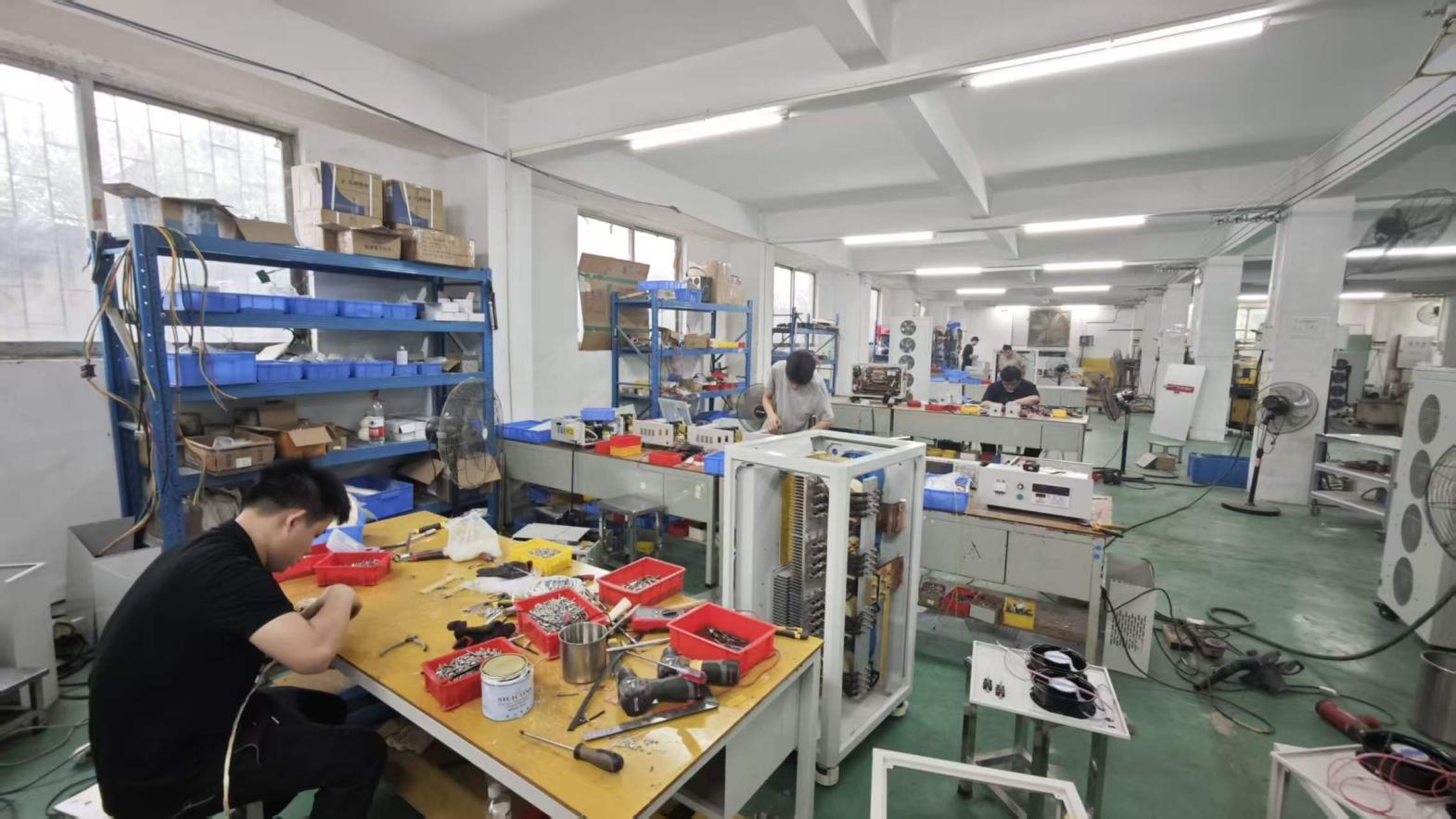
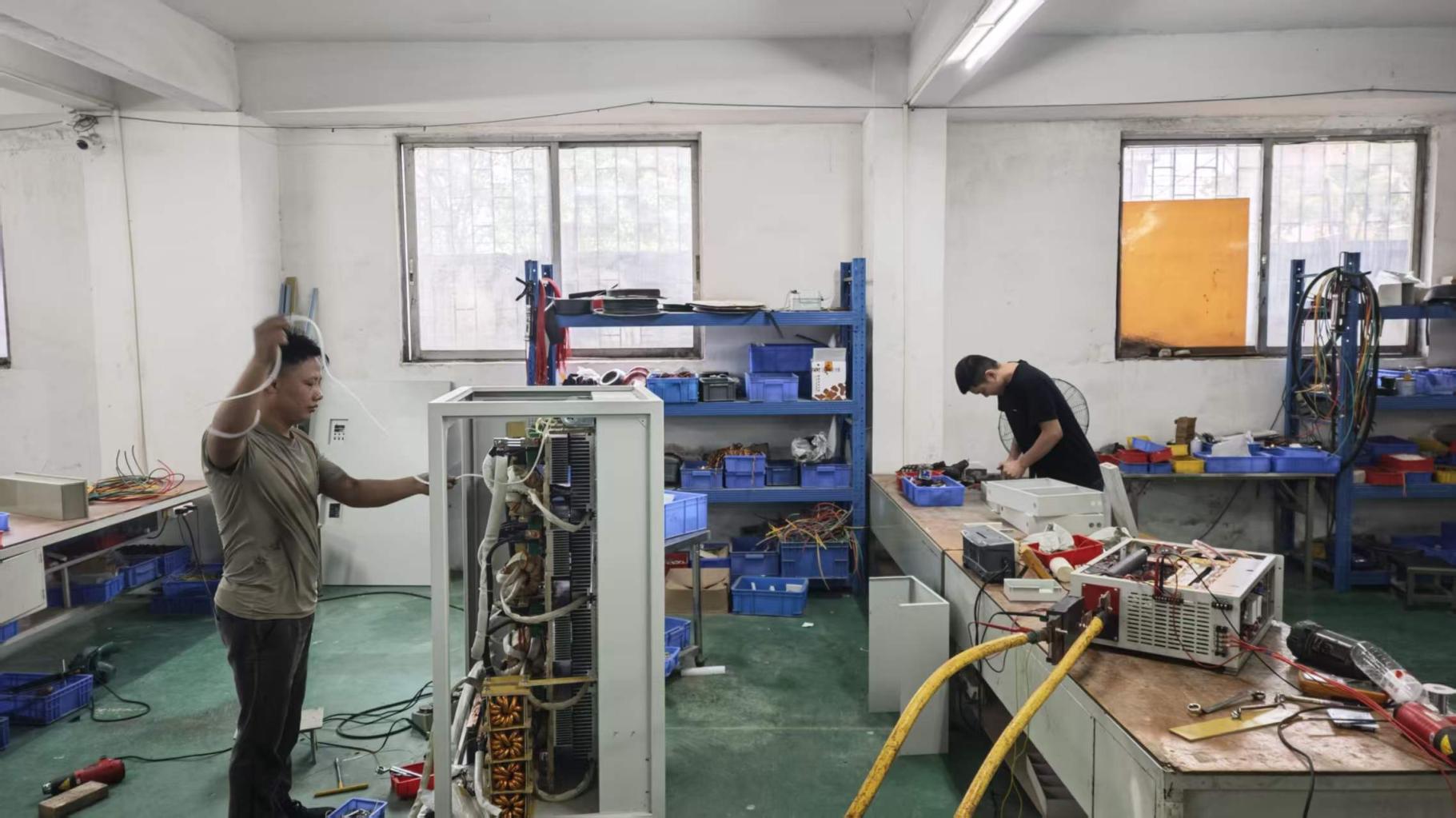
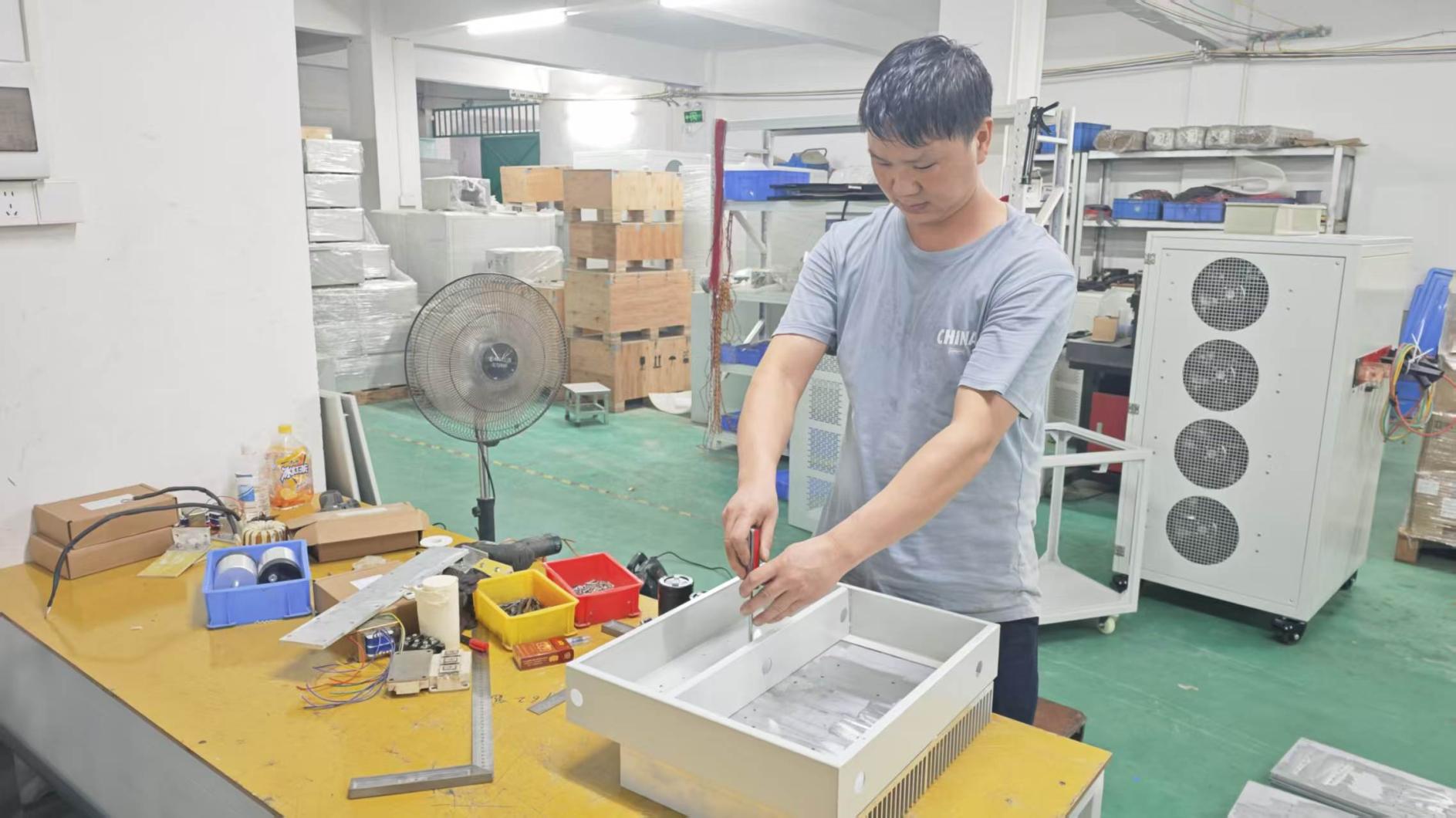
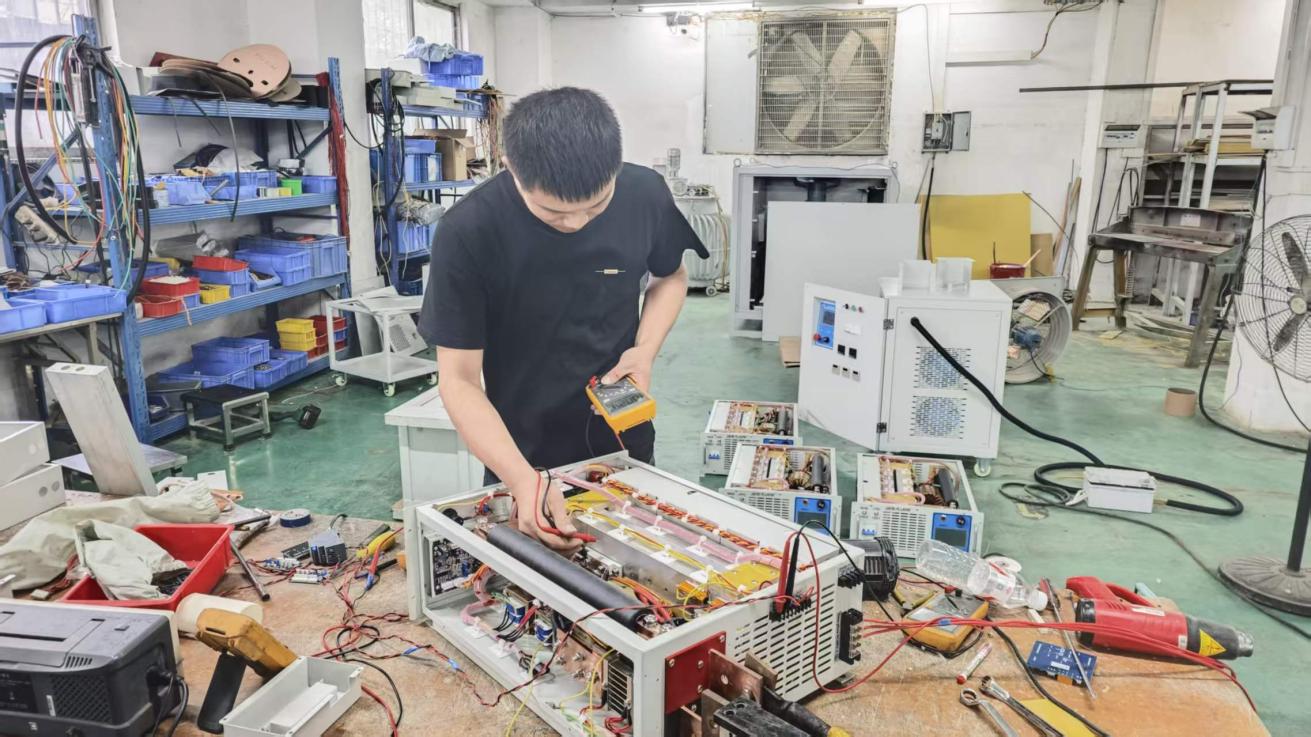
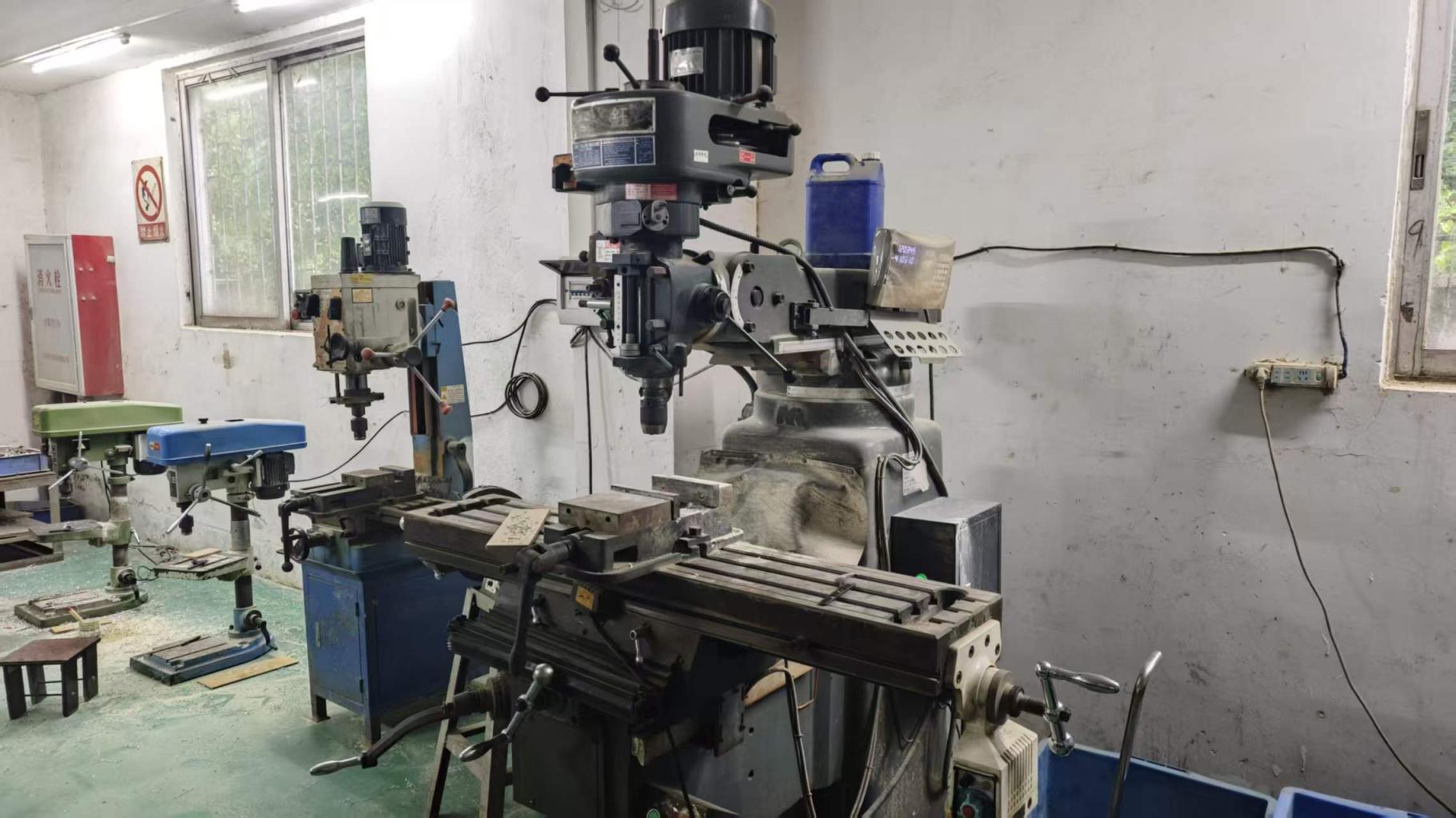
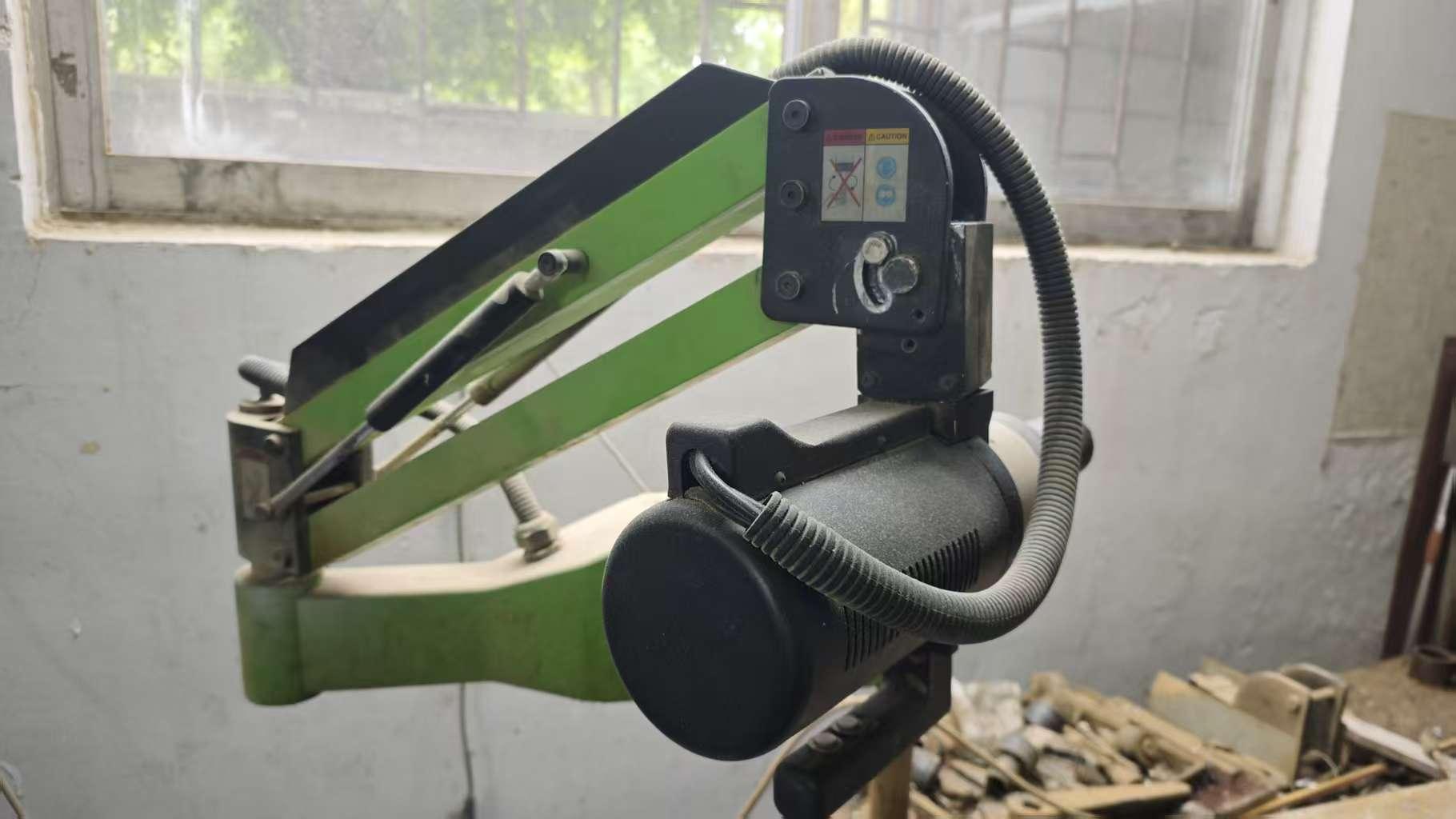
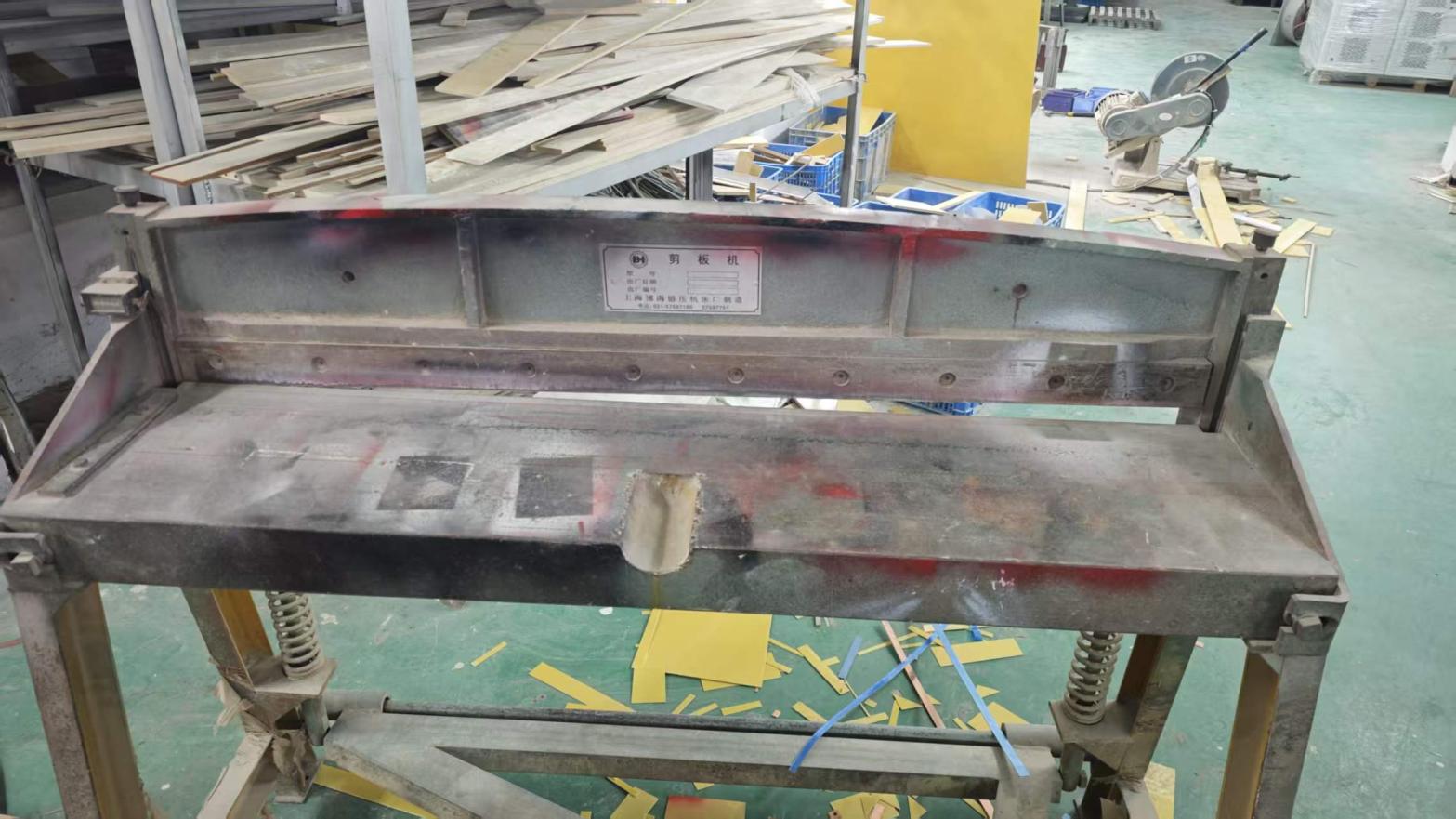
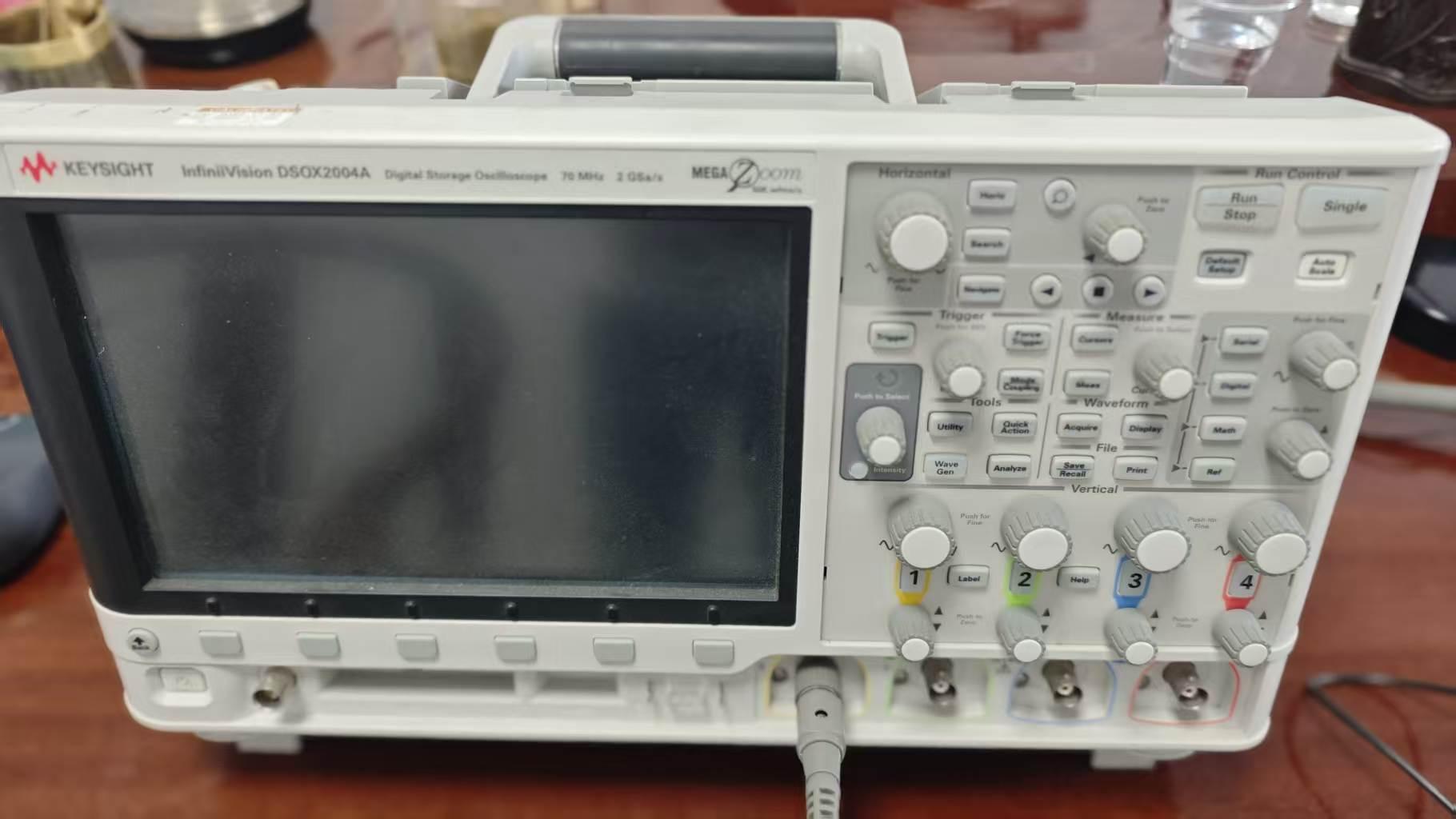
Full-Spectrum Vertical Fabrication: Every industrial DC power cabinet is manufactured directly within our Guangdong plant. Our workshops encompass plate shearing, precision punching, robotic CNC milling, high-current busbar drilling and tapping, transformer winding, SMD control board potting, conformal coating, final wiring assembly, and dual-redundant load-bank burn-in testing.
This end-to-end integration eliminates subcontractor markup, ensures mechanical tolerances down to 0.1mm on high-amp copper busbars, and allows 100% custom adaptation of input voltages (e.g., 208V, 380V, 415V, 480V, 600V AC at 50Hz or 60Hz).




Essential technical, financial, and logistical insights for plant managers, chief electrical engineers, and global procurement buyers.
Consult directly with our senior power electronics engineering team. Receive detailed circuit topologies, busbar drawings, electrical efficiency metrics, and formal quotations tailored to your operational specifications within 24 hours.