Featured Industrial CC CV Power Systems & Rectifiers
Field-proven architectures engineered with automatic Constant Current (CC) and Constant Voltage (CV) crossover, custom winding topologies, and advanced thermal dissipation.
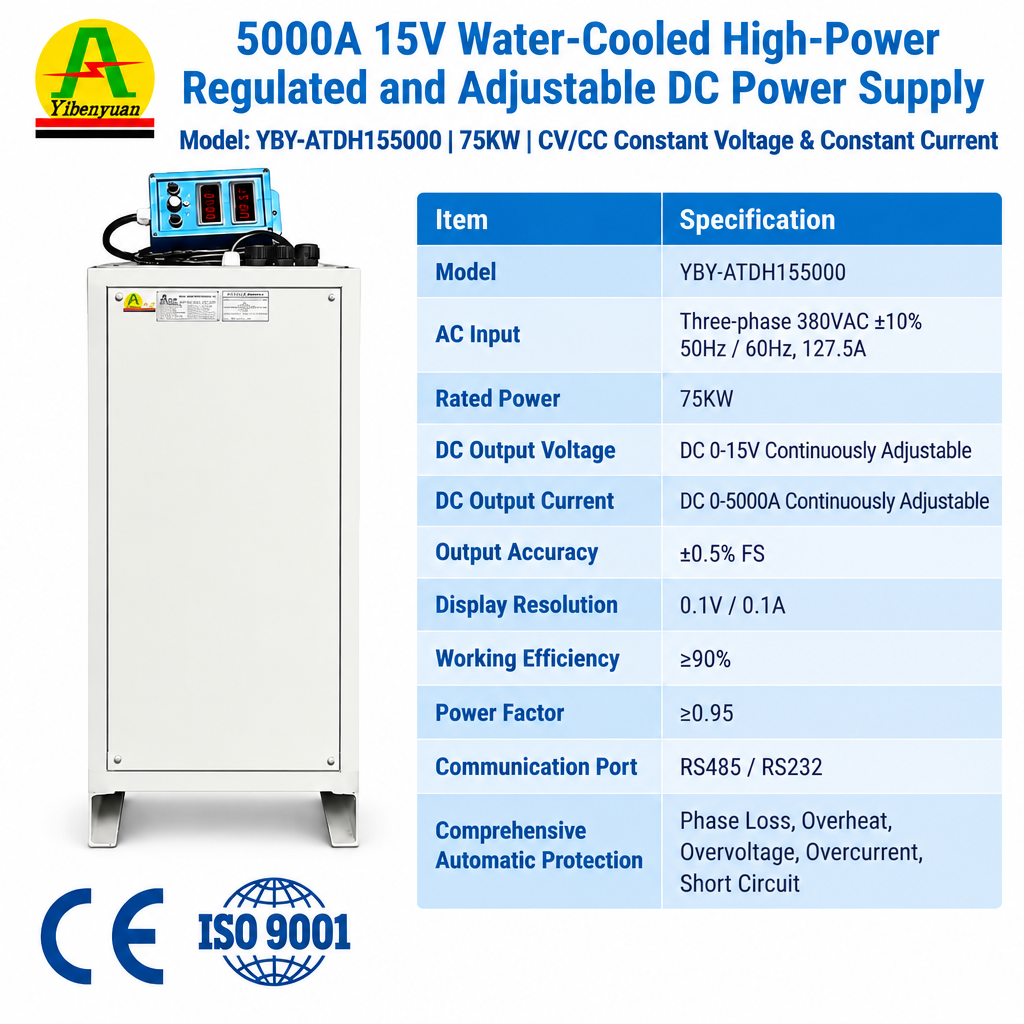
12V/15V 5000A-6000A 75kW Water-Cooled Plating Rectifier
- Output Parameters: 12V/15V | Up to 6000A
- Cooling Topology: Deionized Water Cooling
- Control Architecture: Digital DSP / CC & CV
- Efficiency Rating: ≥ 90% at Rated Load
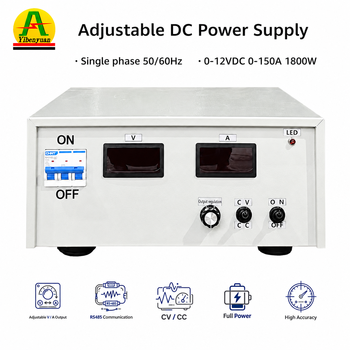
12V 150A High Frequency Precision Plating Unit
- Output Parameters: 0-12V Continuous | 0-150A
- Target Process: PCB, Au/Ag Deposition
- Ripple Factor: ≤ 1% RMS Ultra-Low Ripple
- Regulatory: CE, EMC, LVD Compliant
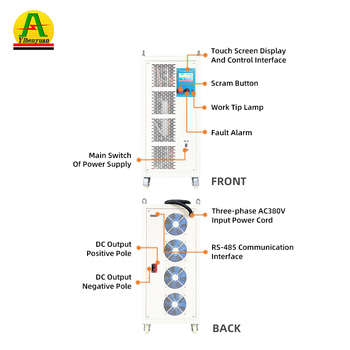
12V 4000A 48kW Heavy-Duty Galvanizing Rectifier
- Output Parameters: 12V Stabilized | 4000A DC
- Inversion Stage: Infineon IGBT Switching
- Control Interface: RS485 Modbus-RTU / 0-10V
- Enclosure Spec: Corrosion-Proof Coated IP54
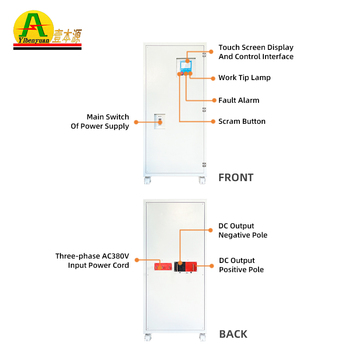
8000A 12V Water-Cooled Continuous Plating Unit
- Output Parameters: 0-12V | 8000A Continuous
- Cooling Spec: Internal Pure Copper Chilling
- Duty Profile: 24/7 Full Load Industrial
- Protection Modes: Overheat, Phase-Loss, OC/OV
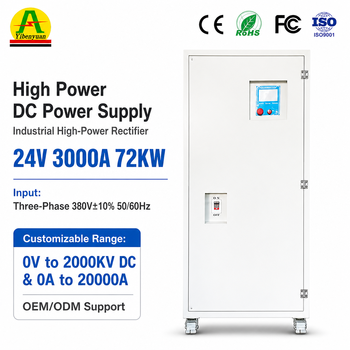
100A–3000A Adjustable Anodic Oxidation Source
- Voltage Configurations: 12V / 24V / 60V / 100V
- Current Span: 100A to 3000A Programmable
- Ramp Function: Multi-Stage Soft Start Ramp
- Oxidation Control: Constant Current (CC) Mode
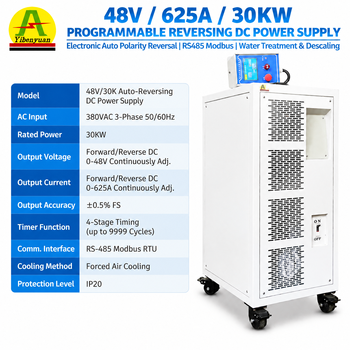
48V 625A 30kW Polarity Reversing Descaling PSU
- Output Power: 30kW (48V / 625A)
- Special Feature: Automatic Polarity Switchover
- Timer Integration: 4-Segment Forward/Reverse
- Target Application: Electrolytic Descaling & WWTP
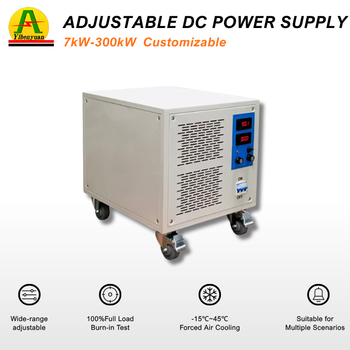
800V 50A 20kW Programmable High-Voltage DC Source
- Output Spectrum: 400V–800V Wide Band | 50A
- Dynamic Response: < 5ms Transient Recovery
- Interface Channels: CANbus / RS485 / Analog ATE
- Laboratory Profile: BMS & Traction Inverter Validation
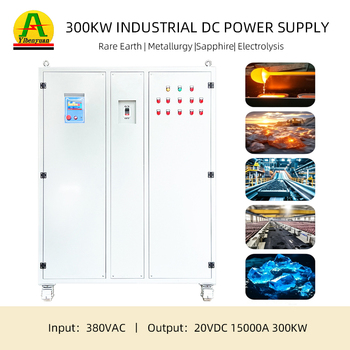
300kW 20V 15,000A Industrial Electrolysis Rectifier
- Output Parameters: 0-20V DC | Up to 15,000A
- Grid Ingress: 3-Phase 380V/415V/480V AC
- Busbar Engineering: Precision Milled T2 Copper
- Industrial Use: Chlor-Alkali, Hydrogen, Smelting
Demystifying CC CV Modes in Heavy-Duty Power Electronics
In high-capacity power electronics, the ability to seamlessly transition between Constant Current (CC) and Constant Voltage (CV) regimes is fundamental to maintaining process stability, product longevity, and thermal containment. Whether driving electrodeposition tanks, charging high-energy electrochemical storage cells, or feeding hydrogen electrolysis stacks, fluctuating load impedances present an acute challenge to conventional static power supplies. A premier Chinese CC CV manufacturer implements precision closed-loop feedback algorithms operating at switching frequencies between 20 kHz and 50 kHz to prevent destructive overcurrent surges and voltage overshoot.
The Core Crossover Principle: In Constant Voltage (CV) mode, the power converter stabilizes output potential against line and load fluctuations until the output current reaches the predetermined limit. At this instantaneous threshold, high-speed digital feedback throttles the duty cycle, seamlessly dropping the terminal voltage to clamp the current at a fixed maximum (CC mode). This bidirectional compliance protects both sensitive bath chemistries and the semiconductor switching array.
Dynamic Crossover Mechanics in Modern Switch-Mode Topologies
Modern switched-mode power supplies (SMPS) manufactured by Guangdong Fenvix Technology Co., Ltd. replace archaic Line-Frequency Silicon Controlled Rectifiers (SCR) with advanced insulated-gate bipolar transistor (IGBT) full-bridge converters. In conventional SCR-based systems, phase-angle firing yields significant low-frequency sub-harmonic ripple (typically 300 Hz in six-pulse circuits), which compromises deposit adhesion in precision gold, chrome, and nickel electroplating. By employing pulse-width modulation (PWM) through high-speed microcontrollers and Digital Signal Processors (DSP), contemporary IGBT rectifiers deliver a near-unity power factor (displacement factor > 0.95) and limit residual AC ripple below 1-2% RMS.
Mathematical Foundation of Low-Ripple Electrodeposition
Electrochemical mass transport rates depend directly on cathodic current density distribution. The Faradaic efficiency of electroplating is governed by the relation:
m = (I × t × M) / (z × F)
Where m is the deposited mass, I is the instantaneous current, t is time, M is the molar mass, z is the valence number, and F is the Faraday constant (96,485 C/mol). When ripple voltages produce intermittent peak currents, localized current densities penetrate past the limiting diffusion layer, generating dendritic hydrogen embrittlement, pinholes, and uneven coating thickness. Fenvix CC CV architectures leverage multi-stage LC low-pass filter networks, ensuring that ripple frequencies are suppressed before reaching electrodeposition electrodes.
IGBT High-Frequency SMPS vs. Traditional Thyristor Rectifiers
An empirical evaluation demonstrating why global industrial procurement is shifting away from oil-immersed phase-angle SCRs to high-frequency solid-state topologies.
| Technical Characteristic | Traditional Thyristor (SCR) Unit | Fenvix High-Frequency IGBT System | Operational Impact |
|---|---|---|---|
| Conversion Efficiency | 68% – 76% (Extensive Iron Core Losses) | 90% – 94% (Active ZVS Switching) | Up to 25% Energy Savings |
| Output Ripple Factor (RMS) | 5% – 15% (Requires massive choke filters) | ≤ 1% – 2% (High-frequency attenuation) | Superior film density, eliminates pitting |
| Dynamic Response Speed | Slow (100 ms – 300 ms phase latency) | Ultra-Fast (< 5 ms loop response) | Instantaneous short-circuit suppression |
| Physical Footprint & Weight | Large, heavy footprint; crane installation | 60% smaller, 70% lighter weight | Reduces cleanroom and plant floor overhead |
| Cooling Flexibility | Forced air or toxic transformer oil | Deionized Water or Precision Fan Array | Zero oil contamination hazard; isolated ducting |
| Automation Integration | Basic 4-20mA analog loops | Isolated RS485, Modbus-RTU, Profinet, CAN | Native IIoT Smart Factory synchronization |
Future Procurement Trends in Industrial CC CV Systems
Strategic considerations for engineering directors, procurement teams, and plant managers sourcing high-power equipment over the next decade.
1. Wide-Bandgap Migration (SiC & GaN)
Industrial rectifiers are transitioning toward Silicon Carbide (SiC) MOSFET power blocks. SiC devices allow switching frequencies to exceed 100 kHz with negligible switching losses, cutting passive transformer volume by 40% while operating safely at junction temperatures above 175°C.
2. N+1 Modular Hot-Swappable Stacks
Unplanned downtime in anodizing, zinc plating, or chemical synthesis lines carries catastrophic cost. Procurement mandates increasingly specify rack-mounted sub-modules operating in active current-sharing parallel modes. If one module experiences a fault, it isolates without dropping the line.
3. Direct Closed-Loop Liquid Thermal Loops
Air-cooled power units in chemical plants suffer shortened lifespans due to ambient acid mist, caustic vapors, and airborne particulates. The procurement shift toward IP55 and IP65 fully sealed enclosures featuring closed-loop water/glycol heat exchangers eliminates internal atmospheric exposure entirely.
4. Digital Twin Telemetry & Diagnostics
Modern procurement contracts demand embedded IIoT micro-controllers capable of edge logging. Predictive thermal tracking of internal busbars, real-time capacitor ESR degradation tracking, and automated ripple drift alarms enable maintenance teams to schedule servicing before fatal plant outages.
5. Direct-from-Factory Engineering Procurement
To eliminate trading markups and avoid communication errors on complex voltage-current-control parameters, EPC contractors are opting to bypass trading brokers. Direct partnerships with Guangdong-based original equipment manufacturers guarantee access to custom mechanical drawings, schematic verifications, and tailored firmware.
Inside Fenvix: Vertical Integration & ISO 9001 Production
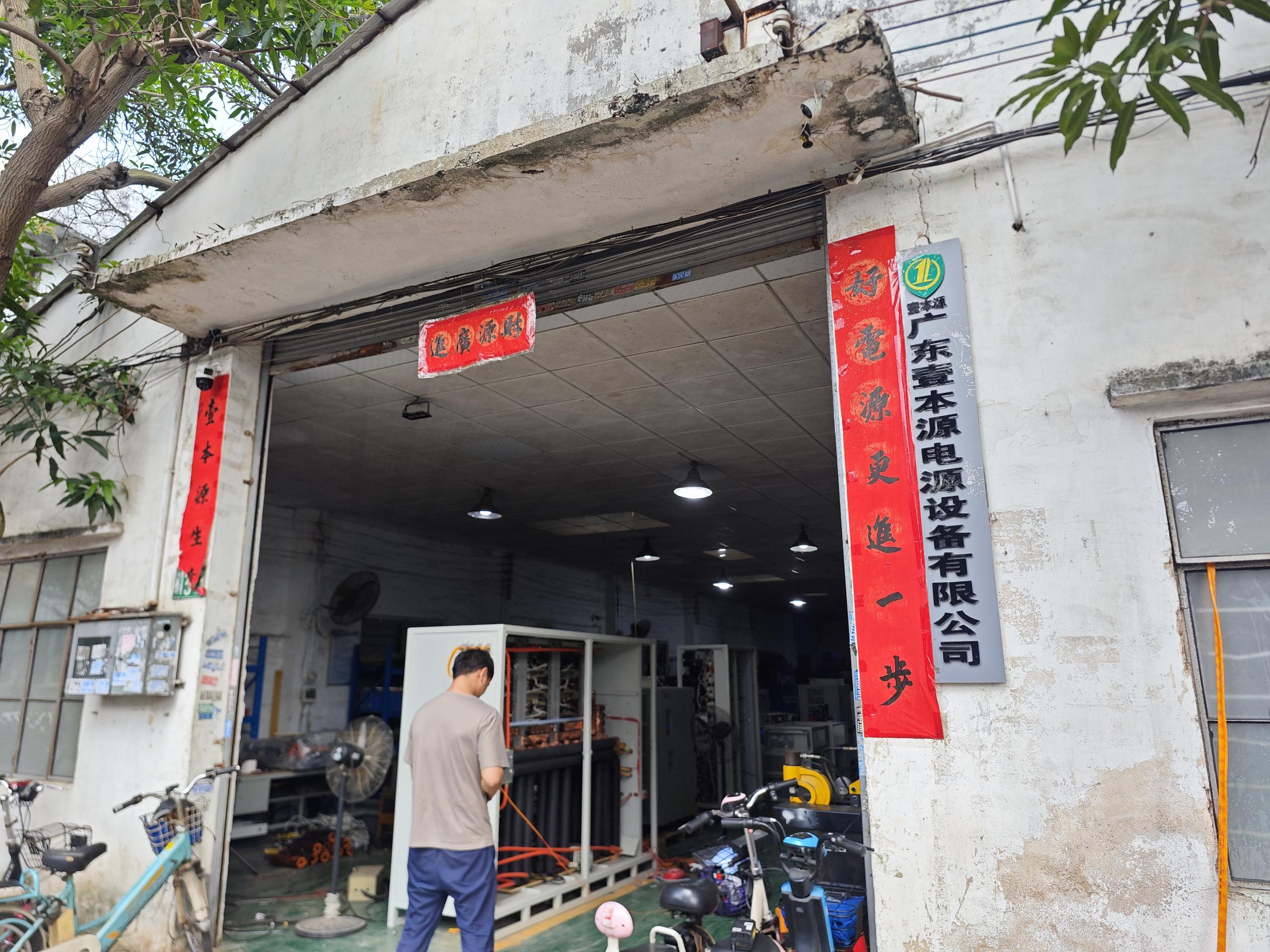
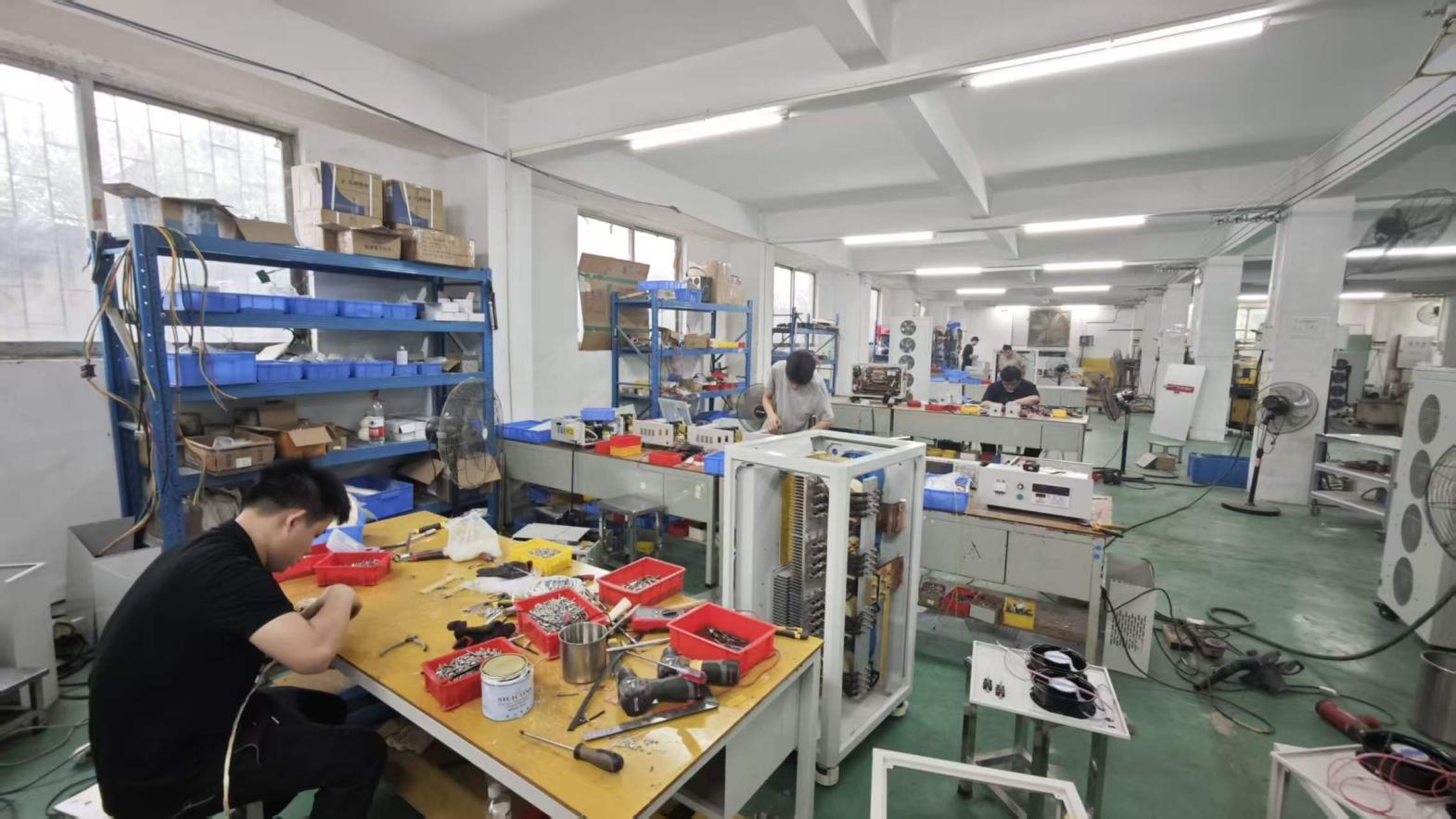
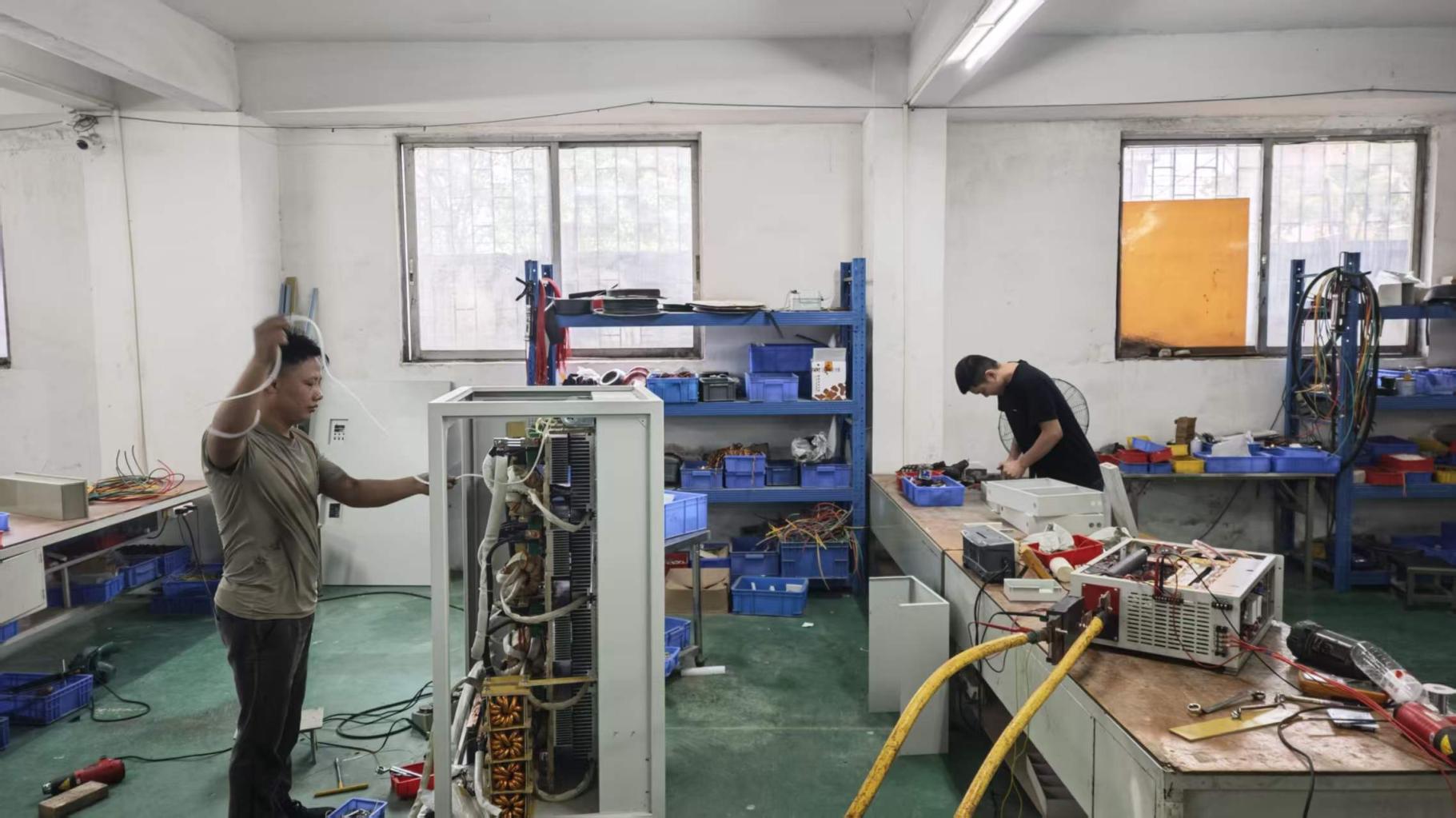
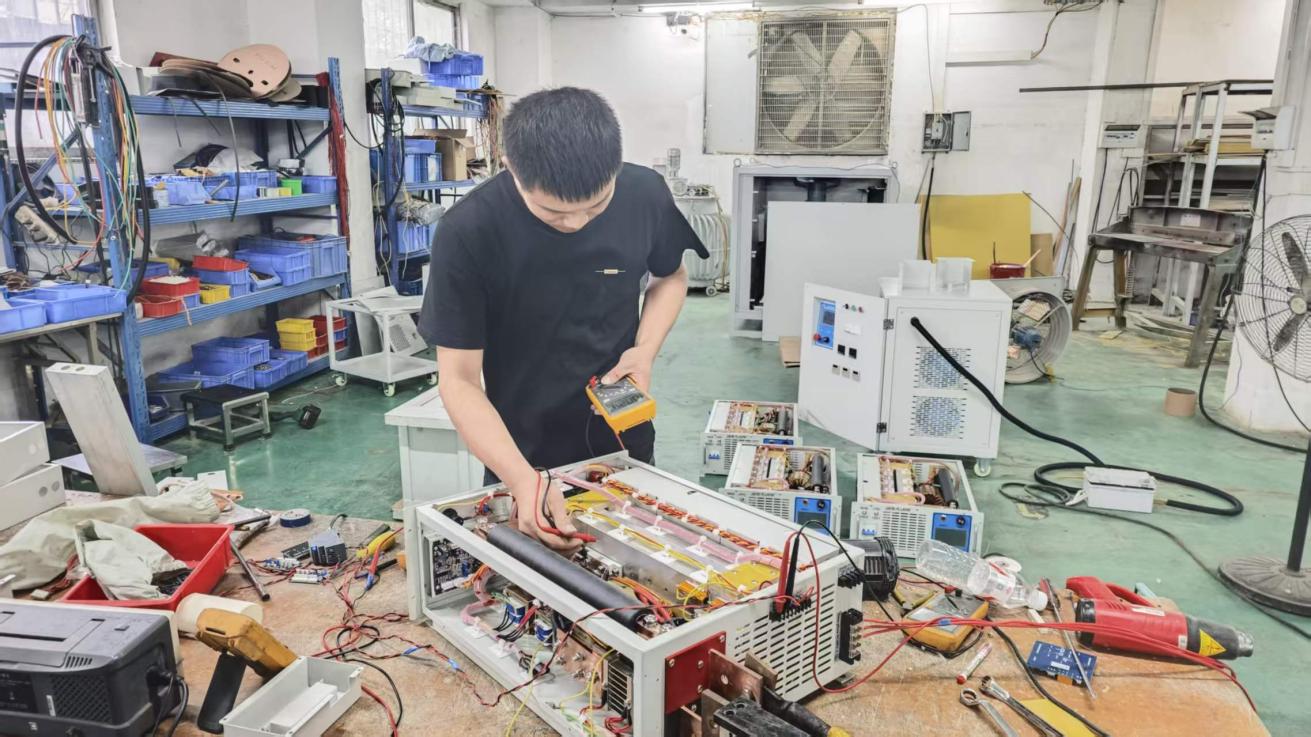
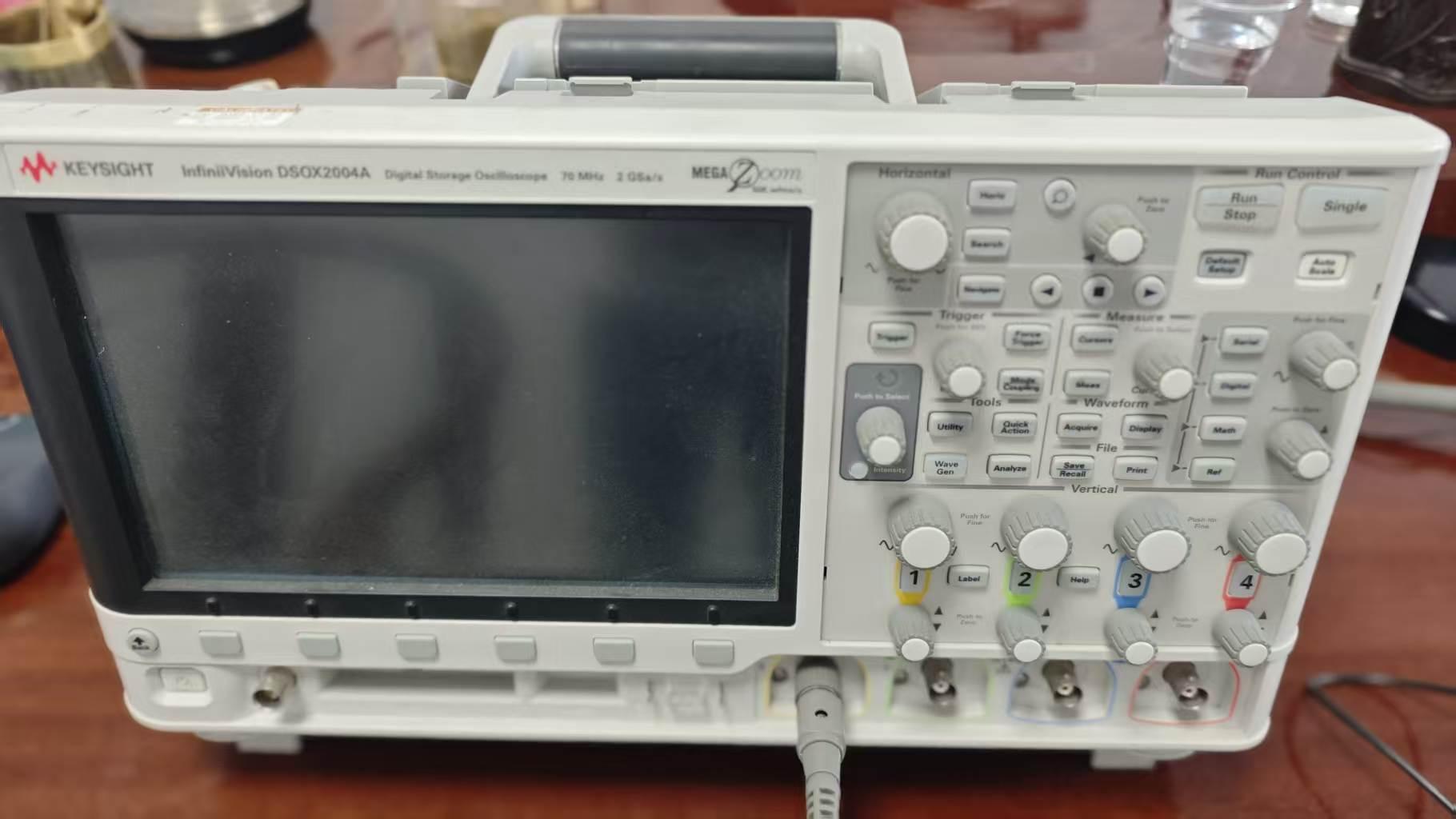
Operating from Guangzhou, Guangdong, China since 2013, our integrated workshop handles precision sheet metal, CNC copper fabrication, assembly, and full-load burn-in under rigorous quality management.
True In-House Industrial Fabrication
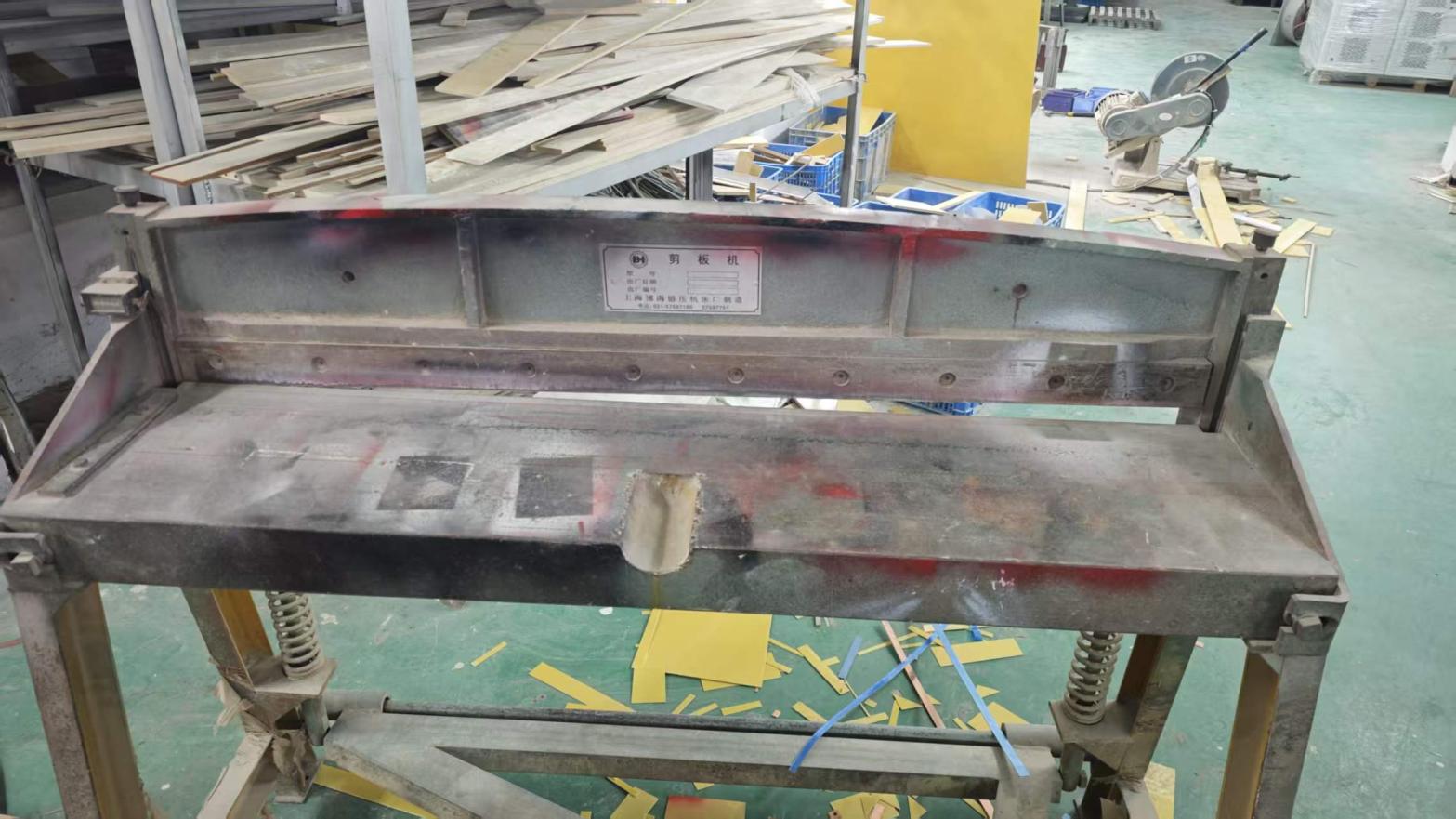
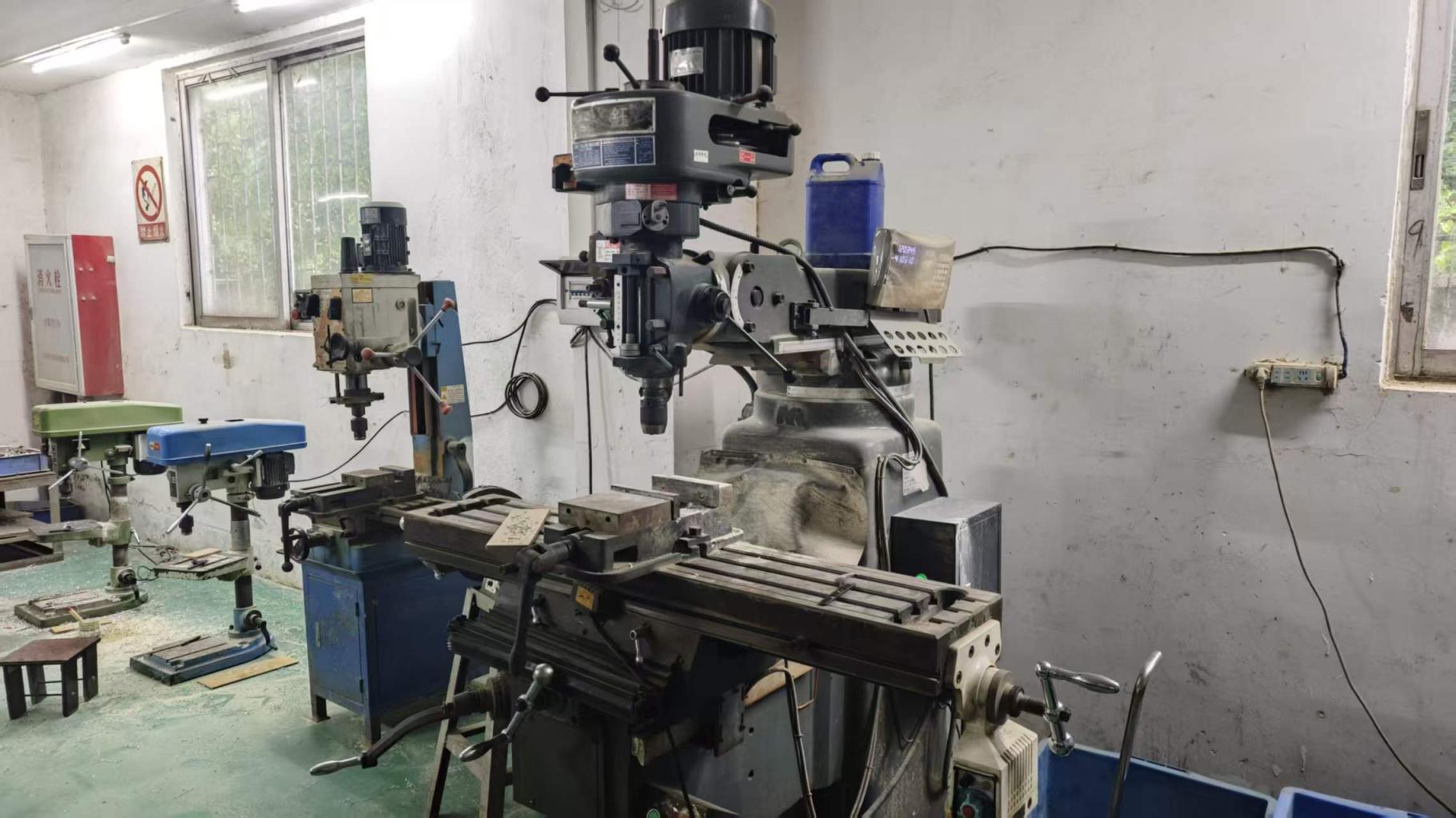
Unlike trading aggregators who rebrand standard catalog chassis, Guangdong Fenvix Technology Co., Ltd. controls the complete mechanical and electrical manufacturing chain across our 3,000 m² plant floor. Our facilities include precision plate shearing machines, multi-ton CNC punching units, heavy drilling stations, and copper busbar milling systems.
Every copper busbar is engineered from ultra-pure T2 electrolytic copper, precision-machined to mitigate high-current contact resistance and electro-tin or silver plated to withstand corrosive industrial environments. Electrical assemblies are isolated using flame-retardant G10 epoxy insulation and heavy powder-coated structural steel enclosures.
Frequently Asked Questions by Global Buyers
Direct answers to the electrical, mechanical, and logistical questions international project engineers pose during the RFP phase.
What technical parameters are required to specify a custom CC CV power system accurately?
When is water cooling technically mandatory over forced-air cooling?
How does Fenvix handle international quality compliance and certifications?
Can your engineers accommodate non-standard three-phase industrial inputs?
What is the minimum order quantity (MOQ) and sample prototyping policy?
How do you safeguard equipment during oceanic and air freight transport?
What trade terms and foreign currency payment methods are supported?
What warranty coverage and technical after-sales support do you provide overseas?
Require a Custom CC CV Power Engineering Solution?
Submit your technical parameters—voltage range, continuous current, ripple tolerances, cooling interface, and communication protocols. Our Guangdong senior power engineering team will evaluate your load specifications and deliver a formal proposal within 24 hours.